Western recognition for Palestinian State late but important step, says Palestine Ambassador Shawesh

&imwidth=600&imheight=450&format=webp&quality=medium "Western recognition for Palestinian State late but important step, says Palestine Ambassador Shawesh")
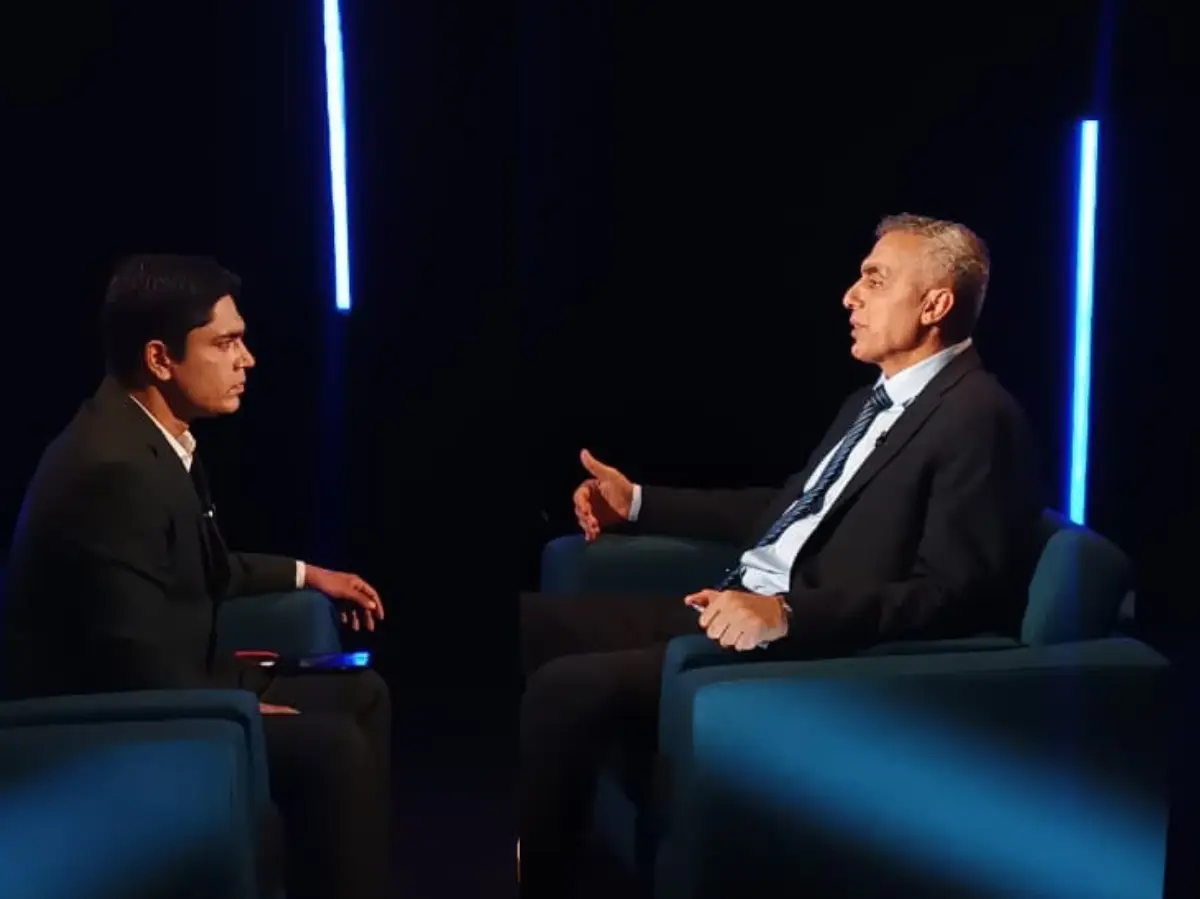
Palestinian ambassador to India, Abdallah M Abu Shawesh Photograph: (WION)
Around 149 countries recognise Palestine, and the upcoming announcements by Western states are aimed at advancing Palestinian statehood amid the Gaza crisis and hoping to halt the Israeli offensive in the strip that started after the Hamas terror attack of October 2023.
Ahead of the start of the annual United Nations General Assembly (UNGA) session next week that will see many Western countries recognising the "state of Palestine", the Palestinian ambassador to India, Abdallah M Abu Shawesh, has termed the action coming "late". Many western countries like France, the UK, Canada, and Australia have announced that they will recognise the Palestinian state during the week of the 80th UN General Assembly (UNGA) session that begins on September 22nd, coinciding with the "2 state solution conference", co-chaired by Saudi Arabia and France.
Speaking to WION, the Ambassador said, "'We expect western countries to recognise us, they came late. The UK came very late, ' but added, "but recognition is an important step. He explained that the recognition will "build step by step, a legal framework for our state".
Around 149 countries recognise Palestine, and the upcoming announcements by Western states are aimed at advancing Palestinian statehood amid the Gaza crisis and hoping to halt the Israeli offensive in the strip that started after the Hamas terror attack of October 2023. Asked how hopeful he is on the emergence of the "state of Palestine", he said, "We have hope, we are on the right side of history, and he is 100% confident".
The ambassador slammed the US for denying visa entry/revoking visas for Palestinian President Mahmoud Abbas and other members of the Palestine Liberation Organization (PLO) and Palestinian Authority (PA), thus impacting the leadership's presence at the UNGA session. He termed the action "illegal" and pointed out how, in 1988, the US banned Palestinian leader Yasser Arafat from attending the UNGA session, and the session took place at the United Nations in Geneva. That year, UNGA voted 151-2 (U.S. and Israel against, UK abstaining) to hold a special session in Geneva, where Arafat could attend without US visa restrictions.
Asked about India's policy on Palestine, he said, "we get support from lot of people in India", and that "India was the first non-Arab and non-Muslim state in 1988 to recognise Palestine. It is running number of projects in Palestine, especially west bank needed for daily life". He added, "India is very heavy political power...they can help Palestine people. India gives all the space, to listen to us".
India advocates for a sovereign, independent, and viable Palestinian state living side by side with Israel in peace, within secure and recognized borders. It has also provided significant aid to Palestine, including financial contributions to the UN Relief and Works Agency (UNRWA), capacity-building programs, and budgetary support to the Palestinian Authority. Historically, India has supported Palestine’s full membership in the United Nations.
Trending Stories
&imwidth=280&imheight=210&format=webp&quality=medium)
&imwidth=280&imheight=210&format=webp&quality=medium)
&imwidth=280&imheight=210&format=webp&quality=medium)
&im=FitAndFill=(700,400)&imwidth=280&imheight=210&format=webp&quality=medium)
&imwidth=280&imheight=210&format=webp&quality=medium)
&imwidth=280&imheight=210&format=webp&quality=medium)
&imwidth=280&imheight=210&format=webp&quality=medium)
&imwidth=280&imheight=210&format=webp&quality=medium)
&im=FitAndFill=(700,400)&imwidth=280&imheight=210&format=webp&quality=medium)
&imwidth=280&imheight=210&format=webp&quality=medium)
&imwidth=280&imheight=210&format=webp&quality=medium)
&imwidth=280&imheight=210&format=webp&quality=medium)
&imwidth=280&imheight=210&format=webp&quality=medium)
&imwidth=280&imheight=210&format=webp&quality=medium)
&im=FitAndFill=(700,400)&imwidth=280&imheight=210&format=webp&quality=medium)
&imwidth=280&imheight=210&format=webp&quality=medium)
&imwidth=280&imheight=210&format=webp&quality=medium)
&imwidth=280&imheight=210&format=webp&quality=medium)
&imwidth=280&imheight=210&format=webp&quality=medium)
&imwidth=280&imheight=210&format=webp&quality=medium)
&imwidth=280&imheight=210&format=webp&quality=medium)
&imwidth=280&imheight=210&format=webp&quality=medium)
&imwidth=280&imheight=210&format=webp&quality=medium)
&im=FitAndFill=(700,400)&imwidth=280&imheight=210&format=webp&quality=medium)
&imwidth=280&imheight=210&format=webp&quality=medium)
&imwidth=280&imheight=210&format=webp&quality=medium)
&imwidth=280&imheight=210&format=webp&quality=medium)
&imwidth=280&imheight=210&format=webp&quality=medium)
&imwidth=280&imheight=210&format=webp&quality=medium)
&imwidth=280&imheight=210&format=webp&quality=medium)
&imwidth=280&imheight=210&format=webp&quality=medium)
&imwidth=280&imheight=210&format=webp&quality=medium)
&imwidth=280&imheight=210&format=webp&quality=medium)
&imwidth=280&imheight=210&format=webp&quality=medium)

