US presidential election 2024: How do uniformed services members vote in polls?

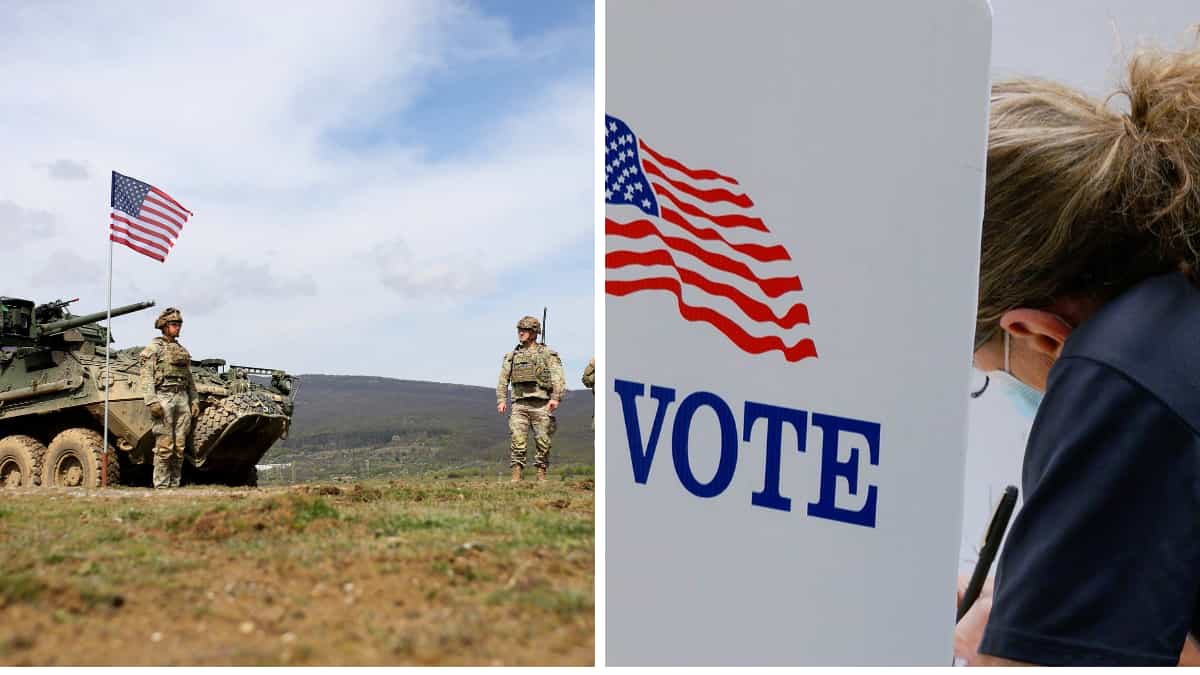
How to vote in US election if you're a service member on active duty?
If you're a member of the Uniformed Services ofthe United States (US), here is what you need to know when you cast your vote for the November 5 presidential election in the country.
The election is less than 10 days away and millions of voters across the country are waiting to exercise their franchise to choose who will be the next president – Donald Trump (Republican Party) or Kamala Harris (Democratic Party).

Also read |US presidential election 2024: What ID should you bring on polling day? A look at the guidelines
What isUOCAVA?
Members of the uniformed services on active duty and their spouses or other dependent family members are eligible to vote under the Uniformed and Overseas Citizens Absentee Voting Act (UOCAVA).
&imwidth=180&imheight=135&format=webp&quality=medium)
Brendan Taylor overtakes Andy Flower to become Zimbabwe’s leading ODI run-scorer
&im=FitAndFill=(700,400)&imwidth=180&imheight=135&format=webp&quality=medium)
What is the real meaning behind Pete Hegseth's tattoos?
&imwidth=180&imheight=135&format=webp&quality=medium)
Kenyan cult leader found guilty over starvation deaths of nearly 200 children
&imwidth=180&imheight=135&format=webp&quality=medium)
Flying car race: Alef Aeronautics welcomes Tesla Roadster '11 years' later, but are the two models the same?
&imwidth=180&imheight=135&format=webp&quality=medium)
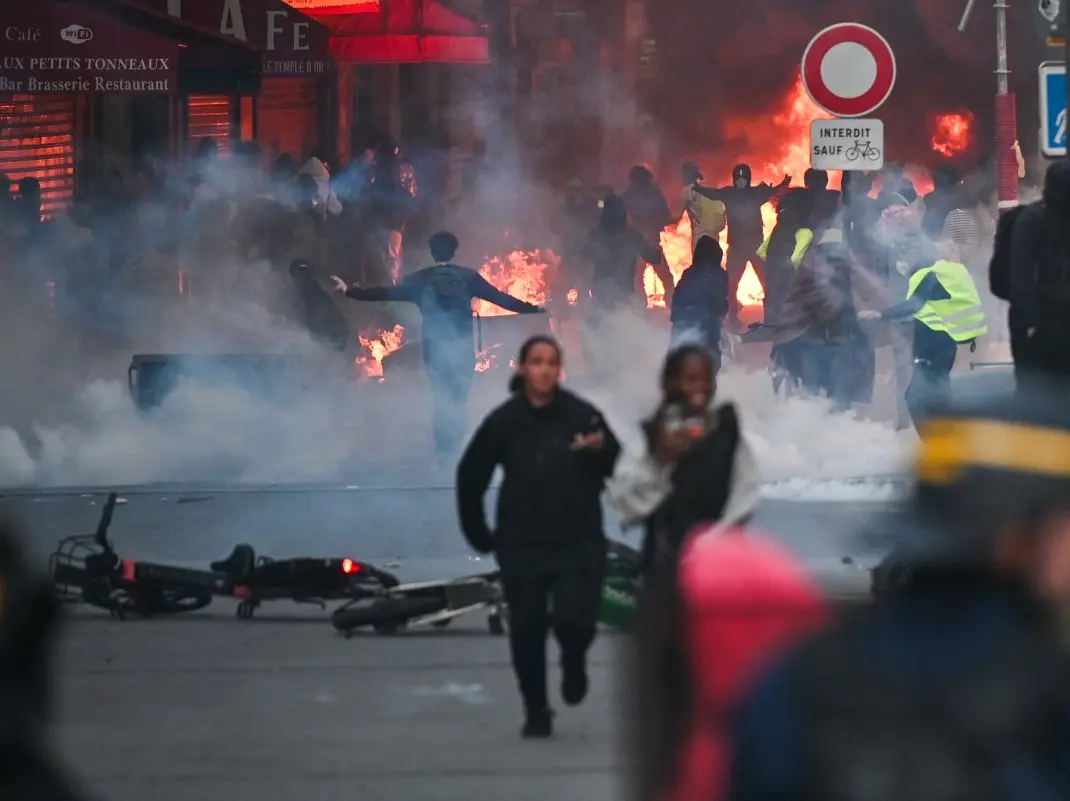
France is burning. Trump blames immigrants. But who is answering Europe's real questions? | The Verdict
&imwidth=180&imheight=135&format=webp&quality=medium)
Shastri backs Shami comeback; lauds Bhuvi and warns Bumrah on format workload ahead of World Cup
&imwidth=180&imheight=135&format=webp&quality=medium)
Netanyahu rival Benny Gantz quits Israel election race, vows to push for unity government
&imwidth=180&imheight=135&format=webp&quality=medium)
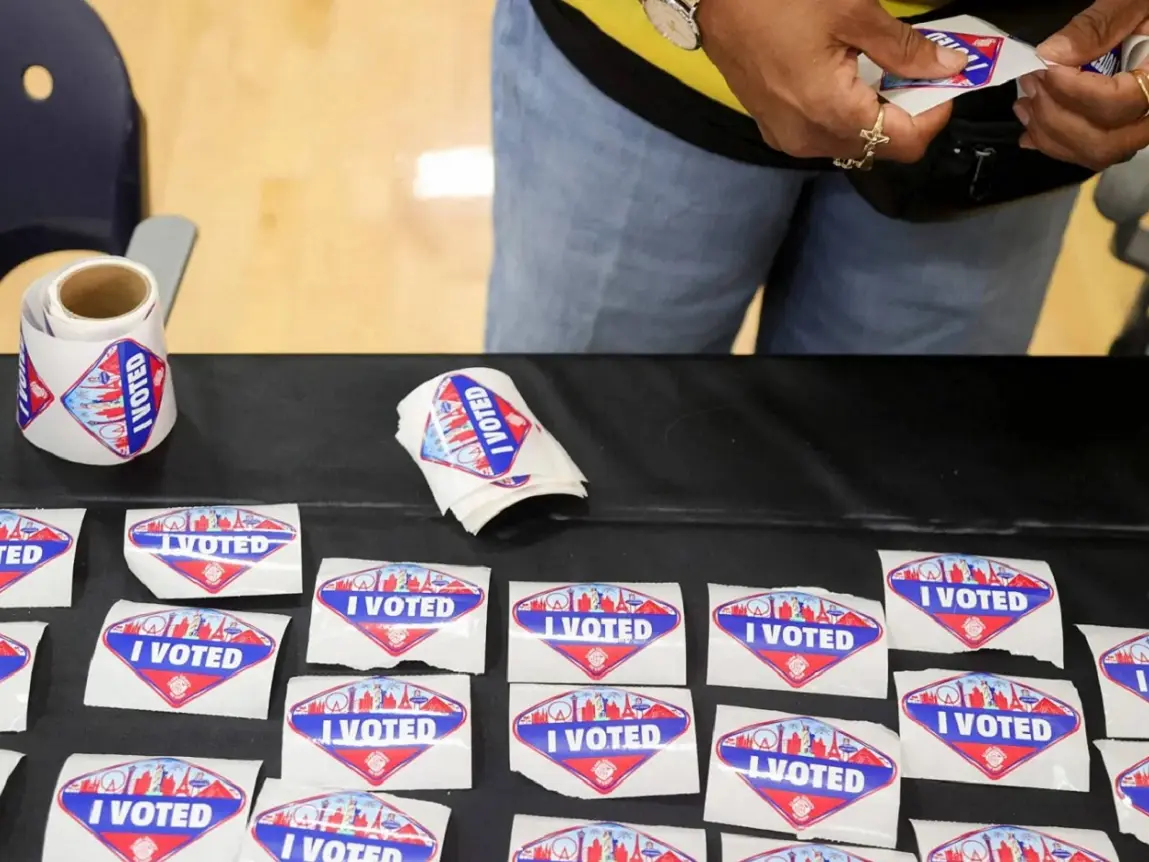
US Midterm 2026: What do opinion polls and prediction markets say less than two weeks before voting
&imwidth=180&imheight=135&format=webp&quality=medium)
WATCH | Albania protesters set Supreme Court on fire as anti-Rama riots escalate
&imwidth=180&imheight=135&format=webp&quality=medium)
Trump Commerce Secretary Howard Lutnick’s family fortune more than doubles to $7.3 billion, outpacing his boss
&im=FitAndFill=(700,400)&imwidth=180&imheight=135&format=webp&quality=medium)
Ghaziabad is world's fastest-growing city; Surat, Patna, Rajkot also feature on list
&imwidth=180&imheight=135&format=webp&quality=medium)
‘Spare India from anarchy’: Over 400 Indian-origin academics from MIT, Oxford condemn anti-CEC protests
&imwidth=180&imheight=135&format=webp&quality=medium)
WATCH | Japan launches historic mission to collect samples from Mars' moon Phobos
&imwidth=180&imheight=135&format=webp&quality=medium)
Pakistan betrays Iran, shuts border, trade as Trump moves towards new war
&imwidth=180&imheight=135&format=webp&quality=medium)
PCB omits Atherton, Hussain from tri-series commentary panel over Imran Khan interview row
&imwidth=180&imheight=135&format=webp&quality=medium)
US Congressman Raja Krishnamoorthi describes foiled temple attack as ‘divine intervention’, criticises Vance and MAGA rhetoric
&imwidth=180&imheight=135&format=webp&quality=medium)
Trump calls on New Mexico to become 'New America', claims 'home values and incomes would rise'
&imwidth=180&imheight=135&format=webp&quality=medium)
9/11 case: US Supreme Court rejects plea deal appeal by alleged mastermind Khalid Sheikh Mohammed
&imwidth=180&imheight=135&format=webp&quality=medium)
Girl 'dead' for 8 hours wakes up at her own funeral, dad insists she wasn't breathing
&imwidth=180&imheight=135&format=webp&quality=medium)
Pujara says 'Samson and Vaibhav cannot be in Playing XI' for India on NZ tour
&imwidth=180&imheight=135&format=webp&quality=medium)
One dead after shooting near mosque in Columbus, Ohio. Here's what we know so far
&imwidth=180&imheight=135&format=webp&quality=medium)
Watch: Trump predicts Netanyahu’s victory, says ‘You’re the man I want by my side’
&im=FitAndFill=(700,400)&imwidth=180&imheight=135&format=webp&quality=medium)
New OTT releases this week (October 19-25, 2026): Gajab Raat to Chaar Yaar-8 titles to watch during Dussehra week on Netflix, Prime Video and more
&imwidth=180&imheight=135&format=webp&quality=medium)
Baby orangutan rescued in India returns to Indonesia
&imwidth=180&imheight=135&format=webp&quality=medium)
India moves to buy 10,000 more AI chips for a national compute pool open to startups
&imwidth=180&imheight=135&format=webp&quality=medium)
'Whatever I can do to end this war': Trump floats China Summit with Putin and Xi, questions Zelensky's role in peace talks
&imwidth=180&imheight=135&format=webp&quality=medium)
WATCH | Viral video shows woman jogging past burning barricade amid Paris unrest, sparks online debate
&imwidth=180&imheight=135&format=webp&quality=medium)
'Paris is going to be a Muslim city very soon': Trump blames immigration for France unrest, urges Macron to tighten border policies
&imwidth=180&imheight=135&format=webp&quality=medium)
'We feel like Mr India': Gujarat’s undercover SHE team guard garba nights at Navratri
&imwidth=180&imheight=135&format=webp&quality=medium)
Cattle-feed bran in biscuits, detergent in milk: FSSAI acts against 3 companies
&imwidth=180&imheight=135&format=webp&quality=medium)
'It's a joy to see the makers bring it on such a grand scale': SS Rajamouli on Ramayana
&imwidth=180&imheight=135&format=webp&quality=medium)
Priest dies after crucifix falls on his head during livestreamed Mass in Ecuador | VIDEO
&imwidth=180&imheight=135&format=webp&quality=medium)
Ramayana advance booking: Ranbir Kapoor, Yash's film cross $500K ahead of Diwali release
&imwidth=180&imheight=135&format=webp&quality=medium)
US midterm elections 2026: Early voting picks up pace ahead of November 3 polls
"If you are on active duty in one of our nation’s uniformed services or if you are the spouse or dependent of an active-duty service member, and if you are absent, because of your service or your spouse’s or parent’s service, from the place of your domicile, you are eligible to vote by absentee ballot under the UOCAVA," according to the Overseas Vote Foundation.
The UOCAVA requires that the states and territories allow certain groups of citizens to register and vote absentee in elections for federal offices. In addition, most states and territories have laws allowing citizens covered by UOCAVA to register and vote absentee in state and local elections as well.
How to apply for an absentee ballot for the election?
You should use the Federal Post Card Application (FPCA) to make a simultaneous voter registration application and absentee ballot request, the Overseas Vote Foundation states on its website.
> Fill out the FPCA and send it to your election office.
> Check your voter registration deadline for the election based on your state. According to the Federal Voting Assistance Program (FVAP), it had been suggested to send the FPCA by August 1.
>Your voting residence (the USstate or territory where you are registering to vote) is likely your legal residence. Click on this link to determine your voting residence. "Using the FPCA ensures that your state will send your ballot to you at least 45 days before the election," the FVAP states.
> For the presidential election, service members on active duty and their kin should have received their ballot by early October.
> According to the FVAP, the recommended vote days for the presidential election are – October 1 (for service members on a ship at sea); October 24 (for service members outside the US); and October 31 (for service members at stateside).
>If you requested your ballot but haven't received it, contact your election office to ask about the ballot request.
> If there isn't enough time to receive and send back your ballot before the election, use the Federal Write-In Absentee Ballot (FWAB). Click on the link to learn more
> The FWAB works like a backup ballot.If your official absentee ballot arrives after sending in the FWAB, fill out and send in the official ballot too. Only one will be counted, the FVAP states.
What happens once you submit your FPCA?
Once you have submitted your FPCA, an election official will send you (by mail)an unmarked absentee ballot, a set of instructions, an inner envelope, and an outer envelope.
Here comes the important part–read and follow the instructions carefully and comply with the requirements of the double-envelope system.
> You should mark your ballot in secret and then place the marked ballot in the inner envelope. The inner envelope should have no identifying markings.
> You then seal the inner envelope,place it in the outer envelope and seal the outer envelope.
> On the back of the outer envelope, which is addressed to the election official, you must complete the affidavit and include your identifying information.
> Then you transmit the sealed outer envelope back to the election official.