US judge blocks Trump administration's new international student restrictions rule

&imwidth=600&imheight=450&format=webp&quality=medium "US judge blocks Trump administration's new international student restrictions rule")
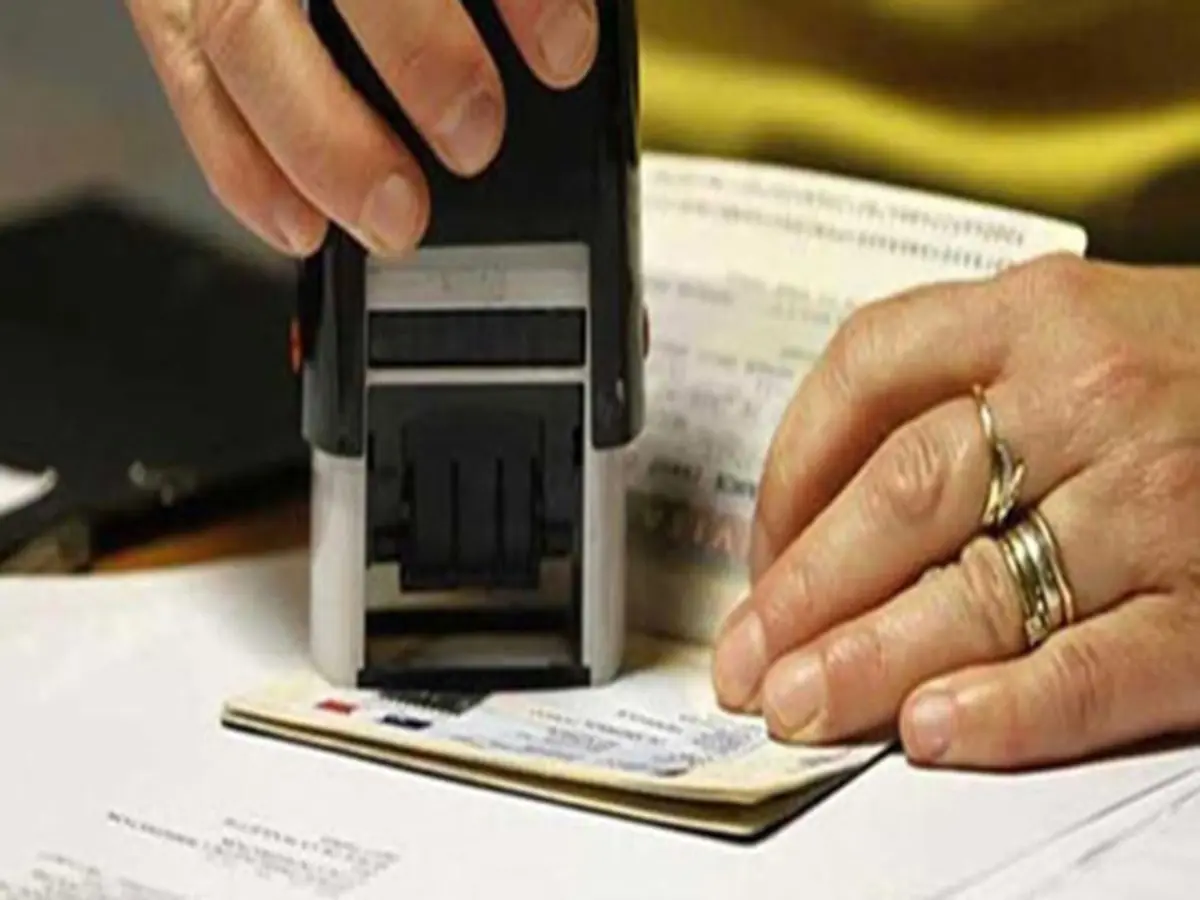
Representative Image
The agency had cited national security and the need to prevent fraud in the visa program as reasons for adopting the policy which was rejected by Saylor, as having "exceptionally weak" rationales.
The Department of Homeland Security’s rule of limiting how long international students can stay in the country was blocked by a federal judge on Monday. The US District Judge F Dennis Saylor in Boston postponed the rule as part of a lawsuit by a coalition of unions and higher education advocacy groups challenging the policy which was going to come into effect on Tuesday (Sept 15).
The agency had cited national security and the need to prevent fraud in the visa program as reasons for adopting the policy which was rejected by Saylor, who said the policy was based on "exceptionally weak" rationales.
Saylor, an appointee of Republican President George W Bush in his ruling said the policy upended a system through which the US for several years had issued visas to foreign students for their "duration of status."
ALSO READ: US weapons stockpiles, military bases hit in Iran war, shortfall of munitions: US watchdog report
The existing system, has let foreign students and researchers come to the US and do some "groundbreaking research in science, medicine, and technology, substantial economic growth, and a host of other benefits, often on a vast scale," Saylor further said.
"The damage to the higher education system and to the economy of the United States is likely to be catastrophic," he wrote in his ruling.
Trending Stories
)
)
)
)
)
)
)
)
)
)
&im=FitAndFill=(700,400))
)
)
)
&im=FitAndFill=(700,400))
)
&im=FitAndFill=(700,400))
)
)
)
)
)
&im=FitAndFill=(700,400))
)
)
)
)
)
)
)
)
)
)
)
)
)
)
)
)
)
The ruling by Saylor was criticised by DHS General Counsel James Percival, who said "Come on a student visa, take one class per semester, and stay here for decades."
According to the current policy, F visas for international students and J visas that allows visitors on cultural exchange programs to work in the U.S. would be capped at four years, while I visas for journalists, which currently can last years, would be up to 240 days.
