

&imwidth=800&imheight=600&format=webp&quality=medium "US extends Russian oil sanctions waiver despite Scott Bessent's pledge not to. What does it mean for India?")
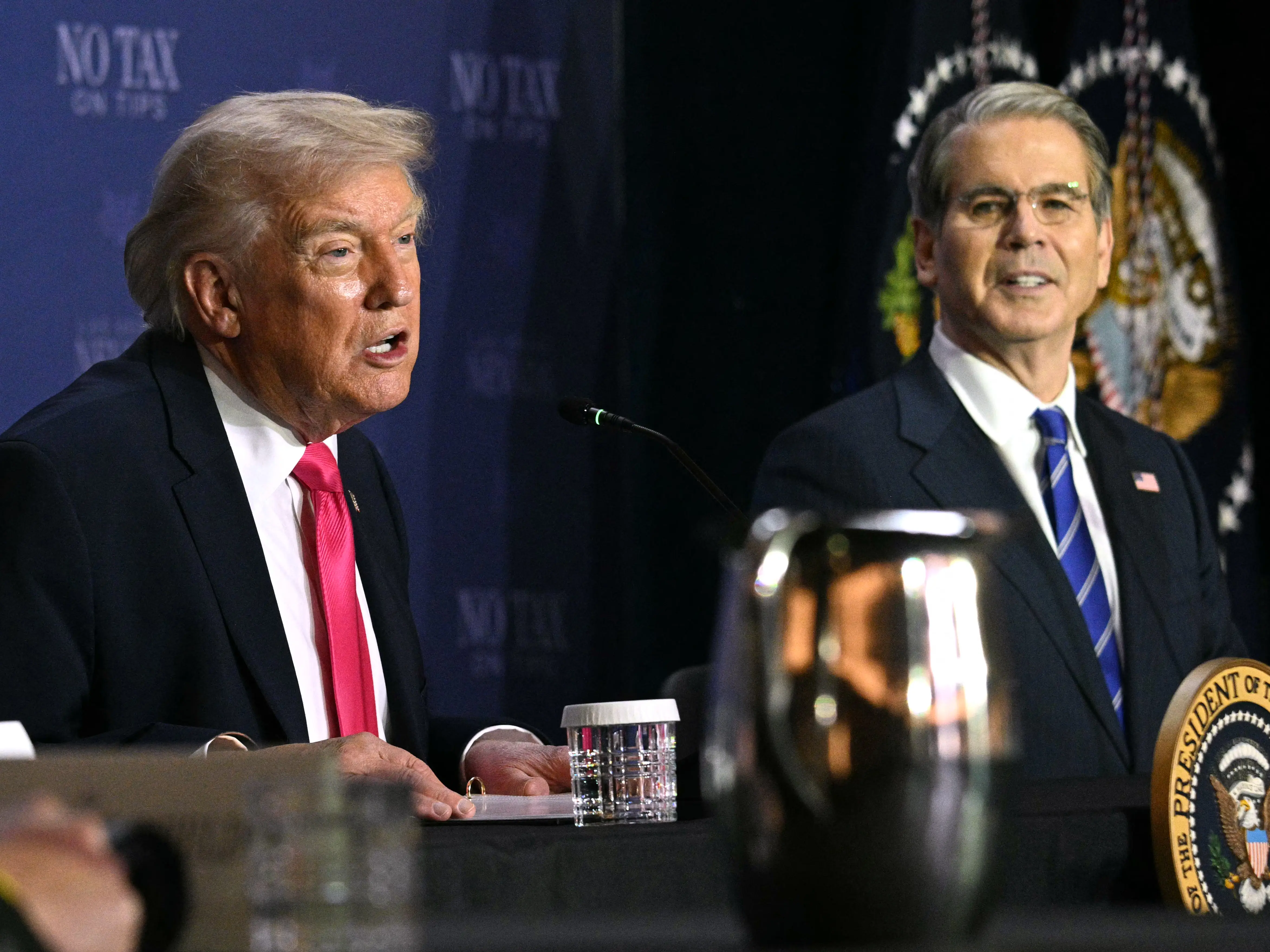
The Trump administration quietly reversed course on Friday (Apr 17), issuing a second month-long sanctions waiver allowing the purchase of Russian crude oil and petroleum products currently at sea. This comes just two days after Treasury Secretary Scott Bessent told reporters the US would not be extending the measure. How would this waiver benefit India, which imports around 38 and 40 per cent of its total crude imports from Moscow? All you need to know.
US extends sanction waiver on Russian oil
The Treasury Department has issued a month-long sanctions waiver for Russian oil. It covers oil already loaded onto vessels as of April 17 and permits purchases through 12:01 AM on May 16. This waiver is the second of its kind in recent days. It mirrors a previous waiver that expired on April 11, which was designed to cushion global energy markets from the supply shock caused by Iran's effective closure of the Strait of Hormuz following the US-Israel military campaign that began on February 28.
Didn't Bessent say no more waivers on Russian oil?
United States' reversal is notable both for its timing and its political awkwardness. Bessent had been unambiguous on Wednesday (Apr 15), saying Washington would not renew the waiver for either Russian or Iranian oil. "We will not be renewing the general license on Russian oil, and we will not be renewing the general license on Iranian oil. That was oil that was on the water prior to March 11. So all that has been used," Bessent said at a White House briefing.
The administration's U-turn two days later suggests that energy market pressures, and their domestic political consequences ultimately overrode the harder line. US gasoline prices have risen sharply since the conflict began, adding pressure on households ahead of the midterm elections later this year.
Trending Stories
&imwidth=180&imheight=135&format=webp&quality=medium)
Viral video shows cross falling on Colombia priest, no official confirmation | WATCH
&imwidth=180&imheight=135&format=webp&quality=medium)
France reports first human case of livestock virus Shamonda, patient dies; what we know so far
&imwidth=180&imheight=135&format=webp&quality=medium)
Trump called Musk to lift Starlink restrictions affecting Ukraine's military operation: Report
&imwidth=180&imheight=135&format=webp&quality=medium)
Two BrahMos missiles on Tejas, triple the range and 100% indigenisation, says former BrahMos CEO
&imwidth=180&imheight=135&format=webp&quality=medium)
Ilhan Omar breaks silence over alleged marriage to her brother; Trump thinks it's 'really good answer'
&imwidth=180&imheight=135&format=webp&quality=medium)
India-China face-off continues near Arunachal’s Taksing, reveals ITBP chief in first official confirmation of tensions
&imwidth=180&imheight=135&format=webp&quality=medium)
Netanyahu dials PM Modi, invites him and Capt Smit Machchhar to light torch on Israel’s Independence Day
&imwidth=180&imheight=135&format=webp&quality=medium)
WATCH: Trump demands Ilhan Omar removal from Congress for 'using fake name to be sworn in'. So what is her real name?
&imwidth=180&imheight=135&format=webp&quality=medium)
Iran to invade neighbours soon, Israeli jets in action, American troops ready to strike any moment
&imwidth=180&imheight=135&format=webp&quality=medium)
Christa Pike's failed execution: Tennessee team struggled to insert IV lines, lawyer says
&imwidth=180&imheight=135&format=webp&quality=medium)
US midterms 2026: US Supreme Court allows New Hampshire to restrict student IDs for voting
&imwidth=180&imheight=135&format=webp&quality=medium)
A secret code, a midnight escape and 300 deaths: The Russian officer who turned on Putin
&imwidth=180&imheight=135&format=webp&quality=medium)
Trump ordered to answer questions under oath in BBC defamation lawsuit by December 11
&imwidth=180&imheight=135&format=webp&quality=medium)
Putin says Russia is ready to resume Ukraine-US peace talks but rejects 'short ceasefire' amid deadly attacks
&imwidth=180&imheight=135&format=webp&quality=medium)
From Agni-V to Project Kusha: How are India’s indigenous missile systems and defence shield reshaping modern warfare
&imwidth=180&imheight=135&format=webp&quality=medium)
'It's a crime not to see this scene': Tehran puts Trump 'behind bars'
&imwidth=180&imheight=135&format=webp&quality=medium)
What is the ‘heat ray’ weapon? Pete Hegseth reportedly authorises DHS to test it at US-Mexico border
&imwidth=180&imheight=135&format=webp&quality=medium)
China's dancing robot turns violent bodyguard, lifts cars and fights intruders - Watch
&imwidth=180&imheight=135&format=webp&quality=medium)
Watch: India rejects ‘imprecise and unsupported’ references in UN migrant rights report
&imwidth=180&imheight=135&format=webp&quality=medium)
US to get 850 F-35 stealth fighter jets under 10-year Pentagon-Lockheed deal
&imwidth=180&imheight=135&format=webp&quality=medium)
GRAVITAS | Putin fires nuclear-capable hypersonic missiles, Zelensky ready to surrender 25% territory
&im=FitAndFill=(700,400)&imwidth=180&imheight=135&format=webp&quality=medium)
New Friday OTT releases (October 23, 2026): Gajab Raat, Dorothy, Chaar Yaar- Watch these 6 new movies and TV shows on Netflix, Prime Video and more
&imwidth=180&imheight=135&format=webp&quality=medium)
'That was great, who threw that punch?': Trump asks as protester punched at rally
&im=FitAndFill=(700,400)&imwidth=180&imheight=135&format=webp&quality=medium)
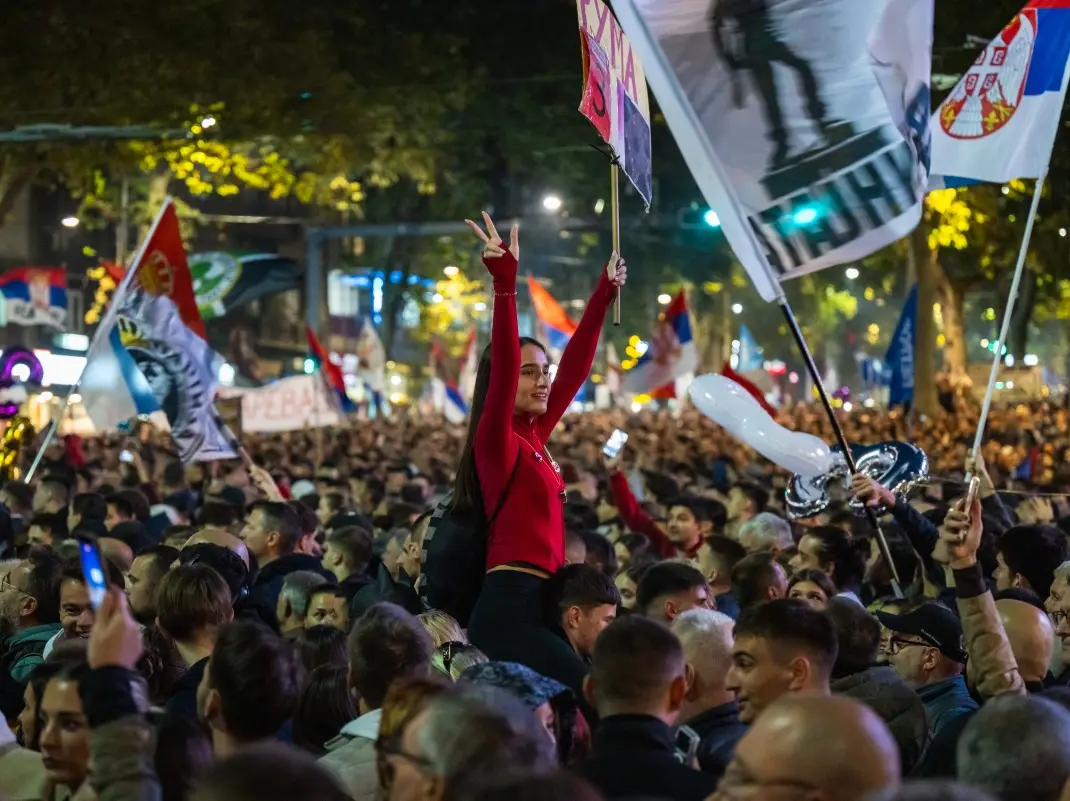
Serbia elections: Nearly 150,000 people take to streets in massive rally against Aleksandar Vucic | In pics
&imwidth=180&imheight=135&format=webp&quality=medium)
'This is despicable': Amy Acton hits back at Vivek Ramaswamy over Ohio campaign ad featuring her estranged mother
&imwidth=180&imheight=135&format=webp&quality=medium)
Finance influencer dies by suicide in Chennai; father accuses tech CEO, who denies charge
&imwidth=180&imheight=135&format=webp&quality=medium)
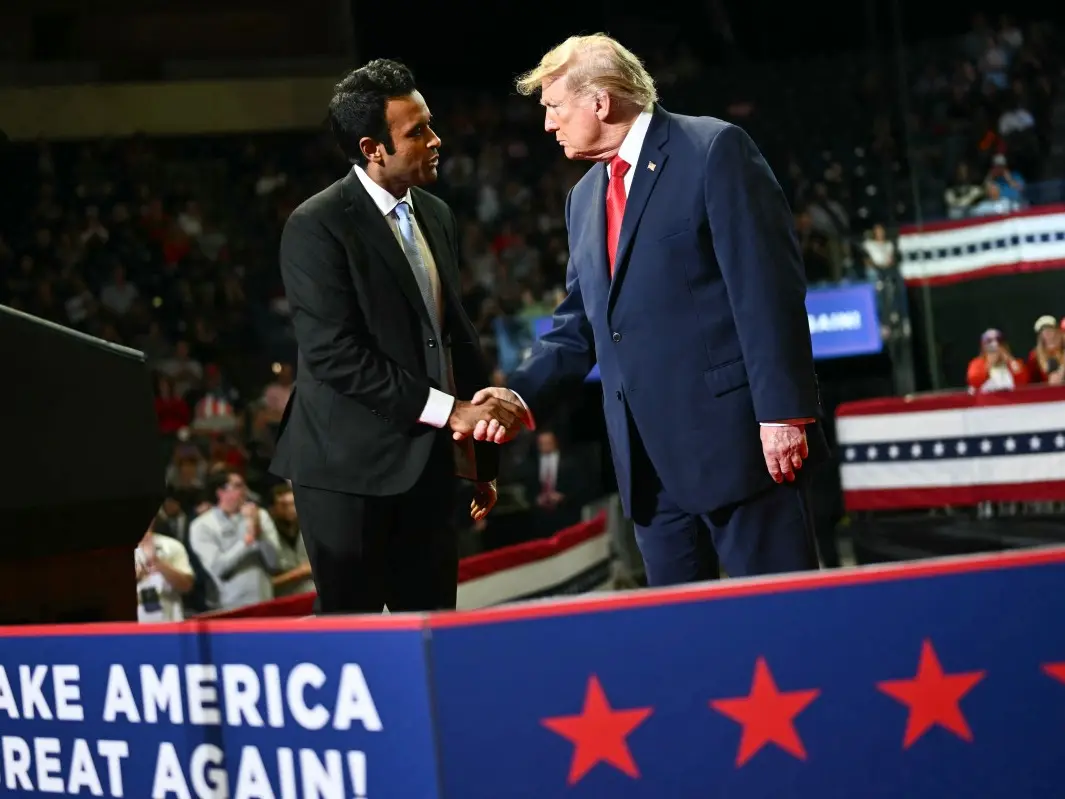
'Vivek should keep it up': Trump defends Ramaswamy's controversial campaign ad targeting Amy Acton
&imwidth=180&imheight=135&format=webp&quality=medium)
One man, 8 months of work, and a river dirty again: Why Bittu Tabahi may quit
&imwidth=180&imheight=135&format=webp&quality=medium)
US midterms 2026: Elon Musk’s political spending hits $445 million as Republicans battle to retain Senate control
&imwidth=180&imheight=135&format=webp&quality=medium)
ENG vs SL: Harry Brook breaks Shubman Gill’s record for fastest ODI double century
&imwidth=180&imheight=135&format=webp&quality=medium)
ENG vs SL: Harry Brook’s 202 goes in vain as Sri Lanka pull off second-highest ODI chase
&imwidth=180&imheight=135&format=webp&quality=medium)
Saudi Arabia targeted yacht carrying 14 Indians in Red Sea, rescue underway, Houthis claim
Waiver only for oil already at sea
Notably, the waiver applies only to oil already in transit and is not intended to encourage new transactions.
What it means for India
For India, the waiver's extension provides short-term relief, though New Delhi previously made clear it doesn't consider US sanctions policy determinative of its own energy decisions.
Russia currently supplies between 38 and 40 per cent of India's total crude imports, averaging roughly 1.57 to 1.98 million barrels per day in early 2026. India depends on imports to meet over 88 per cent of its energy requirements, and with Iranian oil effectively off the table due to longstanding sanctions, Russia and the broader West Asian region are its primary alternatives, both of which have been disrupted by the current conflict.
When the first waiver expired on April 11, Indian refineries signalled they would continue purchasing Russian crude regardless of the US position. An official cited by Mint said, "Efforts are on for further LPG purchases from Russia. Also, import of both crude and LPG is likely to continue from non-sanctioned entities." The official described India's energy import strategy as a sovereign decision that does not hinge on US sanctions policy.
Disclaimer: WION takes utmost care to accurately and responsibly report ongoing conflicts in West Asia involving Israel, Iran, US, Gulf nations and non-state actors like Hezbollah, Hamas, Houthis, Islamic State, and others. Claims and counterclaims, disinformation and misinformation are being made online and offline. Given this context, WION cannot independently verify the authenticity of all statements, social media posts, photos and videos.

