Ukraine's robot army: How Kyiv used ground-based robots to execute 100+ combat operations against Russia | In Pics

Over 100 robotic assault operations. Zero infantry required: Ukraine has moved from testing robotic warfare to actually using it at scale. A unit in its 3rd Assault Brigade has carried out over 100 frontline combat missions using ground robots, not soldiers. All you need to know.
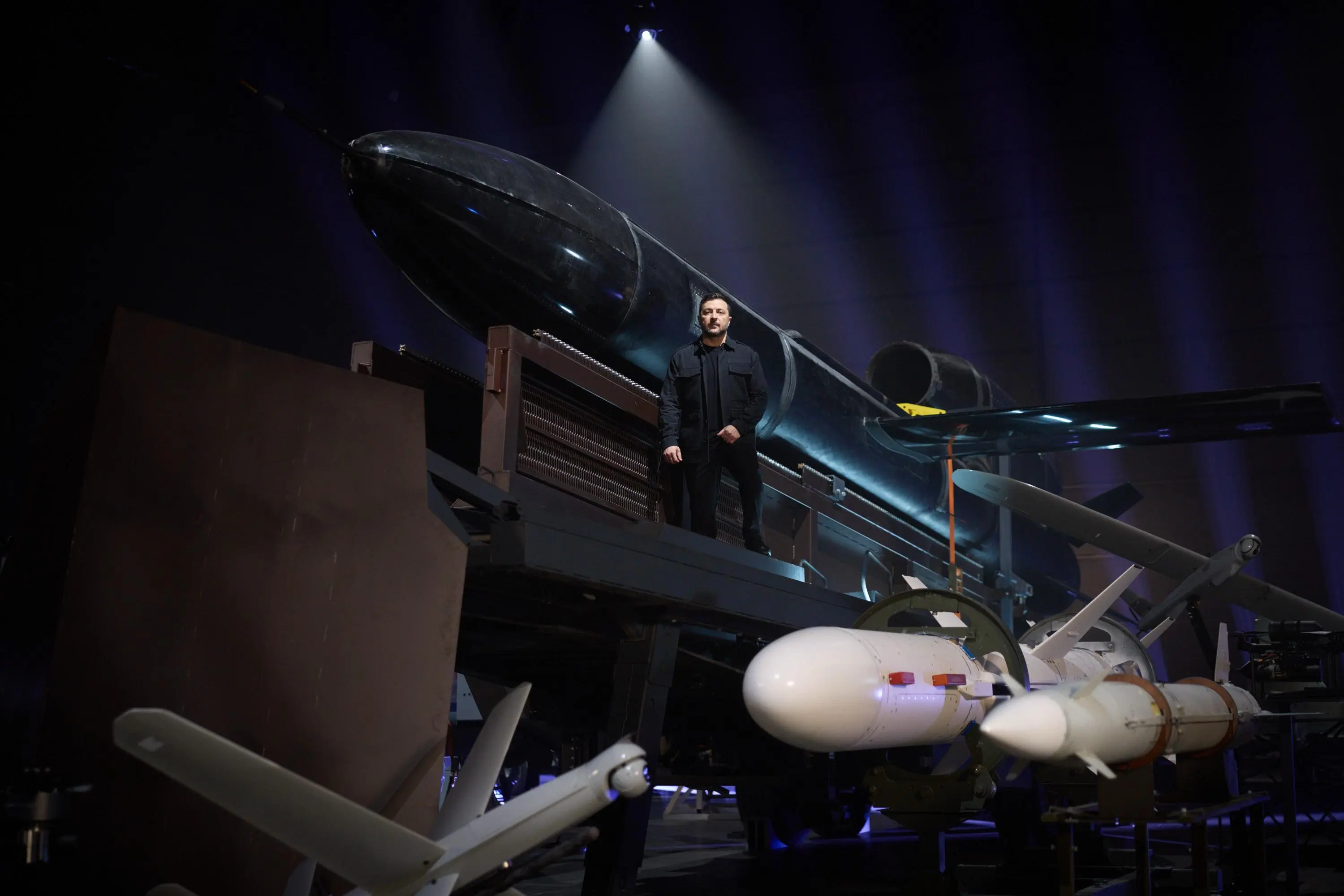
AUkraine Unleashes a New Kind of Warfare
Ukraine has quietly crossed a threshold that military analysts have been anticipating for years. The NC-13 company, a specialised robotic warfare unit within Ukraine's 3rd Assault Brigade, has now carried out more than 100 combat operations using ground-based robots on the front line.
"In total, there have already been over 100 such operations," a NC-13 company source told AFP.
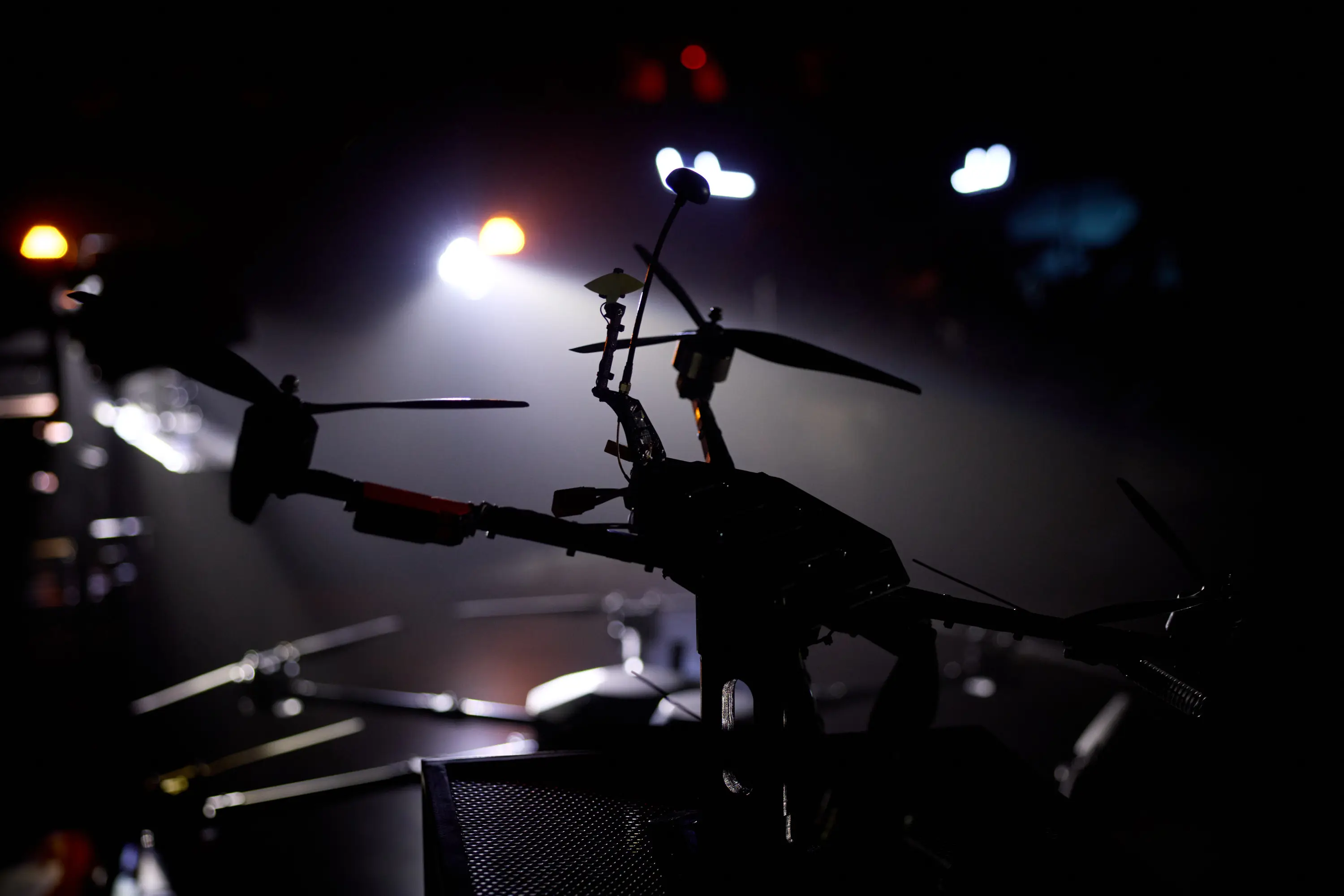
Experimental Warfare?
These aren't experiments or proof-of-concept trials anymore. "These are no longer isolated incidents, but systematic combat operations," reports the news agency, citing its source which chose to stay anonymous.
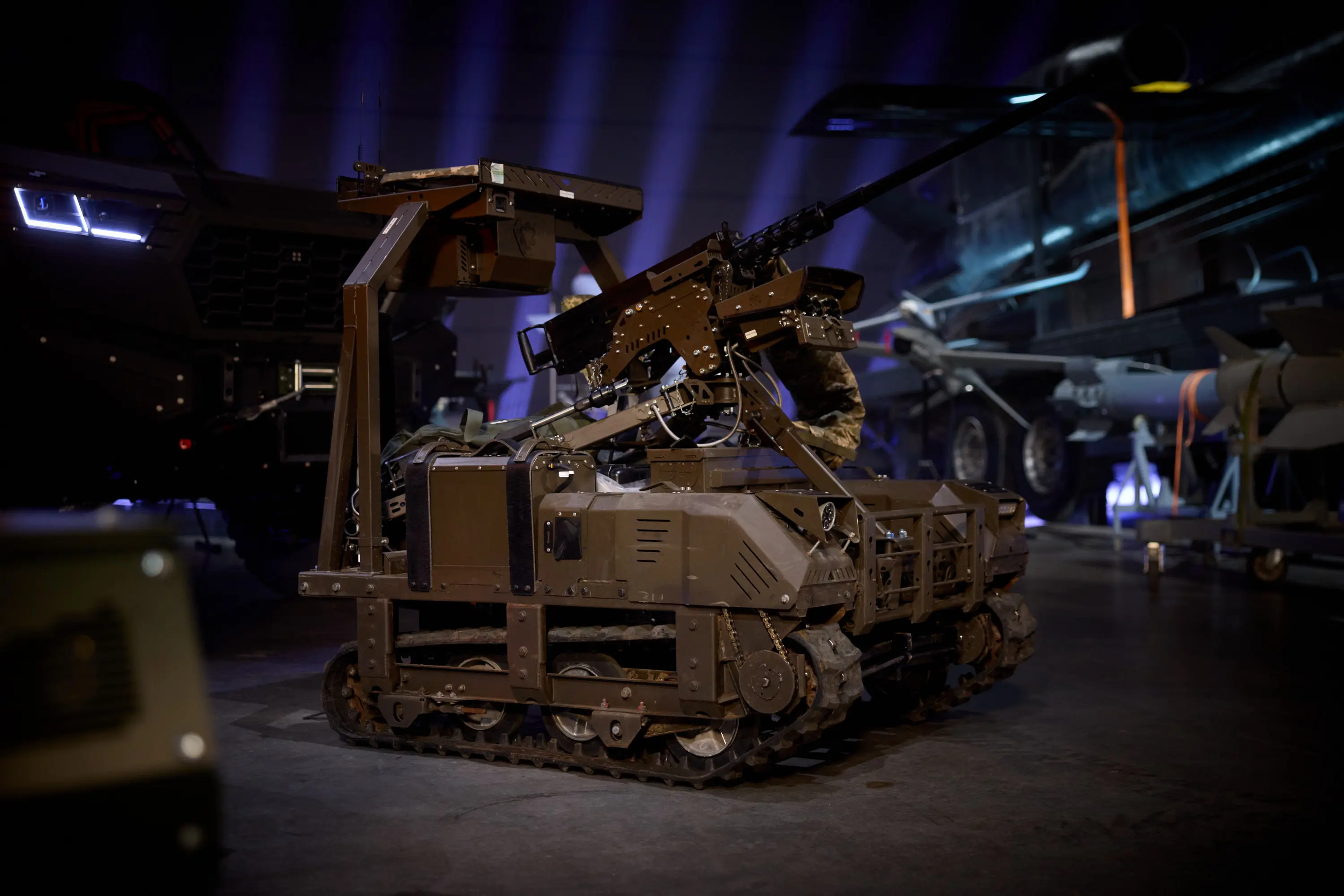
'Future is already on the front line': Zelensky
On X, President Volodymyr Zelensky confirmed this week that robots, both aerial and ground-based, had directly enabled the capture of a Russian position.
"The future is already on the front line – and Ukraine is building it. These are our ground robotic systems. For the first time in the history of this war, an enemy position was taken exclusively by unmanned platforms – ground systems and drones. The occupiers surrendered, and the operation was carried out without infantry and without losses on our side," he said.
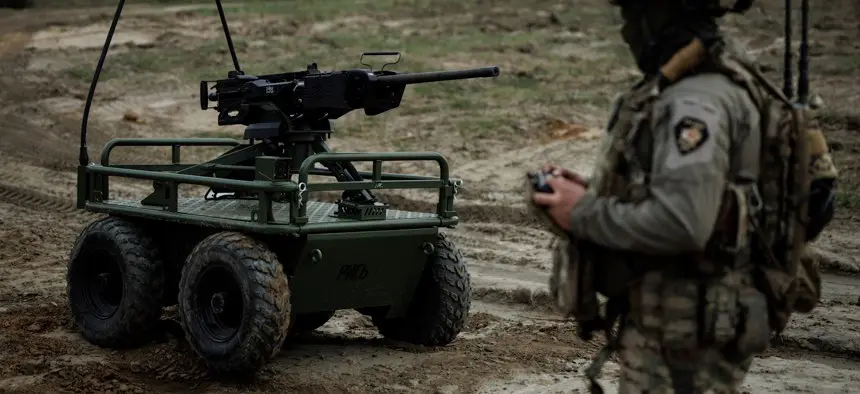
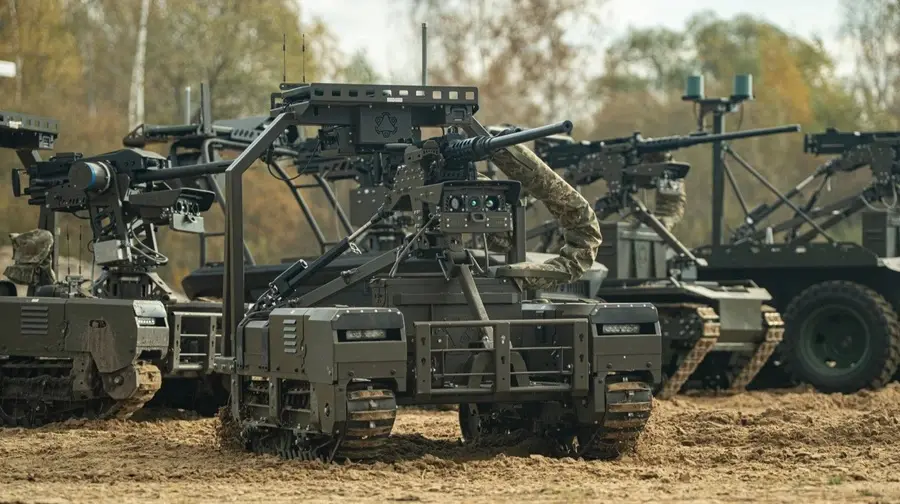
“Ratel, TerMIT, Ardal, Rys, Zmiy, Protector, Volia, and our other ground robotic systems have already carried out more than 22,000 missions on the front in just three months. In other words, lives were saved more than 22,000 times when a robot went into the most dangerous areas instead of a warrior. This is about high technology protecting the highest value – human life.”
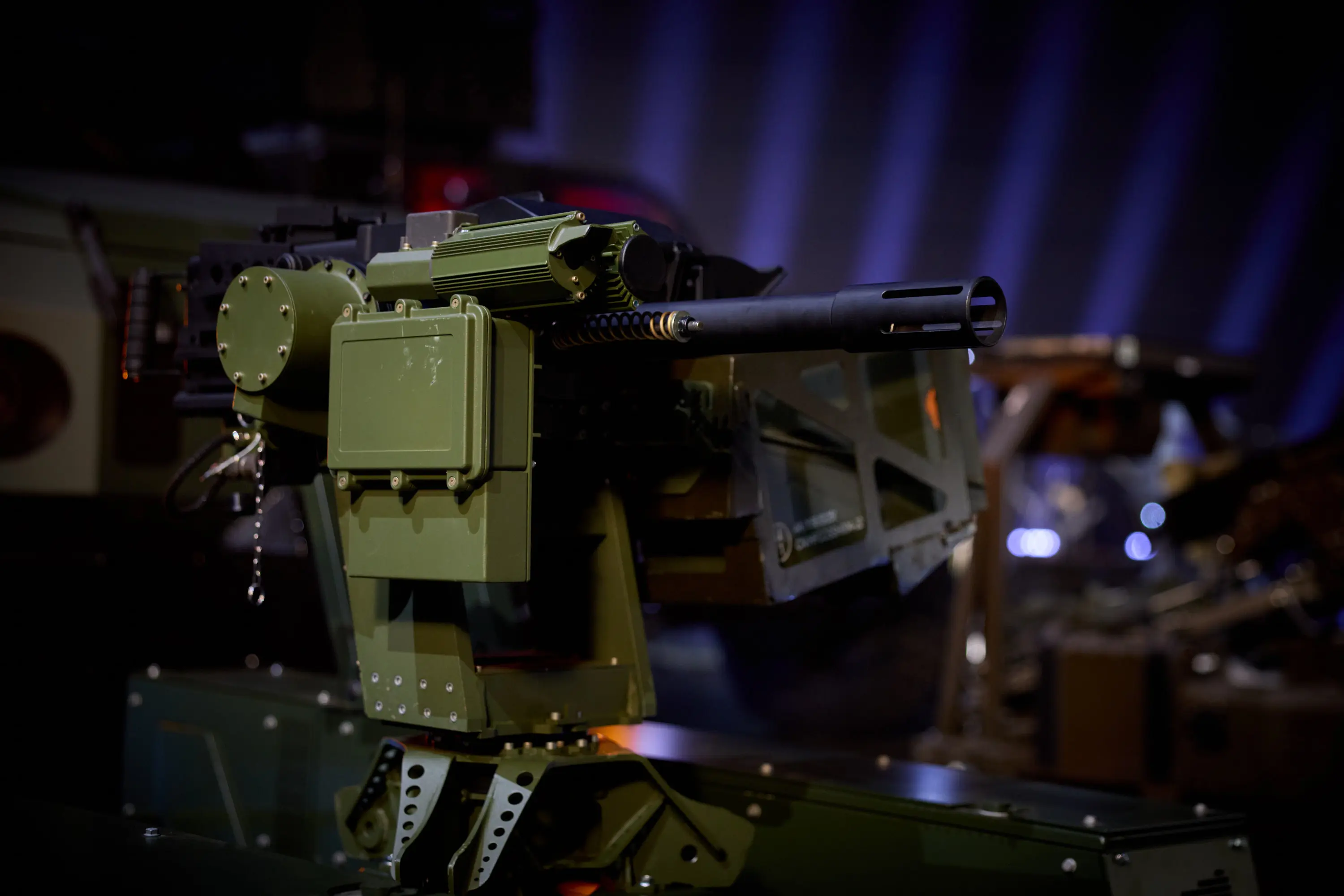
What the Robots Actually Do
The ground systems serve multiple functions that previously required putting soldiers in harm's way. They eliminate enemy personnel, destroy shelters and command posts, detect and engage targets, and block enemy infiltrations, reported AFP. In full-scale operations, Ukraine is now deploying five to six ground-based kamikaze robotic systems simultaneously, alongside robots fitted with combat modules. "This approach effectively replaces an assault infantry group, minimising risks to personnel," the NC-13 source said.
When did Ukraine first use robot warfare?
The first robotic assault took place in the summer of 2025, according to Ukraine's 3rd Assault Brigade in a statement on Wednesday.
According to the brigade, the circumstances that led to it were grim. Ukrainian infantry had twice attempted to storm a fortified Russian position on the front line. Both assaults failed. Soldiers died. Command then made the decision to send in four ground drones instead, each carrying 30 kilograms of explosives, remotely controlled from a safe distance. What happened next would become a landmark moment in military history.
The Moment That Changed Everything: 'First robotic assault to take prisoners'
The first drone detonated at the entrance to the Russian position. The soldiers inside took cover. The second robot drove directly up to the bunker and stopped at the entrance. At that point, the remaining Russian troops made a calculation — and surrendered. They wrote their intention on a piece of cardboard. "The first system blew up the entrance — the enemy took cover inside. The second GRS drove up to the bunker and stopped at the entrance. The remaining occupiers realised their position was hopeless," the brigade said in a statement. No Ukrainian infantry were involved in taking the position or the prisoners. It was, the brigade noted, "the first robotic assault on enemy positions in the world to take prisoners without the involvement of infantry."
)
)
)
)
)