US congressional study urges sanctions on China over 'crimes against humanity'

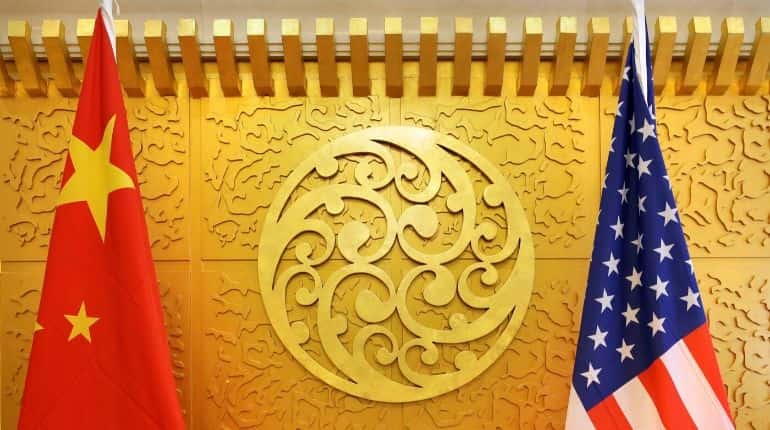
Chinese and US flags
AUScongressionalreport released on Wednesday called forsanctionsagainstChinaoverhuman rights abuses, and forUSofficials to keep rights concerns in mind during dealings with Beijing, including trade negotiations.
The annual human rights report from theCongressional-Executive Commission onChinasaid human rights and rule of law conditions worsened inChinafrom August 2018 to August 2019, the period studied.
The report detailedChina's crackdown on religious minorities, labor activists and the press, and focused extensively on the treatment of the minority Muslim Uighur population in Xinjiang, "where the Commission believes Chinese authorities may be committing crimesagainsthumanity."

"In addition, the Administration should develop talking points forUSGovernment officials including those engaged in trade negotiations that consistently link freedoms of press, speech, and association to the USand Chinese interests," the report said.
It was only the latest salvo from WashingtonoverChina's human rights record, particularly the treatment of Uighur Muslims in the northwestern Xinjiang region, where at least a million people have been detained in what is seen by many in the West as a grave abuse of human rights and religious freedom.Chinarejects the charges.
The Commission is led by Democratic Representative Jim McGovern and Republican Senator Marco Rubio.
)
Trump says Russia has ‘lost control’ of its diesel industry, calls for end to ‘ridiculous, never-ending’ war
)
Asian Games: Indian women's hockey team thrash Indonesia 17-1, blasts 36 goals in 2 matches
)
Putin's United Russia party wins 355 seats in Duma election; 4 other parties cross threshold to enter parliament
)
AI kill switch explained: Why shutting down a dangerous AI may not be as simple as pressing a button
)
Delhi Air pollution: Strict crackdown on waste burning
)
‘0% chance’: Nvidia CEO Jensen Huang dismisses AI extinction fears by 2030
)
Samay Raina-Mukesh Chhabra controversy explained: What happened over girlfriend joke on India's Got Latent?
)
Four decades after leaving Kolkata, the Birlas may be coming back for more
)
Apple reportedly building AI server with M8 Ultra chips, may use Nvidia technology
)
BTS' fans question iHeartRadio’s treatment of group after brief festival set
)
Glitch in the matrix caught on camera: Woman vanishes after talking to reporter
)
IIT Bombay tensions ease after three-hour open house; director’s assurances pacify students
)
Samsung raises Galaxy S26 prices by Rs 20,000: Here’s what each model now costs
)
J&K Assembly Session begins amid chaos: BJP, ruling alliance clash as statehood demand dominates
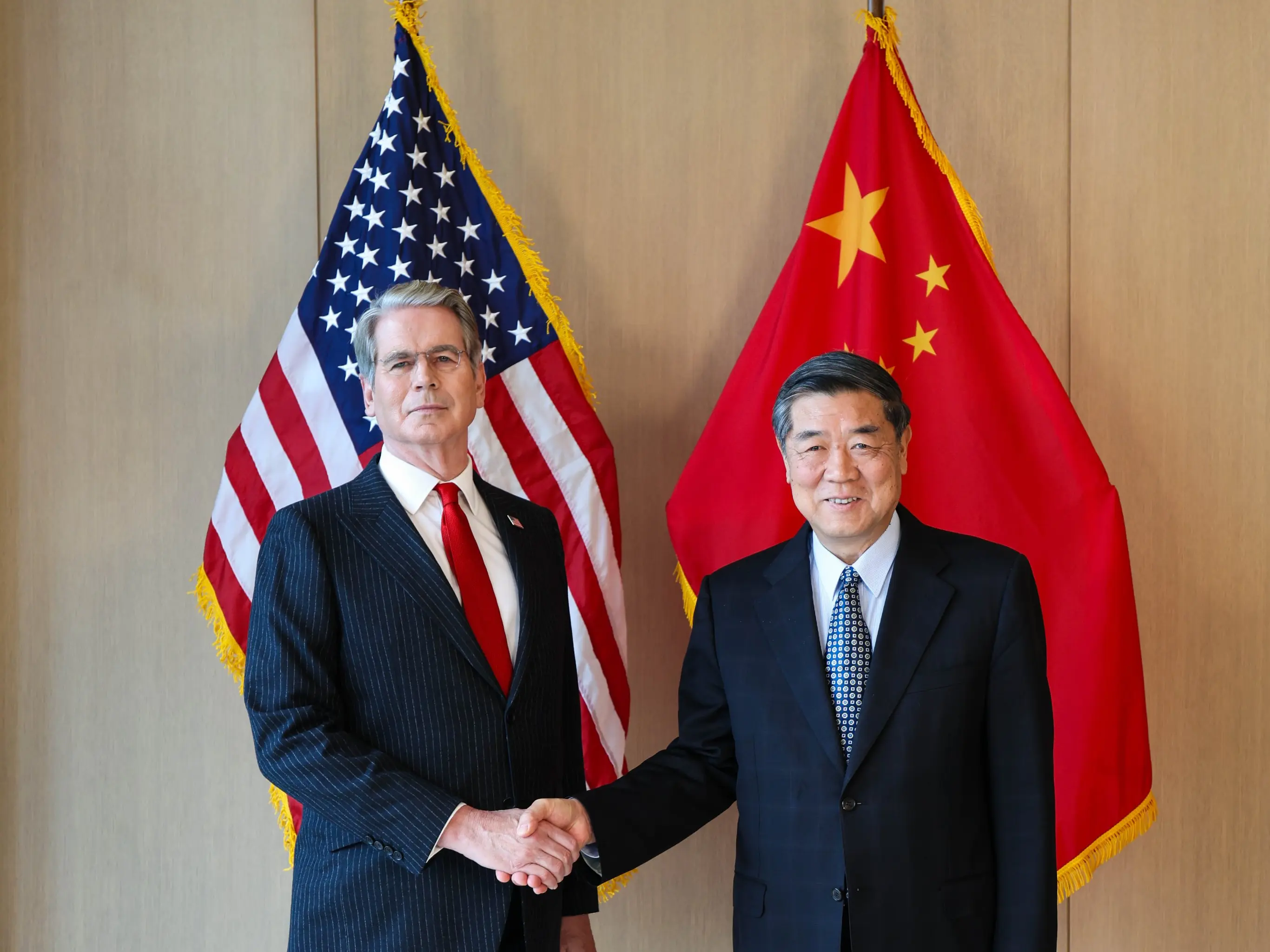)
Bessent meets China’s He Lifeng to prepare for Trump-Xi summit
)
Four Hands, Two Sonatas ep (5-8) review: Song Kang Lee, Jun Young elevate the emotional stakes after a tragic turn
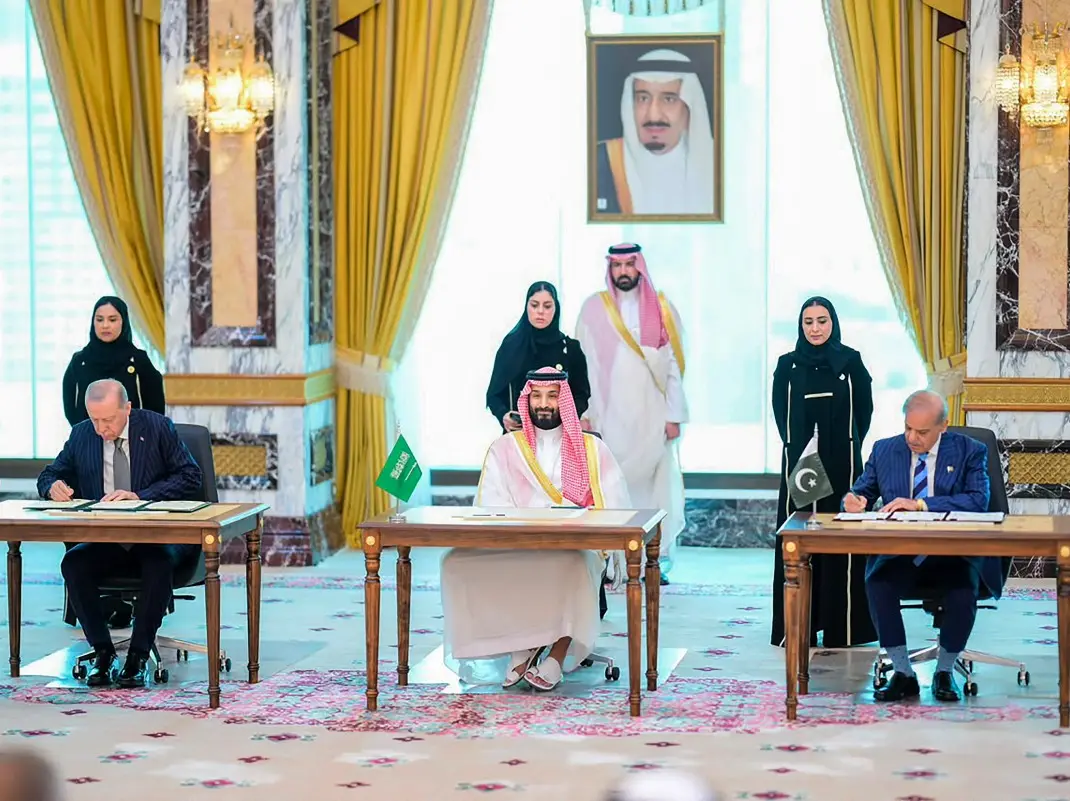)
The Verdict | The Mecca Agreement is under scrutiny as Houthis attack Saudis
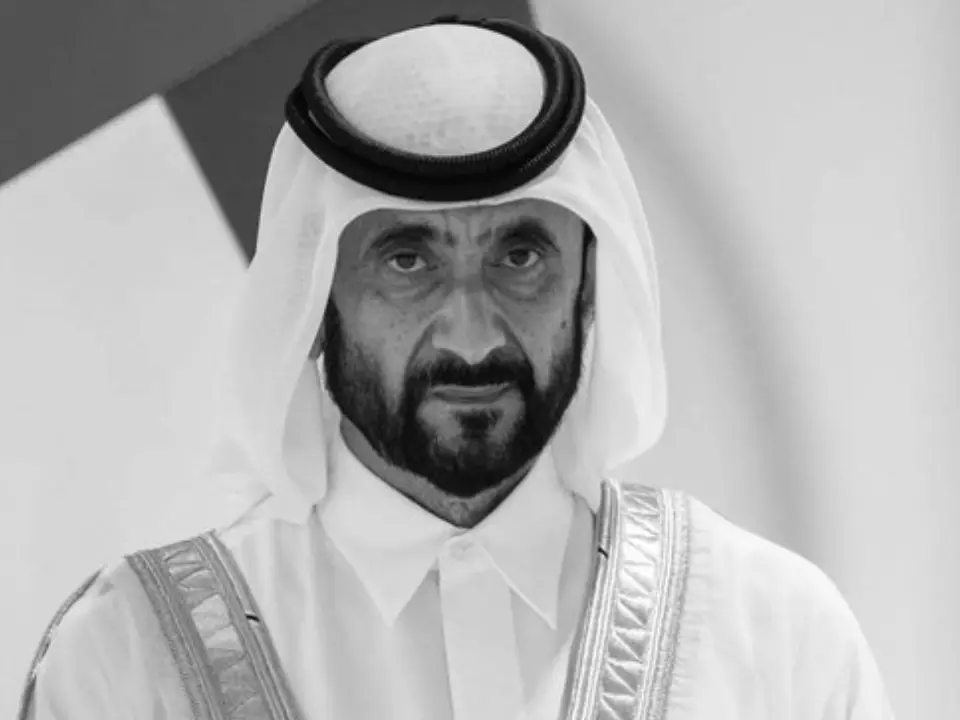)
Who was Sheikh Ahmed bin Rashid Al Maktoum? From Dubai Royal family to police, sports and racing
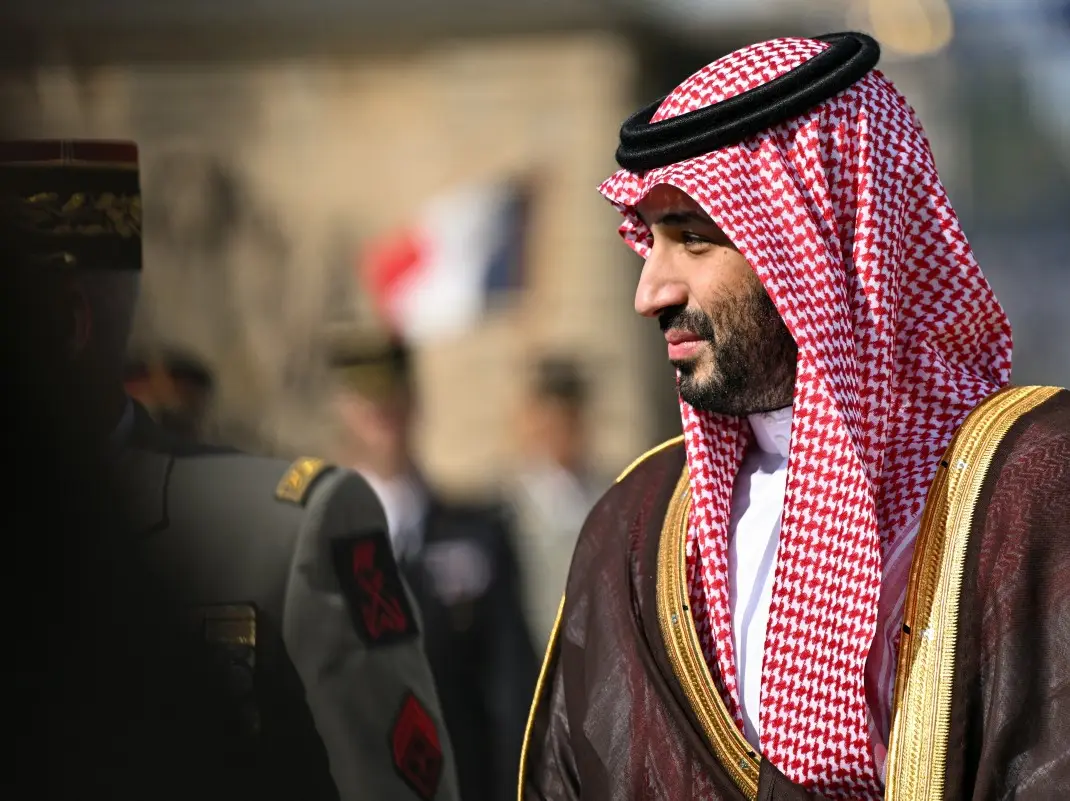)
Saudi Arabia exits China-led mBridge digital currency platform amid Saudi-Houthi conflict
)
Maharashtra TET paper leak: Chargesheet reveals papers smuggled in shoe insoles for Rs 8,000
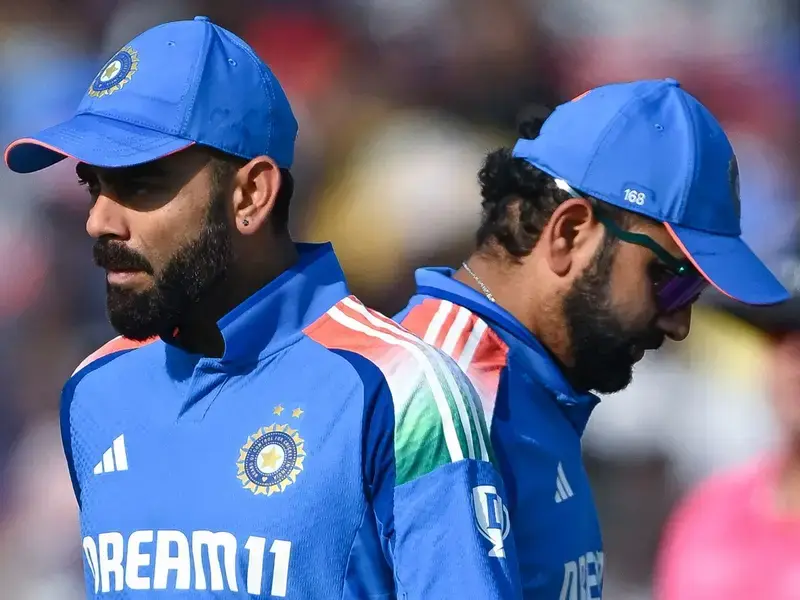)
'Lot of things to learn from experienced players': Jayasuriya backs Rohit, Virat for 2027 ODI World Cup
)
Taylor Swift has a 'proud wife' moment as Travis Kelce scores first touchdown of season: 'That’s my husband!'
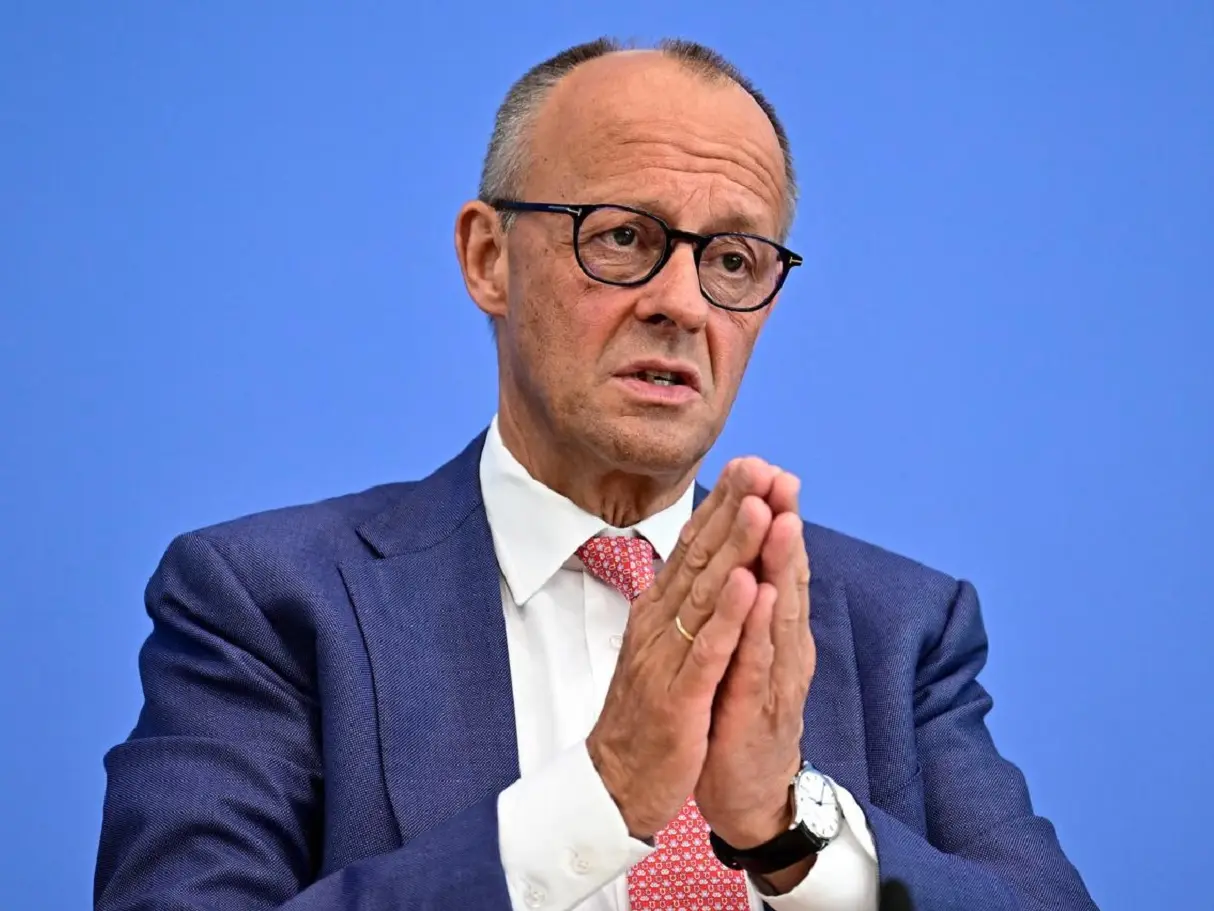)
Chancellor Friedrich Merz vows to stay on as exit polls signal major poll setback
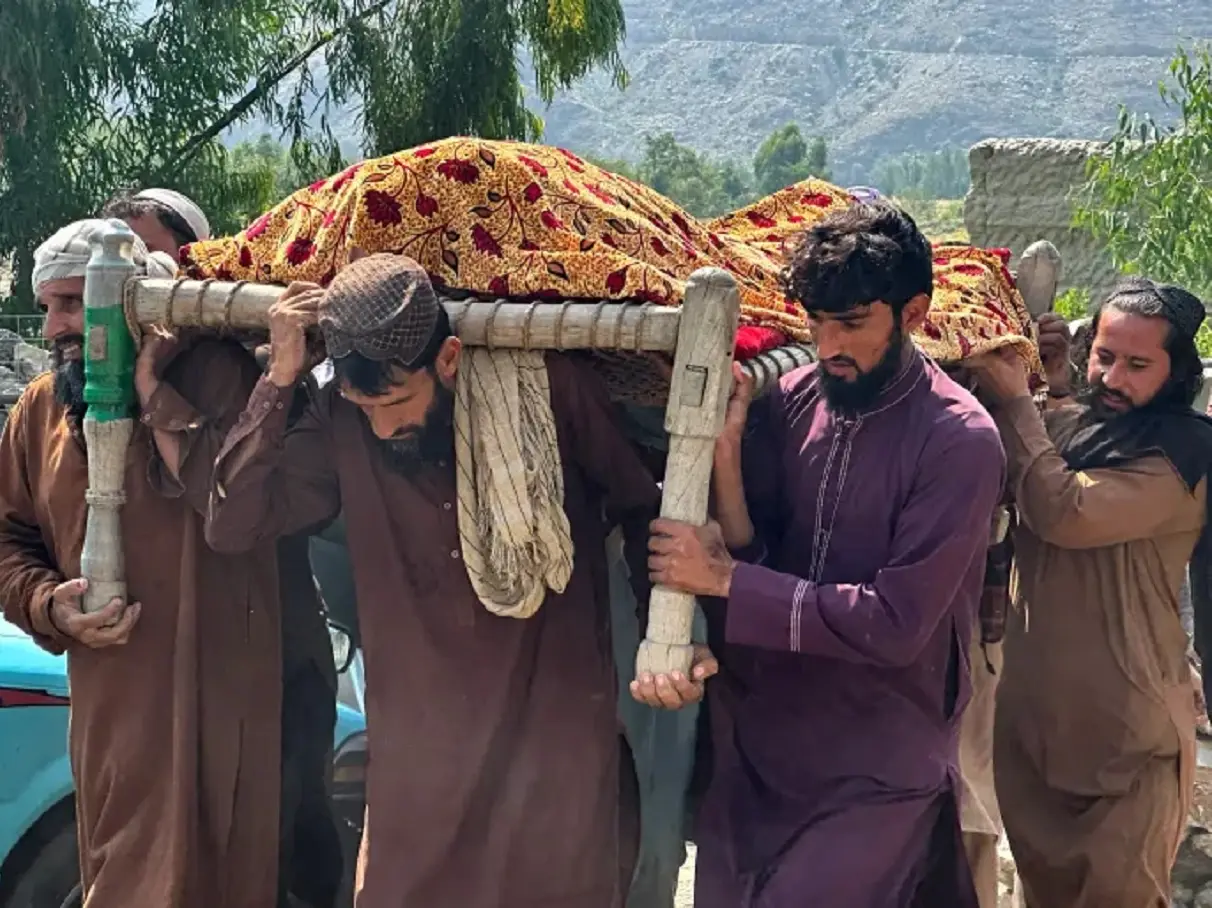)
Pakistan kills 3 civilians in air strikes on Afghanistan, Taliban vows retaliation | Gravitas
)
Mahabharat actor Saurav Gurjar arrested in Hyderabad, sent to 14-day judicial custody in sexual exploitation case
)
North Korea's nuclear tests triggered 1,399 earthquakes: Earth is still shaking | Gravitas
&im=FitAndFill=(700,400))
New OTT releases this week (September 21-27, 2026): Shaque: Trust No One, Hunkkaar, Don’t Be Shy- 5 new titles coming to Netflix, Prime Video and more
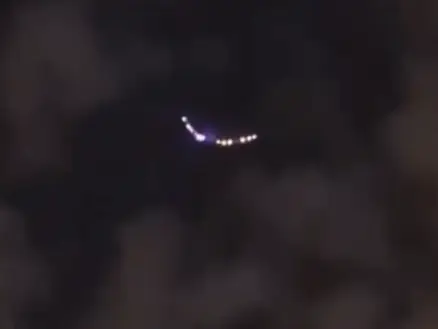)
WATCH | Mysterious lights over Tehran caught on video. Drone, aircraft or something else?
)
What is Yom Kippur and why is it celebrated? All you need to know about the Jewish Day of Atonement
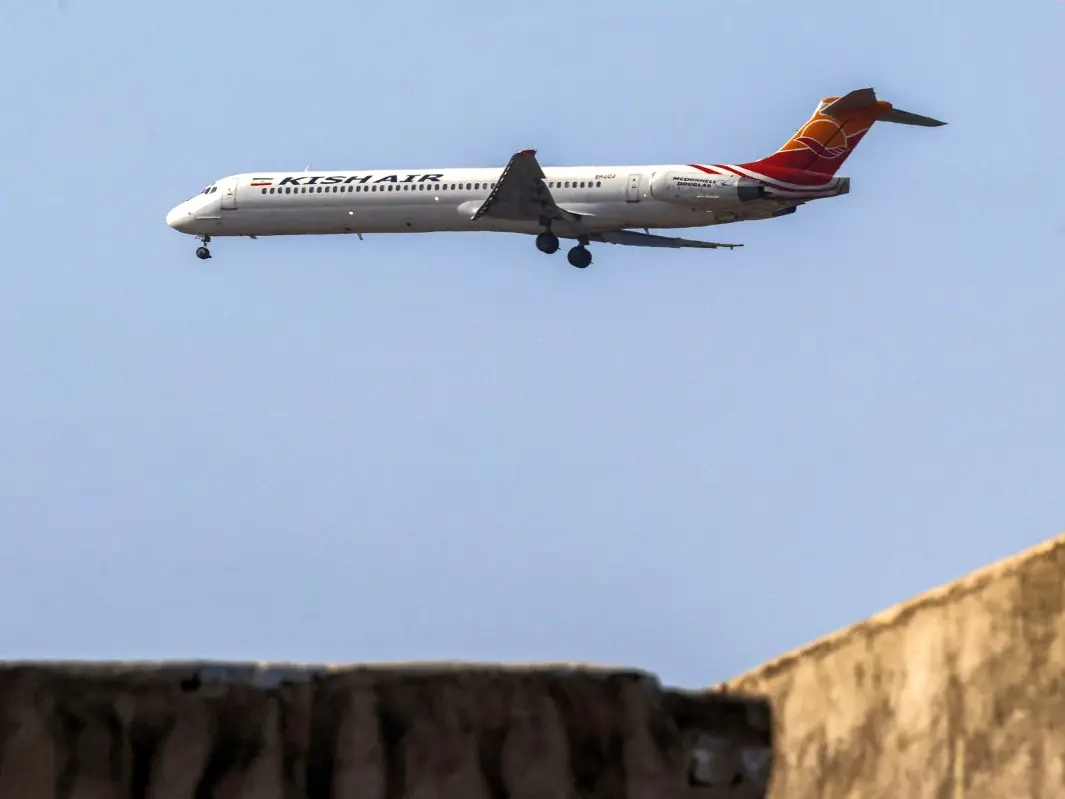)
Iranian airlines to shut worldwide on Sept 23, Bessent warns of US banking ban
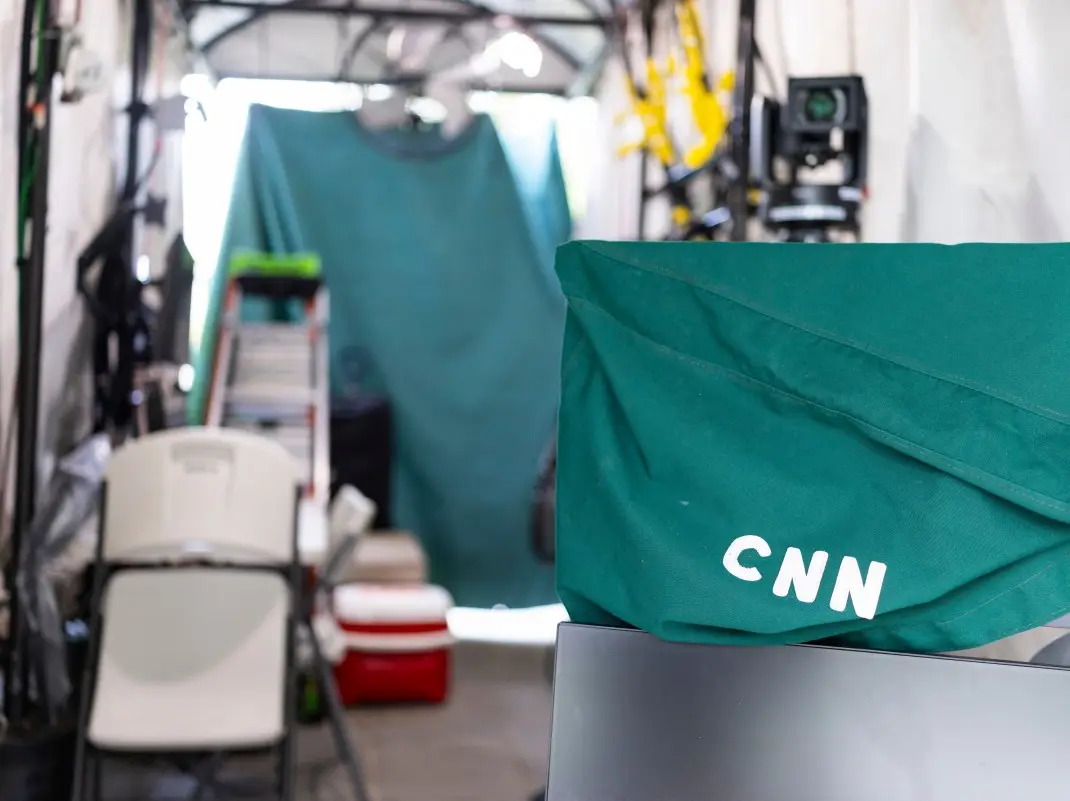)
White House TV pool halts Trump coverage after CNN barred from UNGA events
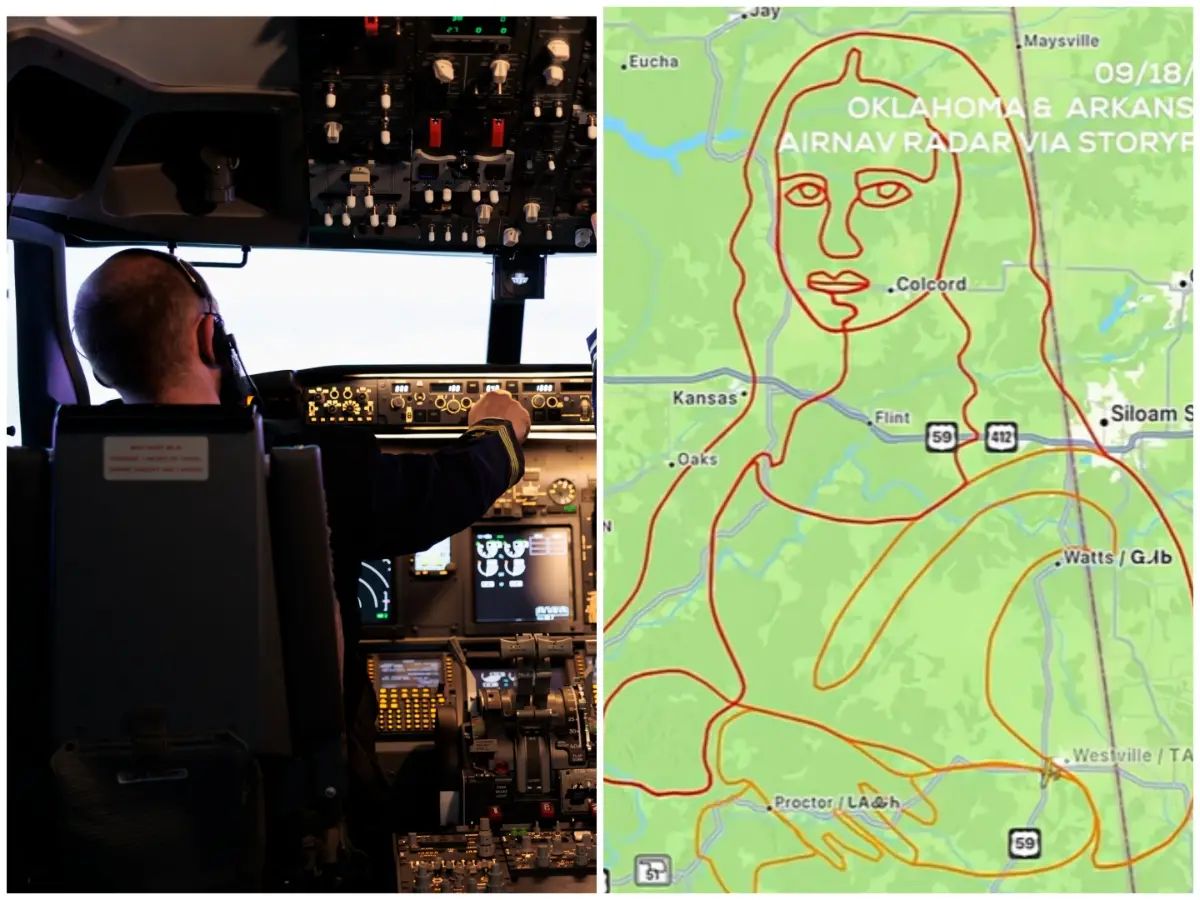)
Pilot recreates Mona Lisa in sky over Oklahoma and Arkansas in four-hour flight: VIDEO
)
Fitna Al-Khawarij: Decoding biggest security threat to Pakistan | Gravitas
)
Jailer 2: Vidya Balan joins Rajinikanth's upcoming film as Kantha | Watch
)
Microsoft executive called AI training the ‘largest theft of labour in human history’
)
40-foot waves crash into cruise ship in dangerous stretch near Antarctica. Watch
)
Mystery explosions rock Aleppo, residents told to stay indoors
)
BTS fans mock iHeartRadio’s day 2 turnout after short set controversy
)
The Scandal, why so scandalous? Ji Chang Wook leaves you gasping for air
Negotiators were working on a new version of a bill that would require President Donald Trump's administration to toughen its response toChina's crackdown on its Muslim minorities, the two lawmakers said at a press conference unveiling the report.
Chinahad reacted angrily when the Democratic-led House of Representatives passed the bill late last year. It stalled in the Senate, which passed its own, less stringent bill earlier in the year, amid trade talks between Washington andChina.
Rubio said he expected a version of the bill that could pass the Senate unanimously avoiding procedural snafus that could block legislation in that chamber - and pass the House and be signed into law by Trump.
McGovern said he expected a compromise bill would move forward in 2020, "hopefully soon," in both the Senate and House, and he expected Trump would sign it.
"We will get to 'yes.' That is my belief," McGovern said.
Some lawmakers at the news briefing calledChina's treatment of the Uighursa "crimeagainsthumanity."
In Xinjiang, the Chinese government has used facial-recognition cameras and mobile telephone-monitoring systems to create an "open-air prison," the report said.
"USforeign policy must prioritize the promotion of universal human rights and the rule of law inChina, not only to respect and protect the basic dignity of the people ofChina but to better promote security and prosperity for all of humanity," it said.
To address the abuses, thestudyrecommended tightening access toUScapital markets for Chinese companies that provide support or technical capabilities for repression.
It recommended rightssanctionsagainstbusinesses and officials involved in the mass internment and surveillance of Uighurs.
And it backed controlling the sale of facial-recognition systems, machine learning, and biometric technology by placing agencies on the Department of Commerce's "Entity List," preventing purchases fromUSsuppliers.
Thestudyalso described a "further erosion" of Hong Kong’s autonomy and fundamental freedoms and said months of pro-democracy protests reveal "deep discontent" at a grassroots level.
The Ministry of Foreign Affairs' Office in Hong Kong said thestudy"distorts the truth," in a statement posted on its website Thursday. Hong Kong residents' rights and freedoms are fully protected, it said, and the "black hand" of the United States is responsible for inciting protests.