What is US-China one-year rare earths deal? everything you need to know

&imwidth=600&imheight=450&format=webp&quality=medium "What is US-China one-year rare earths deal? everything you need to know")
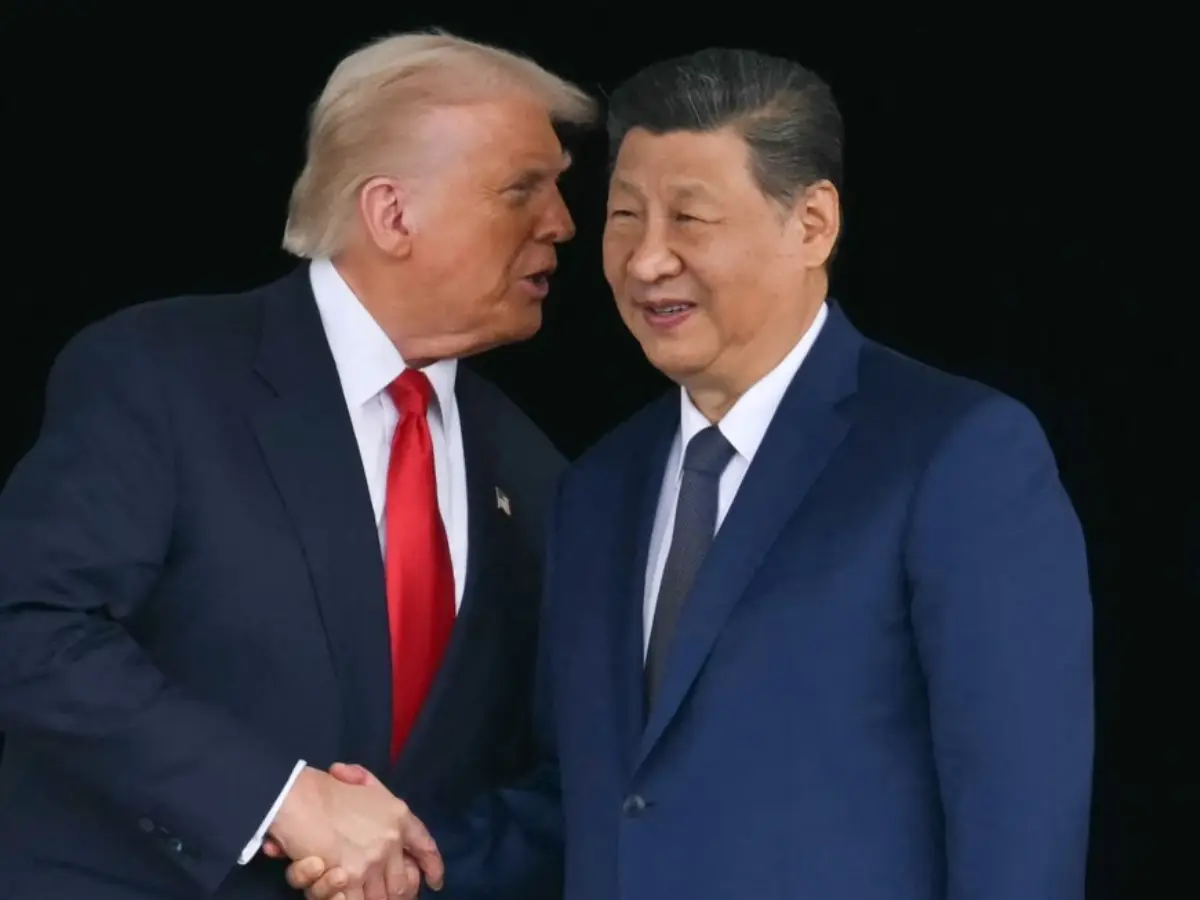
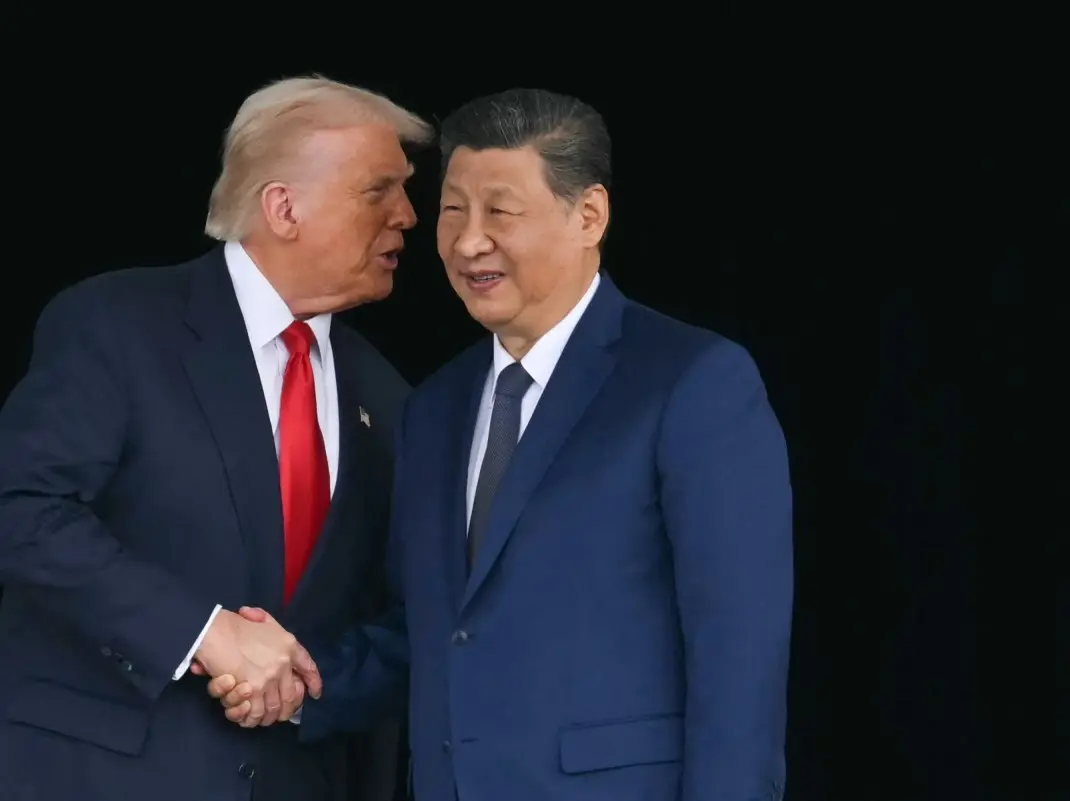
US President Donald Trump (L) and China's President Xi Jinping shake hands as they leave after their talks at the Gimhae Air Base, located next to the Gimhae International Airport in Busan on October 30, 2025. Photograph: (AFP)
US President Trump and China’s Xi Jinping announced a one-year extendable deal on rare earth supply, aiming to reduce tariffs and stabilise global trade tensions.
US President Donald Trump, on October 30, announced a one-year extendable trade deal with his counterpart Xi Jinping of China. The deal was announced from Busan, South Korea, on the sidelines of the APEC summit. The deal is likely to stabilise the volatility of the trade war and keep the flow of rare earth materials for important technology and manufacturing industries.
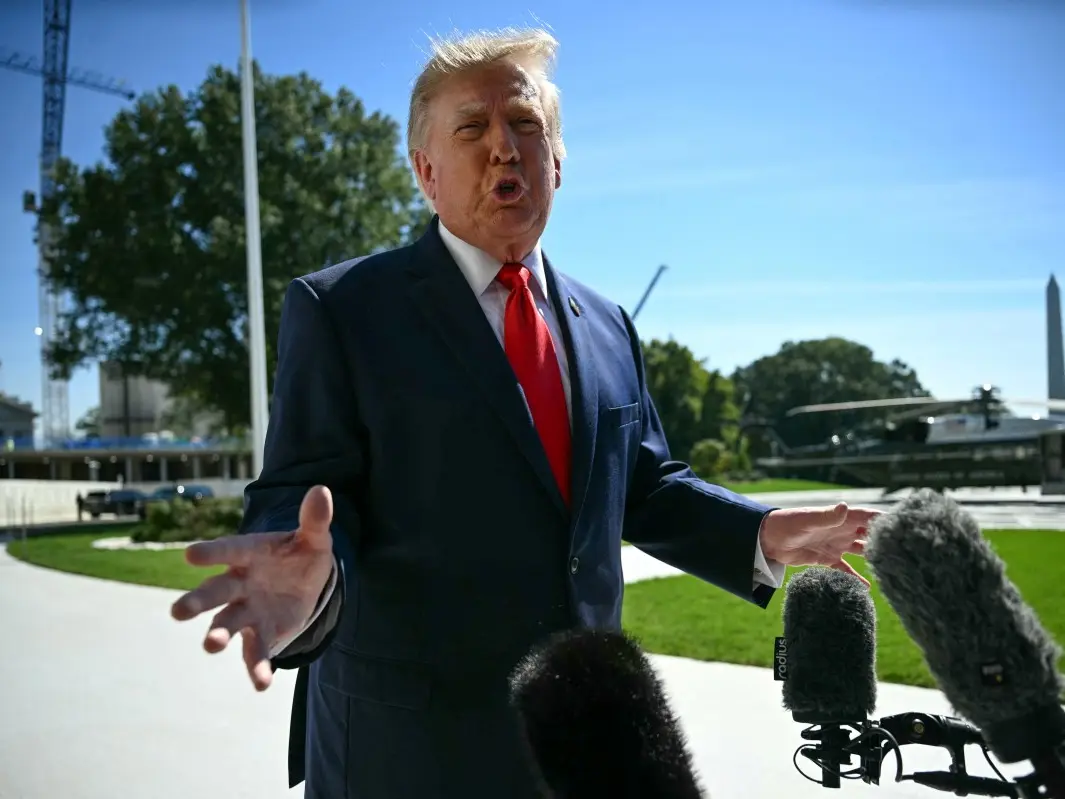
"There is no roadblock at all on rare earth. That will hopefully disappear from our vocabulary for a little while," said Trump aboard the reporters of Air Force One. Trump provided very few details of the deal.
What is the US-China one-year rare earth deal?
The primary agreement that is the nucleus of the deal is China's agreement to keep supplying the rare earth material and dispelling concerns about potential disruption in the supply chain for US and global industries. The deal is set for one year and will be renegotiated annually. Trump expressed confidence about its possible extension.
As part of the deal US have announced a reduction of the tariff on Chinese goods, lowering them from 57 per cent to 47 per cent. The fentanyl related products in the tariff have been reduced from 20 per cent to 10 per cent. As a response, China agreed to work very hard to stop the flow of fentanyl ingredients into the US.
Why is China at the centre of the rare earth trade war?
Trending Stories
&imwidth=280&imheight=210&format=webp&quality=medium)
&imwidth=280&imheight=210&format=webp&quality=medium)
&imwidth=280&imheight=210&format=webp&quality=medium)
&imwidth=280&imheight=210&format=webp&quality=medium)
&imwidth=280&imheight=210&format=webp&quality=medium)
&imwidth=280&imheight=210&format=webp&quality=medium)
&imwidth=280&imheight=210&format=webp&quality=medium)
&imwidth=280&imheight=210&format=webp&quality=medium)
&imwidth=280&imheight=210&format=webp&quality=medium)
&im=FitAndFill=(700,400)&imwidth=280&imheight=210&format=webp&quality=medium)
&imwidth=280&imheight=210&format=webp&quality=medium)
&imwidth=280&imheight=210&format=webp&quality=medium)
&imwidth=280&imheight=210&format=webp&quality=medium)
&imwidth=280&imheight=210&format=webp&quality=medium)
&imwidth=280&imheight=210&format=webp&quality=medium)
&imwidth=280&imheight=210&format=webp&quality=medium)
&imwidth=280&imheight=210&format=webp&quality=medium)
&imwidth=280&imheight=210&format=webp&quality=medium)
&imwidth=280&imheight=210&format=webp&quality=medium)
&imwidth=280&imheight=210&format=webp&quality=medium)
&im=FitAndFill=(700,400)&imwidth=280&imheight=210&format=webp&quality=medium)
&imwidth=280&imheight=210&format=webp&quality=medium)
&imwidth=280&imheight=210&format=webp&quality=medium)
&imwidth=280&imheight=210&format=webp&quality=medium)
&imwidth=280&imheight=210&format=webp&quality=medium)
&imwidth=280&imheight=210&format=webp&quality=medium)
&im=FitAndFill=(700,400)&imwidth=280&imheight=210&format=webp&quality=medium)
&imwidth=280&imheight=210&format=webp&quality=medium)
&imwidth=280&imheight=210&format=webp&quality=medium)
&imwidth=280&imheight=210&format=webp&quality=medium)
&imwidth=280&imheight=210&format=webp&quality=medium)
&imwidth=280&imheight=210&format=webp&quality=medium)
&imwidth=280&imheight=210&format=webp&quality=medium)
&imwidth=280&imheight=210&format=webp&quality=medium)
China controls the vast majority of the rare earth material. Rare earth elements are a group of 17 elements which play a vital role in manufacturing high-tech products like consumer electronics, electric vehicles, and defence equipment, such as fighter jets and other weapons. China contains nearly half, 48-49 per cent of the global rare earth reserves, appx. 44 million metric tons. Not only that, it contains 90-92 per cent of the world's rare earth processing capacity, which is crucial for turning mined minerals into usable materials. China manufactures nearly 90 per cent of the rare-earth magnets, which are essential for all the hi-tech products
In April, China introduced export controls, which created widespread shortages overseas, especially for magnets. Some automakers halted production before the deal between China, the EU and the US. In October, Beijing expanded its export restrictions on rare earths, citing national security concerns. In response, Trump threatened to impose a 100 per cent tariff on Chinese goods. Trump characterised the meeting with Xi as amazing, with the plans of his visiting the US next year. However, Beijing has yet to confirm the details of the deal, and it's unclear that if the deal covers all the existing export controls.