UN lauds Iran's 'exemplary' efforts in hosting refugees

Iran
Iran has the fourth-largest refugee population in the world, according to the UN
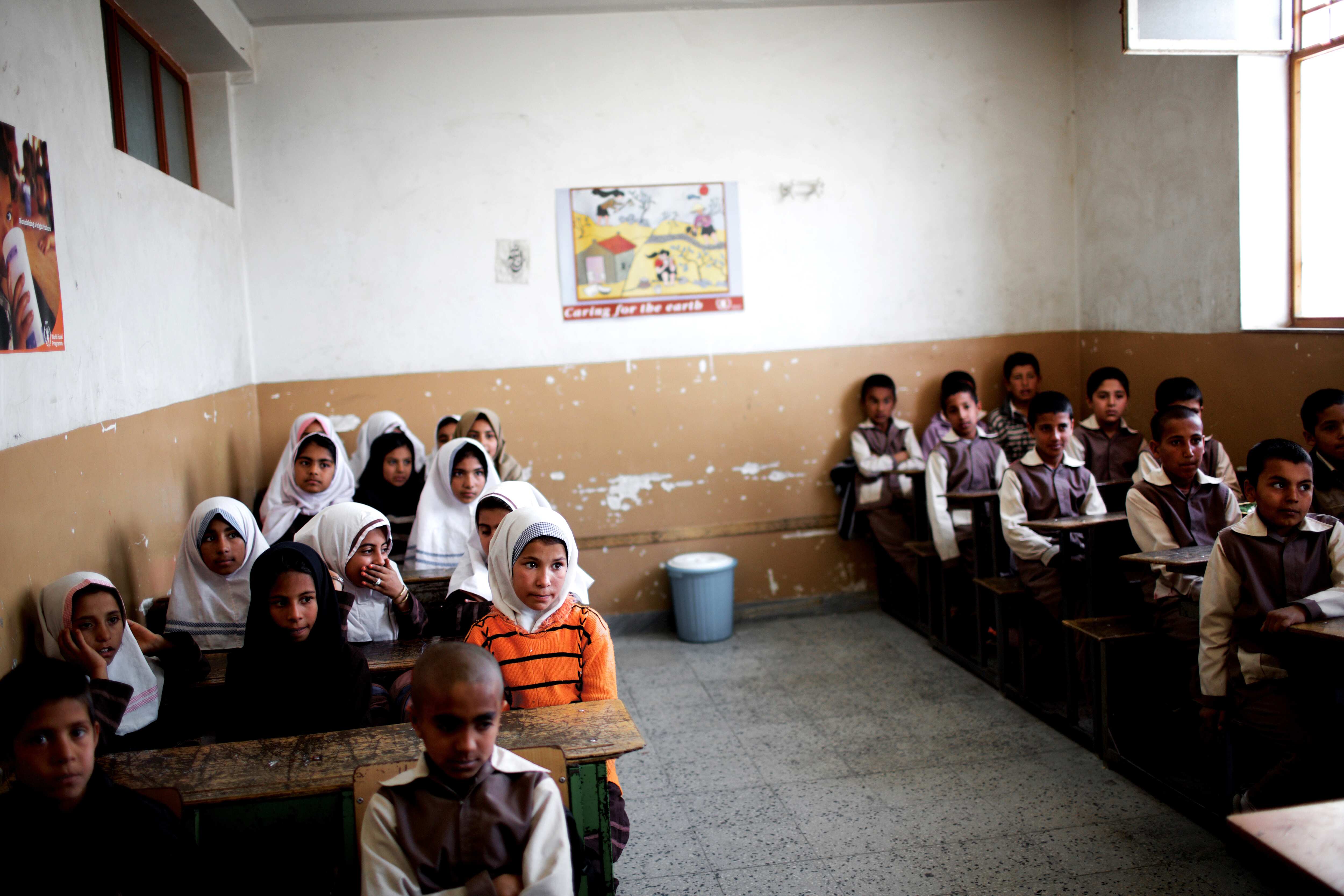
While Iranians would bear the brunt of Donald Trump's visa ban, if it ever comes into force, international officials say the country has quietly emerged as one of the most generous towards refugees.
"The leadership demonstrated by the Iranian government has been exemplary in hosting refugees and keeping borders open," said Sivanka Dhanapala, who heads the UN High Commissioner for Refugees team in Tehran.
"It's a story that's not told often enough."

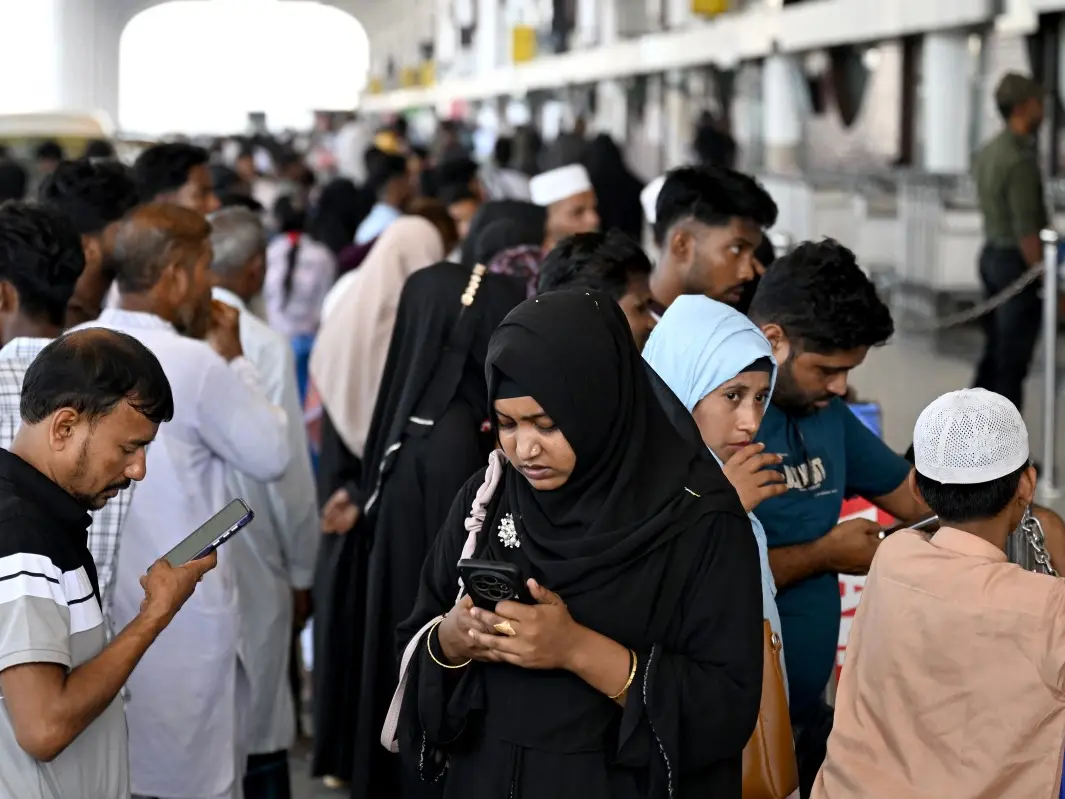
Iranhas been sheltering a million registered Afghans for almost four decades, and NGOs estimate there are around two million more living under the radar.
That's the fourth-largest refugee population in the world, the UN says.
On Wednesday a federal court in Hawaii halted Trump's new visa ban on six mostly Muslim nations includingIran, with a judge ruling there was a strong likelihood it would cause "irreparable injury" should it go ahead.
&imwidth=180&imheight=135&format=webp&quality=medium)
Rahul Gandhi's plea against Election Commission delayed as Supreme Court registry flags 14 ‘defects’
&im=FitAndFill=(700,400)&imwidth=180&imheight=135&format=webp&quality=medium)
Navratri 2026: 9 days, 9 forms of Goddess Durga and 9 colours- Check the complete list
&imwidth=180&imheight=135&format=webp&quality=medium)
Korean peninsula tensions escalate as North Korea launches multiple ballistic missiles, PACOM says 'no threat to US personnel'
&imwidth=180&imheight=135&format=webp&quality=medium)
Trump weighs firing Kimberly Guilfoyle as US ambassador to Greece amid misconduct allegations: Report
&imwidth=180&imheight=135&format=webp&quality=medium)
Anti-SIR protest in Mumbai: Protestors wear black masks & ribbons in Mumbai
&imwidth=180&imheight=135&format=webp&quality=medium)
UK PM Andy Birnham renews claims of Russian meddling in Brexit vote
&imwidth=180&imheight=135&format=webp&quality=medium)
BCCI rejects venue shift reports, India vs Sri Lanka 1st ODI to remain in Delhi
&imwidth=180&imheight=135&format=webp&quality=medium)
'Absolutely disgusting': Australia slams US plan to livestream Nidal Hasan's execution; Mike Johnson raises concerns, warns of terrorist propaganda
&imwidth=180&imheight=135&format=webp&quality=medium)
1,500 drones illuminate Mumbai sky as Cordelia Cruises unveils second ship, Cordelia Sky
&imwidth=180&imheight=135&format=webp&quality=medium)
Houthis warns US of 'painful response' if Washington joins Saudi war in Yemen as airlines suspend flights to Saudi Arabia
&imwidth=180&imheight=135&format=webp&quality=medium)
Congress demands action against chief election commissioner
&imwidth=180&imheight=135&format=webp&quality=medium)
Robot gropes girl, makes thrusting movements in bizarre crime in Germany
&imwidth=180&imheight=135&format=webp&quality=medium)
'Turn approver, resign, we'll forgive you': Rahul Gandhi claims receiving messages from CEC Gyanesh Kumar
&imwidth=180&imheight=135&format=webp&quality=medium)
'I will not be silenced': Ilhan Omar alleges political intimidation after federal officers search her Washington home
&imwidth=180&imheight=135&format=webp&quality=medium)
Pakistan's government blames PTI for rise of terrorism in Khyber Pakhtunkhwa
&imwidth=180&imheight=135&format=webp&quality=medium)
‘This is just the start’: Maaya Rajeshwaran on historic ITF title, confidence boost and future goals
&imwidth=180&imheight=135&format=webp&quality=medium)
I.N.D.I.A. Bloc lists 10 requests to Supreme Court
&im=FitAndFill=(700,400)&imwidth=180&imheight=135&format=webp&quality=medium)
IMF World Economic Outlook: 10 economies to watch for growth in FY27 and FY28 - Where does India stand?
&im=FitAndFill=(700,400)&imwidth=180&imheight=135&format=webp&quality=medium)
How does a robot decide what to do next?
&imwidth=180&imheight=135&format=webp&quality=medium)
Is the AI chip boom already over? Global semiconductor stocks slide as investors question unbridled spending
&imwidth=180&imheight=135&format=webp&quality=medium)
L Murugan resigns as Union Minister, expresses wish to return to grassroots
&imwidth=180&imheight=135&format=webp&quality=medium)
Trump says he 'may' meet North Korean leader Kim Jong Un during upcoming Asia trip
&imwidth=180&imheight=135&format=webp&quality=medium)
'Ouch!!! That must hurt': Kangana Ranaut hails Kamal Haasan's sharp reply to Elon Musk over Starlink row
&imwidth=180&imheight=135&format=webp&quality=medium)
Sidhu Moose Wala’s younger brother wins hearts by recreating late singer’s signature move at Toronto Hologram Show
&imwidth=180&imheight=135&format=webp&quality=medium)
Girl 'dead' for 8 hours wakes up at her own funeral, dad insists she wasn't breathing
&imwidth=180&imheight=135&format=webp&quality=medium)
UK school ditches technology, shifts from screen to pen and paper for learning
&imwidth=180&imheight=135&format=webp&quality=medium)
Opposition’s 10 demands in Supreme Court petition range from stay on SIR to audit of voter rolls
&imwidth=180&imheight=135&format=webp&quality=medium)
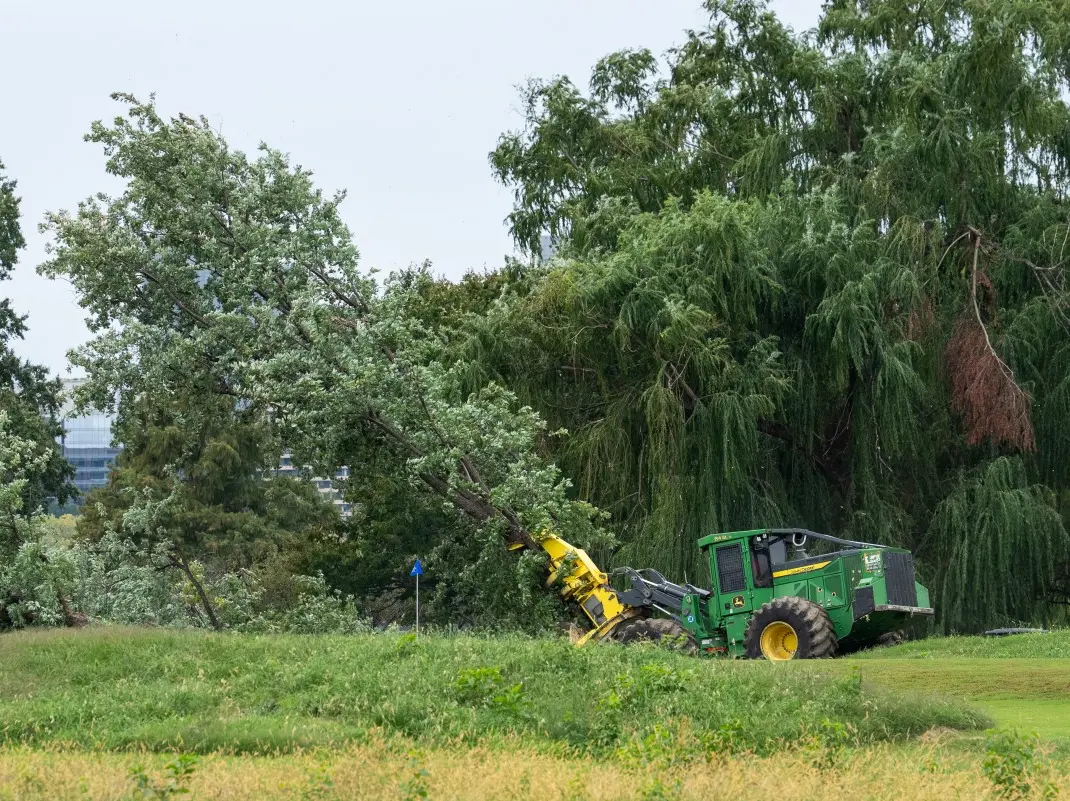
'I am thoroughly unamused': Judge slams Trump administration after 400 trees cut at Washington golf course
&im=FitAndFill=(700,400)&imwidth=180&imheight=135&format=webp&quality=medium)
New OTT releases this week (October 12-18, 2026): Sacrifice, Koffee with Karan S9, Roadies Rebirth- 6 titles coming on Netflix, JioHotstar and more
&imwidth=180&imheight=135&format=webp&quality=medium)
China’s gold rush puts billion in focus
&imwidth=180&imheight=135&format=webp&quality=medium)
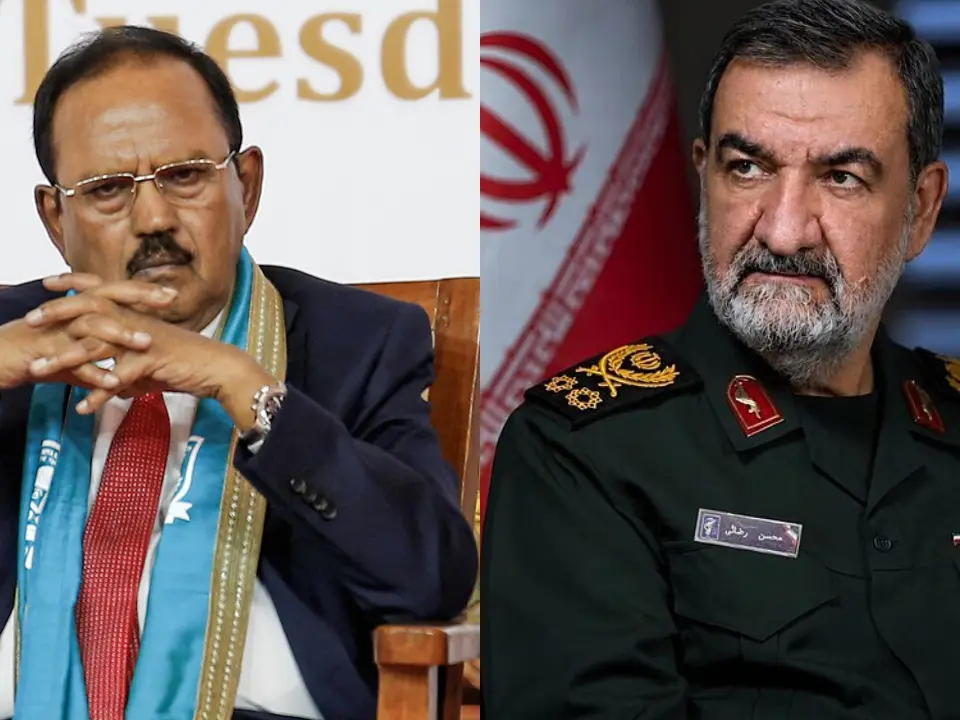
India's Ajit Doval, Iran's Mohsen Rezaei hold talks amid escalating West Asia tensions, discuss 'issues of mutual interest'
&imwidth=180&imheight=135&format=webp&quality=medium)
New Cold War: Why is China buying more gold? Explained
&imwidth=180&imheight=135&format=webp&quality=medium)
Anupam Kher joins Ranbir Kapoor's Ramayana as Jatayu, new poster unveiled
&imwidth=180&imheight=135&format=webp&quality=medium)
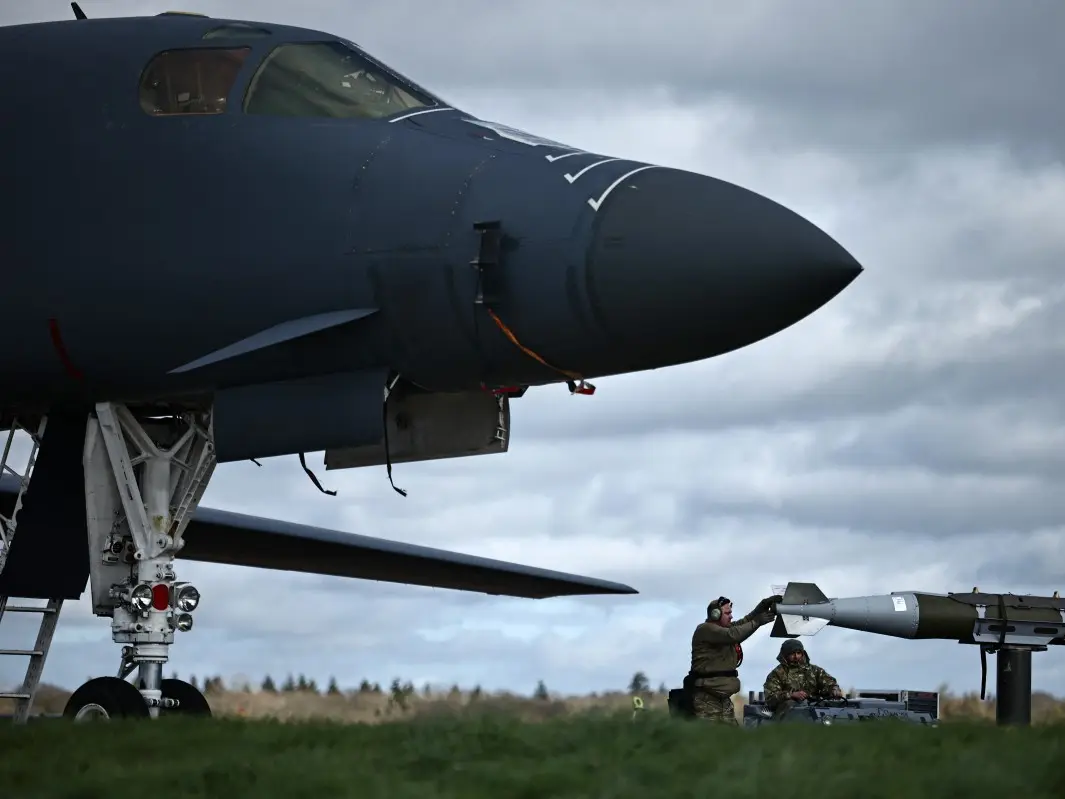
'Almost certainly': UK Prime Minister Andy Burnham says Iran's IRGC behind RAF Fairford threat
&imwidth=180&imheight=135&format=webp&quality=medium)
Elon Musk pumps $276 million into Republican campaigns ahead of US midterm elections
If it comes into force, theexecutive order would have a particularly tough impact on the one million Iranians living and studying in the US, as well as their families.
Foreign NGO workers have noted the irony thatIranis targeted by the ban while it continues to deal with huge numbers who have fled an American-led conflict.
Dhanapala highlighted the 2015 decree by supreme leader Ayatollah Ali Khamenei ordering schools to take in all Afghan children, documented or not -- a move that left authorities scrambling to build the equivalent of 15,000 new classrooms.
"We've also worked with the government on incorporating refugees into a government-sponsored health insurance scheme which is a ground-breaking development not just forIranbut globally for refugees," Dhanapala said.
'Bitter life'
Officials are well aware that Afghans still face a harsh existence inIran.
As in many countries, Iranians are less thanpleased to be hosting so many poor foreigners, especially when their economy has been battered by years of sanctions and mismanagement.
The result is thatIrandoes a lot to discourage Afghans from staying, rounding up the undocumented and sending them home.
"Even someone like me, who was born inIranand has lived here 36 years, is not yet an Iranian citizen and the discrimination I face in my education and work is suffocating," said one Afghan, a relatively well-established professional in Tehran, who asked to remain anonymous.
He is still grateful for his residency permit, which must be renewed every six to 12 months.
"I have never seen Afghanistan, except for the bad images on the media and I truly fear returning," he said.
"But for 36 years, I have lived in fear of my residency papers not being renewed and it has made life bitter for us."
Iranhas tried to encourage voluntary repatriation, but with a still-raging conflict and moribund economy, only 2,426 went home of their own free will last year -- a record-low figure according to the UN.
Life in the shadows
Many Afghans are inIranfor work, and are a perennial sight on the margins of Tehran life as construction workers, parking attendants and rubbish-pickers.
"What else can we do? I have two daughters and a son back in Afghanistan," said an undocumented 40-year-old who works as a cleaner and also asked not be named.
He gave up his refugee card so he could visit his family, and came back toIranwith a three-month visa which he could not renew.
"I haven't visited home for three years. If I go, it takes five to 12 months to get another visa," he said.
He was 14 when he fled the Soviet war in the 1980s.
"When they catch you on the street, it doesn't matter if you've been here one year or 100, they take you to the deportation camp and make you pay for the bus back to the border," he said.
"I've been sent back a few times. Either you wait for a new visa or come illegally with traffickers. I don't use the traffickers -- it's horrible."
Afghan recruits
Foreign governments have also accusedIranof rounding up young Afghans to fight in Syria.
Irandenies any coercion or government sponsorship, saying they are volunteers, though the families of those killed are given special privileges.
Meanwhile, some NGO workers privately criticise the rough treatment of Afghans, especially in border regions, but all agreeIrandeserves far more credit for the burden it has accepted.
The UN hopesIranwill ease restrictions on which jobs Afghans can do, and would like a formal registration process for the undocumented, although it understands fears that this could attract yet more migrants.
But, said Dhanapala, "in a world where you have multiple bad stories about hosting refugees, I thinkIranis really a good news story".
(AFP)