What is Magnetic hijab? Why are UK Police ruling out a new hijab design?

&imwidth=600&imheight=450&format=webp&quality=medium "What is Magnetic hijab? Why are UK Police ruling out a new hijab design?")
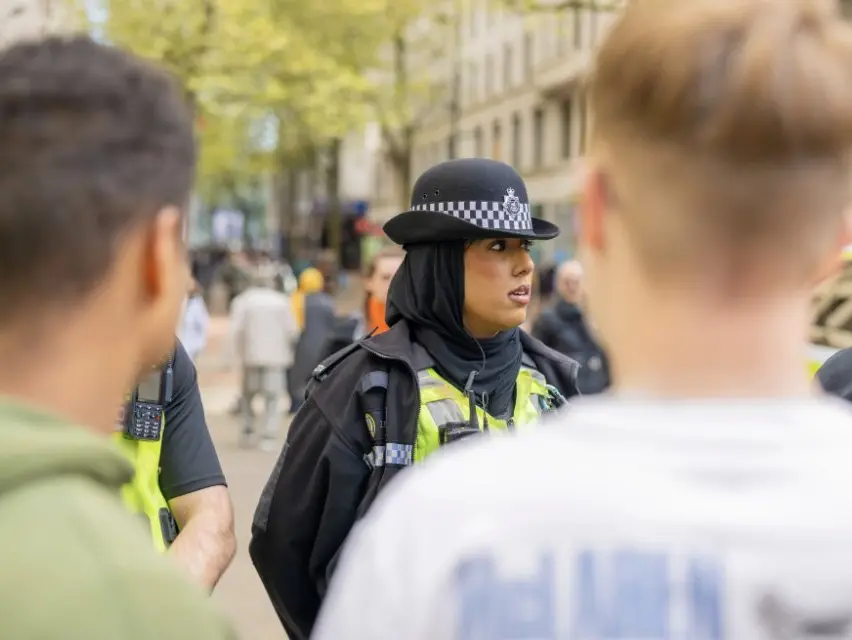
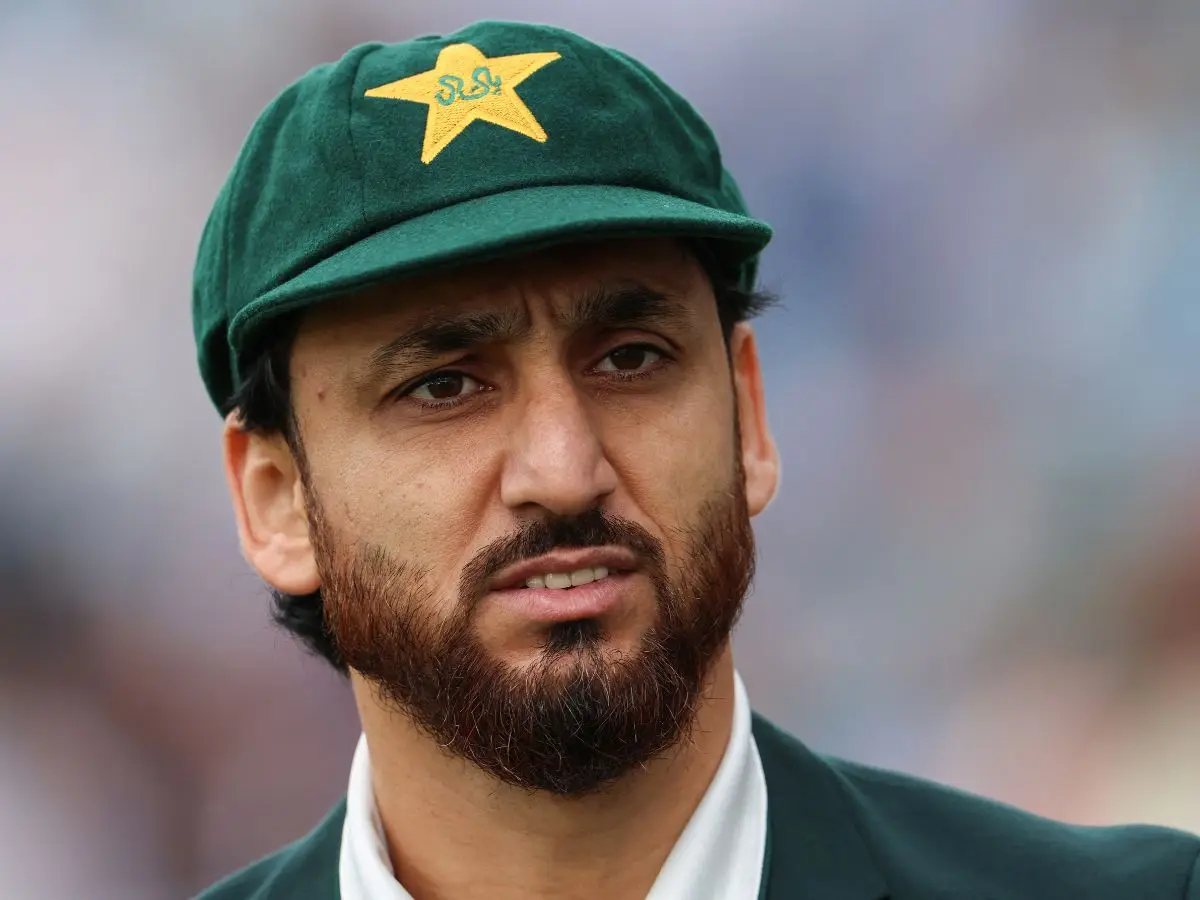
Zara Basharat of West Midland Police Federation Photograph: (X| westmidspolfed)
UK police forces are testing a safety-focused hijab with a quick-release design to encourage more Muslim women to join frontline policing.
The UK Police is introducing a new “Blue Light Hijab”. It is a two-piece Hijab system with a quick switch release system, so that the lower part can detach if it is pulled during a confrontation, reducing the risk of strangulation. The design puts an undercap with a wide front hem that remains unmoved even if the outer section is removed. It enhances the safety at the same time promises religious inclusivity. The Leicestershire Police has already introduced it among all its eligible officers. Other forces are also ordering it.
The model was designed by Detective Sergeant Yassin Desai of the Leicestershire Police 20 years ago and was developed in partnership with De Montfort University (DMU). The UK police had allowed officers to wear hijabs in 2001. It had started trial with the magnetic hijab in 2021 in London, but for nationwide rollout requires agreement by all 43 police forces.
Why are UK Police ruling out a new hijab design?
The initiative is to make the forces more inclusive, irrespective of religion and gender. This is also aimed at encouraging more Muslim women to join the force. There had been reports of Islamophobia in the forces, especially with women. Police Constable Zara Basharat has claimed to have been subjected to abuse and racial slurs at least 41 times in 2025. On several occasions while policing pro-Palestinian demonstrations, her Hijab had been pulled off. She was threatened with burning her headscarf, even within the Muslim community.
"I have been labelled a ‘traitor’ and been subject to harassment, and have also been videoed and posted online while on deployment for the pro-Palestinian protests. There was so much hate and resentment towards me, which did upset me,” said Zara.
However, some critics have called the step regressive, as introducing religious symbols in the uniform of a secular institution is dubious. Some theologians also debate that the hijab, as a headscarf, has more cultural value than religious.
Trending Stories
)
)
)
)
)
)
)
)
&im=FitAndFill=(700,400))
)
)
)
&im=FitAndFill=(700,400))
)
)
)
)
)
)
)
&im=FitAndFill=(700,400))
)
)
)
)
)
)
)
)
)
)
)
)
)
)

