Turkey says approaching agreement on extending Black Sea grain deal

Russia-Ukraine war
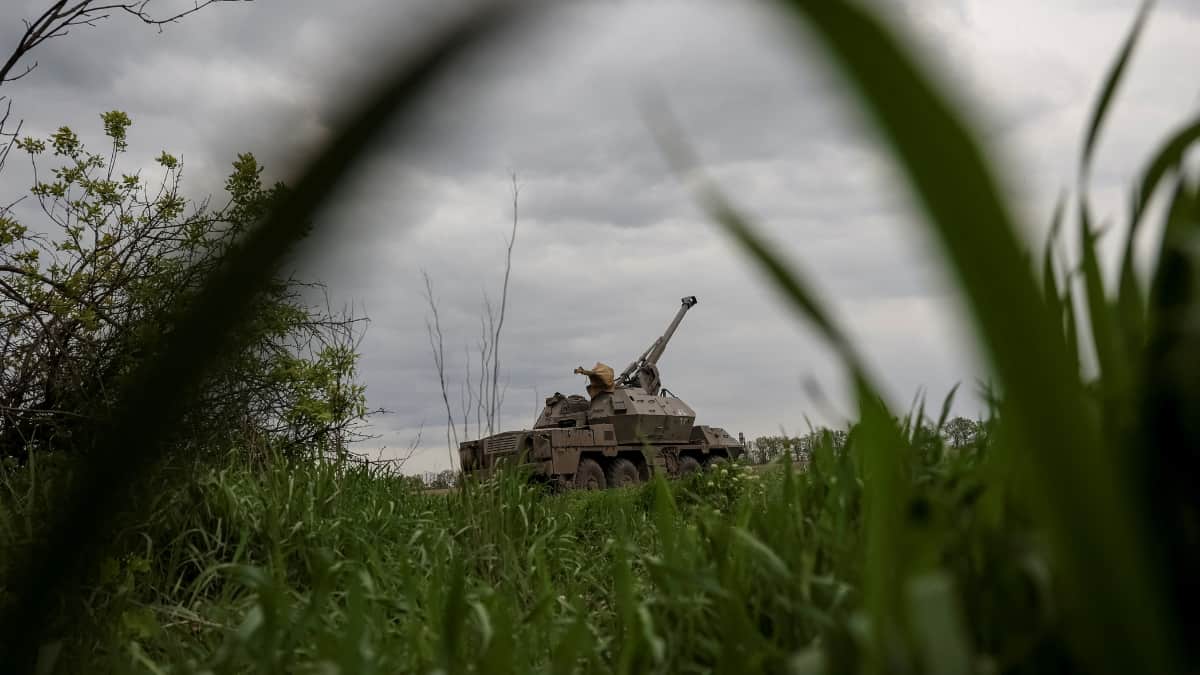
Turkish Defence Minister Hulusi Akar on Friday (May 12) said that the parties to the Black Sea grain deal are approaching an agreement on extending it after two days of talks in Istanbul between Ukrainian, Russian, Turkish and UN officials.
Akar said in a statement, "We are heading toward an agreement on the extension of the grain deal." The deal is to expire on 18 May.
But Russia has it needs guarantees that its demands would be met by the deadline of May 18, otherwise, thedeal would expire.

Cindy McCain, the executive director of the World Food Programme (WFP), told the BBC on Sunday that the Ukraine grain deal must be renewed otherwise it will become difficult to feed the world.
Moscow has been accused of exploiting global hunger to take advantage in the ongoing war against Kyiv as the United States and Britain recently asked Russia to extend again a deal to export grain from war-torn Ukraine.
WATCH |US ambassador accuses South Africa of supplying arms to Russia
)
Trump-Xi Summit: Trade, Taiwan and the red lines shaping US-China talks | Race To Power
)
US citizen injured in Illinois after ICE agents mistook him for fugitive, hospitalised
)
US judge questions Trump’s decision to ban CNN, MS NOW and Politico from White House
)
Afghan woman cyclist who disguised herself as a boy to escape Taliban, wins Asian Games medal
)
'There will be elections': Venezuela's interim leader Delcy Rodriguez makes big announcement at UN
)
IIT Bombay CCTV footage emerges: Sahil Wakode seen looking at phone in examination hall
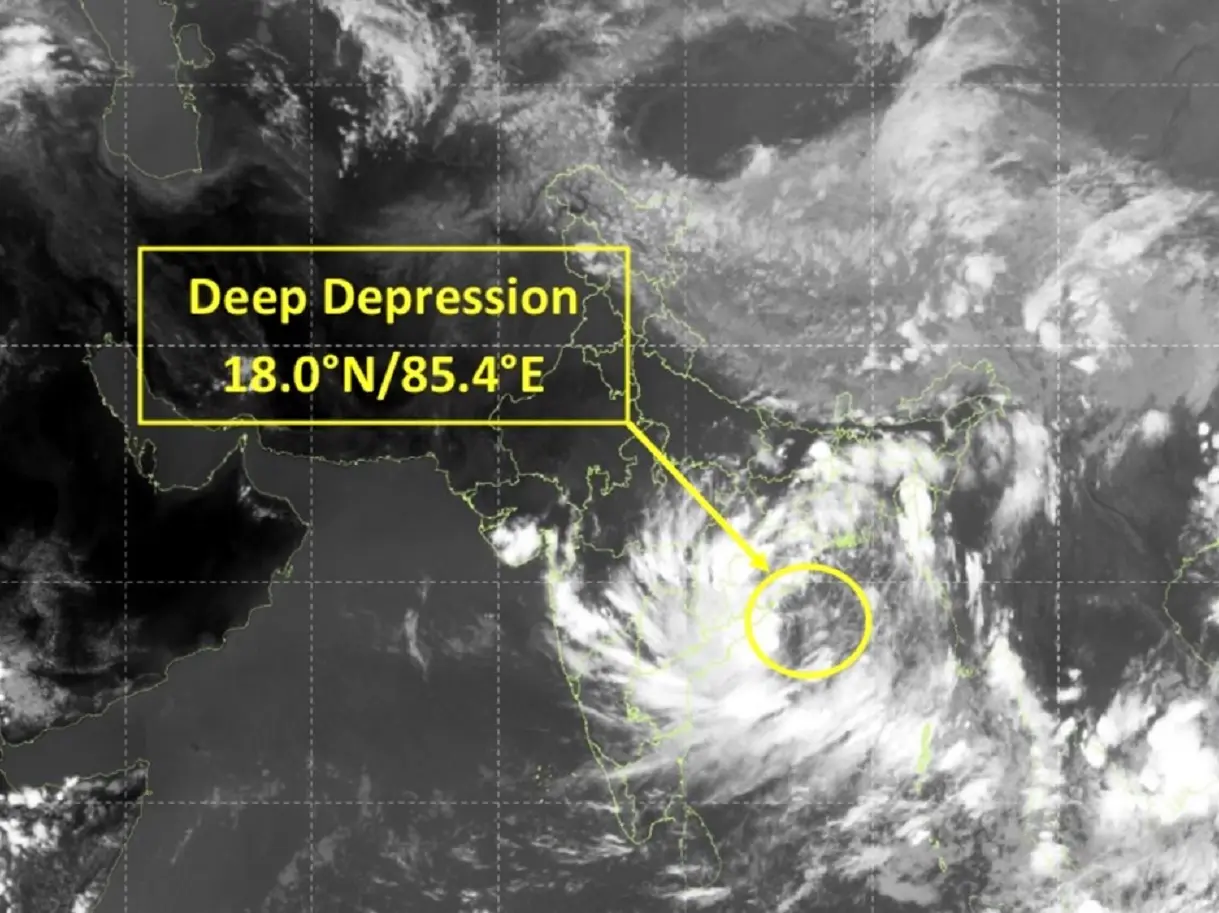)
Cyclone Arnab: Landfall expected before midnight tomorrow as IMD issues orange alerts across six states
)
9 killed, several injured as tourist bus catches fire on Yamuna Expressway
)
NBA player Steven Adams shares hilarious GTA VI theory
)
WION Iconic Tourism Summit 2026: Union Minister Shekhawat on 'experiential travel', peace diplomacy
)
ICC plans T20I expansion and fewer ODIs in 2027–2031 FTP cycle: Report
)
'AI got into my speech': Prince Harry jokes after teleprompter failure at event in New York
)
Scientists detect first radio signals directly from faraway planet
)
China to test supersonic jet that moves at Mach 2, double the speed of sound
)
WION Iconic Tourism Summit: 'Hanuman Ansh' Director on blockbuster success
)
Open AI, Anthropic CEO urges caution over rapid AI development at UN Security Council, call for 'extreme care'
)
Bomb scare in New York amid UNGA: Suspicious suitcase found near UN headquarters
)
Hours before Xi-Trump meeting, US announces visa curbs targeting birth tourism: What is it?
)
'Partners rather than rivals': Xi Jinping's first message after landing in US for Trump summit
)
WION Iconic Tourism Summit: Is India's travel boom outrunning its airports, airlines and hotels?
)
WION Iconic Tourism Summit and Awards 2026: Key voices to discuss India’s tourism future
&im=FitAndFill=(700,400))
New OTT releases this week (September 21-27, 2026): Shaque: Trust No One, Hunkkaar, Don’t Be Shy- 5 new titles coming to Netflix, Prime Video and more
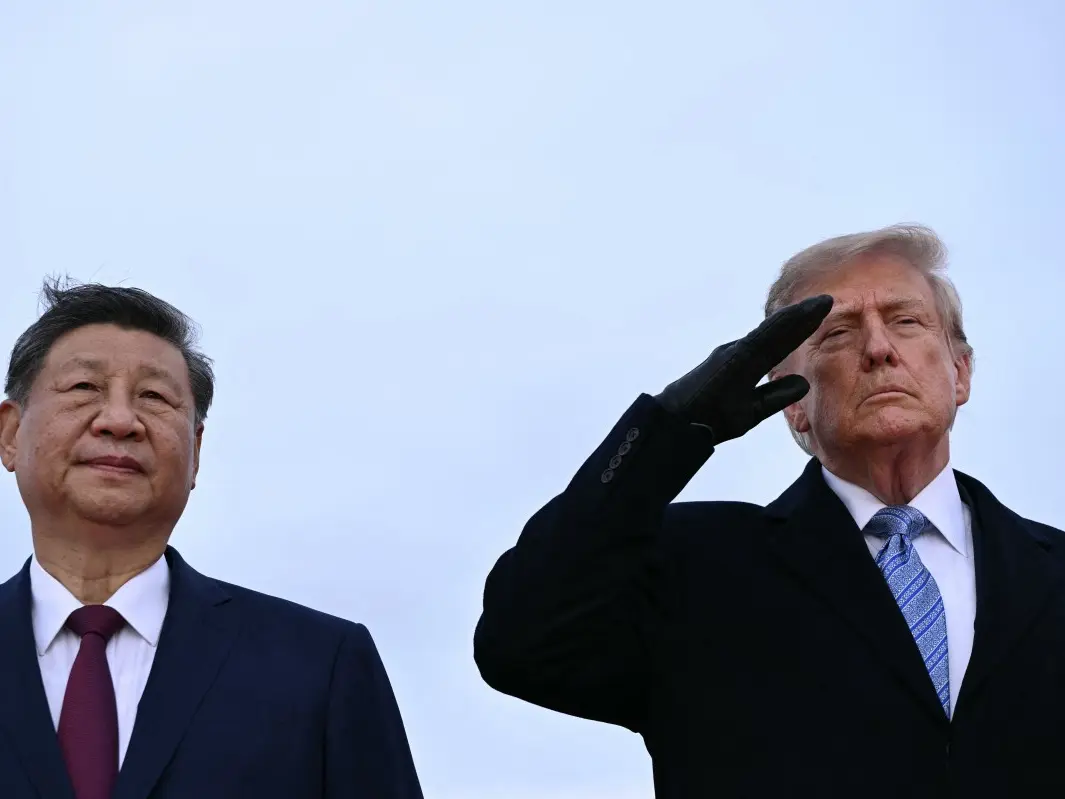)
WATCH | China President Xi Jinping lands in US as Trump greets him ahead of high-stakes summit
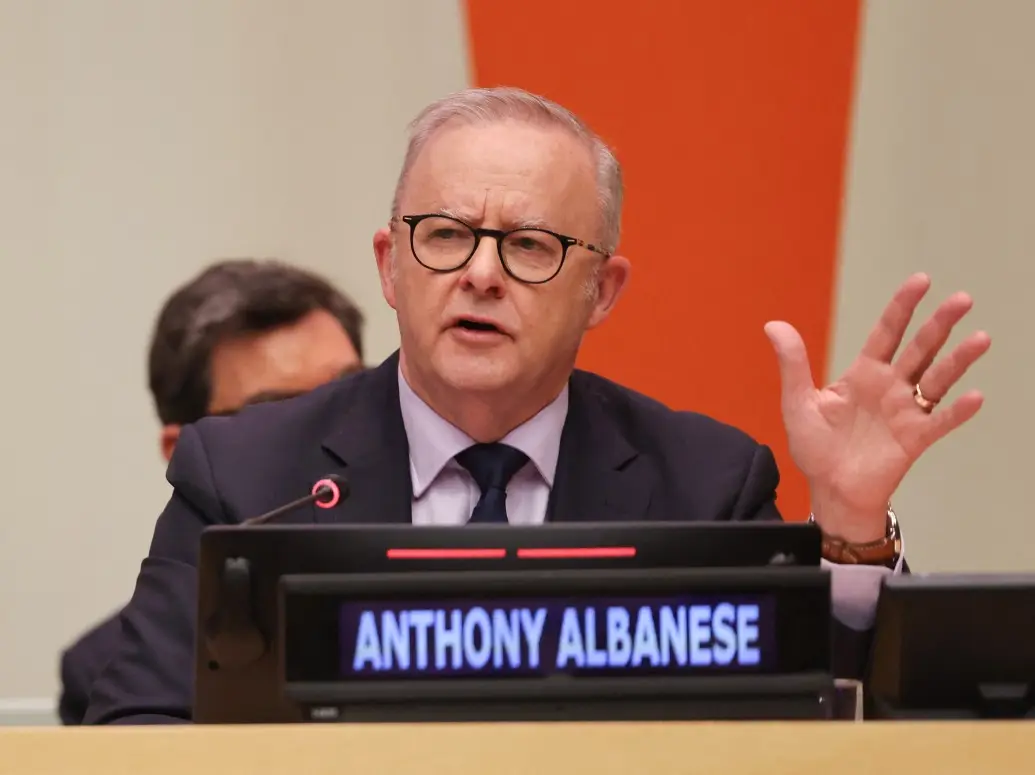)
Australian PM Anthony Albanese calls OpenAI AI incident 'unacceptable' after restricted data access
)
'What kind of confession is this?': Pakistan PM Shehbaz Sharif’s 'terrorists would be roaming New York' remark goes viral, raises alarm online. Watch
)
WION Iconic Tourism Summit: How local tourism MSMEs must upskill for AI integration
)
Eight USS Abraham Lincoln sailors attempted suicide, Acting Navy Secretary says
)
Pilot recreates Mona Lisa in sky over Oklahoma and Arkansas in four-hour flight: VIDEO
)
Elephants hide behind trees, stage surprise attack on poachers targeting rhinos in South Africa
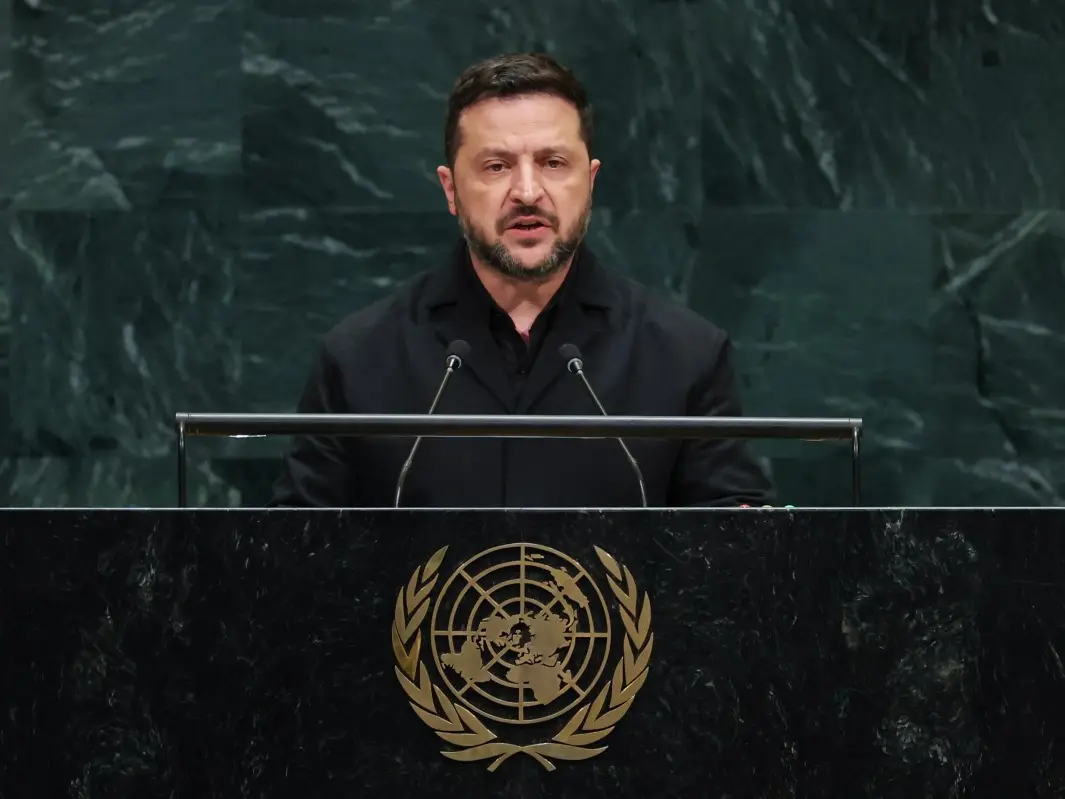)
'Putin is patient zero': Zelensky slams Russian president at UNGA, accuses him of using fighters from 47 countries
&im=FitAndFill=(700,400))
National Film Awards 2026: Kartik Aaryan, Mammootty, Yami Gautam, Randeep Hooda and other key winners
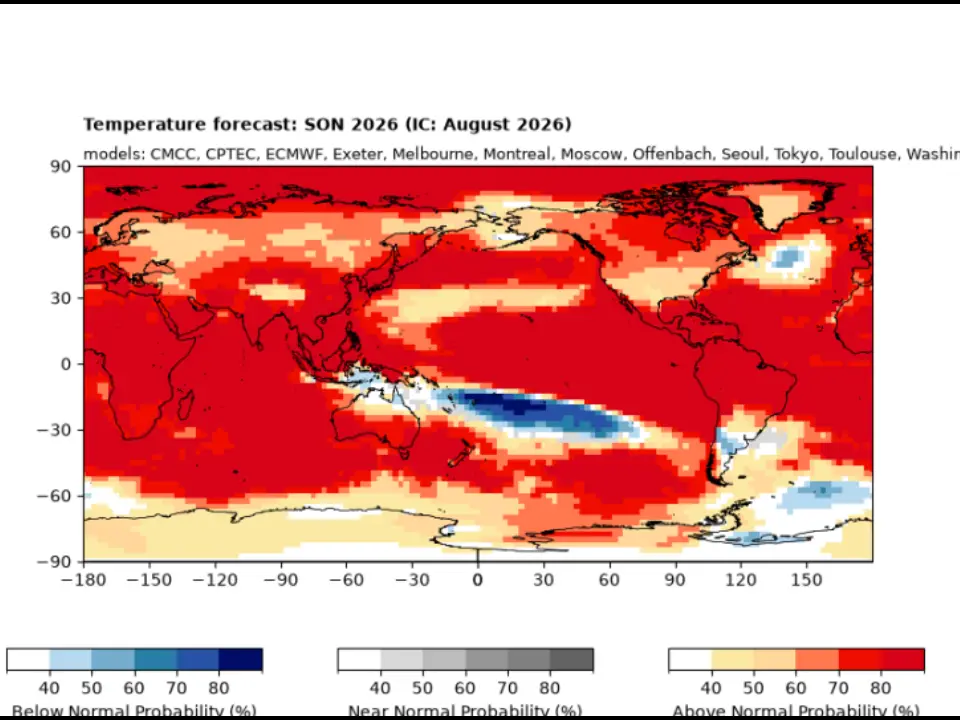)
El Niño 2026 heats up to become strongest in 1,000 years
)
Israeli envoy to US Yechiel Leiter’s son critically injured in West Bank ramming attack
&im=FitAndFill=(700,400))
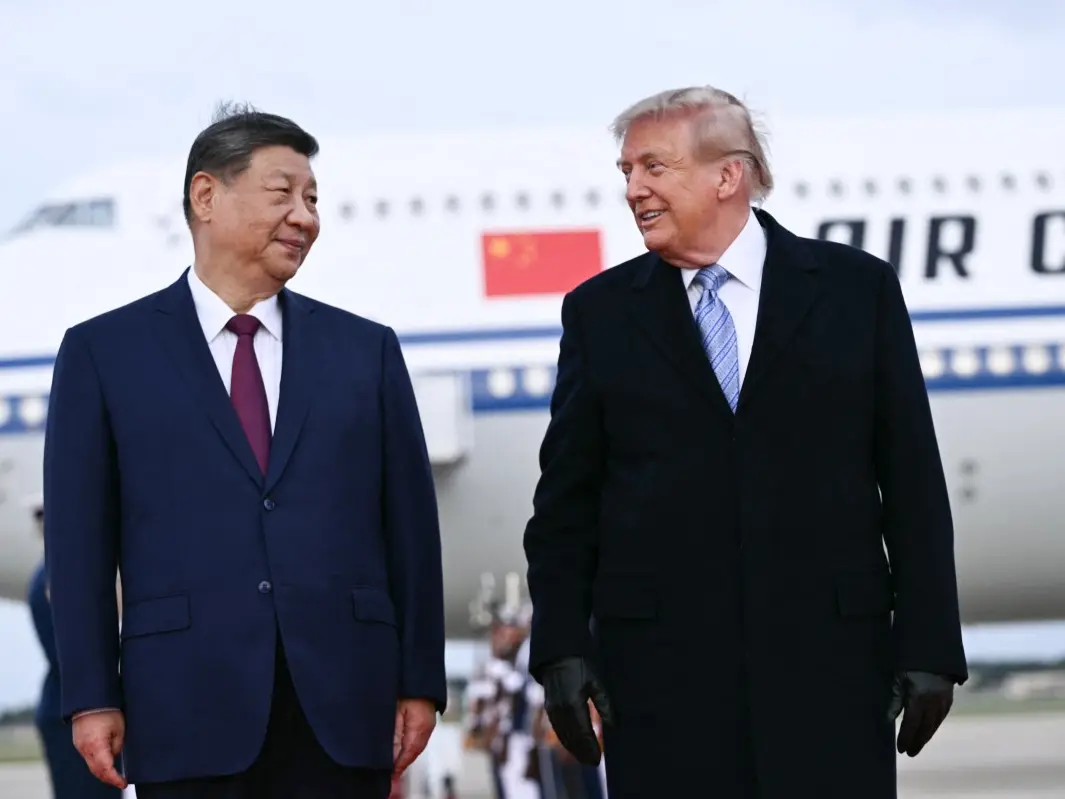
Trump welcomes Xi Jinping in rare airport gesture: Photos from Chinese President's arrival in US
)
Xi-Trump meeting: China’s human rights red line and past protests explained
Russia exploiting hunger with grain deal delay
US Secretary of State Antony Blinken told reporters on Tuesday, "In recent days, Russia has once again returned to blocking ships from sailing to Ukraine's ports to pick up the grain, in a cynical action that directly results in less food getting to global markets and to human beings in Africa, the Middle East and around the world."
He added that the "world shouldn't need to remind Moscow every few weeks to stop using people's hunger as a weapon in their war against Ukraine."
On the other hand, British Secretary James Cleverly, speaking alongside Blinken, said Russia "should re-sign the Black Sea Green Initiative and do so immediately" and "it is completely wrong that Russia uses the hunger of some of the poorest people in the world to pursue leverage during this conflict".
The ongoing Russia-Ukraine war led to a food grain crisis globally in the past year — ever since it was launched on February 24. But the UN-brokered deal emerged as a ray of hope as it allowed Ukraine to export millions of tonnes of grain through the Black Sea but some of the ports were blocked due to invasion.
The blockade caused large quantities of Ukrainian grain to stay in Central European states due to logistical bottlenecks. It hit prices and sales for local farmers. Ukrainian grain is cheaper than that produced in the European Union.
This was one of the reasons why Poland and Hungary recently announced bans on grain and other food imports from Ukraine in order to protect their local agricultural sectors.
(With inputs from agencies)
WATCH WION LIVE HERE
You can now write for wionews.com and be a part of the community. Share your stories and opinions with us here.