Trump silences environmental agency, Republicans propose bills to curb protesting

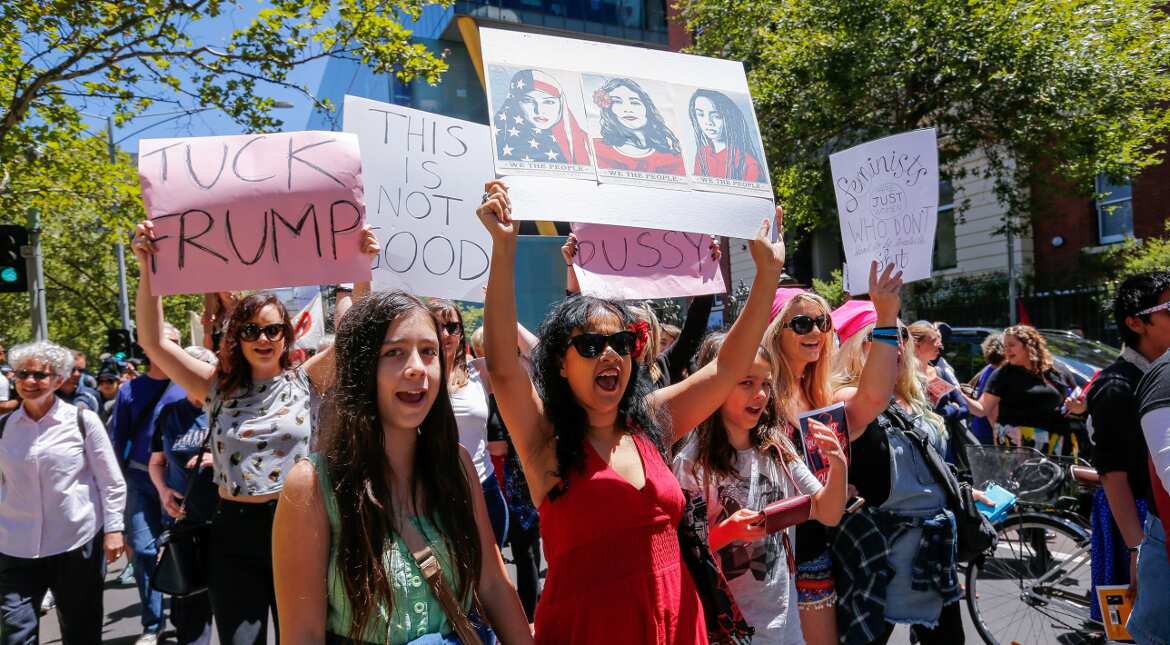
Anti-trump protests
Together, these undermine both the Constitutionally protected right to freedom of assembly and, also, the natural world
Donald Trump has banned employees of the Environmental Protection Agency (EPA) from speaking with reporters and from giving social media updates, the Associated Press reports.
The EPA is headed by Rick Perry, the former Texas governor whoSalon reports is closely connected to the Texas oil industry, including corporate roles in two petroleum companies pushing to build the 1,200-mile crude oil pipeline in North Dakota that has launched fierce backlash. Trump also has ties to a company building the pipeline. Yesterday the piple wasapproved.This approval officially reversedObama's position, and overturnedwhat environmentalists considered to be a triumph after months-long protests, where demonstratorswere soaked by officials with hosesduringcold winter weather,attacked by dogs and shot at with rubber bullets.
Before he was tasked with leading it, Perrypublicly called for the EPA to be abolished. Trump's pickfor the director of the EPA, Scott Pruitt, has challenged EPA policy in court, The Hill reports.

The ban against the EPA comes as other agency staff report being barredfrom communicating withthe general public and with members of Congress, The Hill reports.
This is only the latest chill felt by federal employees since October.
&imwidth=180&imheight=135&format=webp&quality=medium)
100,000 strikes in 3 years: How October 7 redefined Israel's war
&im=FitAndFill=(700,400)&imwidth=180&imheight=135&format=webp&quality=medium)
Happy Birthday Rekha: Watch these 7 evergreen Bollywood hits on Netflix, Prime Video and more
&imwidth=180&imheight=135&format=webp&quality=medium)
‘Your people don’t even let us near it’: IAF chief’s blunt response on US F-35; India yet to decide on Russia’s Su-57
&imwidth=180&imheight=135&format=webp&quality=medium)
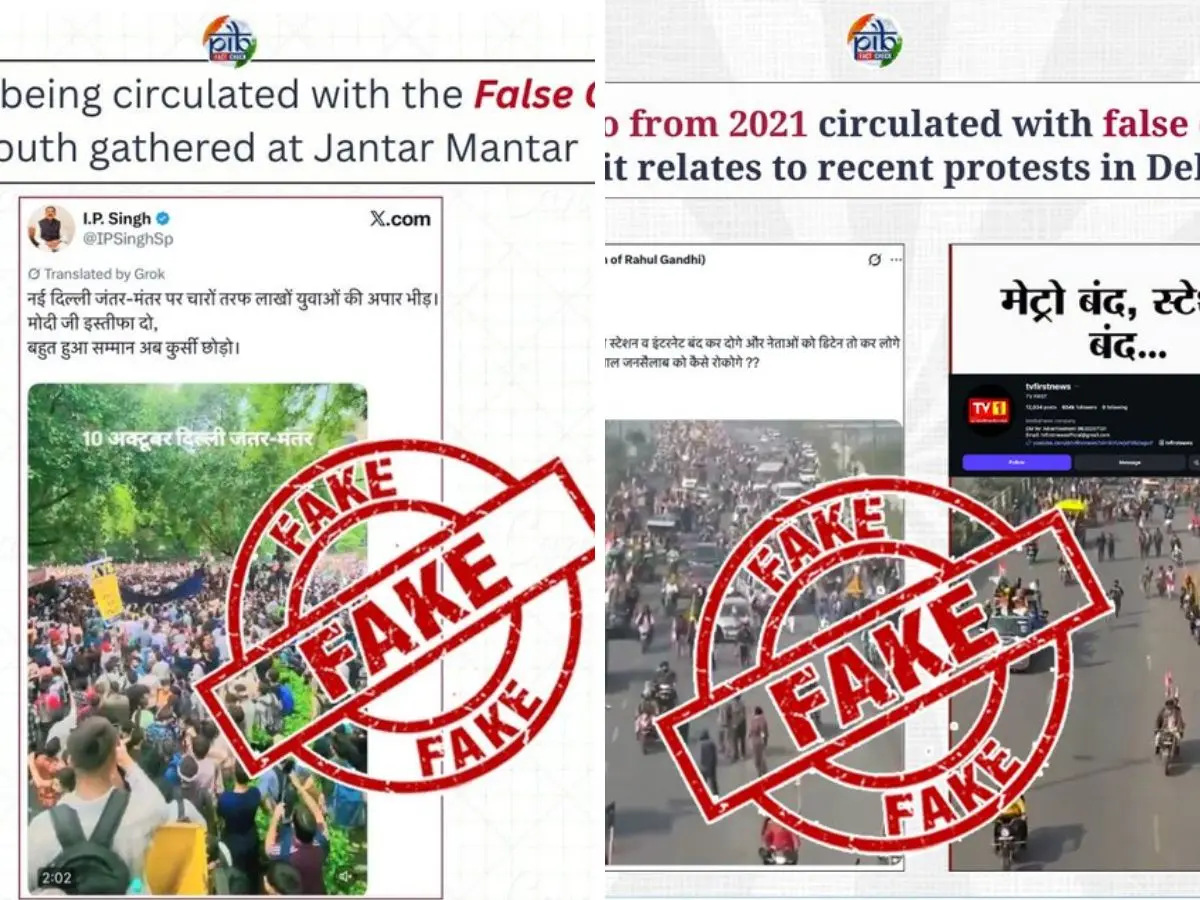
Real or fake? PIB fact-checks protest videos; Delhi Police clarifies on Gurdwara Bangla Sahib clip
&imwidth=180&imheight=135&format=webp&quality=medium)
Delhi on high alert for CJP protest: Delhi police to use body cams to 'prove whether we did anything’; Pink Force, RAF, 35,000 personnel deployed
&imwidth=180&imheight=135&format=webp&quality=medium)
‘Never-ending flow of cheap labour’: JD Vance hits back at Indian-origin Congresswoman over US green card curbs for major tech companies
&imwidth=180&imheight=135&format=webp&quality=medium)
Panama president declares ‘major disaster’ after powerful 7.7-magnitude earthquake; over 80 aftershocks recorded
&imwidth=180&imheight=135&format=webp&quality=medium)
Why Rajinikanth turned down Baasha 2 and Petta 2 but returned for Jailer 2
&imwidth=180&imheight=135&format=webp&quality=medium)
'Jantar Mantar not the story of India': BJP's Sambit Patra claims 'anarchists' tried to hold Delhi captive
&imwidth=180&imheight=135&format=webp&quality=medium)
BJP MP Ravi Shankar Prasad slams CJP protests, calls it 'shadow boxing for AAP'
&imwidth=180&imheight=135&format=webp&quality=medium)
US midterm elections: Why Zohran Mamdani's influence could become a headache for Democrats and Republicans
&imwidth=180&imheight=135&format=webp&quality=medium)
Riyadh airport hit in missile attack, dozens injured; 5 in intensive care
&imwidth=180&imheight=135&format=webp&quality=medium)
'Spent Rs 2,000 cr to elect Trump': Elon Musk bought US President's loyalty by writing the biggest political cheque in human history
&imwidth=180&imheight=135&format=webp&quality=medium)
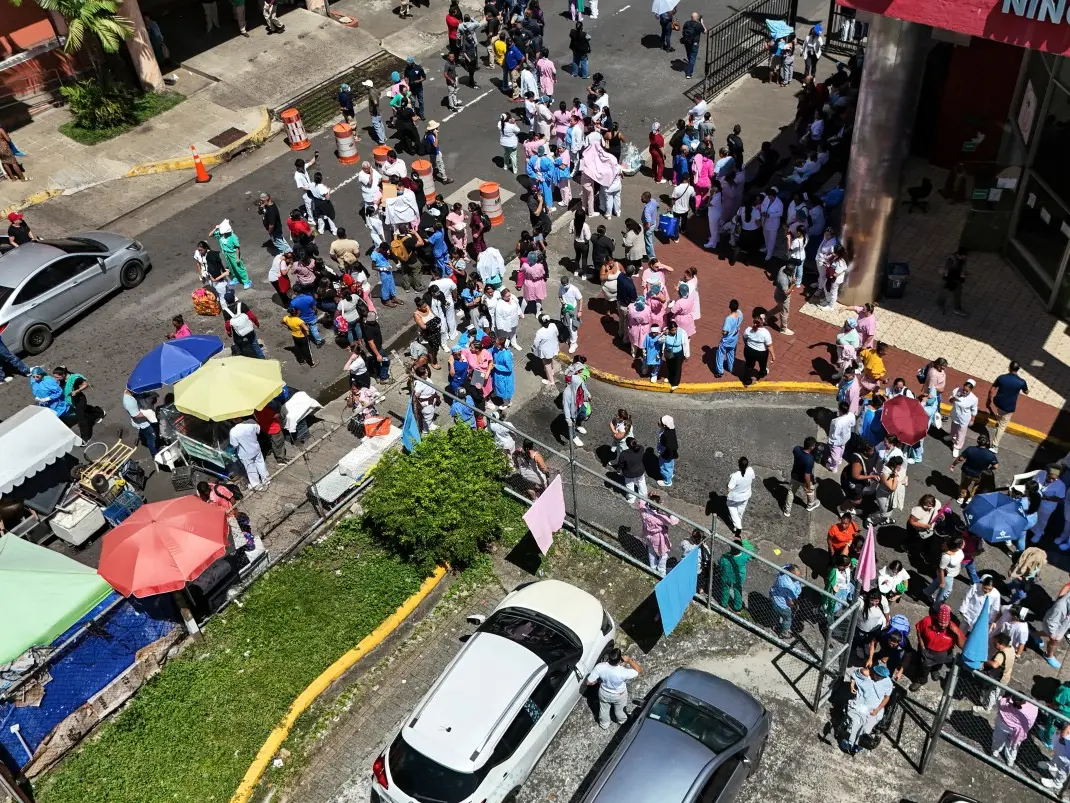
Powerful 7.7 magnitude earthquake strikes Panama, tsunami warning issued
&imwidth=180&imheight=135&format=webp&quality=medium)
Elon musk & India clash over Starlink's market entry terms
&imwidth=180&imheight=135&format=webp&quality=medium)
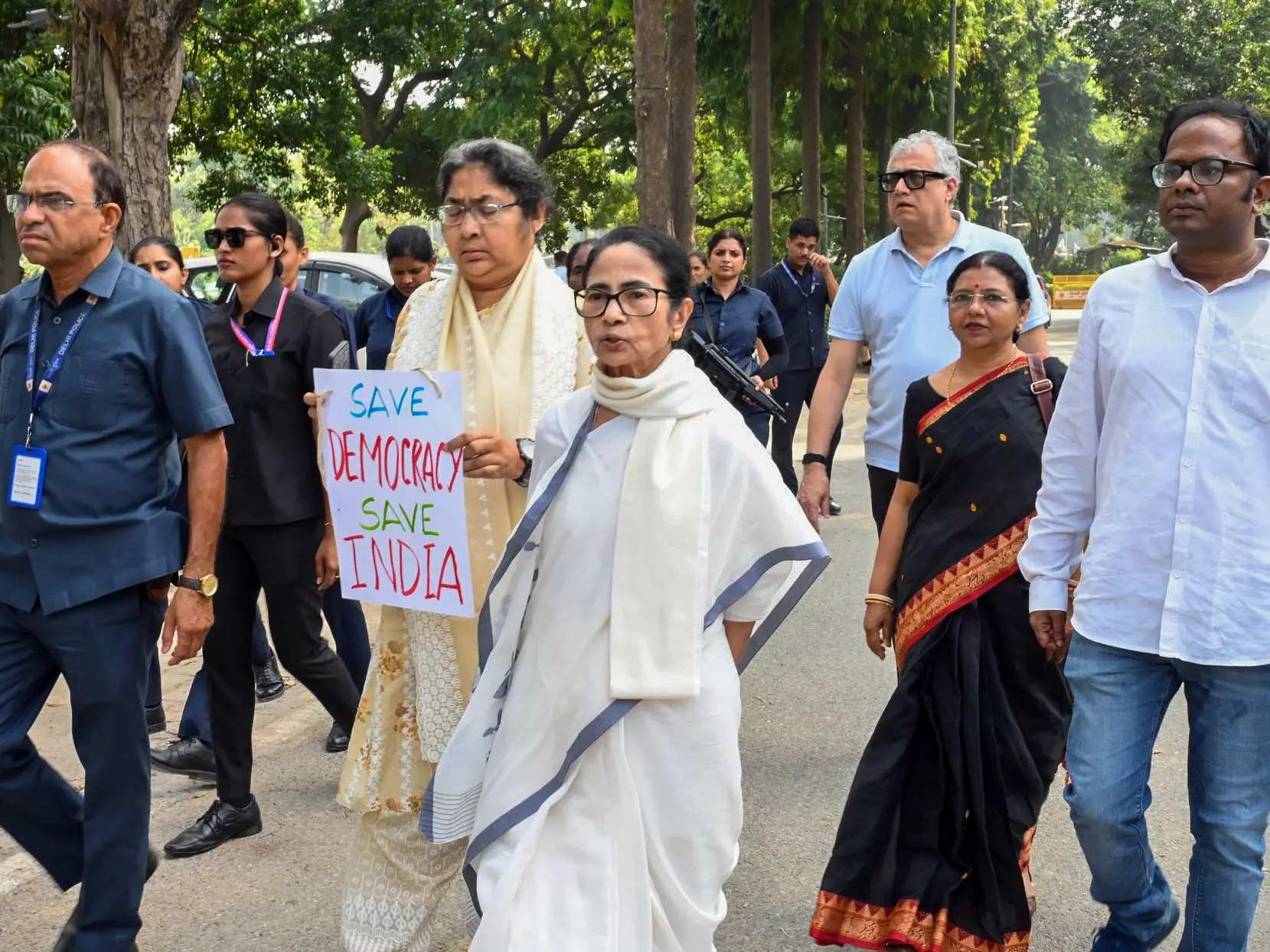
INDIA bloc plans mega protest on Monday amid Delhi crackdown, Wangchuk's warns to launch 'padyatra'
&im=FitAndFill=(700,400)&imwidth=180&imheight=135&format=webp&quality=medium)
New Friday OTT releases (October 9, 2026): Reporting Live, Animals, Take Charge of My Heart- 6 new titles coming on Netflix, JioHotstar and more
&imwidth=180&imheight=135&format=webp&quality=medium)
'Ouch!!! That must hurt': Kangana Ranaut hails Kamal Haasan's sharp reply to Elon Musk over Starlink row
&imwidth=180&imheight=135&format=webp&quality=medium)
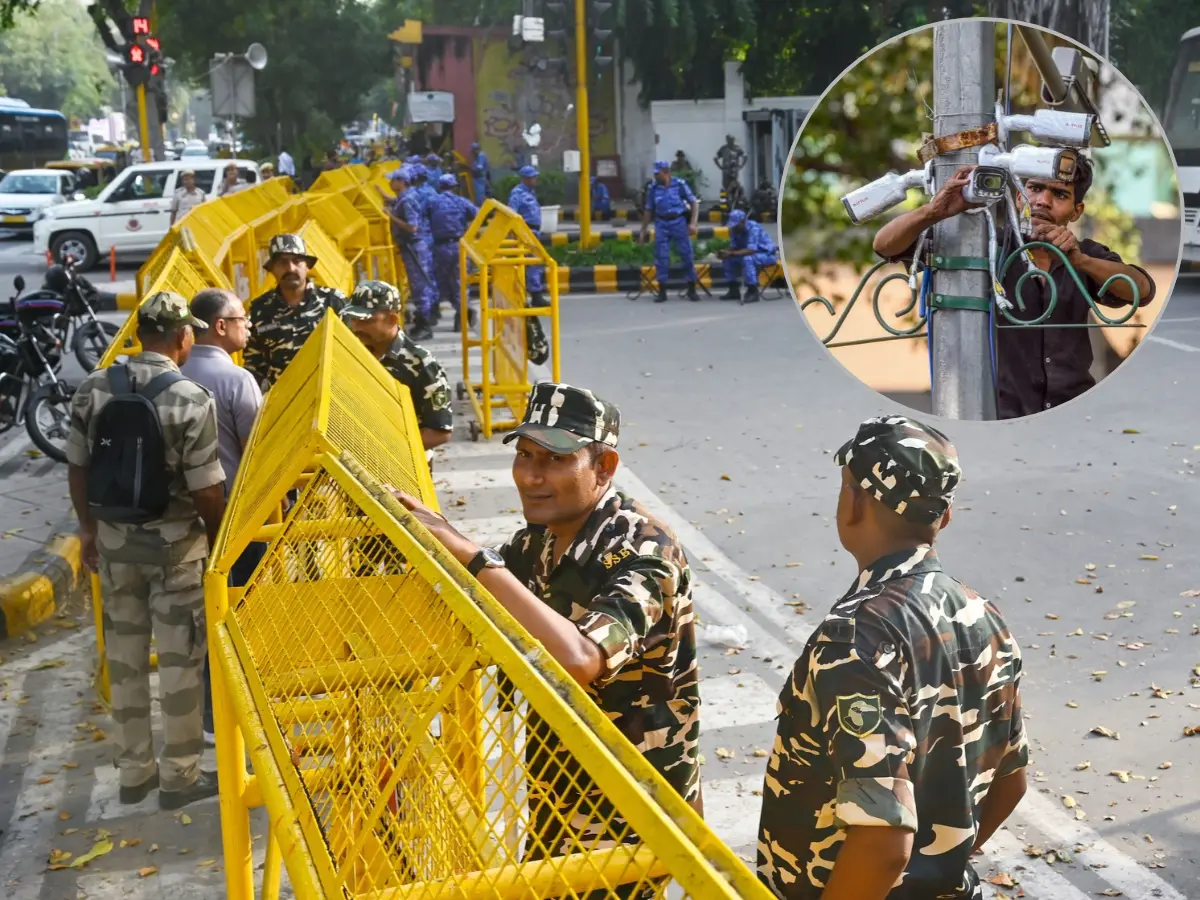
‘Right to protest must be protected, but...’: Delhi Police reveals why it denied CJP permission for October 10 Jantar Mantar protest
&imwidth=180&imheight=135&format=webp&quality=medium)
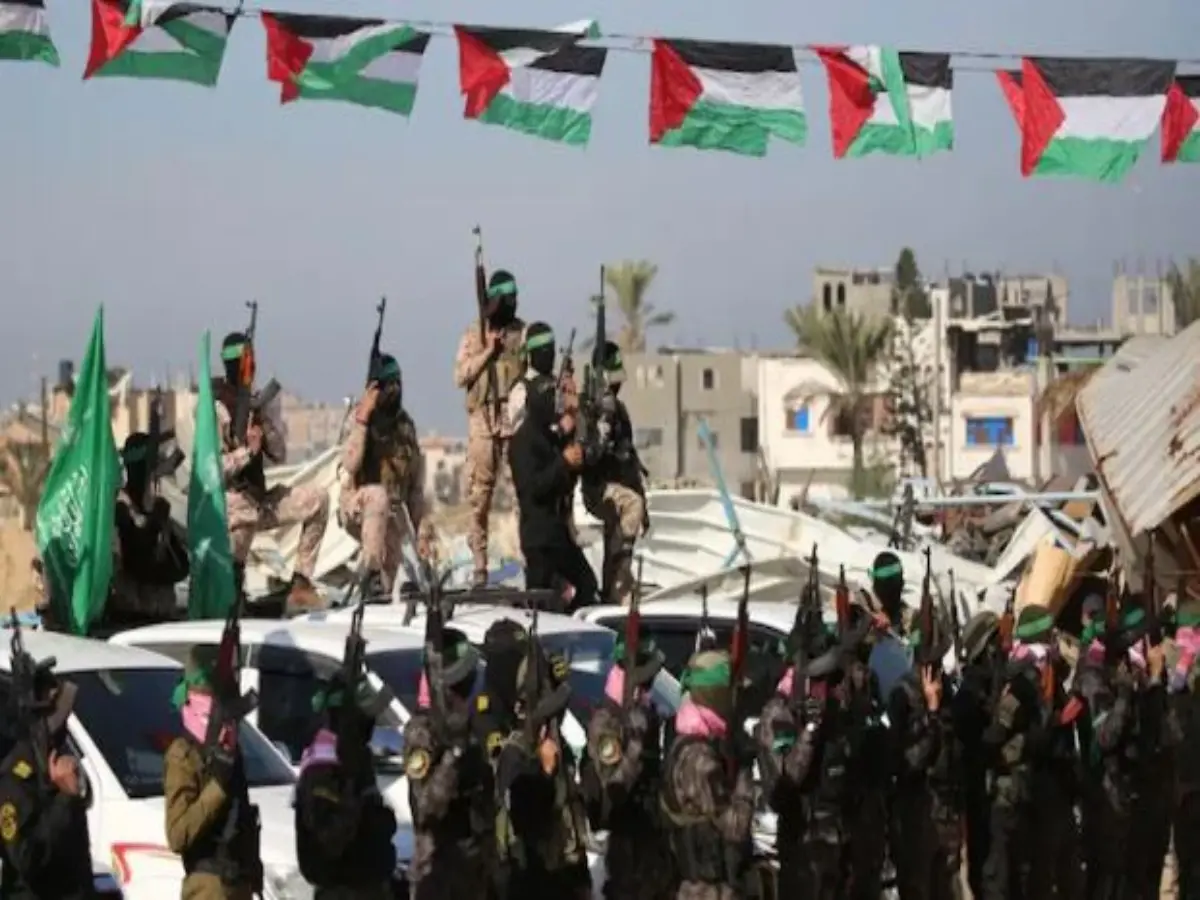
Hamas used double agents, deceived Israel to carry out October 7 massacre
&imwidth=180&imheight=135&format=webp&quality=medium)
NIA files FIR in Flydubai hijack attempt and attack on Smit Machchhar, probes ‘larger conspiracy’
&imwidth=180&imheight=135&format=webp&quality=medium)
Portugal Federation confirms Cristiano Ronaldo’s return to national team despite suspension
&imwidth=180&imheight=135&format=webp&quality=medium)
All 22 Indian seafarers safe in attack on Panama-flagged tanker off UAE coast
&imwidth=180&imheight=135&format=webp&quality=medium)
‘Time for Ukraine to get a new president’: Trump lashes out at Zelensky over Russia strikes
&im=FitAndFill=(700,400)&imwidth=180&imheight=135&format=webp&quality=medium)
Food shortages, suicide attempts and more: USS Abraham Lincoln returns to US after 321 day deployment — What happened aboard the US carrier?
&imwidth=180&imheight=135&format=webp&quality=medium)
Thai queen becomes first reigning monarch to fly jet solothailand #queen #wion
&imwidth=180&imheight=135&format=webp&quality=medium)
‘Every game against Liverpool is special’: Erling Haaland ahead of Anfield clash
&imwidth=180&imheight=135&format=webp&quality=medium)
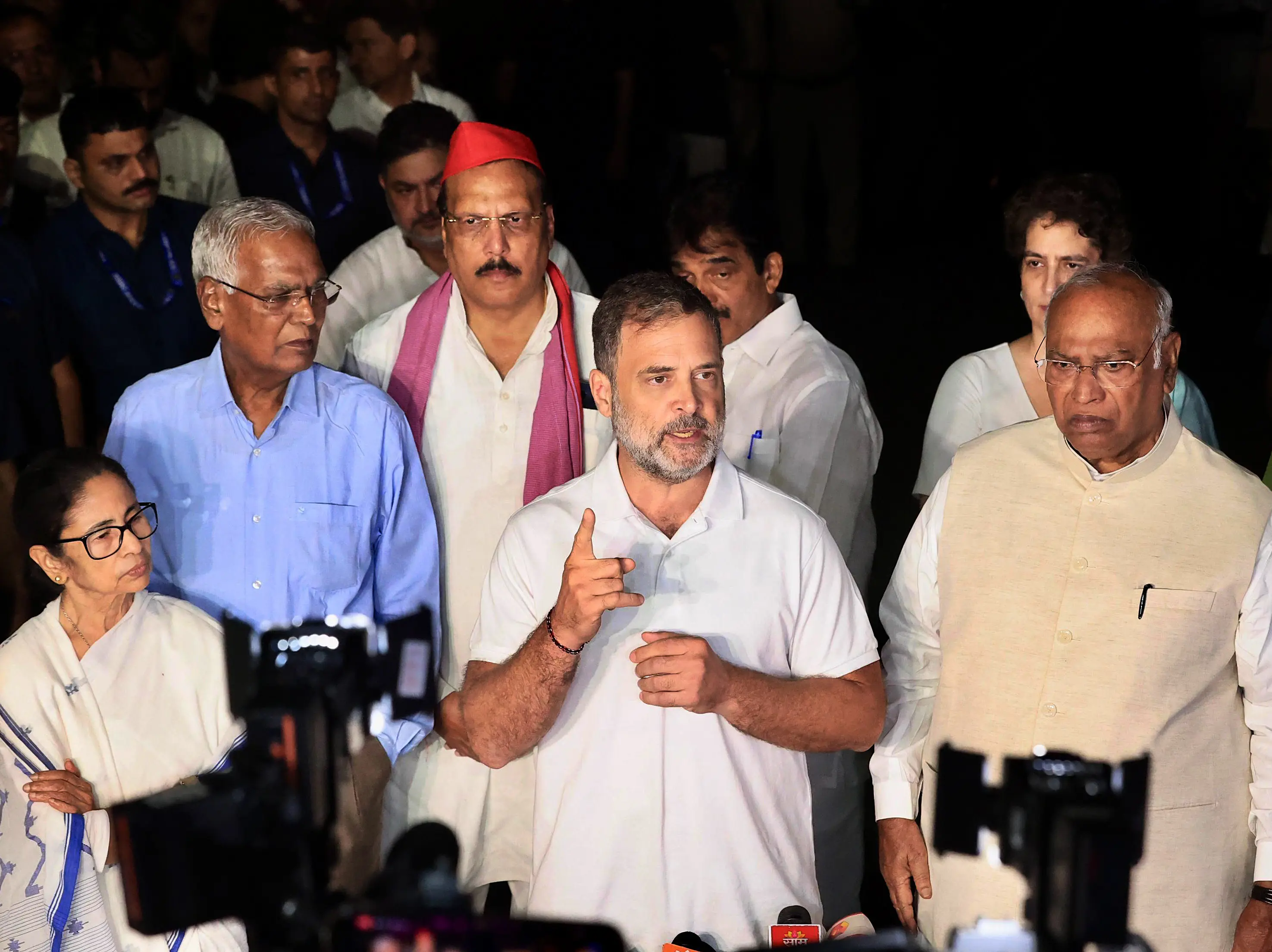
Rahul Gandhi calls Modi, Shah ‘cowards’ amid CJP protest crackdown in Delhi
&imwidth=180&imheight=135&format=webp&quality=medium)
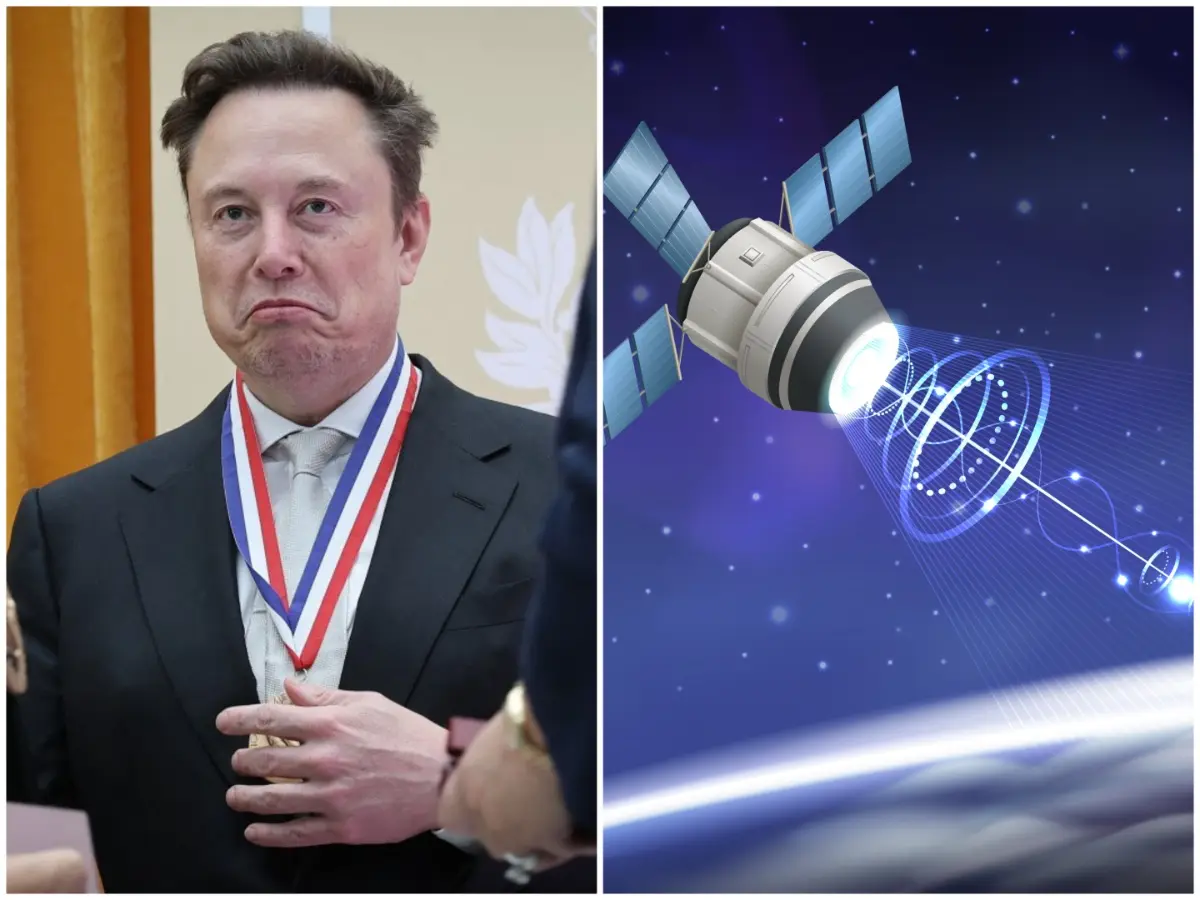
Four years, 3 licenses, zero launch: Why is Elon Musk’s Starlink still struggling to crack Indian market? EXPLAINED
&imwidth=180&imheight=135&format=webp&quality=medium)
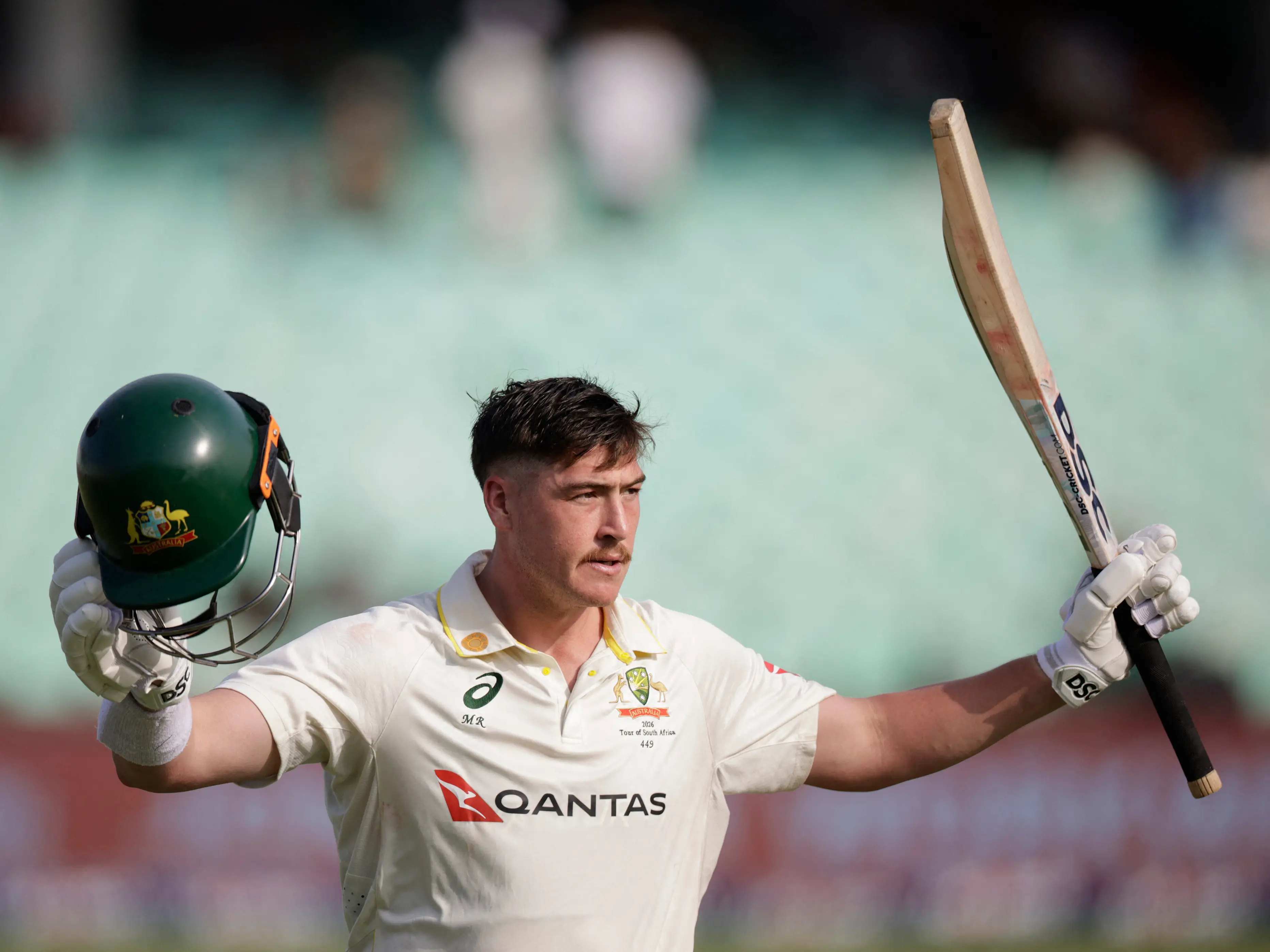
AUS vs SA 1st Test, Day 2: Renshaw shines with 190 as Australia dominate South Africa
&imwidth=180&imheight=135&format=webp&quality=medium)
Why was CJP founder Abhijeet Dipke detained? What Delhi Police said
&imwidth=180&imheight=135&format=webp&quality=medium)
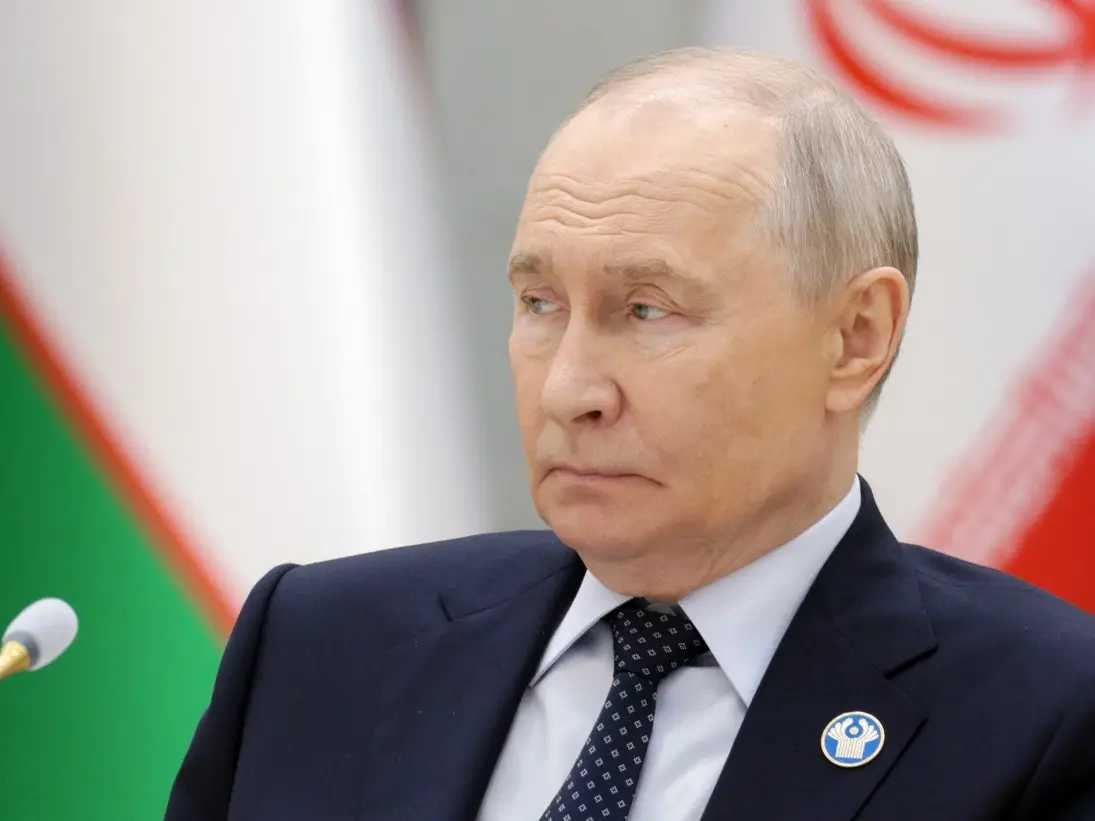
Putin conveys Iran’s proposal to Trump, offers to take Tehran’s enriched uranium
&imwidth=180&imheight=135&format=webp&quality=medium)
'It’s been 12 hours': CJP writes to Delhi Police, demands release of Dipke, Saurav Das and Ranka
In the days soon after the 2016 US election, the Trump team reportedly sought the names of individual federal employees who worked on climate change projects, and in January House Republicans revived an obscure law called the Holman Rule, which allows the government to reduce the salary of federal employees to a crippling $1.
The EPA has also frozen grant programs, ProPublica reports.
There were other bans, too: BuzzFeed reportsthat the Department of Agriculture told its employees not to share information about research or Tweet under the agency's name, while the Department of Health and Human Services was also told not to speak to public officials, theHuffington Post reports.
Republicans work to curbpublic protests
Days after the pro-women, anti-TrumpWomen's March--where Americans in over 500 US citiestook partin what might be the largest ever demonstration in American history, and were joined by millions from around the world--Republicans have made several proposalstargeting protesters.
Whilepeaceful assemblyis protected bytheAmerican Constitution,theprotection is not absolute.Republicans appear to be trying to bend it as much as possible.
For example, in Minnesota--wherepolice shot and killed a 32-year-oldblack man, Philando Castile--Black Lives Matterprotesters setup encampments andtook to the highway toshutdown traffic, MPR News reports. In the days immediately following the police shootingdozens of protesters were arrested, though the charges were dropped;Police say it cost more than $1 million in officer overtime and some damages, according to the report.
Republican Nick Zerwas pushed for bills to make it easier for prosecutors to charge protesters for blocking highways, resulting in a gross misdemeanour charge carryingup to a year in jail. Another proposedchange wouldallowpolice departments to sue convicted protesters for the costs of demonstrating.
"At some point, the rule of law has to matter. I think it's time to show there is accountability," Zerwassaid. Theproposalscould be brought about with more Republican power in the Capitol this year.
If approved, protesters would have to pay out of their own pocket for protesting, so long as policeconvicted them ofprotesting. This would incentivise police to convict protesters, and the threat of jail or fines would likely discourage protesting in general.
Meanwhile in Chicago, the cityhaspaid$500 millionfor judgements and settlements related to police misconduct in the last ten years, ChicagoCBS reports. This money, paid to victims of police brutality or tofamily members of people killed by the police, would be funded by the public.
(WION)