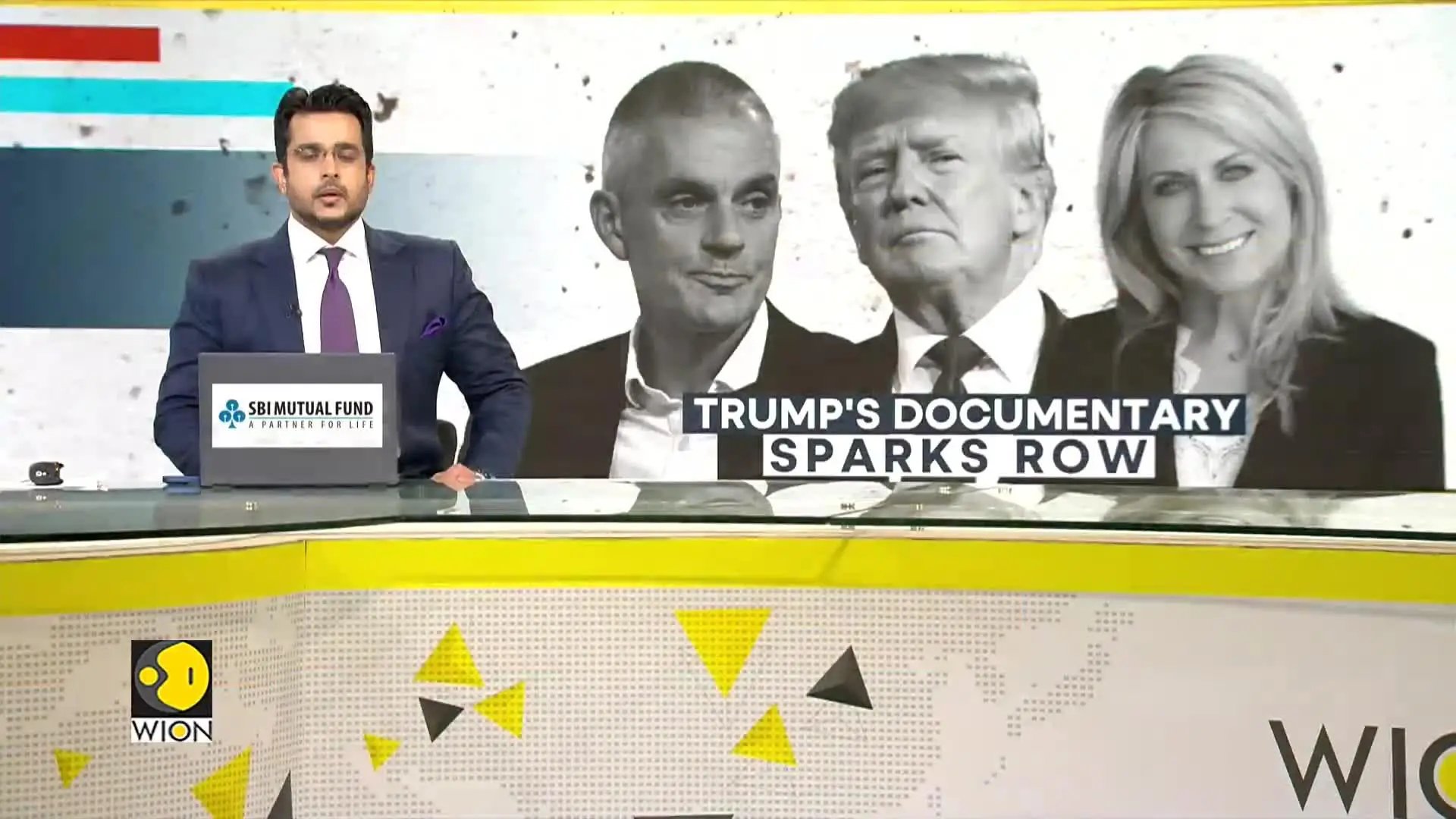
Trump says he has ‘obligation to sue' BBC, but can he win? It's complicated because…

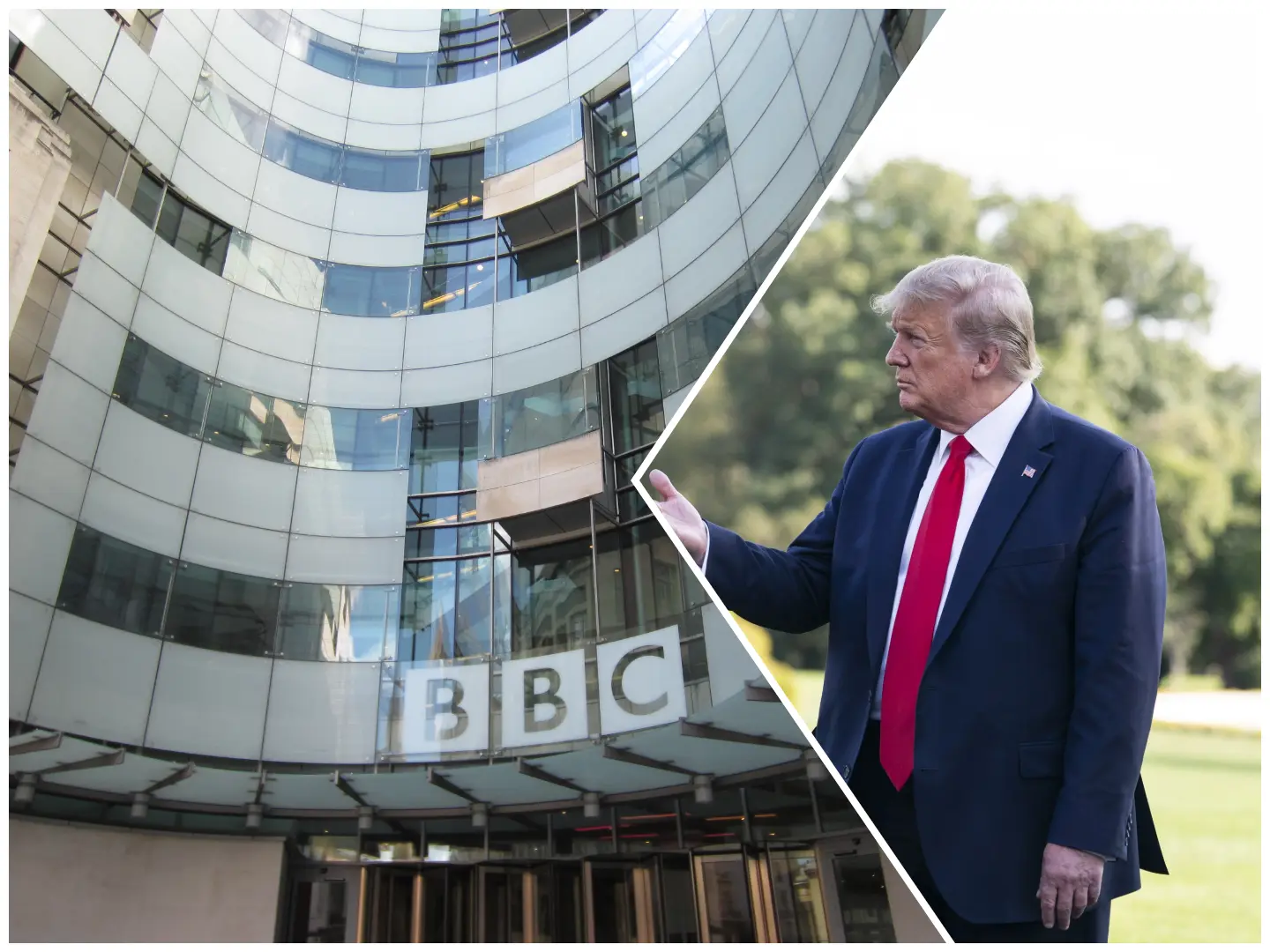&imwidth=600&imheight=450&format=webp&quality=medium "Trump says he has ‘obligation to sue' BBC, but can he win? It's complicated because…")
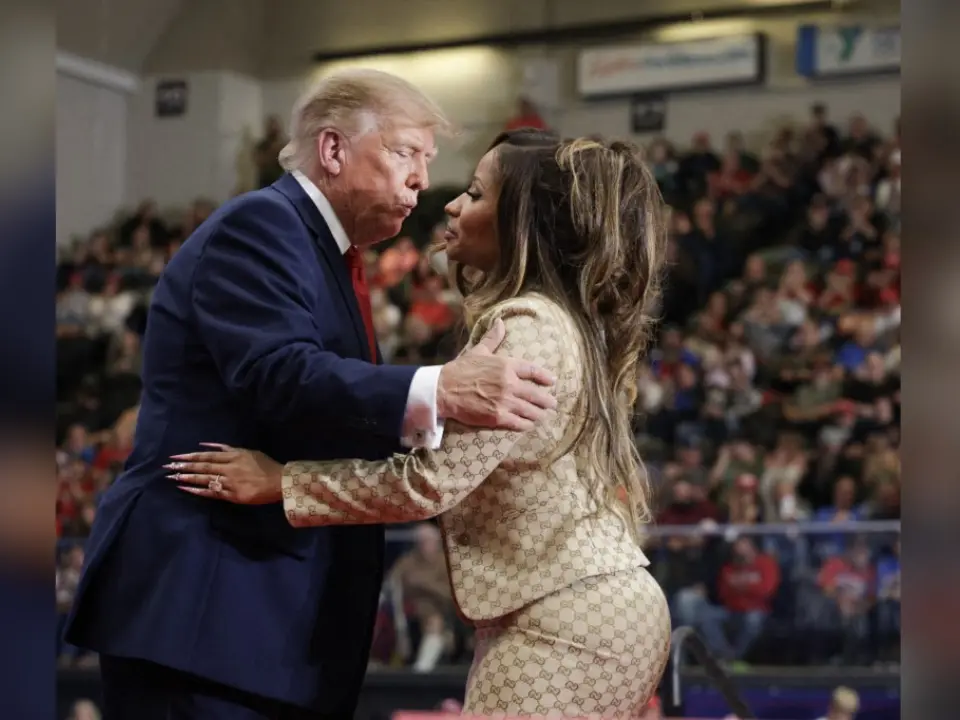
Trump appears serious about suing BBC, but can he win? Photograph: (Others)
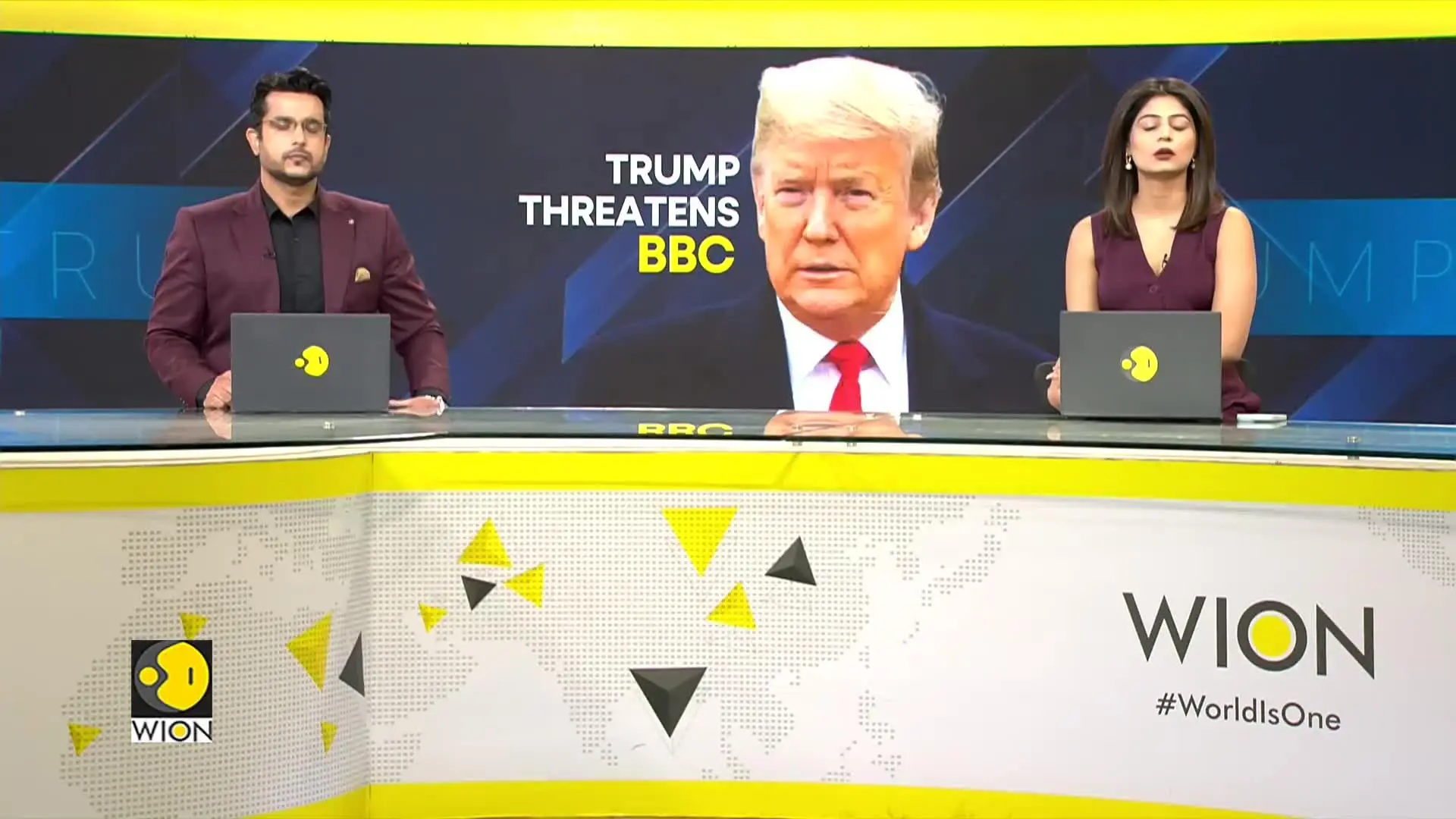
Trump plans to sue the BBC over allegedly edited January 6, 2021 footage of his speech. He is targeting $1 billion in damages. But can he win?
Donald Trump has never shied away from making his disdain of the BBC known, having publicly aired his grievances against the British broadcaster. He once described the BBC derisively as 'another beauty', and now the tussle has escalated in the wake of the Panorama documentary fiasco. Trump is threatening to sue the BBC for one billion dollars over the wrongly edited footage of his 6 January 2021 speech ahead of the Capitol riot. This would be around one-third of the BBC's funds. But can he really sue the BBC, which is a public broadcaster paid for by UK households? If he does, can he win? Well, it's complicated.
What exactly did Trump say on BBC?
The BBC Panorama documentary Trump: A Second Chance, which aired on 28 October 2024, just ahead of the last presidential elections, is the bone of contention. Trump confirmed his intent to sue the BBC, saying in an interview that he has “an obligation” to act against the BBC’s alleged misrepresentation of his 2021 speech.
Trump’s legal team, led by Alejandro Brito, sent a cease-and-desist letter alleging that the BBC selectively spliced the footage to make Trump's speech appear more provocative, while omitting sections where he had urged supporters to act “peacefully and patriotically.”
The letter demanded a retraction, an apology, and compensation for “overwhelming reputational and financial harm” to Trump, and warned of a lawsuit seeking at least $1 billion if the demands are not met. The BBC chairman apologised for an “error of judgment,” but the broadcaster has not fully complied with Trump legal team's demands.
Also read: Trump slams ‘dishonest’ BBC; outgoing news chief Turness defends it as ‘not institutionally biased’
Trending Stories
&imwidth=280&imheight=210&format=webp&quality=medium)
&imwidth=280&imheight=210&format=webp&quality=medium)
&imwidth=280&imheight=210&format=webp&quality=medium)
&im=FitAndFill=(700,400)&imwidth=280&imheight=210&format=webp&quality=medium)
&im=FitAndFill=(700,400)&imwidth=280&imheight=210&format=webp&quality=medium)
&imwidth=280&imheight=210&format=webp&quality=medium)
&imwidth=280&imheight=210&format=webp&quality=medium)
&imwidth=280&imheight=210&format=webp&quality=medium)
&imwidth=280&imheight=210&format=webp&quality=medium)
&imwidth=280&imheight=210&format=webp&quality=medium)
&im=FitAndFill=(700,400)&imwidth=280&imheight=210&format=webp&quality=medium)
&imwidth=280&imheight=210&format=webp&quality=medium)
&imwidth=280&imheight=210&format=webp&quality=medium)
&imwidth=280&imheight=210&format=webp&quality=medium)
&imwidth=280&imheight=210&format=webp&quality=medium)
&imwidth=280&imheight=210&format=webp&quality=medium)
&imwidth=280&imheight=210&format=webp&quality=medium)
&imwidth=280&imheight=210&format=webp&quality=medium)
&imwidth=280&imheight=210&format=webp&quality=medium)
&imwidth=280&imheight=210&format=webp&quality=medium)
&imwidth=280&imheight=210&format=webp&quality=medium)
&imwidth=280&imheight=210&format=webp&quality=medium)
&imwidth=280&imheight=210&format=webp&quality=medium)
&imwidth=280&imheight=210&format=webp&quality=medium)
&imwidth=280&imheight=210&format=webp&quality=medium)
&imwidth=280&imheight=210&format=webp&quality=medium)
&im=FitAndFill=(700,400)&imwidth=280&imheight=210&format=webp&quality=medium)
&imwidth=280&imheight=210&format=webp&quality=medium)
&imwidth=280&imheight=210&format=webp&quality=medium)
&im=FitAndFill=(700,400)&imwidth=280&imheight=210&format=webp&quality=medium)
&imwidth=280&imheight=210&format=webp&quality=medium)
&imwidth=280&imheight=210&format=webp&quality=medium)
&imwidth=280&imheight=210&format=webp&quality=medium)
&imwidth=280&imheight=210&format=webp&quality=medium)
&imwidth=280&imheight=210&format=webp&quality=medium)
Does suing the BBC amount to suing the British taxpayer?
The BBC gets most of its funds from the UK television licence fee, paid by some 24 million households and amounting to around £3.7 billion in 2024. As a public service broadcaster, the BBC answers to the British Parliament and not private shareholders. This, in essence, means suing the BBC is akin to suing the British taxpayer. If Trump is awarded any damages, they would have to come from public funds, insurance reserves, higher licence fees, or government support.
If Trump wins the lawsuit, it could strain the BBC’s budget, and taxpayers would have to bear the financial burden.
Also read: ‘Leftist propaganda’: White House slams BBC over fake news against Trump, UK govt said THIS
Where can Trump sue the BBC?
At the time of writing, Trump’s legal team is not pursuing the case in the UK, but in the US state of Florida, relying on American jurisdiction over the BBC’s US operations, such as its Washington bureau and international streaming.
Team Trump is using Florida Statute 770.011, which requires pre-suit notice for libel actions against foreign entities.
Why Trump can't sue the BBC in the UK
In this case, the one-year statute of limitations has passed, as the documentary aired in October 2024. Even if a case were filed in Britain, it could be dismissed as 'time-barred'. Florida is seen as more plaintiff-friendly, but even a favourable ruling there would not be enough. Enforcing a US judgment in the UK, where the BBC is based, would require separate proceedings under the Foreign Judgments (Reciprocal Enforcement) Act 1933.
Who will hear the BBC case if Trump sues it?
If the case is filed in Florida, it would be heard in a Florida Circuit Court, with a potential jury deciding liability and damages. Appeals could progress to Florida’s District Courts of Appeal, and then to the Florida Supreme Court. If moved to federal court via diversity jurisdiction, a US District Judge would preside over the case. US federal agencies like the FCC are unlikely to get involved, as it would be a private civil case.
How will the BBC fight back?
If the case is brought by Trump, the BBC is expected to challenge the jurisdiction of Florida, arguing insufficient ties and that the alleged defamation occurred in the UK.
Winning a case against the BBC is easier said than done, as threats and lawsuits from politicians are nothing new for the British public broadcaster. It has defended itself effectively using internal resources and public backing in the past.
So, can Trump win against the BBC?
Trump’s chances are being described as “slim to none" by legal experts, particularly given the strong First Amendment protections for media in the US Constitution.
As per the precedent set by the New York Times v. Sullivan case, Trump must prove “actual malice,” meaning the BBC knowingly falsified or recklessly disregarded the truth. This would be difficult, though the BBC’s partial admission of an editing error may support falsity. It would still be hard to prove that it was intentional rather than negligence. Jurisdictional disputes could also derail the case before it even reaches trial.
Even if Trump wins, $1 billion in damages is considered unrealistic, and the BBC is expected to contest the suit vigorously, potentially turning it into a test case for freedom of speech.