
&imwidth=800&imheight=600&format=webp&quality=medium "Trump’s Iran war has cost US $38.1 billion, CBO estimates; missile stocks face major strain")
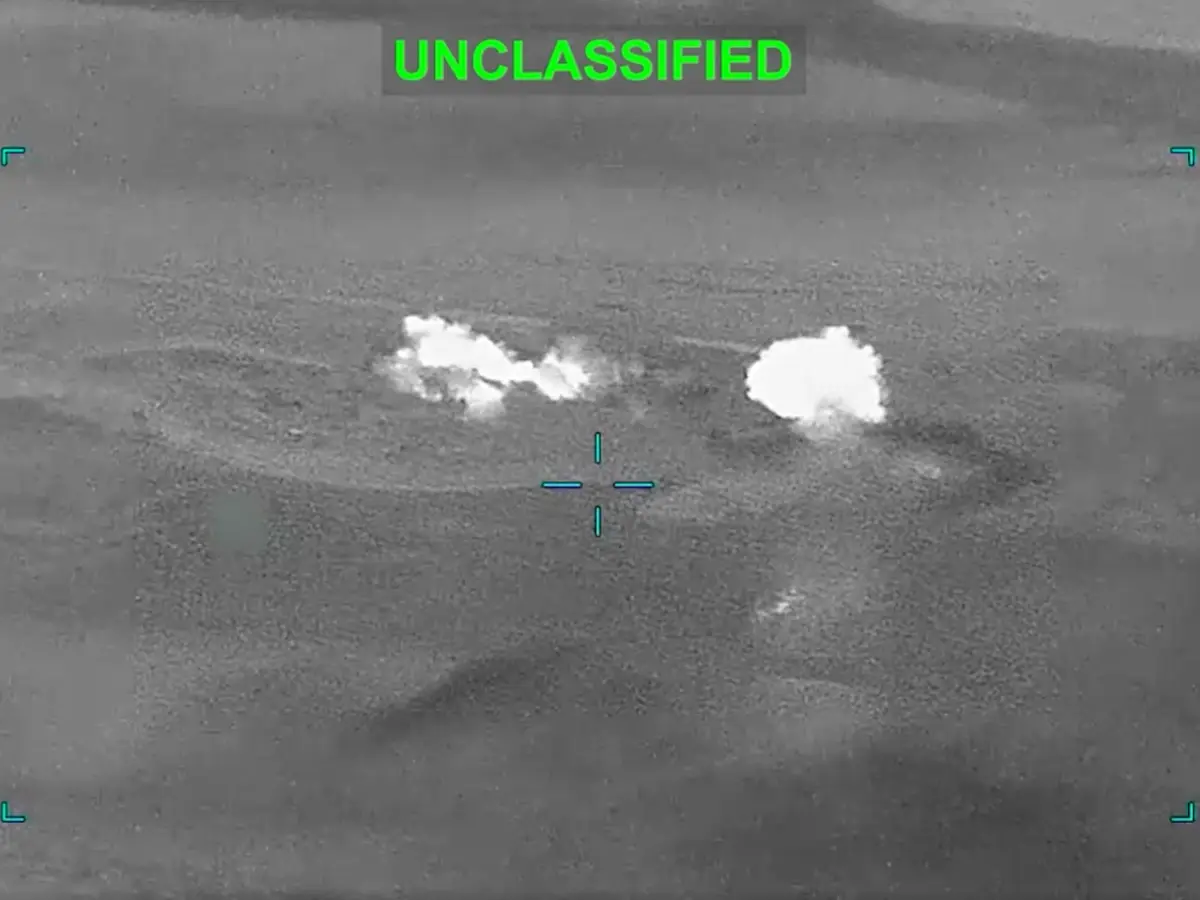
The cost of US President Donald Trump's war on Iran has risen to an estimated $38.1 billion till August, according to a report released by the nonpartisan Congressional Budget Office (CBO). According to the report, the war could cost America another $2 billion to $3 billion for each additional month of fighting.
The CBO lists the report, "Estimating the Costs of Combat Operations Against Iran," among its current defence and national security studies.
Of the over $38 billion spent on the war, more than half was spent on replacing missiles and other munitions used in the conflict. Meanwhile, increased flying hours accounted for another $10.4 billion. Higher fuel prices added an estimated $2.7 billion, according to the figures in the report.

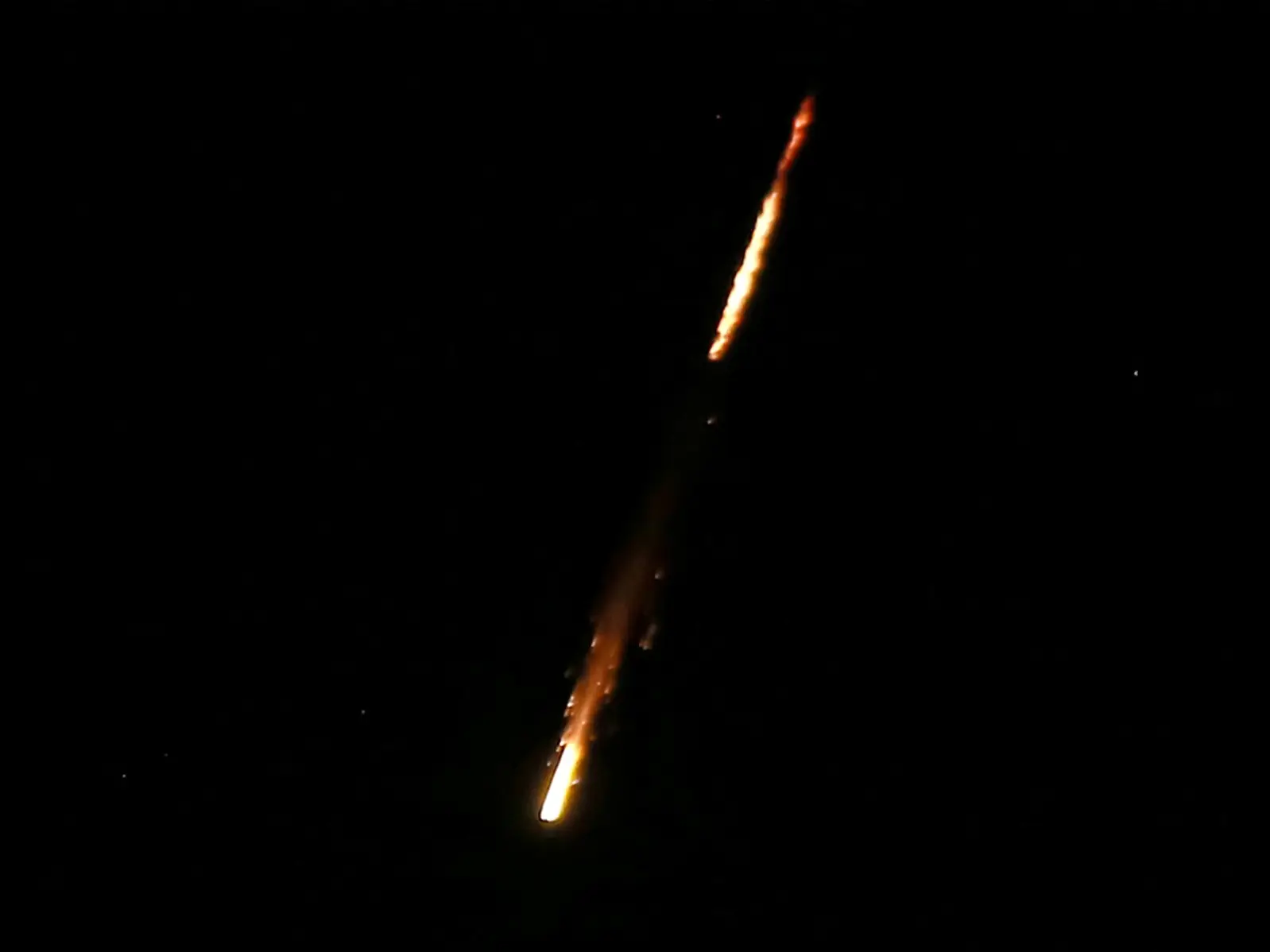
The conflict has also placed heavy pressure on the US missile-defence stockpile. The CBO estimates that as much as two-thirds of the nation's missile-defence interceptors have been used since June 2025, largely as the US helped defend Israel against Iranian attacks.
"Rebuilding DoD’s inventory of interceptors would probably take at least five years, even if production was increased," the CBO said in the report, requested by Rep. Brendan Boyle, the Pennsylvania Democrat and top Democrat on the House Budget Committee.
Trending Stories
)
‘Kill all in the name of...’: FBI arrests 21-year-old over alleged ISIS-inspired mass-casualty attack plot
)
Space mines, lasers & robotic arms: Lt Gen Pannu decodes US disclosure of weapons in space
)
Bitter Zelensky snubs Trump for playing politics with Ukraine war | Gravitas
)
US fires up to 70 interceptors against Iran attack on Jordan, putting supplies under pressure
)
India’s imports from Russia jump 57% in five months; China remains top import source
)
‘US military task force aiding Saudi Arabia forces with intel, planning support’: Official
)
OpenAI boss Sam Altman repeats AI 'slow down' call, says world 'right to be afraid'
)
Top military commanders from US, Israel, and 7 Arab nations held secret meeting on Iran War
)
Sydney Sweeney defends provocative ad choice, the internet is still not impressed
)
'Definitely feel bad for yourself': Kuldeep Yadav opens up on India Test snubs
)
Delhi schools receive bomb threats in Punjabi, security checks find nothing suspicious
)
Ex-India all-rounder Yuvraj Singh wants India to avoid 'massive changes' before ODI World Cup 2027
)
Ed Sheeran’s US tour loses all support acts after Macklemore’s removal | Controversy explained
)
China's property crisis deepens as investment plunges nearly 20%
)
Messi set to play in farewell match on October 6 in Argentina vs Benin friendly
)
2,200 people donate Rs 1.5 crore for 'docile' Georgia donkey 'HeeHaw' shot dead by police officer
)
Putin-linked Russian oligarch, Melania links: Why Trump skipped his son’s Bahamas wedding bash?
)
800 million years old - Scientists discover 'fingerprints' of supercontinent Gondwana in ancient rocks
)
Saudi turns to Israel for intelligence help as Houthi attacks intensify: Report
)
Trump's name cannot return to Kennedy Center, US judge rules
)
Water equivalent to two Pacific Oceans could be stashed 2,900 km inside Earth
)
1,200 Indian and US troops begin high-altitude and desert drills
)
Ex-CIA officer caught with gold bars worth $40 million seeks plea deal | Gravitas
&im=FitAndFill=(700,400))
New OTT releases this week (September 14-20, 2026): Lust Stories 3, Waiting Hai, Irumudi- 5 new titles coming on Netflix, Prime Video and more
)
Trump's Iran war faces fresh House rebuke; 7 Republicans join Democrats in push to end conflict ahead of midterms
)
US Treasury yields cross 5% as Scott Bessent warns of ‘global issues’ impacting bonds
)
Who is Kalyan Bainsla, accused in the Gurugram hit-and-run case involving woman biker?
)
Saudi Arabia discovers 110 million tonnes of Uranium-rich ore in Madinah region
)
'Now Trump is copying us': Shivakumar links US $5,000 plan to Congress guarantees
)
Elephants hide behind trees, stage surprise attack on poachers targeting rhinos in South Africa
)
Los Angeles helicopter crash: At least three dead, several injured; NTSB to investigate
)
West Bengal IPS officer Bushra Bano transferred after objections to ‘Assalamualaikum’, ‘Inshallah’
)
Spanish officer sent home from NATO base over affair with 'Russian spy' | Gravitas
)
Saudi Arabia accuses Houthis of drone attack on Mecca, first-ever red alert in Islam's holiest site sparks panic
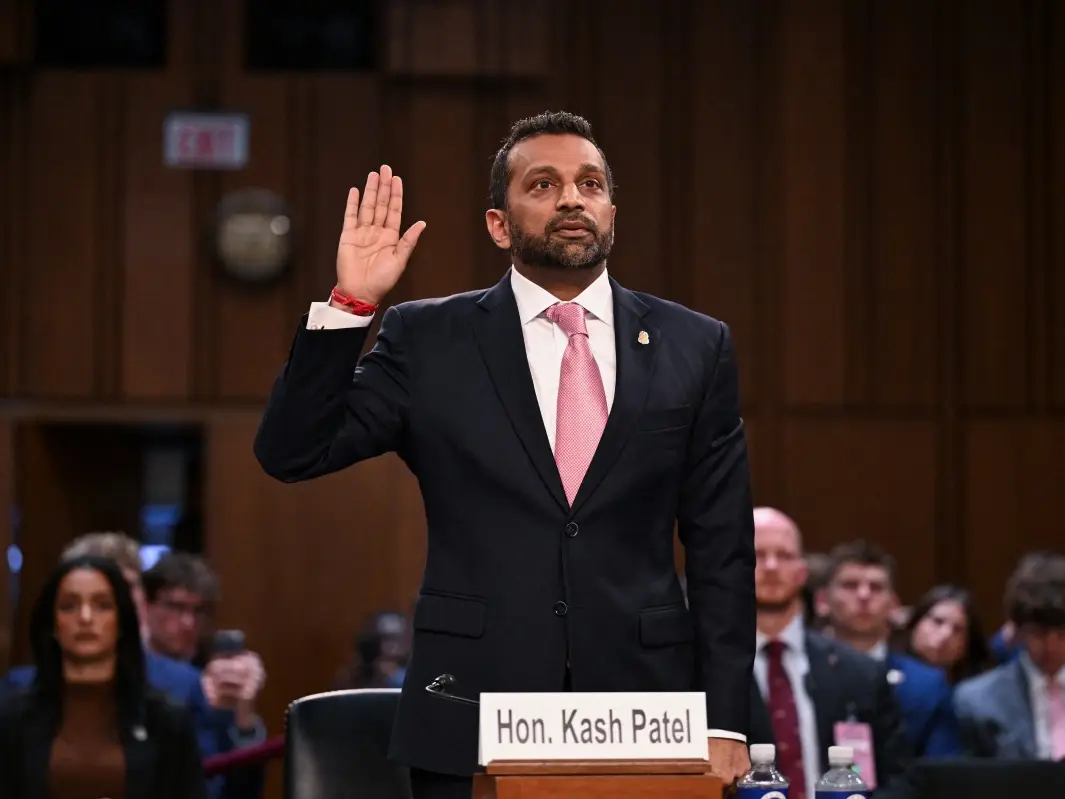)
'Like a thug you are using agency to go after..': Kash Patel grilled by Senate Democrats over FBI firings, journalist investigations and hiring policy
Missile shortages could affect US readiness
The depletion of interceptor stocks could have wider implications for US military planning, particularly in a potential conflict involving an adversary with large inventories of ballistic and cruise missiles.
The CBO specifically pointed to China and a possible conflict over Taiwan, warning that shortages could become "especially problematic" under those circumstances.
The pace of weapons use has also strained the broader US defence industrial base. A recent Defense Department inspector general assessment cited shortages of solid rocket motors, explosives, propellants and skilled workers as obstacles to rebuilding stockpiles.
War pushing up inflation and fuel prices
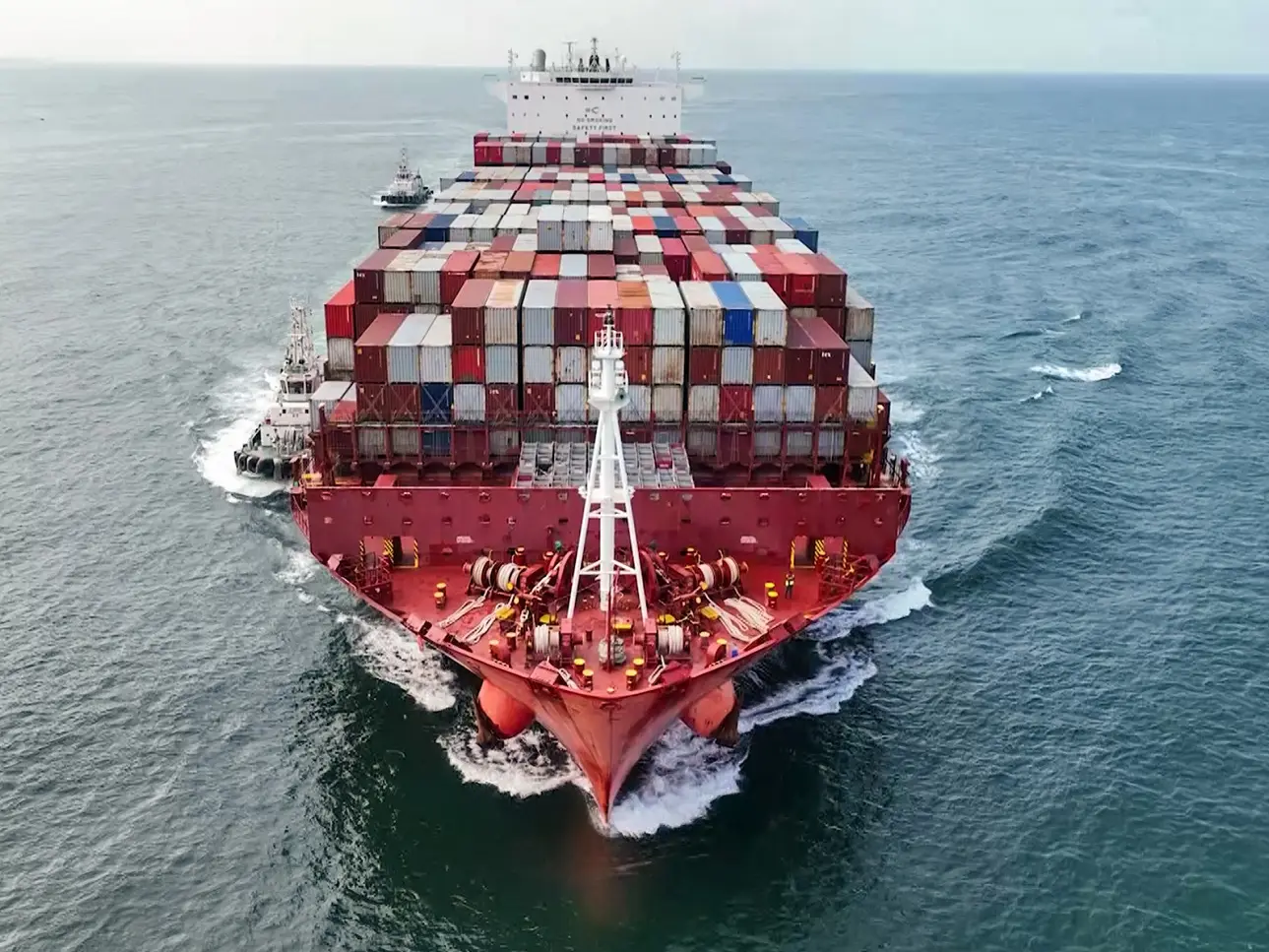
The economic effects of the conflict are extending beyond the Pentagon. Disruptions to oil and natural gas shipments through the Strait of Hormuz, along with interruptions to shipping through the Red Sea, have pushed up energy and transportation costs.
The CBO estimates that by the first quarter of 2027, the war could add 0.5 percentage points to year-over-year inflation as measured by the personal consumption expenditures price index, the Federal Reserve’s preferred inflation gauge. Core PCE inflation could be 0.3 percentage points higher, it said.
"The price of almost every product reflects shipping costs," the CBO said. By early 2027, gasoline and other fuels are expected to account for about 40% of the conflict’s impact on consumer prices, according to the analysis.

