Trump rebukes Israel over Lebanon ceasefire, a shift in power dynamics in West Asia

&imwidth=600&imheight=450&format=webp&quality=medium "Trump rebukes Israel over Lebanon ceasefire, a shift in power dynamics in West Asia")
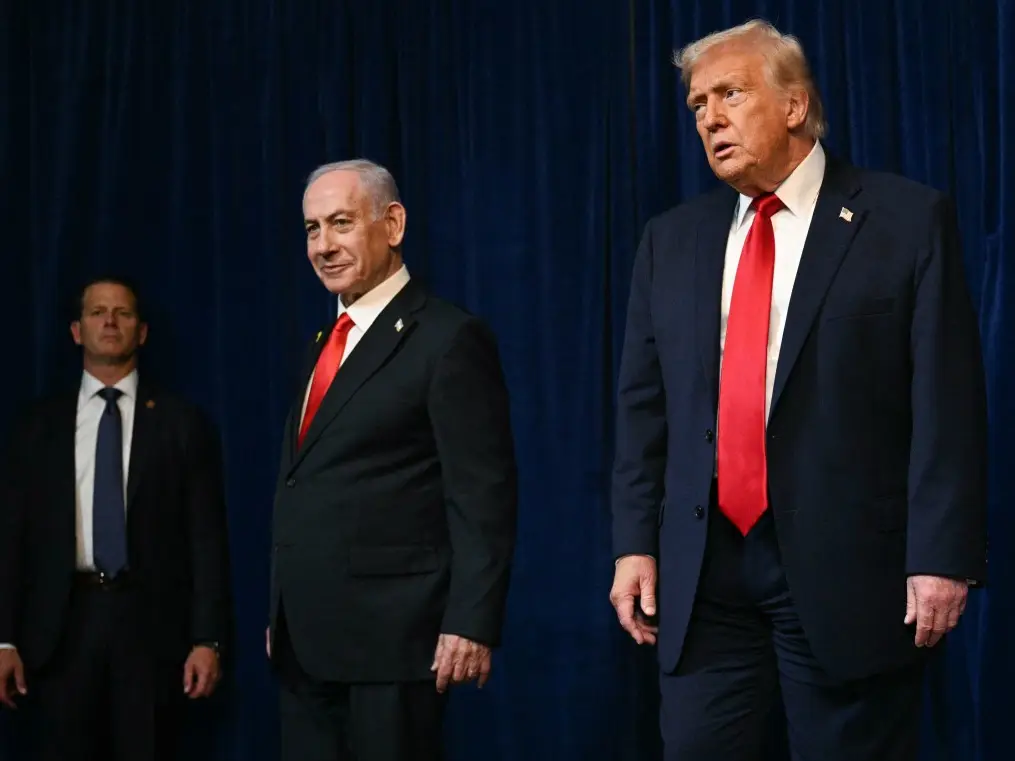
A member of the Secret Service (L) looks on as US President Donald Trump (R) and Israeli Prime Minister Benjamin Netanyahu (C) leave at the conclusion of a joint press conference at Trump’s Mar-a-Lago residence in Palm Beach, Florida, on December 29, 2025. Photograph: (AFP)
In an unprecedented occurrence, Trump rebuked Netanyahu over Lebanon ceasefire violations as Iran announces Strait of Hormuz reopening, signalling shifting West Asia dynamics.
US President Donald Trump issued an unprecedented public rebuke to Israeli Prime Minister Benjamin Netanyahu and ordered him to stop military action roughly 15 hours after the Israel-Lebanon ceasefire officially took effect. Soon after, Iran announced the reopening of the Strait of Hormuz. According to an Axios report, the remark created confusion among the Israelis and shocked the Netanyahu officials.
“Israel will not be bombing Lebanon any longer. They are PROHIBITED from doing so by the U.S.A. Enough is enough!!!” said Trump in a statement on social media.
The statement came just after US President Donald Trump, after reports that Israel committed several violations of a ceasefire in Lebanon. Prime Minister Netanyahu released a video statement. While he accepted the truce, he claimed Israeli forces would stay in southern Lebanon to counter "imminent threats" and stated, "We have not yet finished the job."
“There are things we plan to do regarding the remaining rocket threat and the drone threat, which I will not detail here,” said Netanyahu. Following the sharp rebuke directed at Israel, Trump invited both Israeli Prime Minister Benjamin Netanyahu and Lebanese President Michel Aoun to the White House for "meaningful talks" next week to finalise a permanent peace.
Also Read: Iran rejects uranium transfer, calls it 'sacred' and contradicts Trump on Strait of Hormuz
Is the ceasefire in Lebanon a shift in power dynamics in West Asia
Trending Stories
&imwidth=280&imheight=210&format=webp&quality=medium)
&imwidth=280&imheight=210&format=webp&quality=medium)
&imwidth=280&imheight=210&format=webp&quality=medium)
&imwidth=280&imheight=210&format=webp&quality=medium)
&imwidth=280&imheight=210&format=webp&quality=medium)
&imwidth=280&imheight=210&format=webp&quality=medium)
&imwidth=280&imheight=210&format=webp&quality=medium)
&imwidth=280&imheight=210&format=webp&quality=medium)
&imwidth=280&imheight=210&format=webp&quality=medium)
&imwidth=280&imheight=210&format=webp&quality=medium)
&imwidth=280&imheight=210&format=webp&quality=medium)
&imwidth=280&imheight=210&format=webp&quality=medium)
&imwidth=280&imheight=210&format=webp&quality=medium)
&imwidth=280&imheight=210&format=webp&quality=medium)
&imwidth=280&imheight=210&format=webp&quality=medium)
&imwidth=280&imheight=210&format=webp&quality=medium)
&imwidth=280&imheight=210&format=webp&quality=medium)
&imwidth=280&imheight=210&format=webp&quality=medium)
&imwidth=280&imheight=210&format=webp&quality=medium)
&imwidth=280&imheight=210&format=webp&quality=medium)
&imwidth=280&imheight=210&format=webp&quality=medium)
&imwidth=280&imheight=210&format=webp&quality=medium)
&imwidth=280&imheight=210&format=webp&quality=medium)
&imwidth=280&imheight=210&format=webp&quality=medium)
&imwidth=280&imheight=210&format=webp&quality=medium)
&imwidth=280&imheight=210&format=webp&quality=medium)
&imwidth=280&imheight=210&format=webp&quality=medium)
&imwidth=280&imheight=210&format=webp&quality=medium)
&imwidth=280&imheight=210&format=webp&quality=medium)
&im=FitAndFill=(700,400)&imwidth=280&imheight=210&format=webp&quality=medium)
&imwidth=280&imheight=210&format=webp&quality=medium)
&imwidth=280&imheight=210&format=webp&quality=medium)
&imwidth=280&imheight=210&format=webp&quality=medium)
&im=FitAndFill=(700,400)&imwidth=280&imheight=210&format=webp&quality=medium)
&imwidth=280&imheight=210&format=webp&quality=medium)
The ceasefire in Lebanon, which was tried to be bulldozed by the US-Israeli camp in a lopsided agreement. The Trump administration at first tried to did not want to link the Iran-US-Israel situation with Lebanon, claiming it was a simple misunderstanding. At least 570 people had been killed in Lebanon since Pakistan first pushed for Lebanon’s inclusion on April 8. But since Trump rebuked Israel over its violation of the 10-day truce, Israeli officials and Ambassador Yechiel Leiter reportedly "scrambled" to determine if the US had fundamentally shifted its policy. White House later issued a clarification that offensive military operations are strictly barred during the 10-day truce, Israel does retain the right to respond to specific, imminent threats in self-defense.
This shows a shift in the power dynamics in the vital West Asia region, one from unilateral US-backed Israeli aggression to a multilateral negotiated process, at the core of which lies the issue of a Palestinian state, which the US-Israeli camp tries to avoid accountability. In its broadest historical context, American University of Beirut Professor Rami Khouri said the moment is “part of the last chapter of the anti-colonial battle in the Middle East: the Iranians, Hezbollah, Hamas, and others are fighting to stop a century of Western military dominance and control of this region. Palestine is the core element.”