Trump blocked THIS news agency from Modi press conference amid 'Gulf of Mexico/America' naming dispute

World news | Discover why the Trump administration barred this news agency from a key press event with Modi, amid a naming dispute involving the Gulf of Mexico.
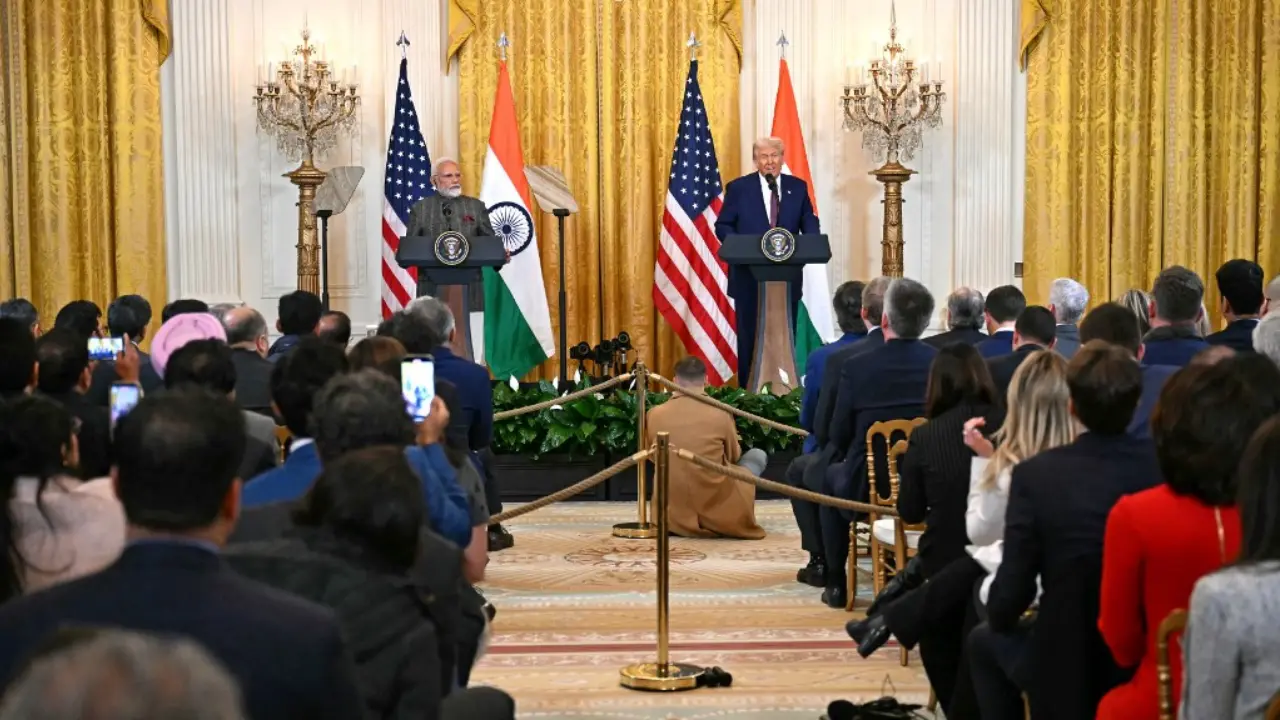
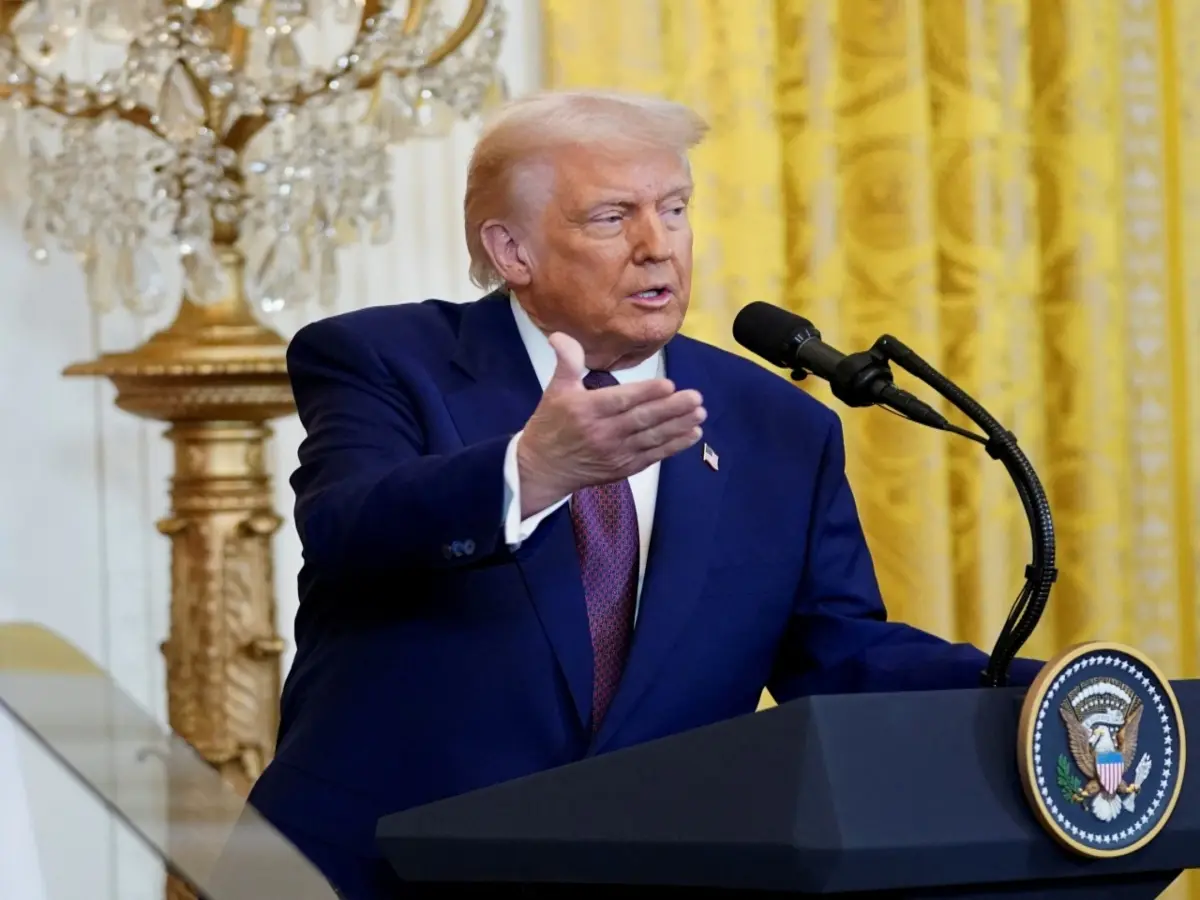
US President Donald Trump's team on Thursday (Feb 13) blocked the Associated Press (AP), one of the world's most prominent news organisations, from attending the Republican's joint press conference with Indian Prime Minister Narendra Modi.
The move, as per reports, follows days of increasing restrictions on the AP's access to White House events. The restrictions come after AP failed to comply with Trump's order renaming the Gulf of Mexico as the Gulf of America.

AP slams increasing restriction
In a statement, AP executive editor Julie Pace condemned the exclusion as "a deeply troubling escalation of the administration's continued efforts to punish The Associated Press for its editorial decisions"
She called on the Trump White House to immediately halt the practice, describing it as "a plain violation of the First Amendment".
)
The Early Spring is proof not everyone can talk about their real feelings, and it is perfectly OK
)
UN votes to ‘correct the map’ as India backs fairer world view
)
Nigerian Navy discovers 99,000 litres of suspected stolen, illegally refined products as it intensifies anti-crude oil theft operations
)
Who is Aditi Paudel? 17-year-old becomes Japan's first literacy ambassador
)
Bengaluru: Officials find 40 kg expired chilli at chairman's club
)
Jaishankar rejects trade link to ending Ukraine war
)
Israeli strikes on Lebanon kill three, injure 23 despite truce
)
Alpine glacier was covered with sheep wool sheets to prevent melting. It worked
)
South Korea mulls deploying military assets to Strait of Hormuz
)
World's fifth-largest economy, British army can't afford to train
)
Breaking | Vance takes the podium: First White House briefing since Leavitt's exit
)
Taiwan raises 'concerns' over China's missile test
)
BRICS 2026: $1 trillion sovereign capital set to converge in Delhi for first iBRICS Summit
)
What is Iran's Pickaxe Mountain that Trump has again threatened to bomb?
)
UN votes to correct world map that visually shrank Africa for 450 years
)
Former NewJeans member Danielle launches YouTube channel, hints at new solo journey
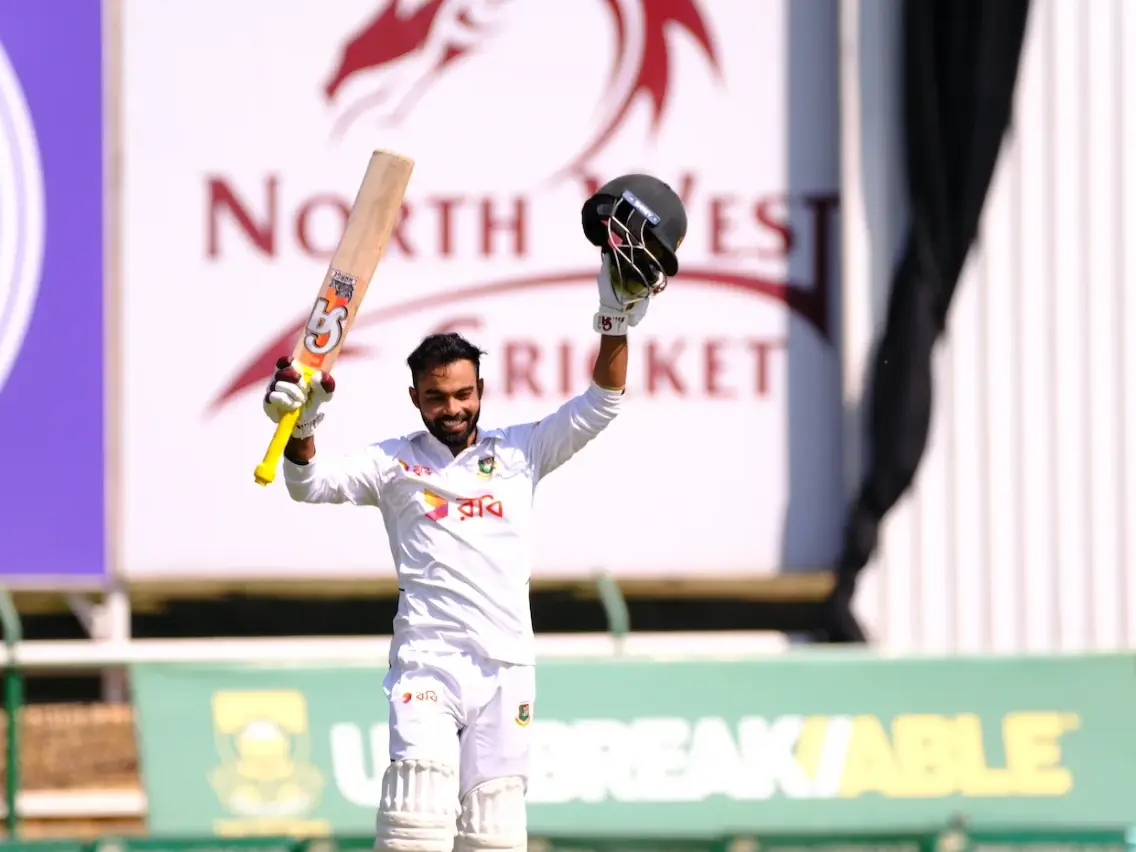)
Bangladesh batter Towhid Hridoy creates history with 350 not out in South Africa
)
Brendan Fraser’s transformation fuels The Mummy 4 excitement as fans welcome back Rick O’Connell
&im=FitAndFill=(700,400))
Krishna Janmashtami 2026: From Dhaniya Panjiri to Makhana Kheer- 5 best sweet dishes perfect for celebrating Lord Krishna’s birth
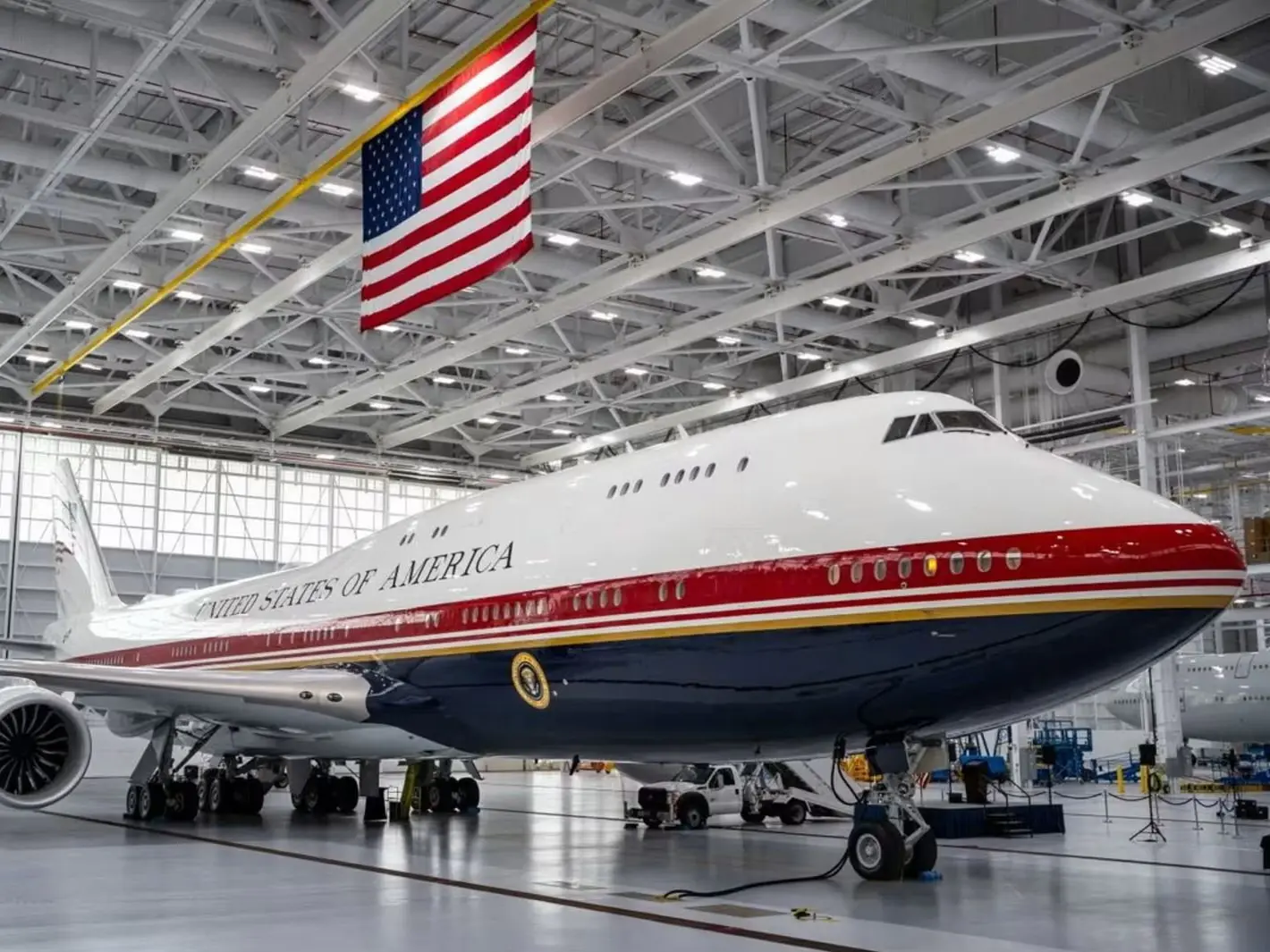)
Donald Trump plans to travel to Ireland on Qatari-donated jet amid security concerns
)
Nazi-looted art to return to Jewish heirs
)
Eight killed in Kerala’s Thrissur after car rams into lorry parked on highway
&im=FitAndFill=(700,400))
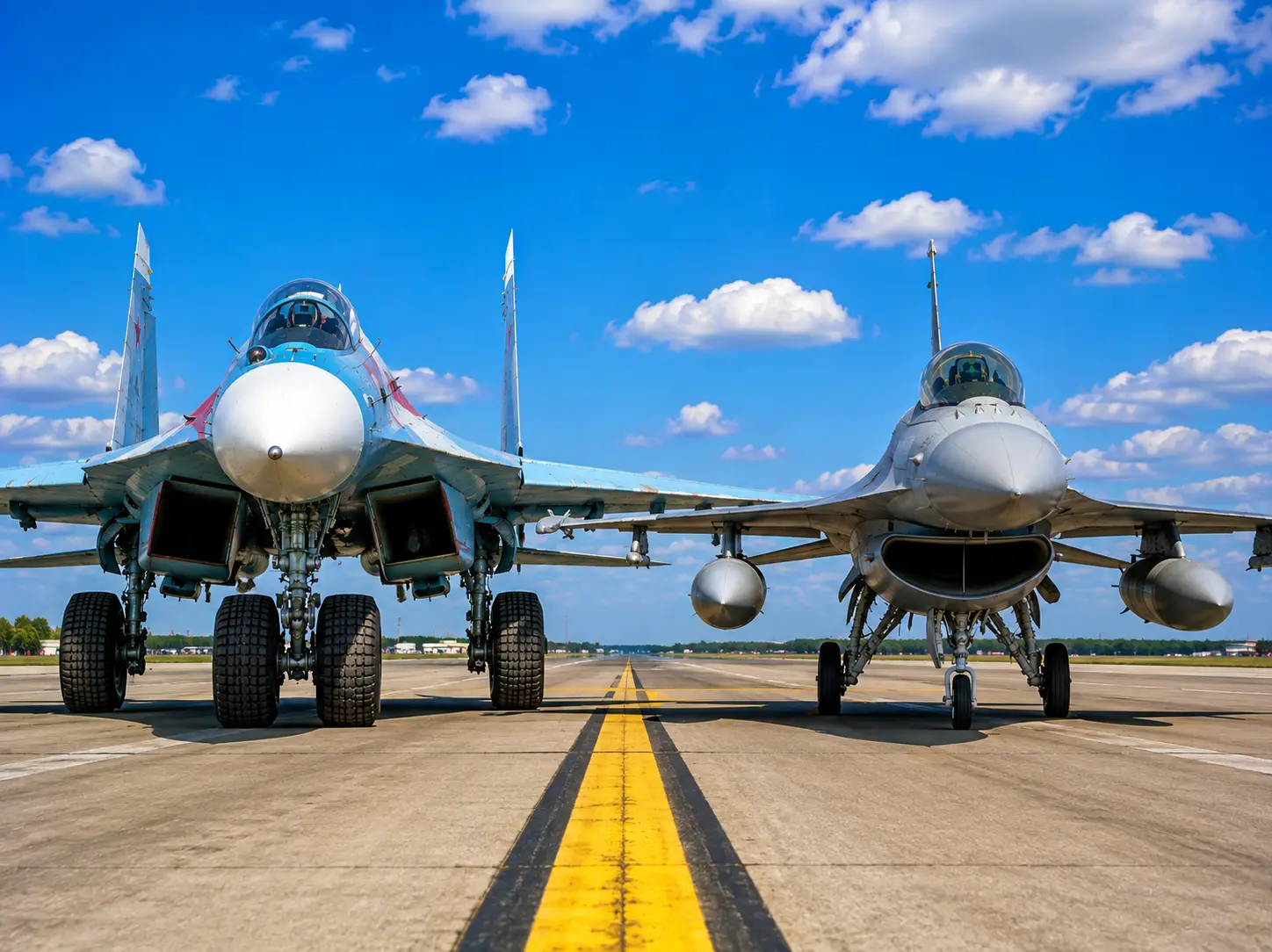
Why Russian fighter jets use bulky, low-pressure tyres compared to US jets
)
FBI-wanted fraud accused arrested in Jalandhar over $600,000 scam
&im=FitAndFill=(700,400))
Why US tanks weigh over 20 tons more than Russian tanks
&im=FitAndFill=(700,400))
New Friday OTT releases (September 4, 2026): GDN, Dhamaal 4, Jagamae Sangeetham- Watch 6 new movies and TV shows on Netflix, Prime Video and more
)
Killing the Himalayas slowly: Human urine is melting a glacier on Mount Everest
Also read | Trump welcomes Modi with a bear hug and a warning: 'Whatever tariffs India charges, we charge them'
Why the restrictions?
Tensions between the AP and the Trump administration flared earlier in the week after the White House objected to the AP's stylebook guidance about the Gulf of Mexico. The dispute stems from Trump's recent order directing government agencies to rename the Gulf of Mexico as the 'Gulf of America'.
AP, a global news outlet, continues to use the original name while noting the renaming order in its reporting. This stance drew the ire of White House press secretary Karoline Leavitt, who on Wednesday (Feb 11) accused the AP of publishing "lies" by failing to comply with what she called the "fact" that the Gulf has been renamed.
On Tuesday, AP reporters found themselves shut out of Trump's media events. The exclusions continued on Wednesday and culminated in a full ban from Thursday's high-profile joint press conference with Modi.
AP to take legal action?
The AP is a core member of the White House press pool and plays a vital role in sharing coverage with other media organisations.
"This is now the third day AP reporters have been barred from covering the president – first as a member of the pool, and now from a formal press conference," said Pace.
She did not rule out legal action, noting that the restriction was "an incredible disservice to the billions of people who rely on The Associated Press for nonpartisan news."
(With inputs from agencies)

