The biggest oil shock in history is unfolding — and it’s worse than 1973

&imwidth=600&imheight=450&format=webp&quality=medium "The biggest oil shock in history is unfolding — and it’s worse than 1973")
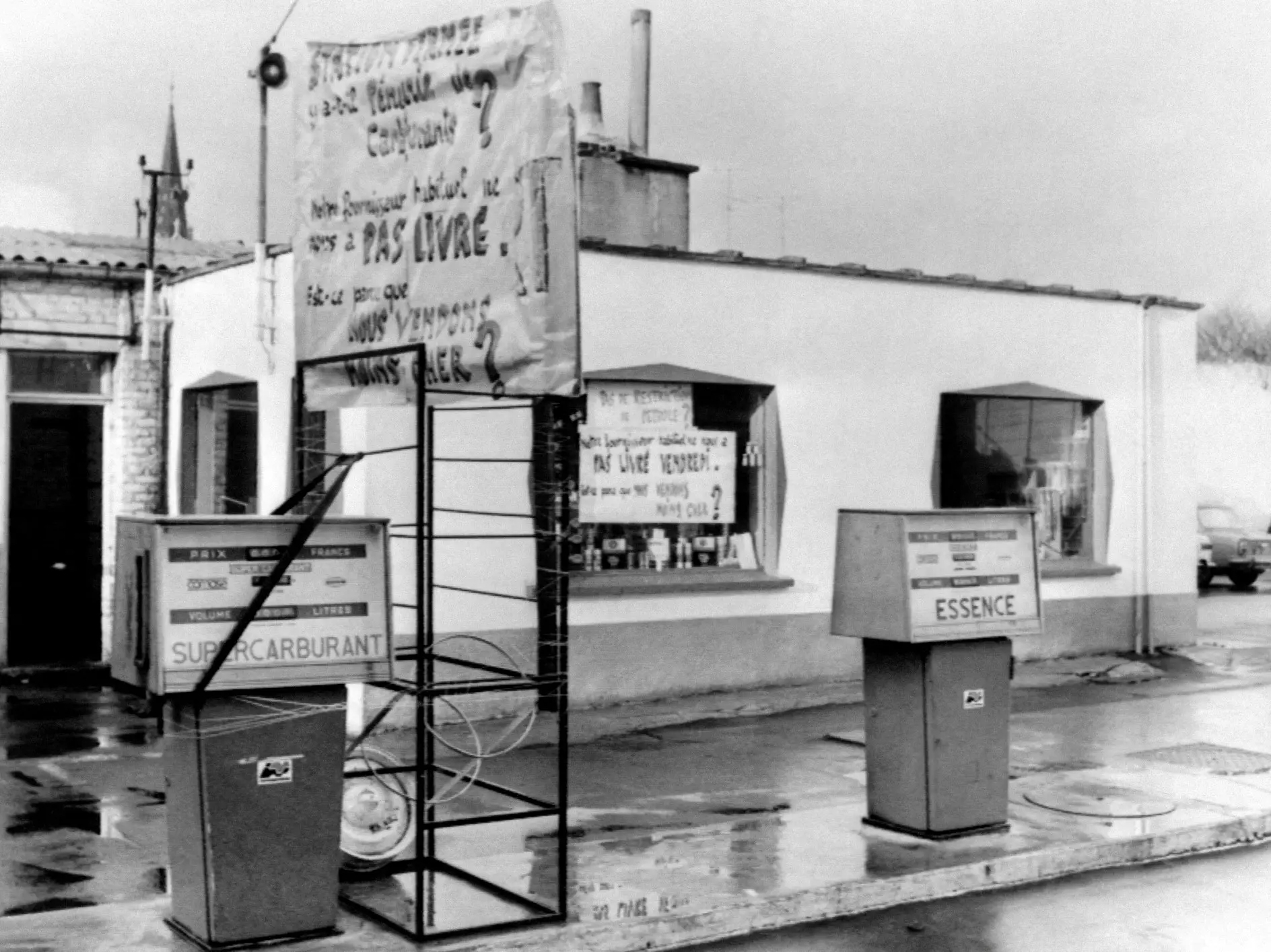
Gas pumps of a supermarket in Lomme near Lille are closed on November 30, 1973 due to lack of supply, during the 1973 oil crisis Photograph: (AFP)
War-linked disruptions in the Persian Gulf threaten nearly 20% of global oil supply, making it the largest oil shock in history and pushing energy prices higher
The global oil market is facing its most severe supply disruption ever, drawing comparisons to the 1973 oil crisis. That year, Middle Eastern oil producers imposed an embargo on the United States and several other nations that supported Israel during the Yom Kippur War. The move caused gasoline prices to soar and triggered widespread shortages. In response, President Richard Nixon introduced emergency measures to reduce fuel consumption. Gas stations rationed gasoline, long lines formed across the country, and governments worldwide implemented strict policies to conserve energy. Some European nations even banned driving on Sundays, while Japan declared a state of emergency due to its dependence on imported oil.
Today’s crisis, triggered by the escalating conflict involving the United States, Israel, and Iran, is threatening an even larger share of global oil supplies. Iranian attacks on energy shipping routes and infrastructure have disrupted production and transportation across the Persian Gulf. Experts say nearly 20 per cent of the world’s oil supply is now at risk, compared with about 7 per cent during the 1973 embargo. Because the conflict shows no clear path to resolution, the disruption could persist and have more severe economic consequences.
Unlike in 1973, the United States now produces large amounts of oil domestically and relies less on Middle Eastern imports. However, global markets remain interconnected. Asian economies such as China and India depend heavily on Gulf oil, increasing competition for remaining supplies. The impact is already visible. International crude oil prices have surged toward $100 per barrel, while gasoline prices in the United States have risen more than 20 per cent since the conflict began. Prices for diesel, jet fuel, and natural gas are climbing even faster.
Also Read: White House U-Turn: Now ‘begging’ countries, including India, to buy Russian crude, claims Iran
Research firm S&P Global Energy estimates that the war has already removed about 17 million barrels per day of oil and refined products from global markets, roughly equal to most of the Persian Gulf’s previous exports. Analysts say no previous crisis has disrupted this scale. The International Energy Agency (IEA) has also described the situation as the largest supply shock in the history of the global oil market. If shipping routes remain blocked, supply shortages could worsen and push prices to record highs.
The Trump administration has attempted to ease pressure by releasing oil from strategic reserves and lifting sanctions on Russian exports, but these measures have not significantly lowered prices so far. Despite the severity of the disruption, the world is better prepared than it was in the 1970s. Energy efficiency has improved dramatically, oil stockpiles are much larger, and renewable energy sources such as solar power play a greater role in the global energy mix. One major outcome of the 1973 crisis was the creation of the US Strategic Petroleum Reserve, which can store up to 714 million barrels of oil.
Trending Stories
&imwidth=280&imheight=210&format=webp&quality=medium)
&imwidth=280&imheight=210&format=webp&quality=medium)
&imwidth=280&imheight=210&format=webp&quality=medium)
&imwidth=280&imheight=210&format=webp&quality=medium)
&imwidth=280&imheight=210&format=webp&quality=medium)
&imwidth=280&imheight=210&format=webp&quality=medium)
&imwidth=280&imheight=210&format=webp&quality=medium)
&imwidth=280&imheight=210&format=webp&quality=medium)
&imwidth=280&imheight=210&format=webp&quality=medium)
&imwidth=280&imheight=210&format=webp&quality=medium)
&imwidth=280&imheight=210&format=webp&quality=medium)
&imwidth=280&imheight=210&format=webp&quality=medium)
&imwidth=280&imheight=210&format=webp&quality=medium)
&imwidth=280&imheight=210&format=webp&quality=medium)
&imwidth=280&imheight=210&format=webp&quality=medium)
&imwidth=280&imheight=210&format=webp&quality=medium)
&imwidth=280&imheight=210&format=webp&quality=medium)
&imwidth=280&imheight=210&format=webp&quality=medium)
&imwidth=280&imheight=210&format=webp&quality=medium)
&imwidth=280&imheight=210&format=webp&quality=medium)
&imwidth=280&imheight=210&format=webp&quality=medium)
&imwidth=280&imheight=210&format=webp&quality=medium)
&imwidth=280&imheight=210&format=webp&quality=medium)
&imwidth=280&imheight=210&format=webp&quality=medium)
&imwidth=280&imheight=210&format=webp&quality=medium)
&im=FitAndFill=(700,400)&imwidth=280&imheight=210&format=webp&quality=medium)
&im=FitAndFill=(700,400)&imwidth=280&imheight=210&format=webp&quality=medium)
&imwidth=280&imheight=210&format=webp&quality=medium)
&imwidth=280&imheight=210&format=webp&quality=medium)
&imwidth=280&imheight=210&format=webp&quality=medium)
&imwidth=280&imheight=210&format=webp&quality=medium)
&imwidth=280&imheight=210&format=webp&quality=medium)
&imwidth=280&imheight=210&format=webp&quality=medium)
&imwidth=280&imheight=210&format=webp&quality=medium)
&imwidth=280&imheight=210&format=webp&quality=medium)
Across the 32 member countries of the IEA, emergency reserves total about 1.2 billion barrels, while China holds another 1.2 billion barrels. This week, IEA members agreed to release 400 million barrels from these reserves, the largest coordinated release in history. The United States alone will release 172 million barrels over four months starting next week. However, strategic reserves contain crude oil rather than refined products like gasoline or jet fuel. As a result, releasing reserves may not directly relieve shortages in those fuels if refining capacity becomes strained.
Even if the Strait of Hormuz reopens soon, analysts warn that oil prices may remain elevated. The longer the conflict continues, the greater the risk of lasting economic damage, including inflation, slower growth, and instability in the global market.
Disclaimer: WION takes utmost care to accurately and responsibly report ongoing conflicts in West Asia involving Israel, Iran, the US, Gulf nations, and non-state actors like Hezbollah, Hamas, Houthis, Islamic State, and others. Claims and counterclaims, disinformation and misinformation are being made online and offline. Given this context, WION cannot independently verify the authenticity of all statements, social media posts, photos, and videos.

