

&imwidth=800&imheight=600&format=webp&quality=medium "White House U-Turn: Now ‘begging’ countries, including India, to buy Russian crude, claims Iran")
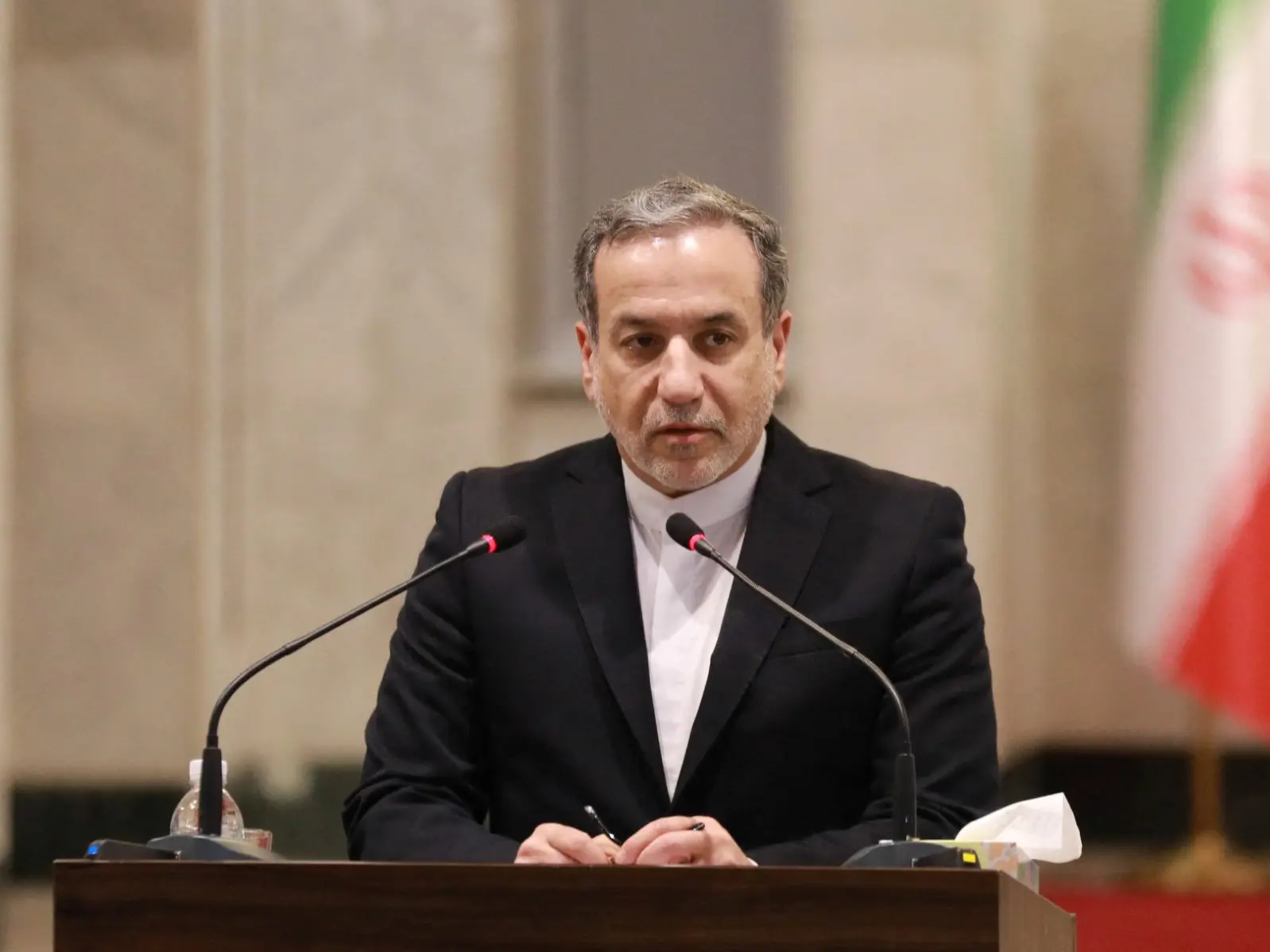
Iran has accused the United States of reversing its stance on Russian oil, claiming Washington is now encouraging countries, including India, to purchase Russian crude after months of pressure to curb such imports. The comments came from Iran’s foreign minister Seyed Abbas Araghchi, who said the shift reflected a dramatic change in US policy following the outbreak of war involving Iran and rising instability in the Middle East energy market.
According to Araghchi, the White House had spent months pressuring India and other countries to scale back purchases of Russian oil after Moscow’s invasion of Ukraine. But the disruption caused by the conflict involving Iran, including the effective closure of the Strait of Hormuz, has forced a rethink in Washington as global energy markets tighten. He said the US position had quickly shifted as oil supplies from the Gulf were threatened and global prices surged. “Europe thought backing the illegal war on Iran would win US support against Russia. Pathetic.”
The comments come as Russia emerges as one of the biggest economic beneficiaries of the turmoil in the Middle East. The disruption to oil shipments through the Strait of Hormuz has sharply increased demand for Russian crude from Asian buyers, particularly India and China. Analysts say Moscow is now earning tens of millions of dollars in additional revenue each day as prices rise and demand shifts.
Here's what Iran's FM Seyed Abbas Araghchi said
Russia has so far earned an estimated $1.3bn to $1.9bn in windfall revenues from taxes on oil exports in the first days of the crisis. That gain has been driven by higher prices for Russia’s Urals crude and stronger demand from Asian markets. Industry data indicates Russian oil is now trading roughly $20–$30 per barrel above its average price in the previous three months. Some shipments to India are reportedly being sold at a premium compared with Brent crude, a reversal from the discounts that Russian oil previously offered.
Energy analysts say the situation has given Moscow an unexpected financial boost after a difficult start to the year. Revenues from energy taxes had fallen sharply in early 2026, pushing Russia’s budget deficit to more than 90 per cent of the level projected for the full year. However, higher oil prices could quickly ease that pressure. “If the current shipment schedules, market intelligence, and cargo movements continue, total Russian crude arrivals for the full month could reach close to 2 million barrels per day,” said Sumit Ritolia, a lead analyst at Kpler in New Delhi, as quoted in an interview. “Russia is the big winner of this conflict,” he added.
Analysts say the surge in prices could generate significant additional income for Moscow’s budget. Every $10 increase in the average monthly price per barrel of oil generates an additional $2.8bn in revenue for Russian oil exporters, of which the state receives about $1.63bn through taxation. “Roughly calculated, that equates to $54mn extra a day in budget revenues.” Some analysts believe Russia could earn between $3.3bn and $5bn in additional state revenues by the end of the month if current prices persist.
Much will depend on how long the Middle East crisis continues and whether energy flows from the Gulf remain disrupted. “Russia is the big winner of this conflict.” At the same time, Russian President Vladimir Putin has suggested global energy markets may be entering “a new pricing reality” and floated the possibility of resuming energy exports to Europe. Analysts say Russia could also increase oil production if prices remain high.
Trending Stories
&im=FitAndFill=(700,400)&imwidth=180&imheight=135&format=webp&quality=medium)
‘0-100km/h in 1 second Tesla Roadster’: Why tyre grip becomes a problem when cars accelerate this fast
&imwidth=180&imheight=135&format=webp&quality=medium)
Up to 1 million satellites in orbit? the space race raising questions about who controls space
&imwidth=180&imheight=135&format=webp&quality=medium)
US sanctions Cuban state-owned bank BICSA over alleged financial links to Iran
&imwidth=180&imheight=135&format=webp&quality=medium)
Majid Majidi's new film Midday Meal takes top prize at Asia's biggest film festival
&imwidth=180&imheight=135&format=webp&quality=medium)
Russian woman and Bihar boy's love story goes viral after she reaches India to marry him
&imwidth=180&imheight=135&format=webp&quality=medium)
Arijit Singh 9-city India stadium tour to start from January: Check venue and ticket prices
&imwidth=180&imheight=135&format=webp&quality=medium)
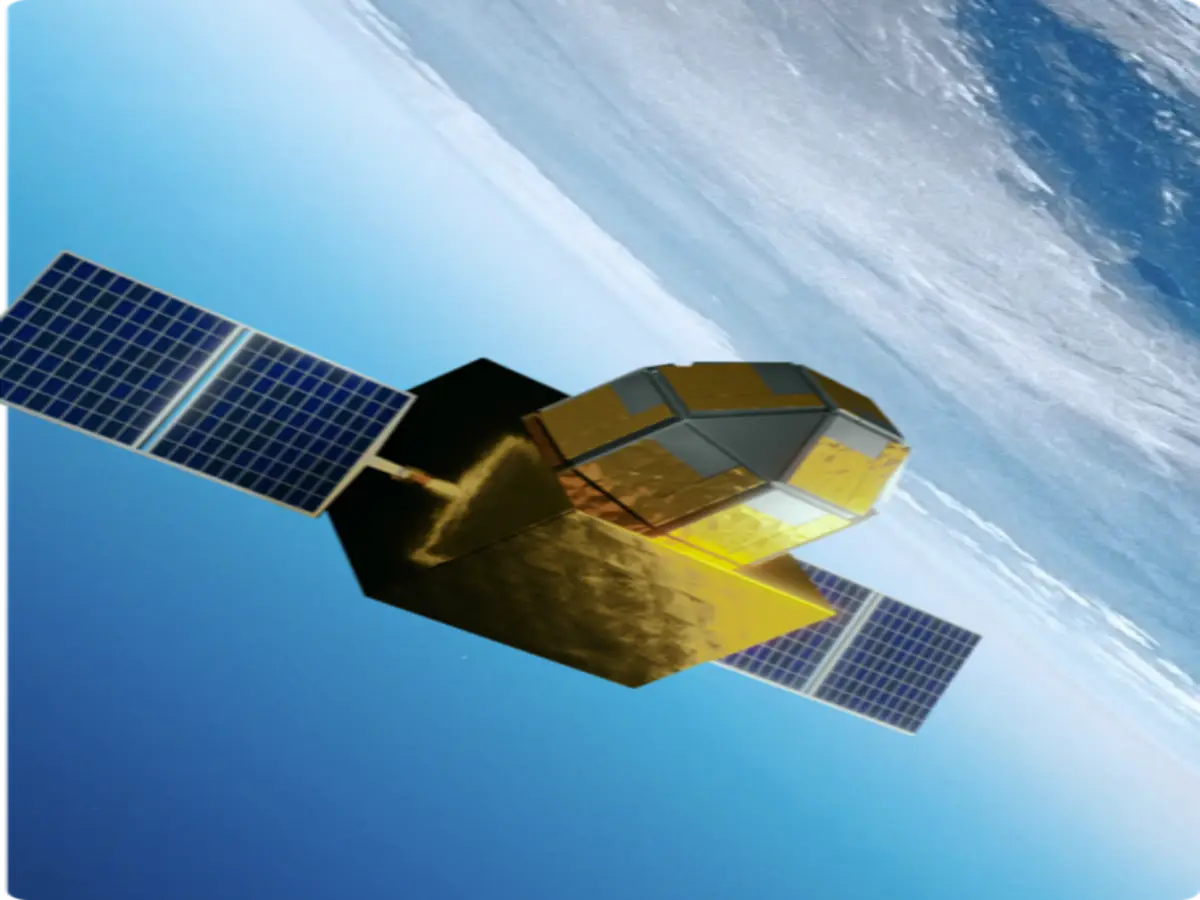
'A new space debris solution for global customers’: Samtel CEO Puneet Kaura on India-Japan partnership
&imwidth=180&imheight=135&format=webp&quality=medium)
Billy Joel's health update: Why the singer can't drive or perform right now?
&imwidth=180&imheight=135&format=webp&quality=medium)
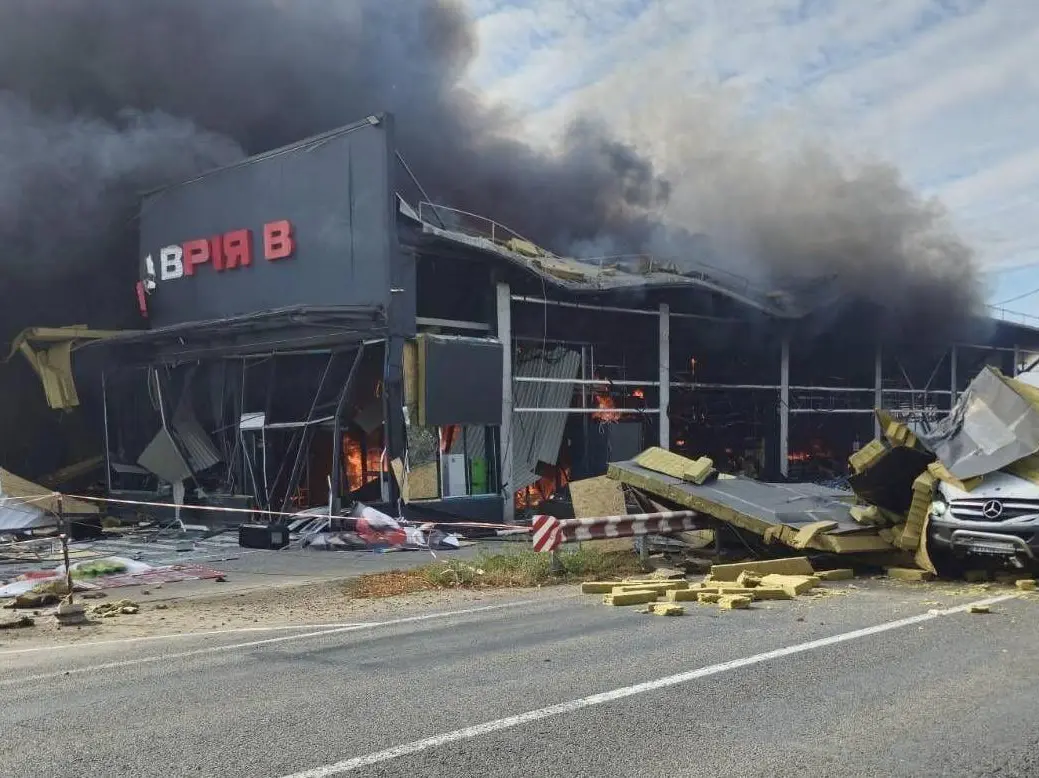
Ukraine blinded: Musk deflects blame on Trump, Putin sharpens attack | Gravitas
&imwidth=180&imheight=135&format=webp&quality=medium)
Oregon school shooting: 16-year-old identified as suspect after at least four killed, including three children
&imwidth=180&imheight=135&format=webp&quality=medium)
Who is Abu Dhabi royal Mahrah Al Nahyan, found unconscious on London street with toddler after cocaine use
&imwidth=180&imheight=135&format=webp&quality=medium)
US-Iran War: Trump eyes mother of all bombs; Iran in crosshairs

Not Khan but Pal: Why did Imran Khan choose his mother's surname over his father's? Family tree explained
&imwidth=180&imheight=135&format=webp&quality=medium)
Russia-Ukraine War: Putin vows retaliation against Ukraine
&imwidth=180&imheight=135&format=webp&quality=medium)
'Turns out the future does have flying cars': Musk's Tesla unveils 'flying' sports car with SpaceX technology | Watch
&imwidth=180&imheight=135&format=webp&quality=medium)
‘He told me clearly...’: Yuzvendra Chahal reveals why Rohit Sharma dropped him from India’s 2023 WC squad
&imwidth=180&imheight=135&format=webp&quality=medium)
Australian woman charged for adding snail poison to lover's curry at work
&im=FitAndFill=(700,400)&imwidth=180&imheight=135&format=webp&quality=medium)
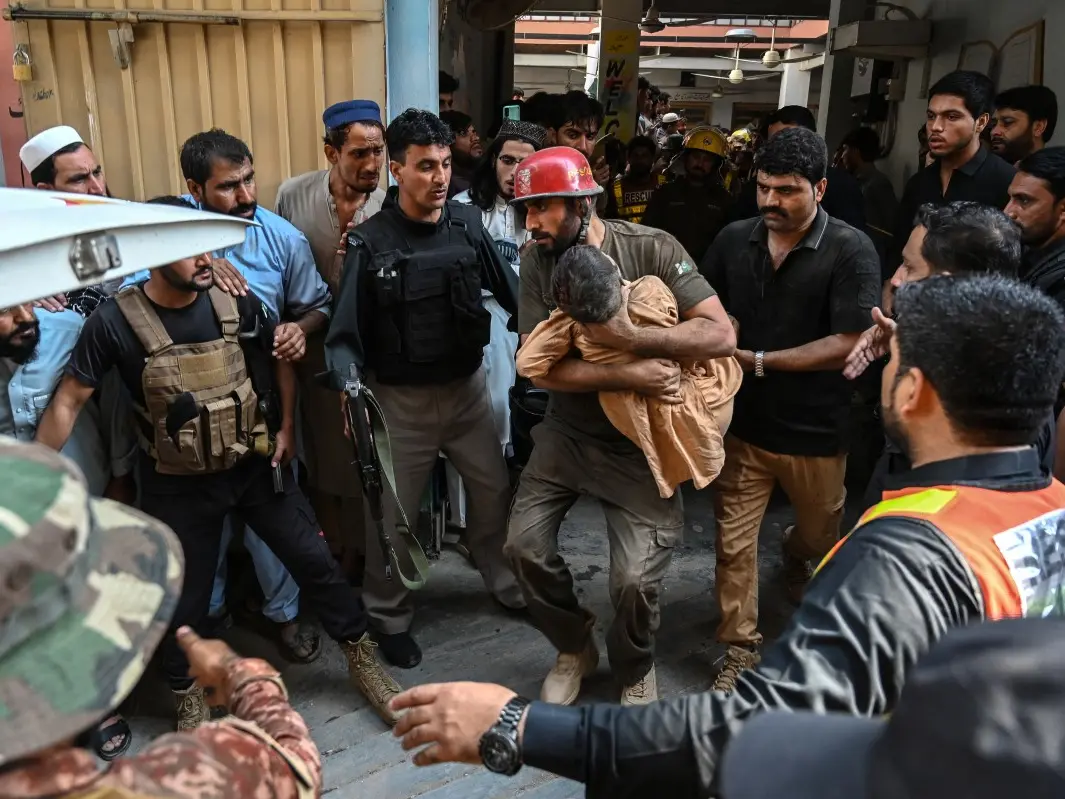
Inside the Peshawar school tragedy: 34 dead, building's condition under scrutiny and owner arrested. Here's what all happened
&im=FitAndFill=(700,400)&imwidth=180&imheight=135&format=webp&quality=medium)
‘No traffic jams for Tesla owners’: How Elon Musk’s new flying car is different from regular cars?
&imwidth=180&imheight=135&format=webp&quality=medium)
‘My president, I mean my husband’: Trump's new press secretary Katie Zacharia's first briefing goes off the rails in 14 minutes
&im=FitAndFill=(700,400)&imwidth=180&imheight=135&format=webp&quality=medium)
World's 7 most innovative countries in 2026 REVEALED: Did India make the list? | In Pics
&imwidth=180&imheight=135&format=webp&quality=medium)
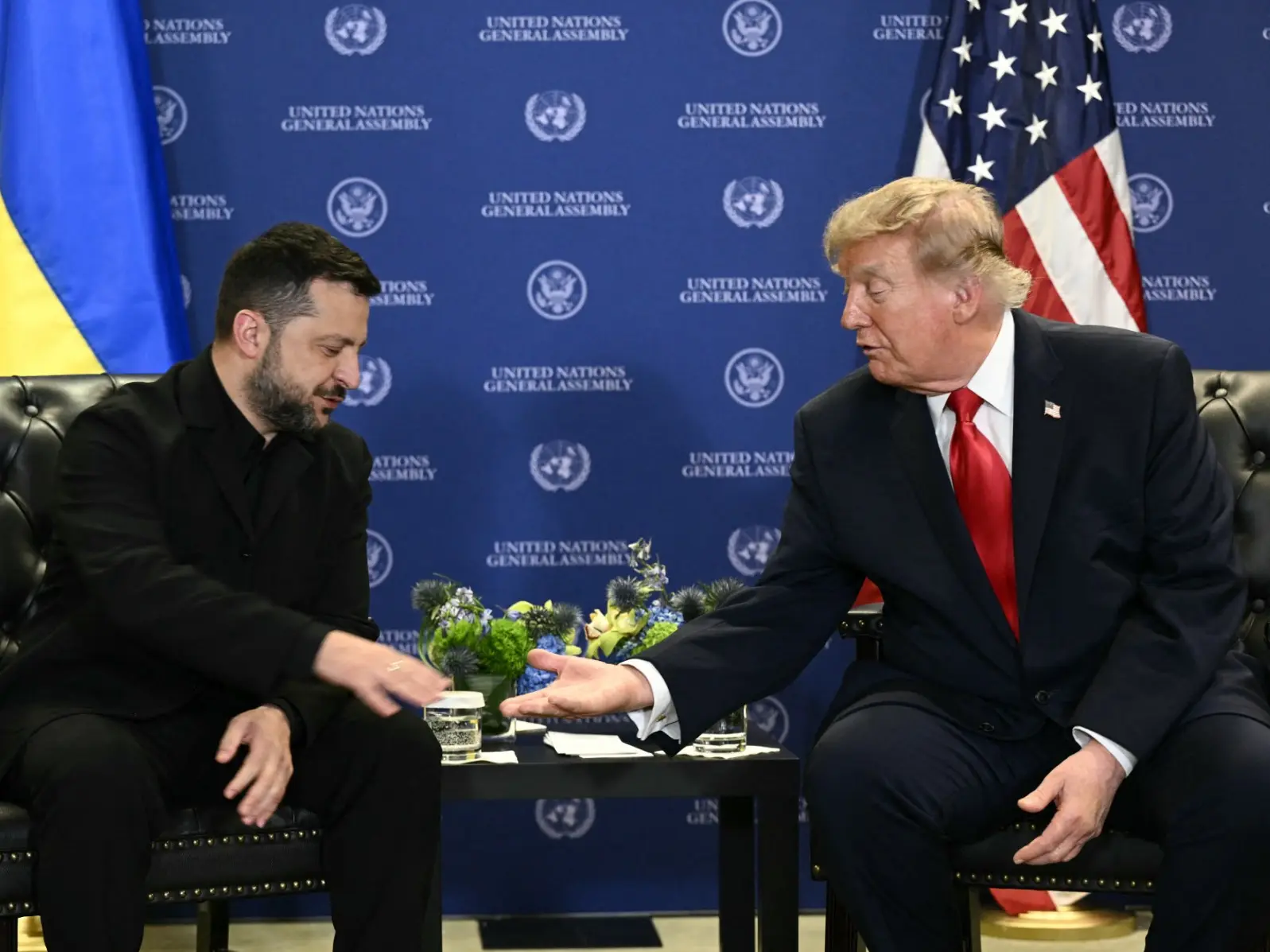
Trump says Zelensky 'not a good guy' amid fresh Russia-Ukraine tensions | Watch video
&imwidth=180&imheight=135&format=webp&quality=medium)
Earthquake measuring 7 magnitude strikes Russia’s Kamchatka Peninsula
&imwidth=180&imheight=135&format=webp&quality=medium)
Was Trump in danger at Alaska rally? Viral video shows Secret Service agents reacting
&imwidth=180&imheight=135&format=webp&quality=medium)
'Will stand with Pakistan in case of war with US': Rajasthan BJP chief's remark sparks row
&imwidth=180&imheight=135&format=webp&quality=medium)
US midterms 2026: FBI investigates suspicious mailings containing 'unknown substance' sent to election offices
&imwidth=180&imheight=135&format=webp&quality=medium)
Durga Puja 2026: Kajol kicks of celebrations along with mother Tanuja, sister Tanishaa and cousin Ayan Mukerji
&im=FitAndFill=(700,400)&imwidth=180&imheight=135&format=webp&quality=medium)
Inside Tesla's Roadster: 10 features of Elon Musk's 'flying car' that push the limits of electric vehicles | In Pics
&imwidth=180&imheight=135&format=webp&quality=medium)
India’s naval priorities: Ex-Navy Chief calls for third aircraft carrier, more warships and submarines
&imwidth=180&imheight=135&format=webp&quality=medium)
Netanyahu defies Trump, blocks Gaza military base for Board of Peace | Gravitas
&imwidth=180&imheight=135&format=webp&quality=medium)
Saudi Arabia executes Two Bangladesh nationals over immoral act
&im=FitAndFill=(700,400)&imwidth=180&imheight=135&format=webp&quality=medium)
Tesla Roadster's thrusters vs rocket engines: What's the difference?
&imwidth=180&imheight=135&format=webp&quality=medium)
Mumbai: CJP brings Tricolour protest to Azad Maidan after weeks of demonstrations

US ends automatic work permit extensions; Indian workers lose 540-day safety net: What it means
&imwidth=180&imheight=135&format=webp&quality=medium)
'Ukraine must get all it needs to protect civilians and infrastructure': Macron
&imwidth=180&imheight=135&format=webp&quality=medium)
Portland stabbing: Multiple people reportedly stabbed hours after deadly Bend school shooting
&im=FitAndFill=(700,400)&imwidth=180&imheight=135&format=webp&quality=medium)
New Friday OTT releases (October 16, 2026): DC, Sacrifice, Aasha- 6 new movies and TV shows coming on Netflix, Zee 5, Prime Video and more
The country is currently producing about 300,000 barrels per day below its quota under the OPEC+ agreement. However, whether Moscow can fully capitalise on the situation will depend largely on how the United States handles sanctions on Russian energy exports while the war in Ukraine continues.
Disclaimer: WION takes utmost care to accurately and responsibly report ongoing conflicts in West Asia involving Israel, Iran, the US, Gulf nations, and non-state actors like Hezbollah, Hamas, Houthis, Islamic State, and others. Claims and counterclaims, disinformation and misinformation are being made online and offline. Given this context, WION cannot independently verify the authenticity of all statements, social media posts, photos, and videos.

