UN says 'end of AIDS' is still possible by 2030, urges global action

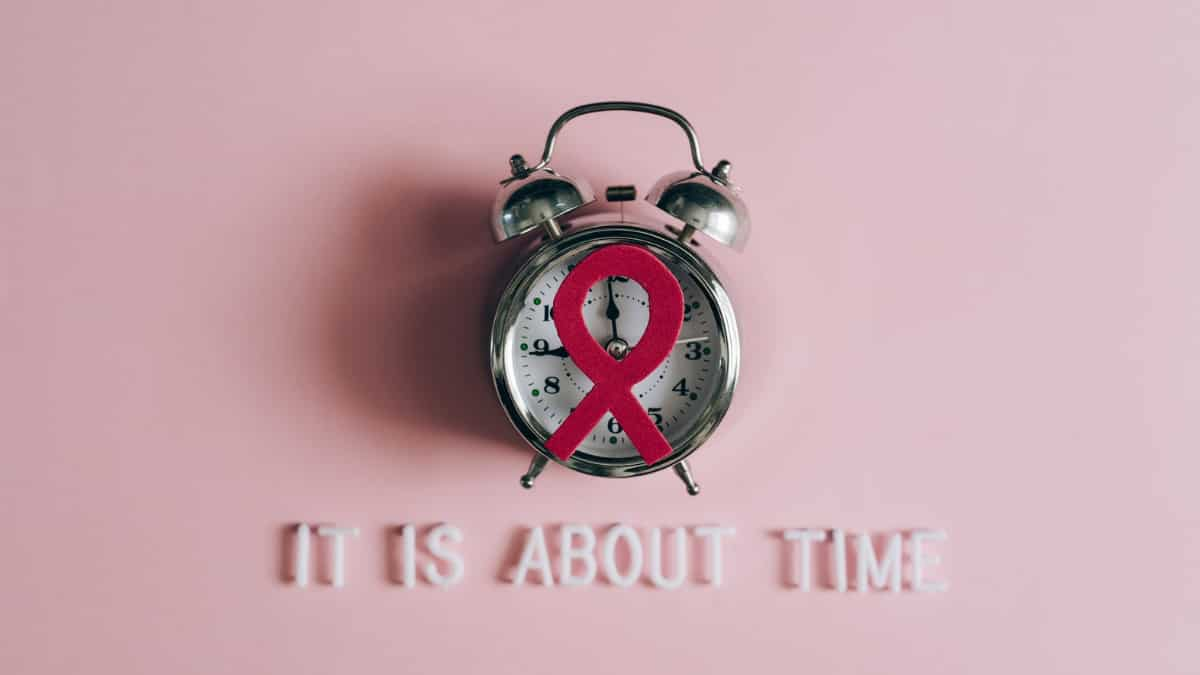
AIDS
The United Nations agency UNAIDS on Thursday reaffirmed that "the end of AIDS" is still possible by 2030, but emphasised the need for leaders to seize the opportunity and take decisive action.
To achieve this goal, UNAIDS outlined a roadmap that includes increased investment, evidence-based prevention and treatment strategies, and addressing the inequalities that hinder progress.
According to UNAIDS Executive Director Winnie Byanyima, ending the pandemic is primarily a political and financial choice.

"Success is possible – in this decade."
Progress towards ending AIDS
In its report, UNAIDS highlighted the transformation of the global AIDS pandemic over the past two decades.
&imwidth=180&imheight=135&format=webp&quality=medium)
Rahul Gandhi's plea against Election Commission delayed as Supreme Court registry flags 14 ‘defects’
&im=FitAndFill=(700,400)&imwidth=180&imheight=135&format=webp&quality=medium)
Navratri 2026: 9 days, 9 forms of Goddess Durga and 9 colours- Check the complete list
&imwidth=180&imheight=135&format=webp&quality=medium)
Korean peninsula tensions escalate as North Korea launches multiple ballistic missiles, PACOM says 'no threat to US personnel'
&imwidth=180&imheight=135&format=webp&quality=medium)
Trump weighs firing Kimberly Guilfoyle as US ambassador to Greece amid misconduct allegations: Report
&imwidth=180&imheight=135&format=webp&quality=medium)
Anti-SIR protest in Mumbai: Protestors wear black masks & ribbons in Mumbai
&imwidth=180&imheight=135&format=webp&quality=medium)
UK PM Andy Birnham renews claims of Russian meddling in Brexit vote
&imwidth=180&imheight=135&format=webp&quality=medium)
BCCI rejects venue shift reports, India vs Sri Lanka 1st ODI to remain in Delhi
&imwidth=180&imheight=135&format=webp&quality=medium)
'Absolutely disgusting': Australia slams US plan to livestream Nidal Hasan's execution; Mike Johnson raises concerns, warns of terrorist propaganda
&imwidth=180&imheight=135&format=webp&quality=medium)
1,500 drones illuminate Mumbai sky as Cordelia Cruises unveils second ship, Cordelia Sky
&imwidth=180&imheight=135&format=webp&quality=medium)
Houthis warns US of 'painful response' if Washington joins Saudi war in Yemen as airlines suspend flights to Saudi Arabia
&imwidth=180&imheight=135&format=webp&quality=medium)
Congress demands action against chief election commissioner
&imwidth=180&imheight=135&format=webp&quality=medium)
'Turn approver, resign, we'll forgive you': Rahul Gandhi claims receiving messages from CEC Gyanesh Kumar
&imwidth=180&imheight=135&format=webp&quality=medium)
'I will not be silenced': Ilhan Omar alleges political intimidation after federal officers search her Washington home
&imwidth=180&imheight=135&format=webp&quality=medium)
Robotic surgery, advanced treatment: What is coming to this small Gujarat town?
&imwidth=180&imheight=135&format=webp&quality=medium)
Pakistan's government blames PTI for rise of terrorism in Khyber Pakhtunkhwa
&imwidth=180&imheight=135&format=webp&quality=medium)
‘This is just the start’: Maaya Rajeshwaran on historic ITF title, confidence boost and future goals
&imwidth=180&imheight=135&format=webp&quality=medium)
I.N.D.I.A. Bloc lists 10 requests to Supreme Court
&im=FitAndFill=(700,400)&imwidth=180&imheight=135&format=webp&quality=medium)
How does a robot decide what to do next?
&imwidth=180&imheight=135&format=webp&quality=medium)
Trump says he 'may' meet North Korean leader Kim Jong Un during upcoming Asia trip
&imwidth=180&imheight=135&format=webp&quality=medium)
'Ouch!!! That must hurt': Kangana Ranaut hails Kamal Haasan's sharp reply to Elon Musk over Starlink row
&imwidth=180&imheight=135&format=webp&quality=medium)
Sidhu Moose Wala’s younger brother wins hearts by recreating late singer’s signature move at Toronto Hologram Show
&imwidth=180&imheight=135&format=webp&quality=medium)
Girl 'dead' for 8 hours wakes up at her own funeral, dad insists she wasn't breathing
&imwidth=180&imheight=135&format=webp&quality=medium)
UK school ditches technology, shifts from screen to pen and paper for learning
&imwidth=180&imheight=135&format=webp&quality=medium)
Opposition’s 10 demands in Supreme Court petition range from stay on SIR to audit of voter rolls
&imwidth=180&imheight=135&format=webp&quality=medium)
'I am thoroughly unamused': Judge slams Trump administration after 400 trees cut at Washington golf course
&im=FitAndFill=(700,400)&imwidth=180&imheight=135&format=webp&quality=medium)
New OTT releases this week (October 12-18, 2026): Sacrifice, Koffee with Karan S9, Roadies Rebirth- 6 titles coming on Netflix, JioHotstar and more
&imwidth=180&imheight=135&format=webp&quality=medium)
Delhi protest: CJI Surya Kant declines to meet India Bloc leaders
&imwidth=180&imheight=135&format=webp&quality=medium)
China’s gold rush puts billion in focus
&imwidth=180&imheight=135&format=webp&quality=medium)
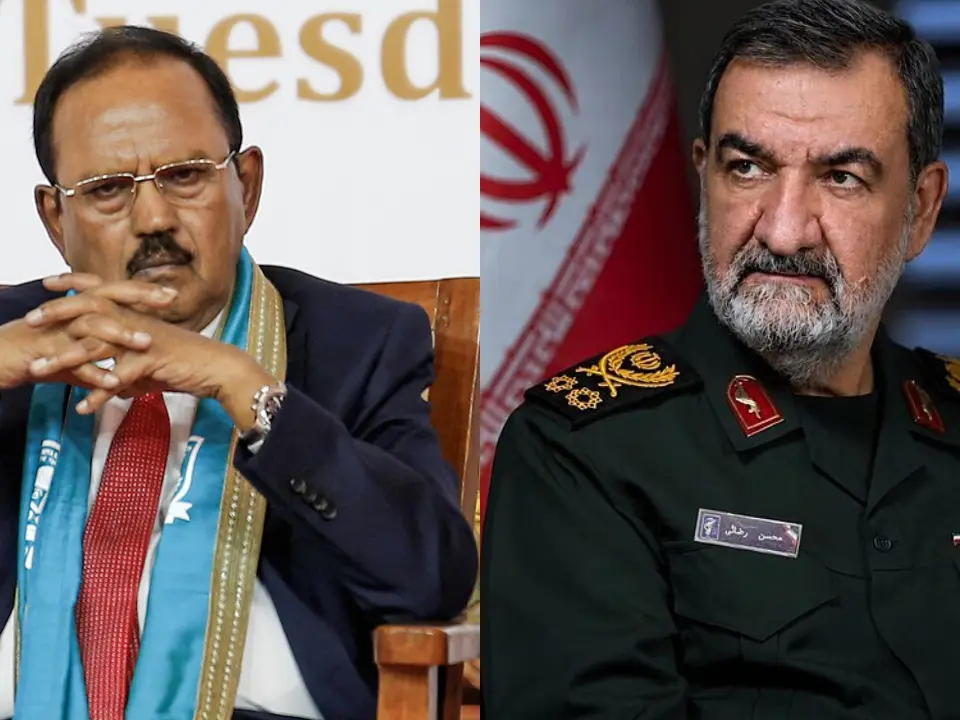
India's Ajit Doval, Iran's Mohsen Rezaei hold talks amid escalating West Asia tensions, discuss 'issues of mutual interest'
&imwidth=180&imheight=135&format=webp&quality=medium)
'Almost certainly': UK Prime Minister Andy Burnham says Iran's IRGC behind RAF Fairford threat
&imwidth=180&imheight=135&format=webp&quality=medium)
Elon Musk pumps $276 million into Republican campaigns ahead of US midterm elections
&imwidth=180&imheight=135&format=webp&quality=medium)
'Never met' him: Melbourne Imam denies links to Flydubai co-pilot Hamam al-Hammami
Byanyima highlighted the significant progress being made in countries and regions that have made strong investments in HIV prevention and treatment. As per the UNAIDS executive director, Eastern and Southern Africa, have witnessed a 57 per cent decline in new HIV infections since 2010.
Also read | Andrew Tate claims US VP Kamala Harris 'largely incompetent' and prone to playing the 'race card'
Furthermore, several countries, including Botswana, Eswatini, Rwanda, Tanzania, and Zimbabwe, have already achieved the 95-95-95 targets, which means that 95 per cent of people living with HIV know their status, 95 per cent of those aware of their HIV-positive status are receiving treatment, and 95 per cent of those on treatment have achieved viral suppression.
Approximately 16 other countries are nearing the target, including sub-Saharan African nations and countries such as Denmark, Kuwait, and Thailand, reports AFP.
AIDS pandemic in numbers
As of 2022, approximately 39 million people worldwide were living with HIV, with 29.8 million accessing antiretroviral therapy.
In 2022, 1.3 million people became newly infected with HIV, down 59 per cent from the peak in 1995, while 630,000 died from AIDS-related illnesses.
Overall, AIDS-related deaths have been reduced by 69 per cent since 2004 — the peak.
There has been a significant increase in access to treatment for pregnant and breastfeeding women, resulting in a 58 per cent reduction in new infections among children. However, funding for HIV declined in 2022 to $20.8 billion, falling short of the $29.3 billion needed by 2025.
Also read | Duesseldorf patient cured of HIV; third person in four decades to recover from the disease
While since 2010, the number of individuals on antiretroviral therapy has nearly quadrupled from 7.7 million, many, including 660,000 children were still missing out on treatment, states UNAIDS.
As per the UN Agency, progress has been made in decriminalising same-sex relations in some countries, but laws criminalising key populations or their behaviours remain in place in many nations. UNAIDS emphasised that key populations continue to be disproportionately affected by the HIV pandemic, with significantly higher HIV prevalence among men who have sex with men, sex workers, people who inject drugs, and transgender people compared to the general population.
The report emphasised the opportunity to end AIDS lies in increasing "political will by investing in a sustainable response to HIV through financing what matters most: evidence-based HIV prevention and treatment, health systems integration, non-discriminatory laws, gender equality, and empowered community networks."
Byanyima called the end of AIDS "an opportunity" for leaders to be remembered as those who halted the "world's deadliest pandemic".
(With inputs from agencies)
WATCH WION LIVE HERE
You can now write for wionews.com and be a part of the community. Share your stories and opinions with us here.

