South China Sea: Japan's Prime Miniter Yoshihide Suga opposes actions that escalate tensions


Japan PM
Japan on Wednesdayopposedany actions that escalate tension in the East and South China Seas.
Prime Minister Yoshihide Sugatook a thinly veiled dig at China’s activities in the disputed South China Sea, where it has built and militarised manmade islands and is pressing its claim to virtually all of the sea’s key fisheries and waterways.
Also see:Satellite images show Chinese submarine parked near the South China Sea

A number of Southeast Asian nations dispute China’s claims to the waters.
“In the Indo-Pacific that connects maritime transport between Japan and ASEAN, we can achieve the peace and prosperity only by fully implementing rule of law that allows anyone freedom and openness,” Suga told a news conference in Jakarta. ASEAN is the 11-country Association of Southeast Asian Nations.
“But in the South China Sea, opposite actions are being taken and we are closely watching with grave concern,” Suga said. “Japan opposes to any action that would increase tensions in the South China Sea.”
&im=FitAndFill=(700,400)&imwidth=180&imheight=135&format=webp&quality=medium)
‘0-100km/h in 1 second Tesla Roadster’: Why tyre grip becomes a problem when cars accelerate this fast
&imwidth=180&imheight=135&format=webp&quality=medium)
Up to 1 million satellites in orbit? the space race raising questions about who controls space
&imwidth=180&imheight=135&format=webp&quality=medium)
US sanctions Cuban state-owned bank BICSA over alleged financial links to Iran
&imwidth=180&imheight=135&format=webp&quality=medium)
Majid Majidi's new film Midday Meal takes top prize at Asia's biggest film festival
&imwidth=180&imheight=135&format=webp&quality=medium)
Broke Your iPhone Duo? Here’s how much screen repair could cost
&imwidth=180&imheight=135&format=webp&quality=medium)
Russian woman and Bihar boy's love story goes viral after she reaches India to marry him
&imwidth=180&imheight=135&format=webp&quality=medium)
Arijit Singh 9-city India stadium tour to start from January: Check venue and ticket prices
&imwidth=180&imheight=135&format=webp&quality=medium)
Ramayana International trailer out: First glimpse of Kunal Kapoor as Indra Dev in Ranbir Kapoor and Yash starrer
&imwidth=180&imheight=135&format=webp&quality=medium)
Billy Joel's health update: Why the singer can't drive or perform right now?
&imwidth=180&imheight=135&format=webp&quality=medium)
Turkey Floods: Heavy rains flood homes and submerge vehicles in Istanbul
&imwidth=180&imheight=135&format=webp&quality=medium)
Katie Zacharia, White House Press Secretary admits she never passed bar exam amid credentials controversy
&imwidth=180&imheight=135&format=webp&quality=medium)
Ukraine blinded: Musk deflects blame on Trump, Putin sharpens attack | Gravitas
&imwidth=180&imheight=135&format=webp&quality=medium)
Oregon school shooting: 16-year-old identified as suspect after at least four killed, including three children
&imwidth=180&imheight=135&format=webp&quality=medium)
Who is Abu Dhabi royal Mahrah Al Nahyan, found unconscious on London street with toddler after cocaine use
&imwidth=180&imheight=135&format=webp&quality=medium)
US-Iran War: Trump eyes mother of all bombs; Iran in crosshairs

Not Khan but Pal: Why did Imran Khan choose his mother's surname over his father's? Family tree explained
&imwidth=180&imheight=135&format=webp&quality=medium)
Russia-Ukraine War: Putin vows retaliation against Ukraine
&imwidth=180&imheight=135&format=webp&quality=medium)
'Turns out the future does have flying cars': Musk's Tesla unveils 'flying' sports car with SpaceX technology | Watch
&imwidth=180&imheight=135&format=webp&quality=medium)
Australian woman charged for adding snail poison to lover's curry at work
&imwidth=180&imheight=135&format=webp&quality=medium)
Central Park in Delhi shut on October 16, 17 amid CJP's protest call
&im=FitAndFill=(700,400)&imwidth=180&imheight=135&format=webp&quality=medium)
Inside the Peshawar school tragedy: 34 dead, building's condition under scrutiny and owner arrested. Here's what all happened
&im=FitAndFill=(700,400)&imwidth=180&imheight=135&format=webp&quality=medium)
‘No traffic jams for Tesla owners’: How Elon Musk’s new flying car is different from regular cars?
&imwidth=180&imheight=135&format=webp&quality=medium)
‘My president, I mean my husband’: Trump's new press secretary Katie Zacharia's first briefing goes off the rails in 14 minutes
&im=FitAndFill=(700,400)&imwidth=180&imheight=135&format=webp&quality=medium)
World's 7 most innovative countries in 2026 REVEALED: Did India make the list? | In Pics
&imwidth=180&imheight=135&format=webp&quality=medium)
Trump says Zelensky 'not a good guy' amid fresh Russia-Ukraine tensions | Watch video
&imwidth=180&imheight=135&format=webp&quality=medium)
Earthquake measuring 7 magnitude strikes Russia’s Kamchatka Peninsula
&imwidth=180&imheight=135&format=webp&quality=medium)
Was Trump in danger at Alaska rally? Viral video shows Secret Service agents reacting
&imwidth=180&imheight=135&format=webp&quality=medium)
'Will stand with Pakistan in case of war with US': Rajasthan BJP chief's remark sparks row
&imwidth=180&imheight=135&format=webp&quality=medium)
US midterms 2026: FBI investigates suspicious mailings containing 'unknown substance' sent to election offices
&imwidth=180&imheight=135&format=webp&quality=medium)
Abhishek Sharma sets all-time record for most T20I sixes in a year
&im=FitAndFill=(700,400)&imwidth=180&imheight=135&format=webp&quality=medium)
Inside Tesla's Roadster: 10 features of Elon Musk's 'flying car' that push the limits of electric vehicles | In Pics
&imwidth=180&imheight=135&format=webp&quality=medium)
India’s naval priorities: Ex-Navy Chief calls for third aircraft carrier, more warships and submarines
&imwidth=180&imheight=135&format=webp&quality=medium)
Netanyahu defies Trump, blocks Gaza military base for Board of Peace | Gravitas
&imwidth=180&imheight=135&format=webp&quality=medium)
Saudi Arabia executes Two Bangladesh nationals over immoral act
&imwidth=180&imheight=135&format=webp&quality=medium)
Nine former FBI employees fired over investigation into Trump's classified records sue Kash Patel, DOJ over alleged unlawful dismissal
&im=FitAndFill=(700,400)&imwidth=180&imheight=135&format=webp&quality=medium)
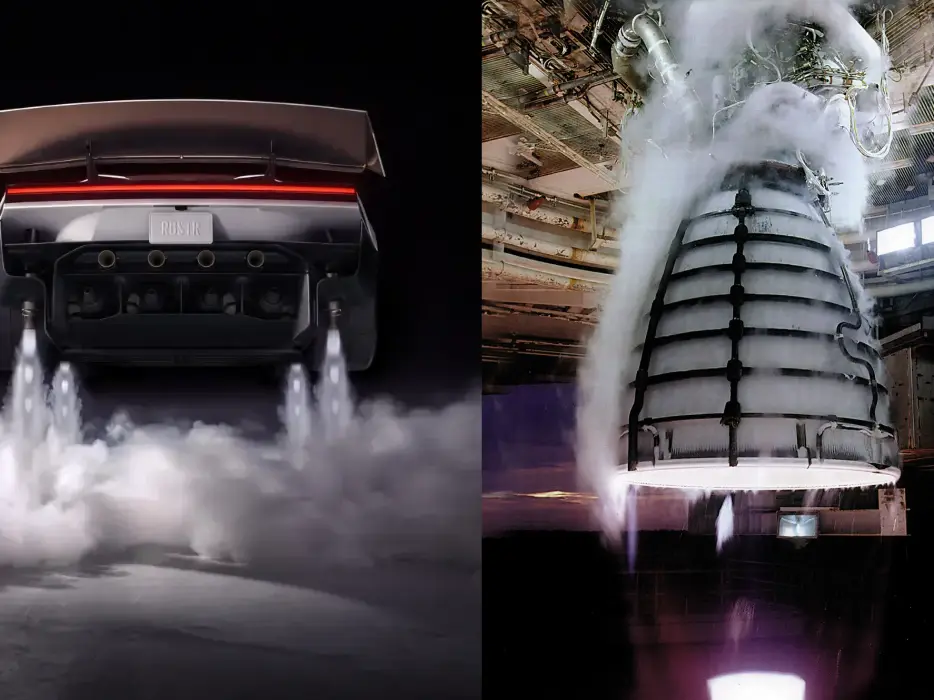
Tesla Roadster's thrusters vs rocket engines: What's the difference?
&imwidth=180&imheight=135&format=webp&quality=medium)
Mumbai: CJP brings Tricolour protest to Azad Maidan after weeks of demonstrations
&imwidth=180&imheight=135&format=webp&quality=medium)
'Ukraine must get all it needs to protect civilians and infrastructure': Macron
&imwidth=180&imheight=135&format=webp&quality=medium)
Portland stabbing: Multiple people reportedly stabbed hours after deadly Bend school shooting
Also see:South China Sea row: Why US has deployed warship USS Nimitz in Naval exercise with India
Suga reiterated that all parties involved in the South China Sea disputes must make peaceful efforts toward resolution, not by force or threat.
Suga pledged to strengthen bilateral defense ties with Southeast Asian nations and promised further assistance to step up their maritime policing, including training and equipment transfer from the Japanese Coast Guard.
The trip follows this month's meeting in Tokyo of the “Quad”, an informal grouping of India, Australia, Japan and the United States that Washington sees as a bulwark against China’s growing regional influence.
China has denounced the grouping of the four democracies as a "mini-NATO" aimed at containing its development.
"Our response in the South China Sea is not aimed at any one country," Suga said, when asked if Japan wanted to create an Asian version of the North Atlantic Treaty Organization (NATO).
Suga must balance Japan’s deep economic ties with China against security concerns, including Beijing’s growing push to assert claims over disputed East China Sea isles.
Some in his ruling party want to see a harder line, after ties warmed under his predecessor, Shinzo Abe.
"Japan is determined to defend its territory, territorial waters and air space," Suga said, adding that Japan also opposed actions that raised tension in the East China Sea.
Several members of the Association of Southeast Asian Nations (ASEAN) have territorial disputes with China in the vital South China Sea, but are wary of alienating the group's major economic partner and getting entangled in an intense confrontation between Washington and Beijing.
But some welcome Japan's greater engagement in the region.
Suga agreed with President Joko Widodo on Tuesday to speed talks on the export of Japanese defence gear and technology to Indonesia and have their defence and foreign ministers meet soon.
A day earlier, the Japanese leader and Vietnamese counterpart Nguyen Xuan Phuc also agreed in principle on a military equipment and technology export pact.