Scottish nationalists vow independence vote after election win

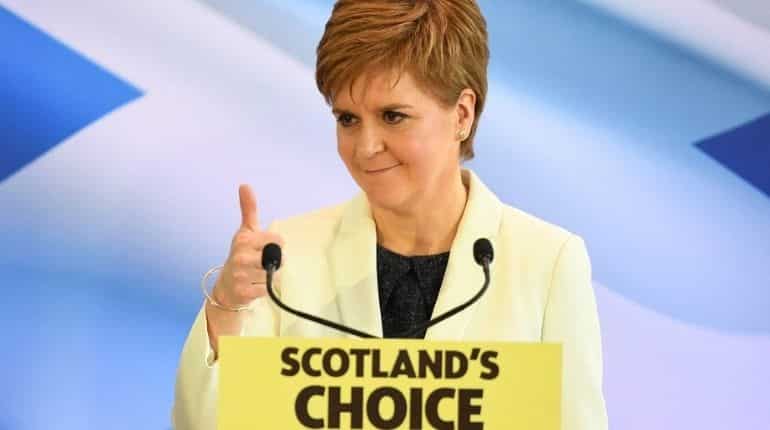
Scotland's First Minister, and leader of the Scottish National Party (SNP), Nicola Sturgeon
Pro-independenceparties won a majority in Scotland's parliament on Saturday, paving the way to a high-stakes political, legal and constitutional battle with British Prime Minister Boris Johnson over the future of the United Kingdom.
Scotland's First Minister Nicola Sturgeon said the result meant she would push ahead with plans for a secondindependencereferendum once the COVID-19 pandemic was over, adding that it would be absurd and outrageous if Johnson were to try to ignore the democratic will of the people.

"There is simply no democratic justification whatsoever for Boris Johnson, or indeed for anyone else, seeking to block the right of the people of Scotland to choose our own future," Sturgeon said.
"It is the will of the country," she addedafterherScottishNational Party (SNP) was returned for a fourth consecutive term in office.
&imwidth=180&imheight=135&format=webp&quality=medium)
Rahul Gandhi's plea against Election Commission delayed as Supreme Court registry flags 14 ‘defects’
&im=FitAndFill=(700,400)&imwidth=180&imheight=135&format=webp&quality=medium)
Navratri 2026: 9 days, 9 forms of Goddess Durga and 9 colours- Check the complete list
&imwidth=180&imheight=135&format=webp&quality=medium)
Korean peninsula tensions escalate as North Korea launches multiple ballistic missiles, PACOM says 'no threat to US personnel'
&imwidth=180&imheight=135&format=webp&quality=medium)
Trump weighs firing Kimberly Guilfoyle as US ambassador to Greece amid misconduct allegations: Report
&imwidth=180&imheight=135&format=webp&quality=medium)
Anti-SIR protest in Mumbai: Protestors wear black masks & ribbons in Mumbai
&imwidth=180&imheight=135&format=webp&quality=medium)
UK PM Andy Birnham renews claims of Russian meddling in Brexit vote
&imwidth=180&imheight=135&format=webp&quality=medium)
BCCI rejects venue shift reports, India vs Sri Lanka 1st ODI to remain in Delhi
&imwidth=180&imheight=135&format=webp&quality=medium)
'Absolutely disgusting': Australia slams US plan to livestream Nidal Hasan's execution; Mike Johnson raises concerns, warns of terrorist propaganda
&imwidth=180&imheight=135&format=webp&quality=medium)
1,500 drones illuminate Mumbai sky as Cordelia Cruises unveils second ship, Cordelia Sky
&imwidth=180&imheight=135&format=webp&quality=medium)
‘Fortress breached, reclaimed’: CJP leaders enter Jantar Mantar a day after loss of protest venue status | WATCH
&imwidth=180&imheight=135&format=webp&quality=medium)
Houthis warns US of 'painful response' if Washington joins Saudi war in Yemen as airlines suspend flights to Saudi Arabia
&imwidth=180&imheight=135&format=webp&quality=medium)
Congress demands action against chief election commissioner
&imwidth=180&imheight=135&format=webp&quality=medium)
'Turn approver, resign, we'll forgive you': Rahul Gandhi claims receiving messages from CEC Gyanesh Kumar
&imwidth=180&imheight=135&format=webp&quality=medium)
'I will not be silenced': Ilhan Omar alleges political intimidation after federal officers search her Washington home
&imwidth=180&imheight=135&format=webp&quality=medium)
Robotic surgery, advanced treatment: What is coming to this small Gujarat town?
&imwidth=180&imheight=135&format=webp&quality=medium)
Pakistan's government blames PTI for rise of terrorism in Khyber Pakhtunkhwa
&imwidth=180&imheight=135&format=webp&quality=medium)
‘This is just the start’: Maaya Rajeshwaran on historic ITF title, confidence boost and future goals
&imwidth=180&imheight=135&format=webp&quality=medium)
I.N.D.I.A. Bloc lists 10 requests to Supreme Court
&im=FitAndFill=(700,400)&imwidth=180&imheight=135&format=webp&quality=medium)
IMF World Economic Outlook: 10 economies to watch for growth in FY27 and FY28 - Where does India stand?
&im=FitAndFill=(700,400)&imwidth=180&imheight=135&format=webp&quality=medium)
How does a robot decide what to do next?
&imwidth=180&imheight=135&format=webp&quality=medium)
Is the AI chip boom already over? Global semiconductor stocks slide as investors question unbridled spending
&imwidth=180&imheight=135&format=webp&quality=medium)
Trump says he 'may' meet North Korean leader Kim Jong Un during upcoming Asia trip
&imwidth=180&imheight=135&format=webp&quality=medium)
'Ouch!!! That must hurt': Kangana Ranaut hails Kamal Haasan's sharp reply to Elon Musk over Starlink row
&imwidth=180&imheight=135&format=webp&quality=medium)
Sidhu Moose Wala’s younger brother wins hearts by recreating late singer’s signature move at Toronto Hologram Show
&imwidth=180&imheight=135&format=webp&quality=medium)
Girl 'dead' for 8 hours wakes up at her own funeral, dad insists she wasn't breathing
&imwidth=180&imheight=135&format=webp&quality=medium)
UK school ditches technology, shifts from screen to pen and paper for learning
&imwidth=180&imheight=135&format=webp&quality=medium)
Opposition’s 10 demands in Supreme Court petition range from stay on SIR to audit of voter rolls
&imwidth=180&imheight=135&format=webp&quality=medium)
'I am thoroughly unamused': Judge slams Trump administration after 400 trees cut at Washington golf course
&im=FitAndFill=(700,400)&imwidth=180&imheight=135&format=webp&quality=medium)
New OTT releases this week (October 12-18, 2026): Sacrifice, Koffee with Karan S9, Roadies Rebirth- 6 titles coming on Netflix, JioHotstar and more
&imwidth=180&imheight=135&format=webp&quality=medium)
Delhi protest: CJI Surya Kant declines to meet India Bloc leaders
&imwidth=180&imheight=135&format=webp&quality=medium)
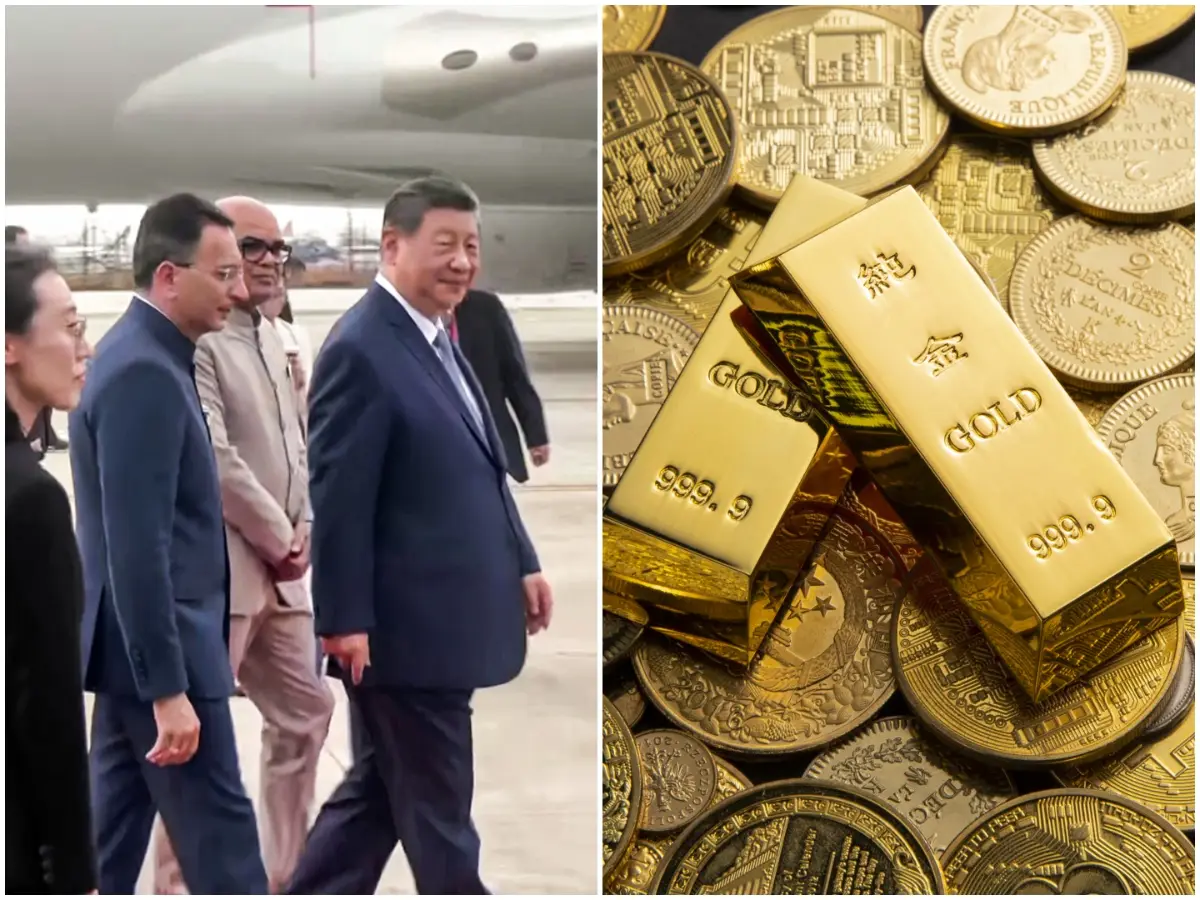
China’s gold rush puts billion in focus
&imwidth=180&imheight=135&format=webp&quality=medium)
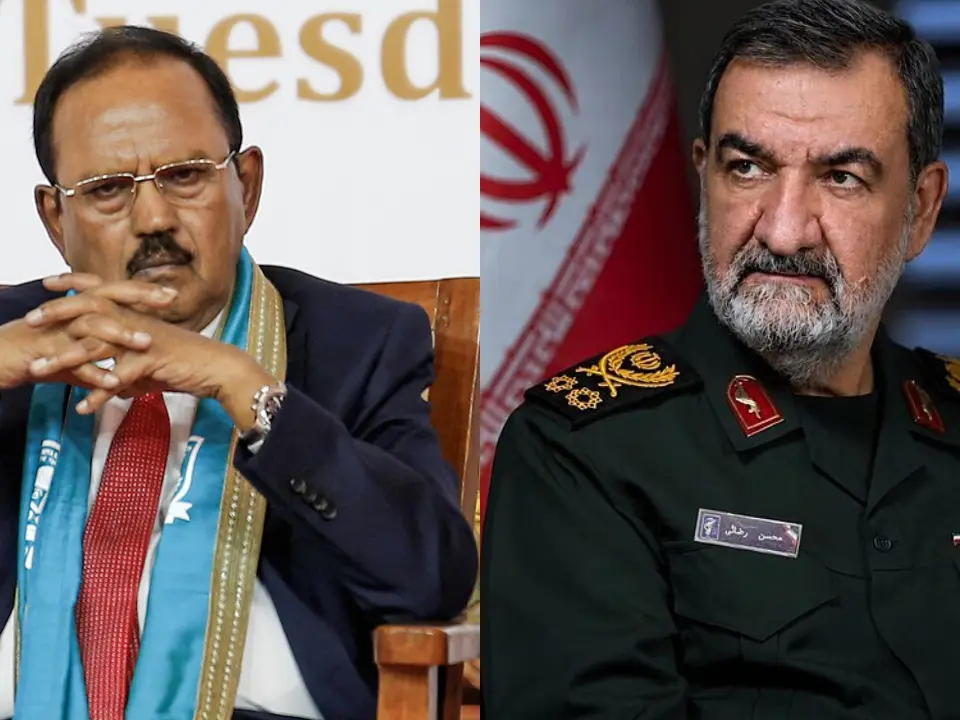
India's Ajit Doval, Iran's Mohsen Rezaei hold talks amid escalating West Asia tensions, discuss 'issues of mutual interest'
&imwidth=180&imheight=135&format=webp&quality=medium)
New Cold War: Why is China buying more gold? Explained
&imwidth=180&imheight=135&format=webp&quality=medium)
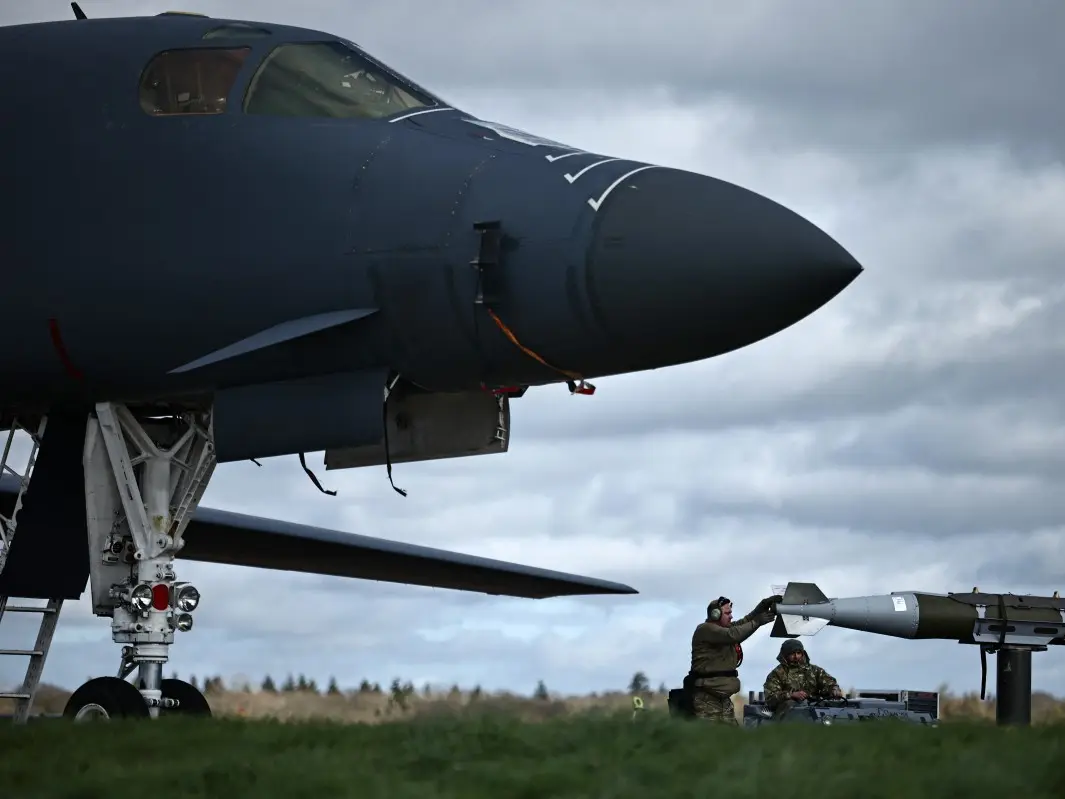
'Almost certainly': UK Prime Minister Andy Burnham says Iran's IRGC behind RAF Fairford threat
&imwidth=180&imheight=135&format=webp&quality=medium)
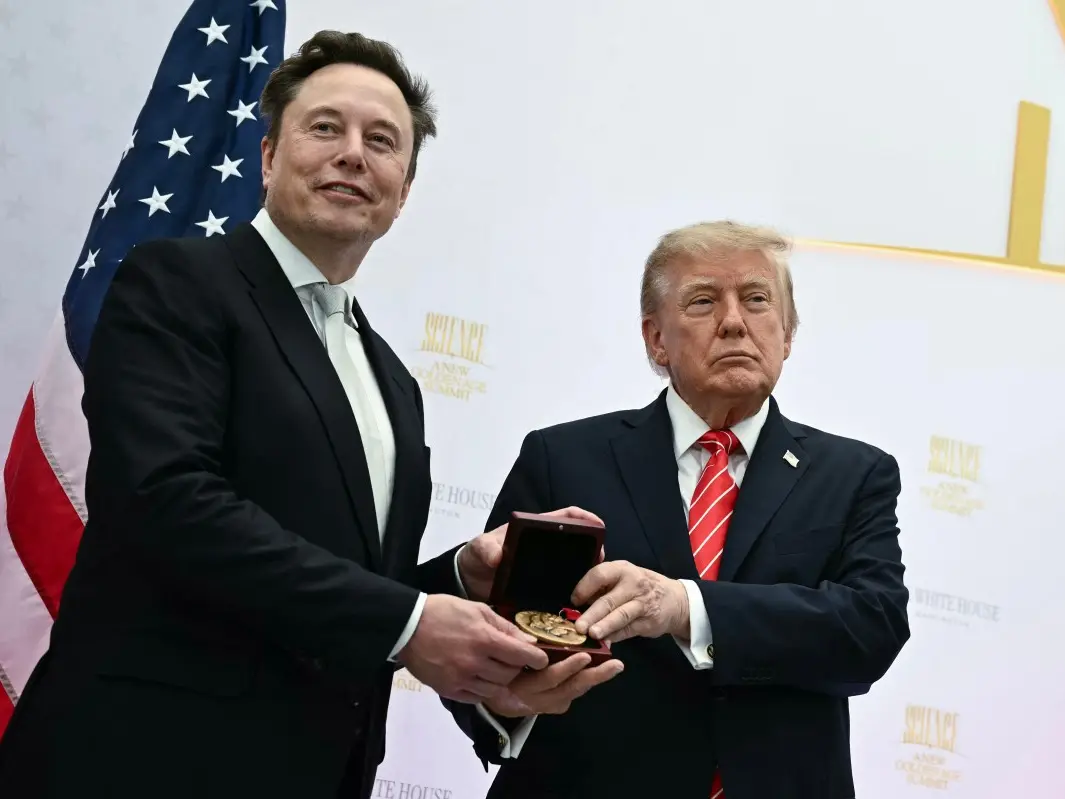
Elon Musk pumps $276 million into Republican campaigns ahead of US midterm elections
The British government argues Johnson must give approval for any referendum and he has repeatedly made clear he would refuse. He has said it would be irresponsible to hold one now, pointing out that Scots had backed staying in the United Kingdom in a "once in a generation" poll in 2014.
Theelectionoutcome is likely to be a bitter clash between theScottishgovernment in Edinburgh and Johnson's United Kingdom-wide administration in London, with Scotland's 314-year union with England and Wales at stake.
Thenationalistsargue that they have democratic authority on their side; the British government say the law is with them. It is likely the final decision on a referendum will be settled in the courts.
"I think a referendum in the current context is irresponsible and reckless," Johnson told the Daily Telegraph newspaper.
Alister Jack, the UK government's Scotland minister, said dealing with the coronavirus crisis and the vaccine rollout should be the priority.
"We must not allow ourselves to be distracted - COVID recovery must be the sole priority of Scotland’s two governments," he said.
The SNP had been hopeful ofwinning an outright majority which would have strengthened their call for a secessionvotebut they looked set to fall one seat short of the 65 required in the 129-seatScottishparliament, partly because of an electoral system that helps smaller parties.
Pro-union supporters argue that the SNP's failure to get a majority has made it easier for Johnson to rebut their argument that they have a mandate for a referendum.
However, theScottishGreens, who have promised to support a referendum, picked up eight seats, meaning overall there will be a comfortable pro-independencemajority in theScottishassembly.
Scottishpolitics has been diverging from other parts of the United Kingdom for some time, but Scots remain divided over holding anotherindependenceplebiscite.
However, Britain's exit from the European Union - opposed by a majority of Scots - as well as a perception that Sturgeon's government has handled the COVID-19 crisis well, along with antipathy to Johnson's Conservative government in London, have all bolstered support for theindependencemovement.
Scotsvoted by 55-45 per cent in 2014 to remain part of the United Kingdom, and polls suggest a second referendum would be too close to call.
Sturgeon said her first task was dealing with the pandemic and the SNP has indicated that a referendum is unlikely until 2023. But she said any legal challenge by Johnson's government to avotewould show a total disregard forScottishdemocracy.
"The absurdity and outrageous nature of a Westminster government potentially going to court to overturnScottishdemocracy, I can't think of a more colourful argument forScottishindependencethan that myself," she said.