Sanctions pressure on Tehran can work without Chinese cooperation: Scott Bessent

&imwidth=600&imheight=450&format=webp&quality=medium "Sanctions pressure on Tehran can work without Chinese cooperation: Scott Bessent")
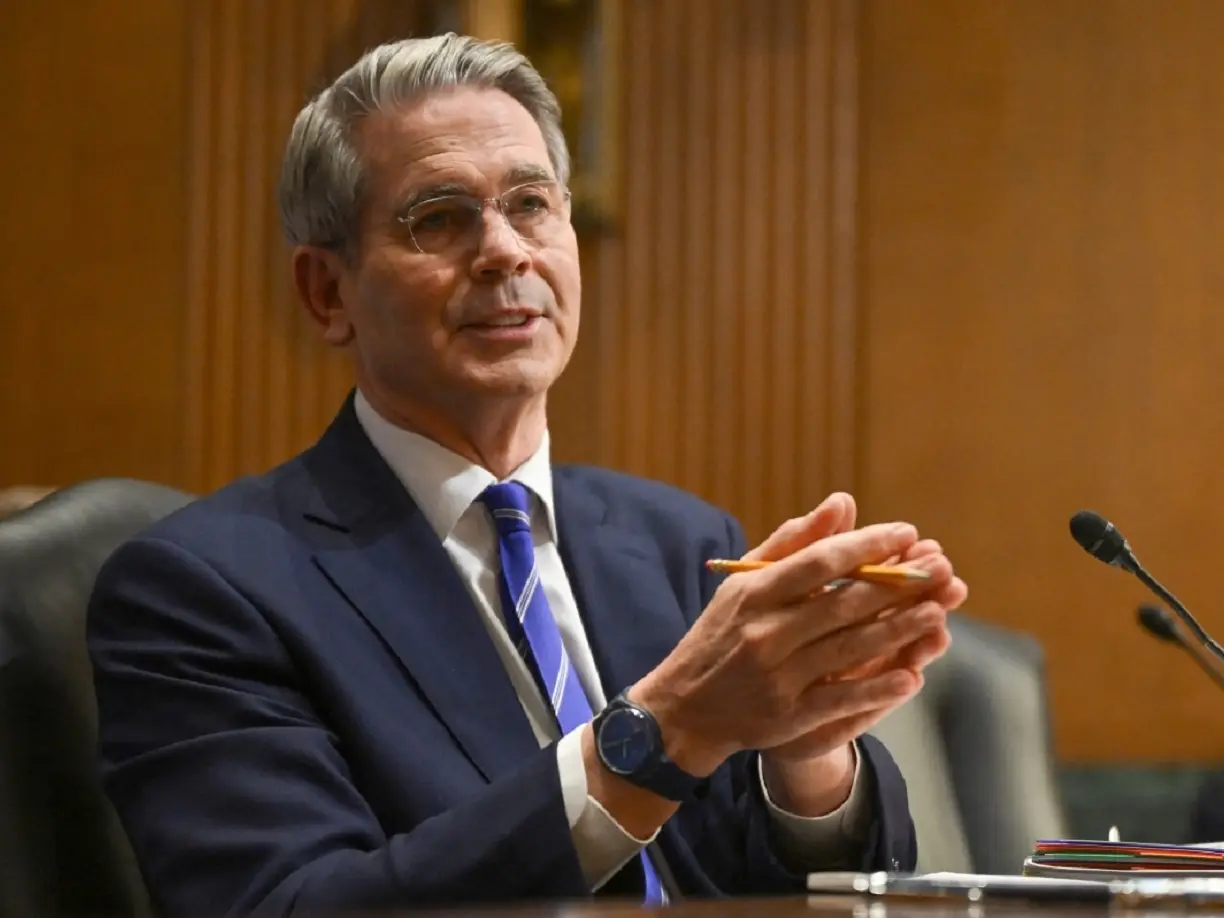
US Treasury Secretary Scott Bessent also downplayed any impact of the war on US growth. Photograph: (AFP)
Treasury Secretary Scott Bessent said he met with Chinese central bank Governor Pan Gongsheng on Sunday but did not share details about their conversation. He will ask his counterparts in the G20 meeting if their countries will join the US in its goal of cutting off Iran from global economy.
US Secretary of Treasury Scott Bessent said on Monday that the US plan to choke Iran’s economy by slapping sanctions on its financial enablers can work even if China doesn’t cooperate. China is Tehran’s top trade partner and oil buyer.
“I would push back on that false narrative that somehow the media has jumped on this, ‘Oh, you can’t do it without China,’” Bessent told CNBC in an interview.
“Well, you can,” he said, adding, “because one of the things is that there are only 30 million Iranian barrels of Iranian oil left on the water because of the blockade. So even if they were to get remittances from China, that’s going to run out.”
China has publicly said that it opposes “illicit unilateral sanctions that have no basis in international law.”
Beijing less resistant behind the scenes? Bessent suggests so
Trending Stories
&imwidth=280&imheight=210&format=webp&quality=medium)
&imwidth=280&imheight=210&format=webp&quality=medium)
&imwidth=280&imheight=210&format=webp&quality=medium)
&imwidth=280&imheight=210&format=webp&quality=medium)
&imwidth=280&imheight=210&format=webp&quality=medium)
&imwidth=280&imheight=210&format=webp&quality=medium)
&imwidth=280&imheight=210&format=webp&quality=medium)
&imwidth=280&imheight=210&format=webp&quality=medium)

&imwidth=280&imheight=210&format=webp&quality=medium)
&imwidth=280&imheight=210&format=webp&quality=medium)
&imwidth=280&imheight=210&format=webp&quality=medium)
&imwidth=280&imheight=210&format=webp&quality=medium)
&imwidth=280&imheight=210&format=webp&quality=medium)
&imwidth=280&imheight=210&format=webp&quality=medium)
&imwidth=280&imheight=210&format=webp&quality=medium)
&imwidth=280&imheight=210&format=webp&quality=medium)
&imwidth=280&imheight=210&format=webp&quality=medium)
&im=FitAndFill=(700,400)&imwidth=280&imheight=210&format=webp&quality=medium)
&imwidth=280&imheight=210&format=webp&quality=medium)
&imwidth=280&imheight=210&format=webp&quality=medium)
&imwidth=280&imheight=210&format=webp&quality=medium)
&imwidth=280&imheight=210&format=webp&quality=medium)
&imwidth=280&imheight=210&format=webp&quality=medium)
&imwidth=280&imheight=210&format=webp&quality=medium)
&im=FitAndFill=(700,400)&imwidth=280&imheight=210&format=webp&quality=medium)
&imwidth=280&imheight=210&format=webp&quality=medium)
&im=FitAndFill=(700,400)&imwidth=280&imheight=210&format=webp&quality=medium)
&imwidth=280&imheight=210&format=webp&quality=medium)
&im=FitAndFill=(700,400)&imwidth=280&imheight=210&format=webp&quality=medium)

&im=FitAndFill=(700,400)&imwidth=280&imheight=210&format=webp&quality=medium)
&imwidth=280&imheight=210&format=webp&quality=medium)
&imwidth=280&imheight=210&format=webp&quality=medium)
&imwidth=280&imheight=210&format=webp&quality=medium)
Bessent, however, suggested that Beijing may be less resistant behind the scenes.
“We have more in common with the Chinese on Iran than we disagree on,” he added. “The Chinese agree that Iran cannot have a nuclear weapon. The Chinese agree that the [Strait of Hormuz] must be open to free and fair ship transit.”
Bessent also said he met with Chinese central bank Governor Pan Gongsheng on Sunday but did not share more details about their conversation.
Bessent is expected to ask his counterparts in the G20 meeting if their countries will join the US in its goal of cutting off Iran from the global economy, officials said.
Trump admin may unveil sanctions on another bank this week
Bessent has also revealed that the Trump administration plans to unveil sanctions on another bank this week as part of its plan to economically isolate Iran by targeting its financial “enablers.”
Bessent is also likely to sit down with officials from South Korea and Argentina, among other nations.
US Treasury Secretary told reporters at the Group of 20 finance ministers’ meeting that international pressure could cause Iran’s economy to collapse “within weeks or months”.
‘Tehran just has to come to their sense, economy doesn’t have to collapse’
Bessent, however, added that “the economy doesn’t have to collapse,” Tehran just has to “come to their sense.”
Referring to Iran’s retaliatory strikes on Sunday night, Bessent said, “They are lashing out kinetically because they are losing economically”. He also thanked the European Union for its “fulsome support” of ramped-up sanctions against Iran.
Bessent also downplayed any impact of the war on US growth. “We will get to the other side of this Iran conflict,” he said.
Referring to Iran, Bessent said, “We are starting to see their elected leadership openly complain about the state of the economy... In my experience with people like this, the main thing they care about is their head staying attached to their neck.”