Sam Altman a sociopath, pathological liar and abuser? Musk agrees to claims on OpenAI chief's past and leadership

&imwidth=600&imheight=450&format=webp&quality=medium "Sam Altman a sociopath, pathological liar and abuser? Musk agrees to claims on OpenAI chief's past and leadership")
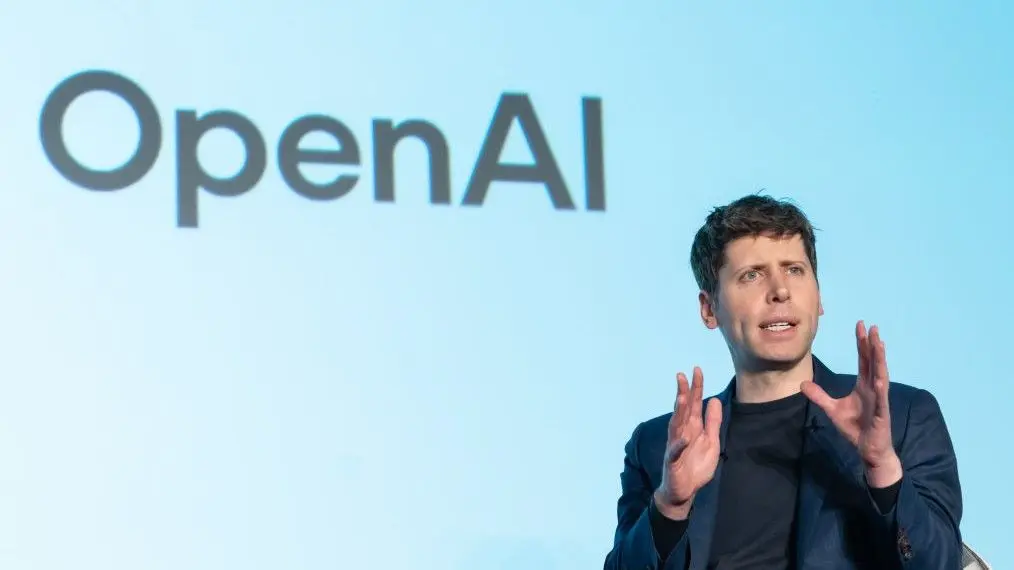
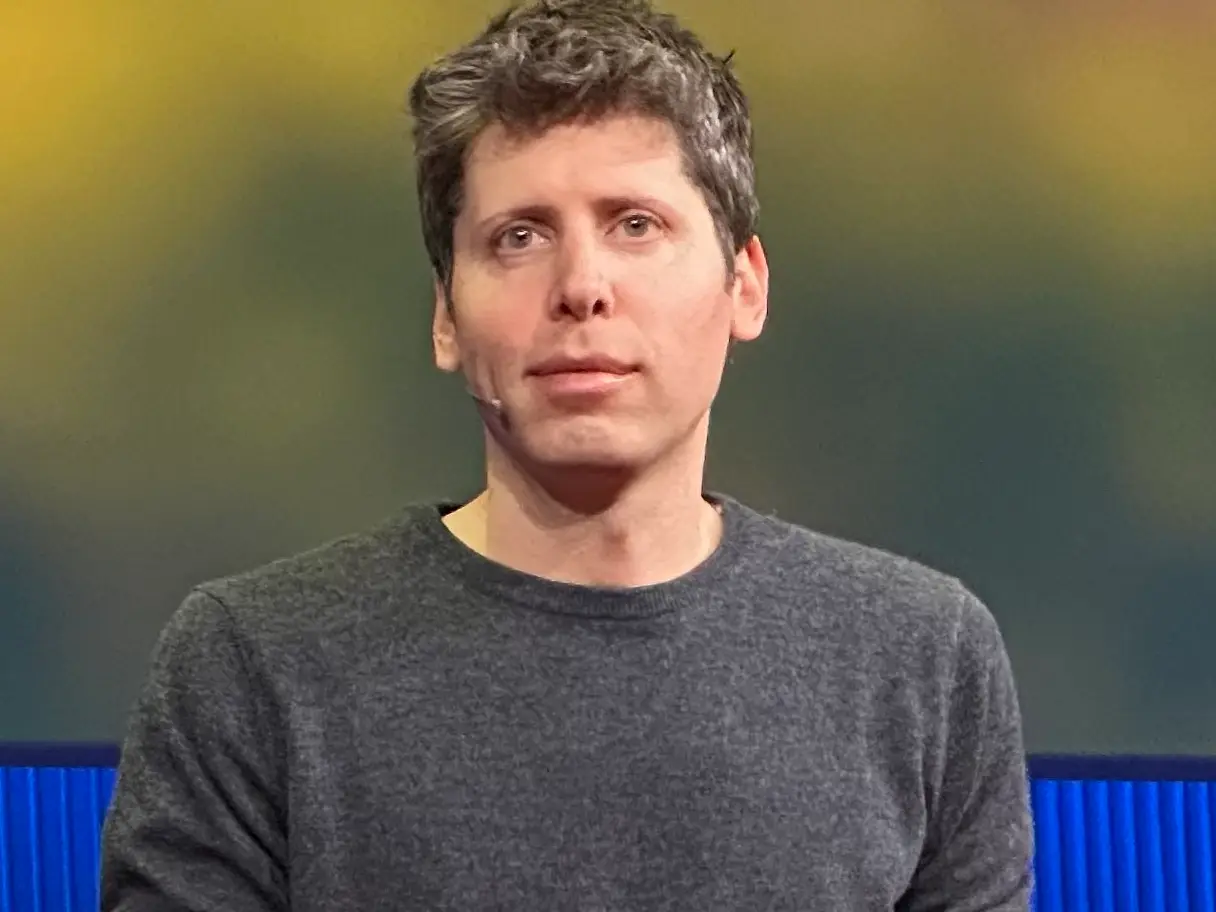
A file image of OpenAI CEO Sam Altman Photograph: (Others)
Elon Musk has shared a Robin Farrow interview citing allegations against Sam Altman, appearing to agree with the contents of Farrow's New Yorker ‘hit piece’ on the OpenAI CEO. Altman is accused of dishonesty, with the article questioning his leadership amid AI integrity and safety issues.
Elon Musk recently shared an interview with Robin Farrow, who wrote a 'hit piece' on Sam Altman, the CEO of OpenAI, the artificial intelligence firm behind ChatGPT. In the interview, the Pulitzer Prize-winning journalist behind the Harvey Weinstein sexual abuse exposé that sparked the MeToo movement, said that former associates of Altman described him as a sociopath and a pathological liar. Sharing the interview, the X chief, who was part of the founding team of OpenAI, said this man cannot be trusted with a superpowerful AI.
Sam Altman accused of excessive lying
Musk posted the Farrow interview, in which the journalist from The New Yorker highlighted allegations of repeated dishonesty, exaggeration, and misleading statements to board members and partners by Altman. Farrow claimed that Altman was fired from OpenAI in 2023 - before being reinstated - partly for excessive lying. He also spoke about untested AI models being released to India, and false assurances on AI safety provisions, under Altman. While sharing the interview, Musk wrote: "Not someone you want in charge of superpowerful AI."
Farrow's allegations against Sam Altman
Farrow made several allegations in a piece for the New Yorker, titled "Sam Altman May Control Our Future—Can He Be Trusted?". Written by Farrow along with Andrew Marantz and published on 6 April, the article came after 18 months of reporting and investigation. It is based on interviews with more than 100 people, including former and current OpenAI board members, executives, employees, investors, and colleagues. The article also claims to have reviewed previously undisclosed internal documents. This includes the “Ilya memos”, which contain Ilya Sutskever’s Slack messages and HR documents. Also reviewed were the private notes kept by Dario Amodei, the co-founder of rival AI firm Anthropic. Amodei was previously associated with OpenAI.
The article questioned whether Altman can be trusted with control over transformative AI technology, in the context that artificial general intelligence (AGI) could be humanity’s most dangerous invention and thus would require a leader of “uncommon integrity” to run a company like OpenAI.
Trending Stories
&imwidth=280&imheight=210&format=webp&quality=medium)
&imwidth=280&imheight=210&format=webp&quality=medium)
&im=FitAndFill=(700,400)&imwidth=280&imheight=210&format=webp&quality=medium)
&imwidth=280&imheight=210&format=webp&quality=medium)
&imwidth=280&imheight=210&format=webp&quality=medium)
&imwidth=280&imheight=210&format=webp&quality=medium)
&imwidth=280&imheight=210&format=webp&quality=medium)
&imwidth=280&imheight=210&format=webp&quality=medium)
&imwidth=280&imheight=210&format=webp&quality=medium)
&imwidth=280&imheight=210&format=webp&quality=medium)
&imwidth=280&imheight=210&format=webp&quality=medium)
&imwidth=280&imheight=210&format=webp&quality=medium)
&imwidth=280&imheight=210&format=webp&quality=medium)
&imwidth=280&imheight=210&format=webp&quality=medium)
&imwidth=280&imheight=210&format=webp&quality=medium)
&imwidth=280&imheight=210&format=webp&quality=medium)
&imwidth=280&imheight=210&format=webp&quality=medium)
&imwidth=280&imheight=210&format=webp&quality=medium)
&imwidth=280&imheight=210&format=webp&quality=medium)
&imwidth=280&imheight=210&format=webp&quality=medium)
&imwidth=280&imheight=210&format=webp&quality=medium)
&imwidth=280&imheight=210&format=webp&quality=medium)
&imwidth=280&imheight=210&format=webp&quality=medium)
&imwidth=280&imheight=210&format=webp&quality=medium)
&imwidth=280&imheight=210&format=webp&quality=medium)
&imwidth=280&imheight=210&format=webp&quality=medium)
&im=FitAndFill=(700,400)&imwidth=280&imheight=210&format=webp&quality=medium)
&imwidth=280&imheight=210&format=webp&quality=medium)
&imwidth=280&imheight=210&format=webp&quality=medium)
&imwidth=280&imheight=210&format=webp&quality=medium)
&imwidth=280&imheight=210&format=webp&quality=medium)
&imwidth=280&imheight=210&format=webp&quality=medium)
&imwidth=280&imheight=210&format=webp&quality=medium)
&imwidth=280&imheight=210&format=webp&quality=medium)
&imwidth=280&imheight=210&format=webp&quality=medium)
AI, leadership and integrity: Sam Altman is “unconstrained by the truth”
The article seeks to establish a pattern of deception, manipulation, and prioritisation of power and profit over safety commitments in Altman’s conduct. It claims that this pattern has been repeated across his career, from Loopt to Y Combinator and now OpenAI.
Altman allegedly drifted from the AI safety mission, pushing aggressively for deals with businesses and governments.
Sam Altman had a consistent pattern of lying and misrepresentation
In late 2022, Altman told the board that certain controversial features in an upcoming AI model had been approved by OpenAI’s safety panel. After board member Helen Toner asked for documentation, it turned out that the most controversial features had not been approved.
Altman told Mira Murati that ChatGPT's GPT-4 Turbo model didn’t need safety approval, citing general counsel Jason Kwon. However, Kwon later said he was “confused” and had no idea where Altman got that idea. In his private notes, running to more than 200 pages, Dario Amodei documented several incidents, including one involving the 2019 Microsoft deal with OpenAI. Amodei wrote that Altman’s words were “almost certainly bulls***t”.
The betrayal of OpenAI’s nonprofit and safety mission
Some OpenAI founders, including Altman, privately doubted its nonprofit structure early on, according to the report. Greg Brockman wrote in his diary: "If three months later, we’re doing B-corp, then it was a lie."
One researcher reportedly told the board: “OpenAI has been going off the rails on its mission... We are prioritising product and revenue above all else.”
Altman's deception and manipulation go back to his first startup
According to the report, employees at his first start-up, Loopt, went to the board twice asking to fire Altman over a lack of transparency and a tendency for exaggeration. This included claiming he was a “Missouri high-school ping-pong champion” when he was not. He inspired loyalty in others but was accused of blurring the truth.
During his time at Y Combinator, partners complained of divided loyalties, with Altman making personal investments while serving as president. Paul Graham, co-founder of Y Combinator, reportedly told colleagues Altman “had been lying to us all the time”.
Altman was later pushed out as president but resisted and remained listed as chairman in SEC filings until 2021, which he said he was unaware of.
Sam Altman's aggressive business dealings with questionable partners, and lobbying against regulation
Altman reportedly sought funding and deals with Gulf autocracies in Saudi Arabia and the UAE for massive data-centre projects, despite security red flags. He internally discussed “playing world powers like China and Russia against each other in a bidding war for AI technology, according to the report. This plan was dropped after employee pushback.
At one point, he claimed, without evidence, that China had an “AGI Manhattan Project”.
Altman lobbied against AI regulation such as the European Union AI Act and bills in California, even as he publicly supported AI safety, said the report.
Sister's abuse accusations and more: Sam Altman's personal character under scanner
Sources cited in Farrow's reportage and interviews described Altman as having a “sociopathic lack of concern for the consequences”, and a desperate need to be liked.
The article notes deeply personal allegations from Altman’s sister Annie, including of sexual abuse, which Altman fought in the courts. He denied the allegations. There were unsubstantiated Silicon Valley rumours involving minors, on which no evidence was found by the New Yorker reporters.
Altman's board coup: He was ousted in 2023, but was reinstated, with limited probe
Altman was fired as OpenAI CEO in 2023 by the board, citing a lack of candour. But he quickly returned to the position after organising a counter-campaign. He made Thrive Capital’s $86 billion investment in OpenAI conditional on his return, among other factors. He was reinstated within five days, with the board that ousted him practically disbanded. The subsequent “independent” WilmerHale review, overseen by new board members chosen in consultation with Altman, produced no written report. An 800-word announcement only cited a “breakdown in trust” without explicitly blaming Altman.
‘Can't change my personality’: Altman’s response to allegations on his leadership, personal qualities
Altman attributed the criticism of him to his avoidance of conflict. He said he “can’t change my personality”, and denied lying.
He maintained that OpenAI would continue to run safety projects, “or at least safety-adjacent projects”.
He also characterised OpenAI's shift to for-profit operations and aggressive deal-making as normal competitive business rather than a betrayal.
The New Yorker article does not portray Altman as cartoonishly evil. It presents a complex, high-achieving figure whose traits led to breakdowns in trust. It suggests he exhibits a “reality-distortion field” and ruthless ambition.