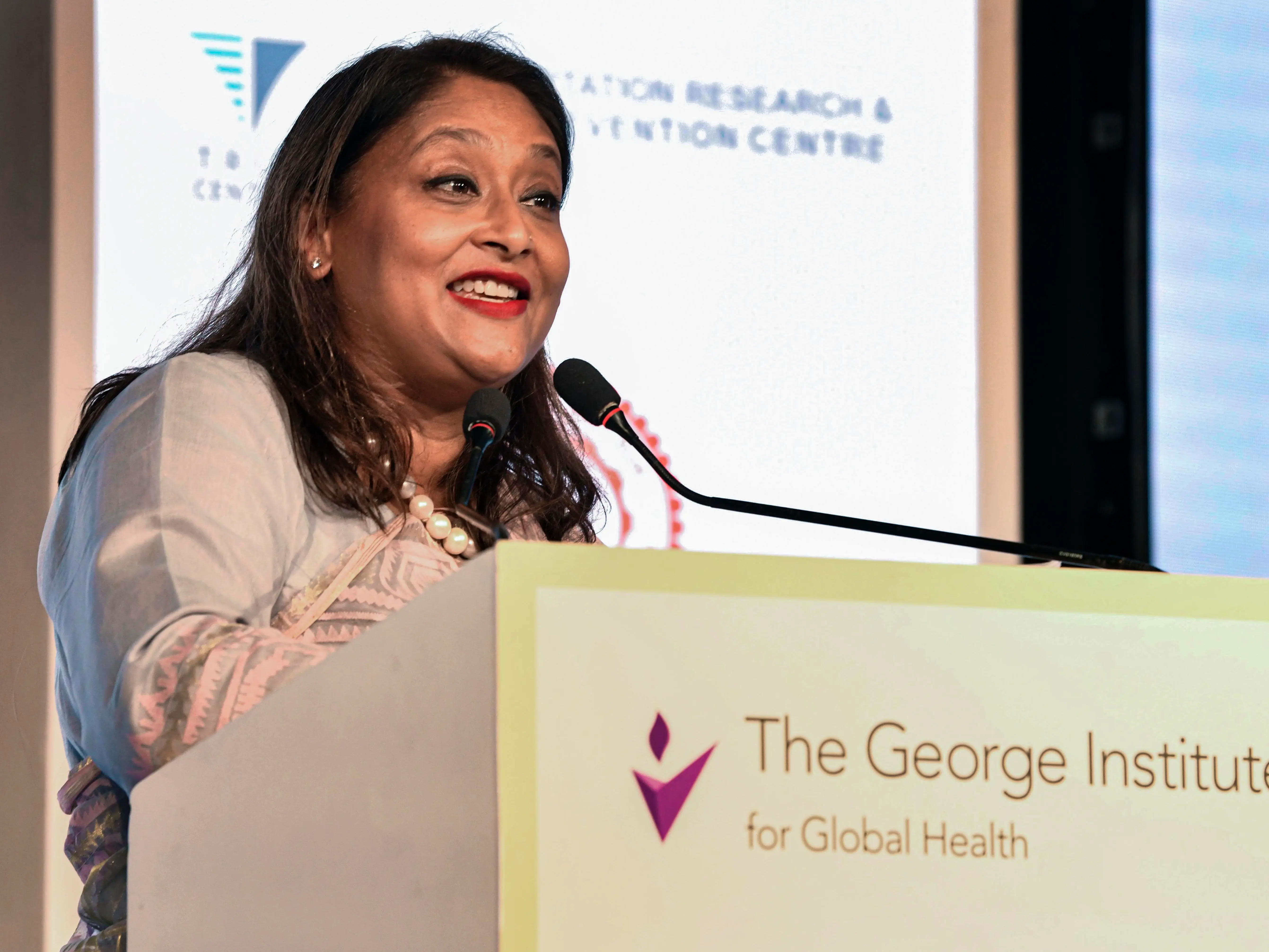
Saima Wazed, Sheikh Hasina's daughter, resigns as WHO regional director amid fraud allegations. Who is she?

&imwidth=600&imheight=450&format=webp&quality=medium "Saima Wazed, Sheikh Hasina's daughter, resigns as WHO regional director amid fraud allegations. Who is she?")
Saima Wazed Photograph: (ANI)
Saima Wazed resigns as WHO Southeast Asia chief amid fraud allegations, unpaid leave and investigations linked to Bangladesh's political fallout
Saima Wazed, the World Health Organization’s (WHO) Southeast Asia regional director and daughter of ousted Bangladeshi Prime Minister Sheikh Hasina, has resigned from her post, according to her resignation letter seen by news agency Reuters. Wazed’s resignation comes amid fraud-related investigations by both the WHO and Bangladeshi authorities, adding another layer to the political and legal fallout surrounding Hasina’s ouster after a deadly uprising in Bangladesh in mid-2024.
The developments involving Wazed indicate that the repercussions of Hasina’s removal have extended beyond her political allies to members of her family. Several former allies of Hasina are facing criminal cases in Bangladesh, including allegations involving corruption, while Hasina herself remains in self-imposed exile. Wazed assumed the position of WHO Southeast Asia regional director in early 2024 for a five-year term. However, the WHO placed her on unpaid administrative leave late last year. She was initially sent on leave in July 2025, after Bangladesh’s Anti-Corruption Commission filed charges against her in March 2025 alleging fraud and forgery.
According to a separate July 3, 2026 letter from Wazed’s lawyers to the WHO, seen by Reuters, the health agency accused her of financial misconduct linked to travel to China and of providing misleading information concerning her academic credentials. Wazed has denied the allegations. The WHO also accused Wazed of illegally acquiring a plot of land in Bangladesh, according to her resignation letter addressed to WHO Director-General Tedros Adhanom Ghebreyesus. Wazed disputed that allegation, saying she had acquired the property before joining the WHO and was legally entitled to it under Bangladeshi legislation concerning the families of Sheikh Mujibur Rahman, Bangladesh’s independence leader and Hasina’s father.
Also Read: Empty seats at RNC midterm convention? Here's what photos and videos reveal vs Trump's claim
Wazed says she has lost confidence in WHO leadership
In her resignation letter, Wazed said she was stepping down after being prevented from performing her responsibilities and remaining without pay for almost a year. "I was elected to the position of Regional Director in order to serve the countries in my region, which I had sincerely done," Wazed said in her resignation letter to Tedros sent late on Wednesday.
Trending Stories
&imwidth=280&imheight=210&format=webp&quality=medium)
&imwidth=280&imheight=210&format=webp&quality=medium)
&imwidth=280&imheight=210&format=webp&quality=medium)
&imwidth=280&imheight=210&format=webp&quality=medium)
&imwidth=280&imheight=210&format=webp&quality=medium)
&imwidth=280&imheight=210&format=webp&quality=medium)
&im=FitAndFill=(700,400)&imwidth=280&imheight=210&format=webp&quality=medium)
&imwidth=280&imheight=210&format=webp&quality=medium)
&imwidth=280&imheight=210&format=webp&quality=medium)
&imwidth=280&imheight=210&format=webp&quality=medium)
&imwidth=280&imheight=210&format=webp&quality=medium)
&imwidth=280&imheight=210&format=webp&quality=medium)
&imwidth=280&imheight=210&format=webp&quality=medium)
&imwidth=280&imheight=210&format=webp&quality=medium)
&im=FitAndFill=(700,400)&imwidth=280&imheight=210&format=webp&quality=medium)
&imwidth=280&imheight=210&format=webp&quality=medium)
&imwidth=280&imheight=210&format=webp&quality=medium)
&imwidth=280&imheight=210&format=webp&quality=medium)
&imwidth=280&imheight=210&format=webp&quality=medium)
&im=FitAndFill=(700,400)&imwidth=280&imheight=210&format=webp&quality=medium)
&im=FitAndFill=(700,400)&imwidth=280&imheight=210&format=webp&quality=medium)
&imwidth=280&imheight=210&format=webp&quality=medium)
&imwidth=280&imheight=210&format=webp&quality=medium)
&imwidth=280&imheight=210&format=webp&quality=medium)
&imwidth=280&imheight=210&format=webp&quality=medium)
&imwidth=280&imheight=210&format=webp&quality=medium)
&imwidth=280&imheight=210&format=webp&quality=medium)
&im=FitAndFill=(700,400)&imwidth=280&imheight=210&format=webp&quality=medium)
&imwidth=280&imheight=210&format=webp&quality=medium)
&imwidth=280&imheight=210&format=webp&quality=medium)
&imwidth=280&imheight=210&format=webp&quality=medium)
&imwidth=280&imheight=210&format=webp&quality=medium)
&imwidth=280&imheight=210&format=webp&quality=medium)
&imwidth=280&imheight=210&format=webp&quality=medium)
&imwidth=280&imheight=210&format=webp&quality=medium)
"Since you continue to prevent me from effectively carrying out my duties, I have lost all trust and confidence in your leadership of WHO," she wrote. “Moreover, after nearly one year without any remuneration following your decision to place me on unpaid leave, my financial situation has become untenable. In these circumstances, I am choosing to step aside.” Wazed declined to provide further comment.
WHO could hold new election for regional director: Report
Two sources previously told Reuters that the WHO was preparing to formally remove Wazed from the position. One source said the organization was expected to announce nominations for the regional director position on October 12, review and vet candidates in December, and conduct the election on January 24. The sources spoke anonymously because of the sensitivity of the issue.
WHO regional directors hold significant influence over health policy and emergency responses across their respective regions. Their responsibilities include coordinating responses to disease outbreaks and other health emergencies, as well as adapting WHO policies to regional circumstances. Regional directors are elected every five years by member states in their respective regions. The WHO Southeast Asia region includes countries such as Bangladesh and India.
Wazed rejects fraud allegations
In the July letter, Wazed’s lawyers rejected the WHO’s allegation of travel-related financial fraud. They said the matter involved $901 and resulted from an administrative error by an assistant handling routine reimbursement claims. Wazed also rejected the allegation concerning her academic credentials. She said she holds an honorary doctorate recognizing her work on autism in Bangladesh and had previously made the nature of that qualification clear to WHO Director-General Tedros.

