&imwidth=800&imheight=600&format=webp&quality=medium "Russia-Ukraine war: Europe's peace plan 'leaks'. How similar or different is it from leaked US plan?")
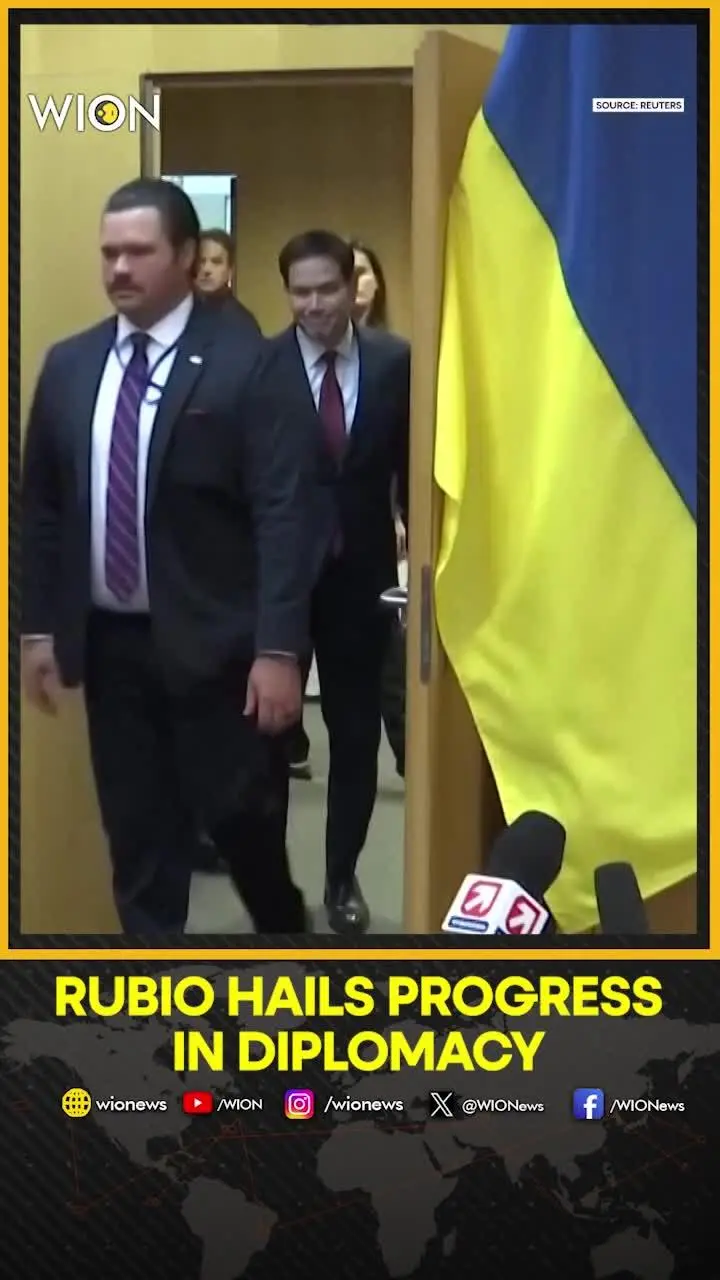
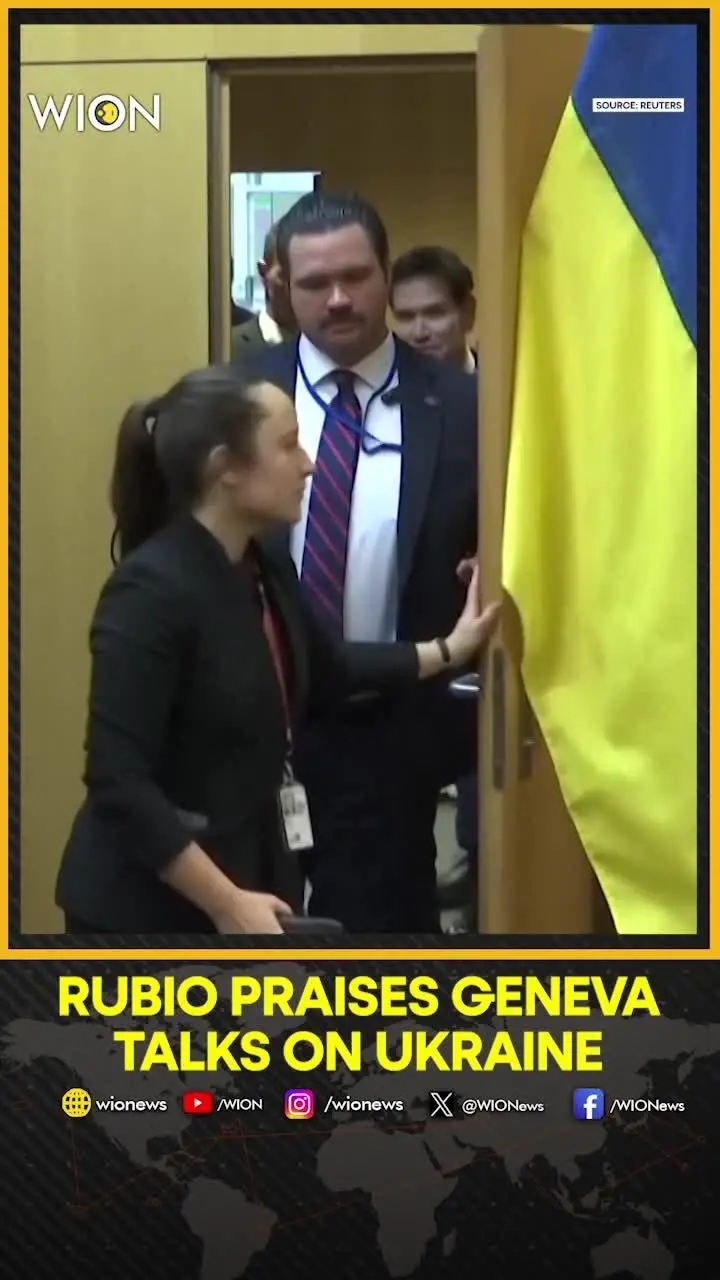
Days after a US plan to end the Ukraine‑Russia war was leaked and widely criticised, British newspaper The Telegraph and Reuters news agency have published an alternative plan from the European Union that they claim to have accessed from this weekend's Geneva talks. Here are the key elements of Europe’s peace plan, if the leaks are accurate, and how it compares with the US proposal.
What are the key features of Europe’s peace plan for Ukraine war?
Europe’s peace plan seeks a full and immediate ceasefire across land, sea and air, to be monitored by a multinational mission under American and European leadership. The truce would be monitored via satellites, drones and other on‑site mechanisms.

Affirming Ukraine’s full sovereignty, it stipulates that any territorial issues should be addressed through negotiations after the truce. These negotiations would start from the current line of contact, rather than any forced concessions.
Security guarantees for Ukraine are central to the European plan, as per the reports. Kyiv would receive legally binding guarantees from NATO member nations and the US.
The European plan does not force Ukraine into permanent neutrality, leaving the door open for it to join NATO or the EU in the future.
Trending Stories
)
The Early Spring is proof not everyone can talk about their real feelings, and it is perfectly OK
)
UN votes to ‘correct the map’ as India backs fairer world view
)
Nigerian Navy discovers 99,000 litres of suspected stolen, illegally refined products as it intensifies anti-crude oil theft operations
)
Who is Aditi Paudel? 17-year-old becomes Japan's first literacy ambassador
)
Bengaluru: Officials find 40 kg expired chilli at chairman's club
)
Jaishankar rejects trade link to ending Ukraine war
)
Israeli strikes on Lebanon kill three, injure 23 despite truce
)
Alpine glacier was covered with sheep wool sheets to prevent melting. It worked
)
South Korea mulls deploying military assets to Strait of Hormuz
)
World's fifth-largest economy, British army can't afford to train
)
Breaking | Vance takes the podium: First White House briefing since Leavitt's exit
)
Taiwan raises 'concerns' over China's missile test
)
BRICS 2026: $1 trillion sovereign capital set to converge in Delhi for first iBRICS Summit
)
What is Iran's Pickaxe Mountain that Trump has again threatened to bomb?
)
UN votes to correct world map that visually shrank Africa for 450 years
)
Former NewJeans member Danielle launches YouTube channel, hints at new solo journey
)
Bangladesh batter Towhid Hridoy creates history with 350 not out in South Africa
)
Brendan Fraser’s transformation fuels The Mummy 4 excitement as fans welcome back Rick O’Connell
&im=FitAndFill=(700,400))
Krishna Janmashtami 2026: From Dhaniya Panjiri to Makhana Kheer- 5 best sweet dishes perfect for celebrating Lord Krishna’s birth
)
Donald Trump plans to travel to Ireland on Qatari-donated jet amid security concerns
)
Nazi-looted art to return to Jewish heirs
)
Eight killed in Kerala’s Thrissur after car rams into lorry parked on highway
&im=FitAndFill=(700,400))
Why Russian fighter jets use bulky, low-pressure tyres compared to US jets
)
FBI-wanted fraud accused arrested in Jalandhar over $600,000 scam
&im=FitAndFill=(700,400))
Why US tanks weigh over 20 tons more than Russian tanks
&im=FitAndFill=(700,400))
New Friday OTT releases (September 4, 2026): GDN, Dhamaal 4, Jagamae Sangeetham- Watch 6 new movies and TV shows on Netflix, Prime Video and more
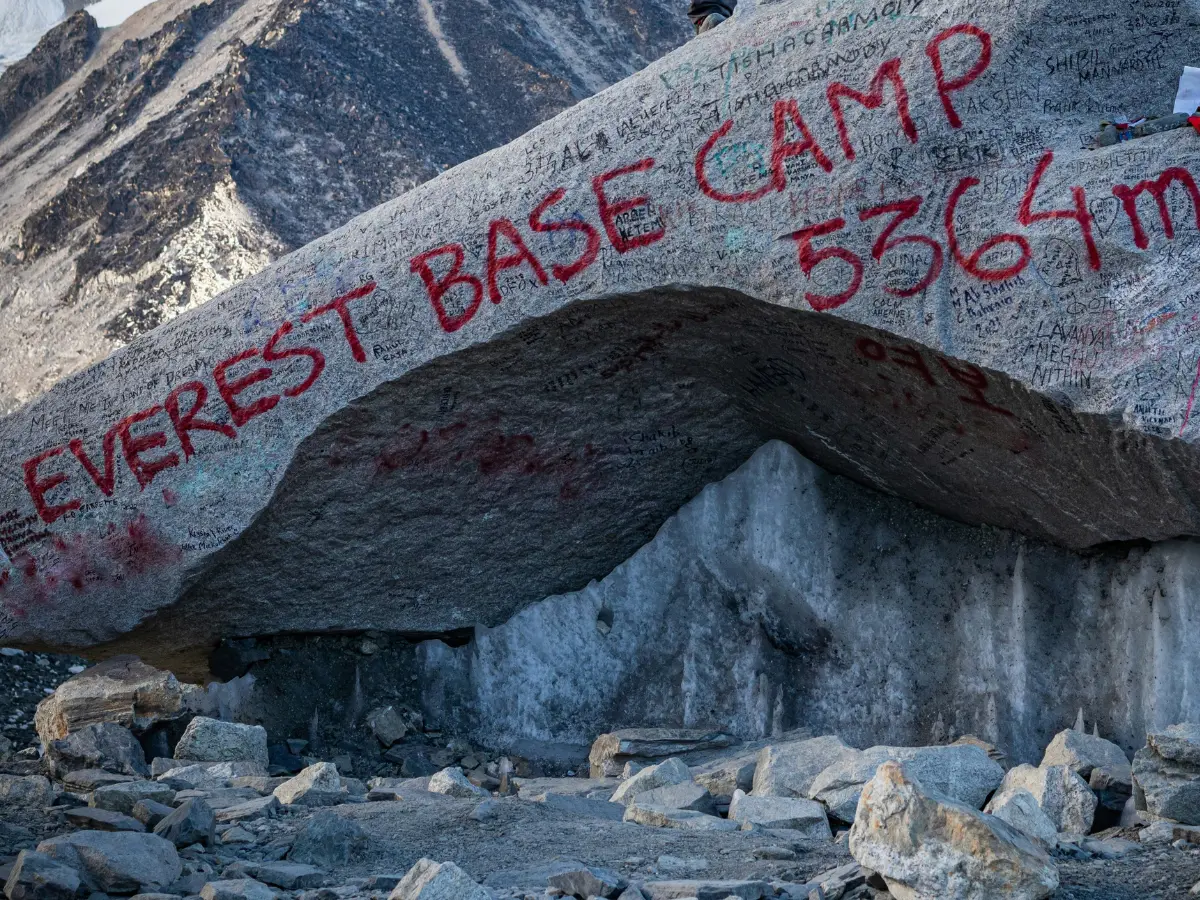)
Killing the Himalayas slowly: Human urine is melting a glacier on Mount Everest
Also read: Kremlin says it was not informed about Geneva talks as Zelensky calls for more steps to end the war
Europe has proposed Ukraine’s armed forces be capped at 800,000 personnel. It says there should be no restriction on Ukraine’s defence industry or its ability to host “friendly forces,” which essentially paves the way for EU or NATO member nations’ troops to enter Ukraine for protection in future.
The European plan calls for an “all-for-all” prisoner exchange and the unconditional return of deported Ukrainian children under international supervision.
The proposal suggests using frozen Russian sovereign assets for rebuilding Ukraine. Sanctions relief for Russia would be gradual and reversible, using a “snap-back” mechanism if violations occur. The European plan also includes a long-term security architecture, with European security discussions to involve all OSCE states, and a “Board of Peace” to oversee its implementation.
How far is the European peace plan for Ukraine similar to the leaked US plan?
There are overlapping aspects in both European proposals and the US plan. This suggests that Europe possibly took the US draft as a starting point of reference and built on it. Ukraine’s sovereignty is mentioned in both, as is a call for a comprehensive non‑aggression pact involving Russia, Ukraine and NATO.
Both plans include some form of security guarantee for Ukraine, economic reconstruction funded by frozen Russian assets, and ceasefire monitoring.
Longer-term dialogue on European security architecture and Russia’s gradual reintegration into the global economy are mentioned in both plans, possibly including Moscow's eventual return to the G8.
What are the differences between Europe’s Ukraine peace plan and the American one?
The military capacity of Ukraine is one area of divergence, with the US putting a cap of 600,000 personnel. The US plan also appears to oppose NATO membership for Ukraine. It requires Ukraine to enshrine in its constitution that it would not join NATO and prohibits NATO troops in Ukrainian territory.
The European plan, on the other hand, leaves NATO membership open, stating that it would depend on consensus among current members of the alliance.
Europe rejects any immediate recognition of Russian control over Ukrainian lands, insisting that negotiations should start only from existing frontlines, and only after a ceasefire. This differs from the US plan, which appeared to give de facto status to Ukrainian territories occupied by Russia.
The European plan insists on using frozen Russian assets strictly for Ukraine’s reconstruction, while the US proposal suggests that a portion of those assets could be used for a joint investment vehicle, with profits partially shared with investors.
The European plan explicitly excludes amnesty for war crimes and supports a robust legal mechanism overseen by a peace board. The US proposal was vague on war crimes consequences, particularly regarding Russia and its President, Vladimir Putin.
Europe’s peace plan aligns with Ukraine’s core red lines more closely than the US draft, prioritising Kyiv's sovereignty, long-term security, and justice. It suggests that rapid de‑escalation could compromise Ukraine’s territorial integrity or future orientation, particularly vis-à-vis Europe. The US plan is a pragmatic and potentially expedient deal, while Europe’s version seeks a more calibrated, balanced and principled peace.