Resurrecting the dead: Why has Iran pulled 'ghost ship' Nasha out of retirement? Shocking reason REVEALED

&imwidth=600&imheight=450&format=webp&quality=medium "Resurrecting the dead: Why has Iran pulled 'ghost ship' Nasha out of retirement? Shocking reason REVEALED")
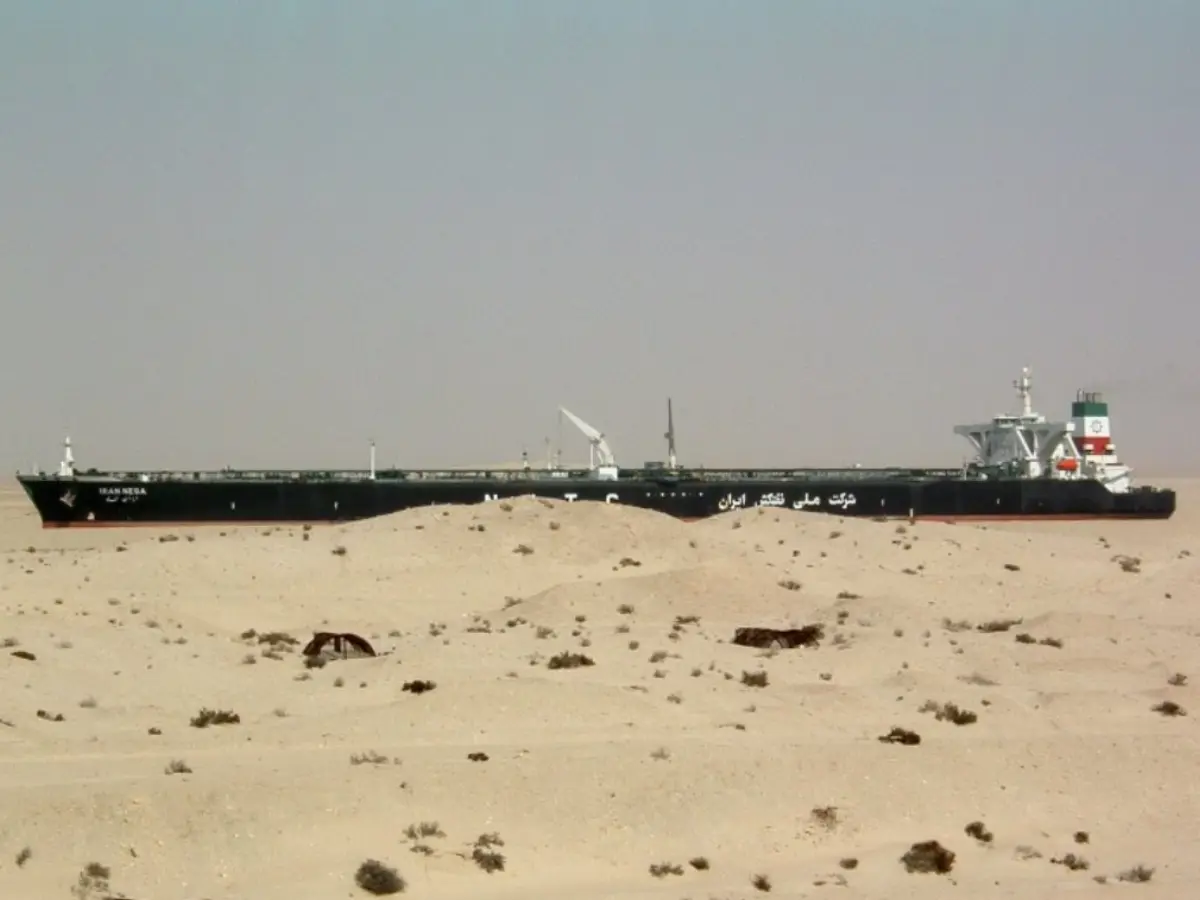
Iran oil tanker 'Nasha' Photograph: (X/TonySeruga)
Why is Iran bringing a decades-old tanker back into service? As pressure mounts from the US blockade, Tehran is turning to stopgap fixes to store oil, including reviving the ageing vessel Nasha near Kharg Island.
Is this a sign that Trump's plan is working? Scroll down to find out.
Iran, as per reports, seems to be scrambling to find somewhere to put its oil. With Kharg Island, the terminal that handles roughly 90 per cent of the country's crude exports, approaching maximum storage capacity, Tehran has been forced to resurrect a 30-year-old tanker that had been sitting empty and unused for years, according to Gulf News. The vessel, named Nasha, is currently en route to Kharg Island to serve as floating storage, according to tracking data from TankerTrackers.com.
Why does Iran's revival of an oil tanker matter?
The move is a stopgap measure, but the fact that Iran is resorting to it signals how effectively the US naval blockade is squeezing the country's oil infrastructure. Analysts told Gulf News that at Iran's current net oil inflow rate of around one million barrels per day, the remaining spare capacity at Kharg could fill up in as little as 12 to 13 days.
If that happens, Iran faces a serious problem with no easy solution. Oil that can't be stored can't be produced, and oil that can't be exported can't generate the revenue Tehran needs to keep functioning. The blockade, in other words, is not just a military posture; it's an economic vice.
Can a US-Iran ceasefire happen anytime soon?
Defense Secretary Pete Hegseth acknowledged Friday (Apr 24) that Iran still has "an open window" for negotiations, but added that "the clock is not on their side."
Trending Stories
&im=FitAndFill=(700,400)&imwidth=280&imheight=210&format=webp&quality=medium)
&imwidth=280&imheight=210&format=webp&quality=medium)
&imwidth=280&imheight=210&format=webp&quality=medium)
&imwidth=280&imheight=210&format=webp&quality=medium)
&imwidth=280&imheight=210&format=webp&quality=medium)
&imwidth=280&imheight=210&format=webp&quality=medium)
&imwidth=280&imheight=210&format=webp&quality=medium)
&imwidth=280&imheight=210&format=webp&quality=medium)
&imwidth=280&imheight=210&format=webp&quality=medium)
&imwidth=280&imheight=210&format=webp&quality=medium)
&imwidth=280&imheight=210&format=webp&quality=medium)
&imwidth=280&imheight=210&format=webp&quality=medium)
&imwidth=280&imheight=210&format=webp&quality=medium)
&imwidth=280&imheight=210&format=webp&quality=medium)
&imwidth=280&imheight=210&format=webp&quality=medium)
&imwidth=280&imheight=210&format=webp&quality=medium)
&imwidth=280&imheight=210&format=webp&quality=medium)
&imwidth=280&imheight=210&format=webp&quality=medium)
&imwidth=280&imheight=210&format=webp&quality=medium)
&imwidth=280&imheight=210&format=webp&quality=medium)
&imwidth=280&imheight=210&format=webp&quality=medium)
&imwidth=280&imheight=210&format=webp&quality=medium)
&imwidth=280&imheight=210&format=webp&quality=medium)
&imwidth=280&imheight=210&format=webp&quality=medium)
&imwidth=280&imheight=210&format=webp&quality=medium)
&imwidth=280&imheight=210&format=webp&quality=medium)
&imwidth=280&imheight=210&format=webp&quality=medium)
&im=FitAndFill=(700,400)&imwidth=280&imheight=210&format=webp&quality=medium)
&im=FitAndFill=(700,400)&imwidth=280&imheight=210&format=webp&quality=medium)
&imwidth=280&imheight=210&format=webp&quality=medium)
&imwidth=280&imheight=210&format=webp&quality=medium)
&imwidth=280&imheight=210&format=webp&quality=medium)
&imwidth=280&imheight=210&format=webp&quality=medium)
&im=FitAndFill=(700,400)&imwidth=280&imheight=210&format=webp&quality=medium)
&imwidth=280&imheight=210&format=webp&quality=medium)
In recent days, US enforcement has been relentless. This week, American forces seized a sanctioned Iranian-flagged tanker trying to slip past the blockade in darkness, bound for Singapore. At least three other Iranian vessels were intercepted in Asian waters near India, Malaysia and Sri Lanka on Wednesday, according to American shipping and security sources.
The US has also deployed the USS George H.W. Bush, a nuclear-powered carrier stretching over 1,000 feet and capable of operating more than 80 aircraft. The aircraft carrier arrived in the Middle East on Friday, bringing the total number of American carriers in the region to three. Iran also claimed to have seized two vessels attempting to exit the Gulf through the strait, marking its first such seizures since the war began.

