Pope to visit Canada for historic six-day visit to ask forgiveness of indigenous church abuse survivors

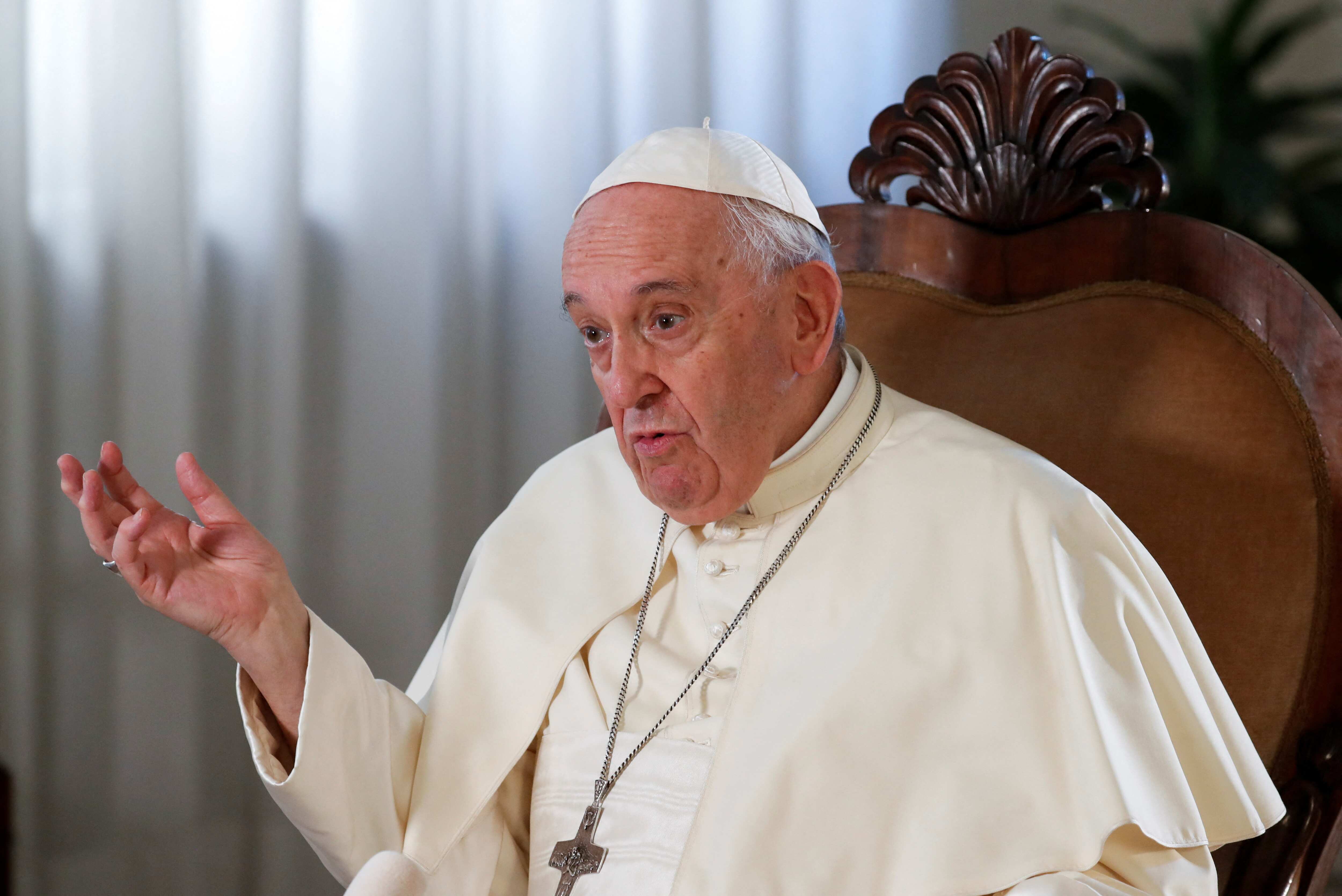
Pope Francis
Sunday marks the start of Pope Francis' historic six-day trip to Canada, where he will meet with Indigenous victims of abuse at Catholic Church-run residential schools and be expected to beg their pardon. The pontiff's description of it as a "penitential pilgrimage" is considered a crucial first step in confronting the widespread problem of clerical sexual abuse of children and years of cover-up. Indigenous communities in Canada have been waiting for it for a while. After arriving in Edmonton, Alberta's western province, Pope Francis will continue on to Quebec City and then Iqaluit, Canada's most northerly city. This will be the pope's 37th worldwide trip since assuming the role of pope.
He intends to restate his apologies, which he gave to Canadian delegates visiting the Vatican in April and which he then stated would "contribute to the journey of healing and reconciliation already undertaken," in the hope that it will be received positively. In unmarked graves near public schools run by the Catholic Church, hundreds of Indigenous children's corpses were found last year, forcing Canada to face its failed programme of forced assimilation. The Church's involvement in what a national truth and reconciliation committee has referred to as "cultural genocide" has also come under the spotlight.
Also Read:Sri Lankan crisis: Economy lessons India can learn

From the late 1800s through the 1990s, about 150,000 First Nations, Metis, and Inuit children were enrolled in 139 residential schools, where they were separated from their family, language, and culture for months or years at a time. By headmasters and teachers, many people suffered from physical and sexual abuse. It's estimated that thousands of people perished from illness, hunger, or neglect. Since May 2021, more than 1,300 unmarked graves have been found near the locations of the defunct schools.
(with inputs from agencies)
)
Akram, Afridi, Mushtaq tear into PCB after Pakistan’s Test series collapse in UK
)
‘India did extremely well’: South African President Cyril Ramaphosa praises BRICS leadership
&im=FitAndFill=(700,400))
From Rinku Singh to Mayank Yadav, 5 players dropped from India’s squad for Afghanistan T20Is
)
Woman removes all her clothes on American Airlines flight, performs 'indecent acts'; arrested
)
Did India risk its US trade deal despite softer stance at BRICS?
)
Indian importers urge Bangladesh to lift export ban on 'Hilsa' fish ahead of Durga Puja
)
War is making Russia stronger? How Ukraine is shaping Moscow’s next generation of weapons
)
Humans may lose control of AI: Anthropic CEO calls for slowdown, Altman, Musk back him
)
NEET-UG to move to computer-based test soon, NTA DG says ‘CBT is the future’
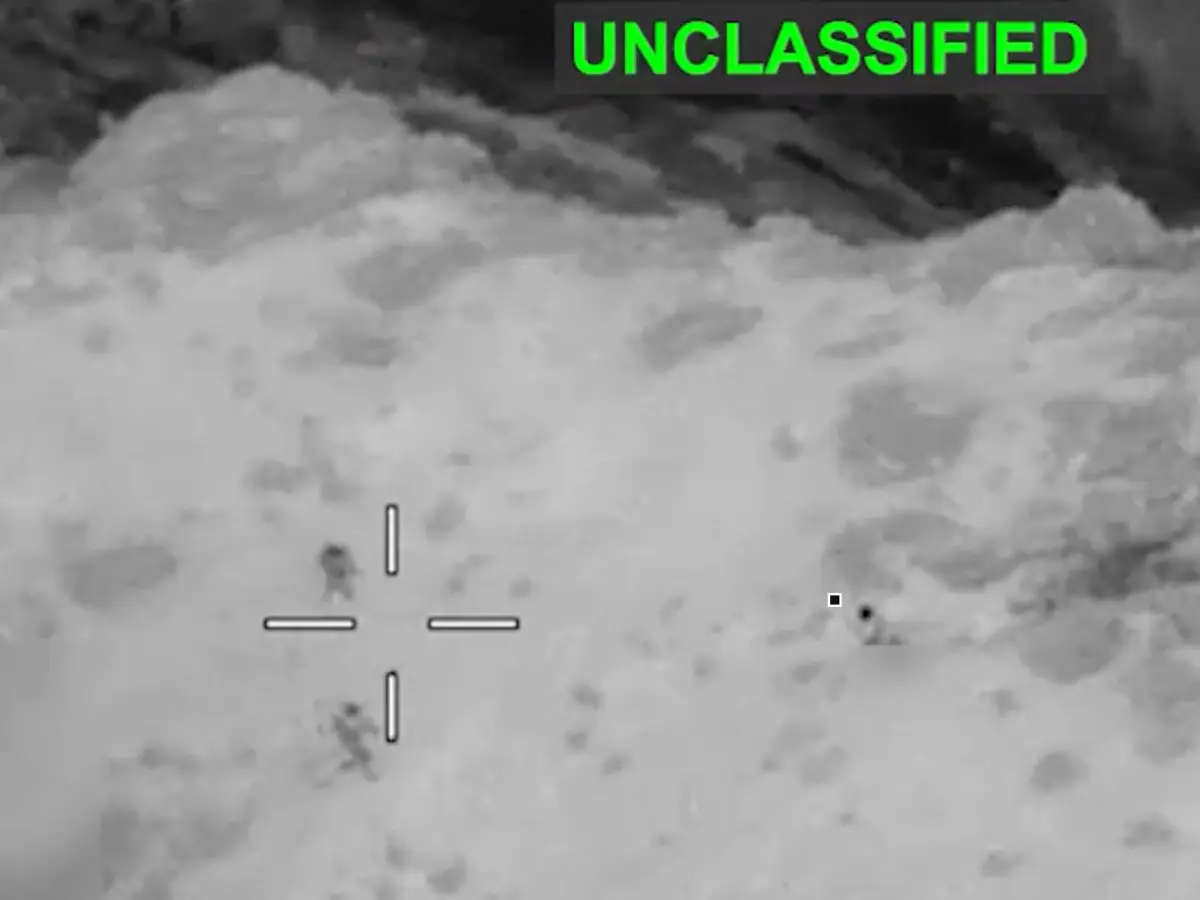)
‘Let’s go’: Newly declassified videos show dramatic rescue of US Air Force officers downed in Iran
)
China discovers vast gold and silver 'mine' in the Pacific with unheard-of deposits
&im=FitAndFill=(700,400))
New OTT releases this week (September 14-20, 2026): Lust Stories 3, Waiting Hai, Irumudi- 5 new titles coming on Netflix, Prime Video and more
)
Liam Neeson sparks romance rumours after holding hands with Stella Stocker at TIFF 2026
)
Did China give Iran intel before US base strike that killed 3 troops? Trump says, 'You’re right...'
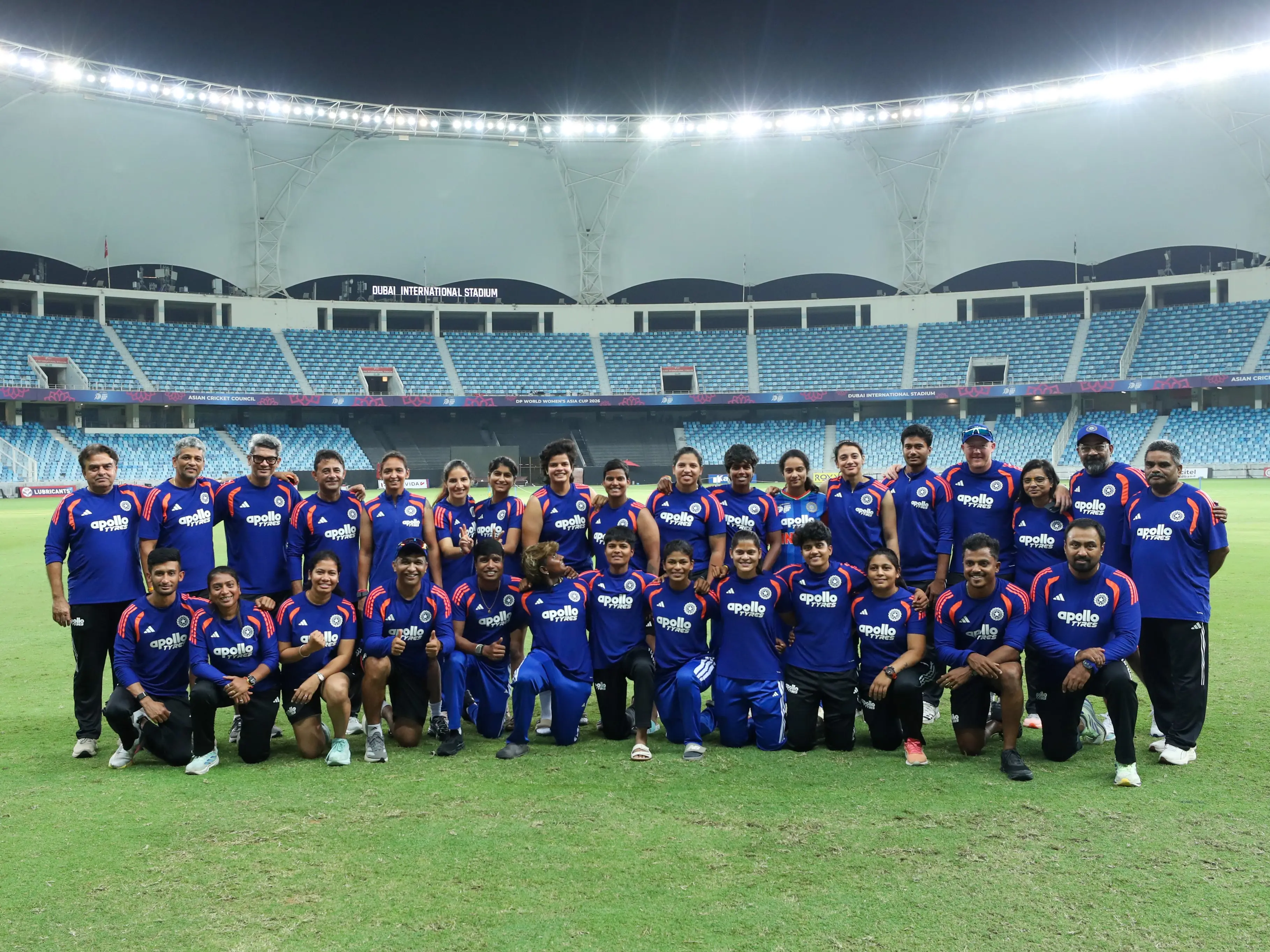)
Women's Asia Cup 2026: India denied trophy once again despite winning the title
&im=FitAndFill=(700,400))
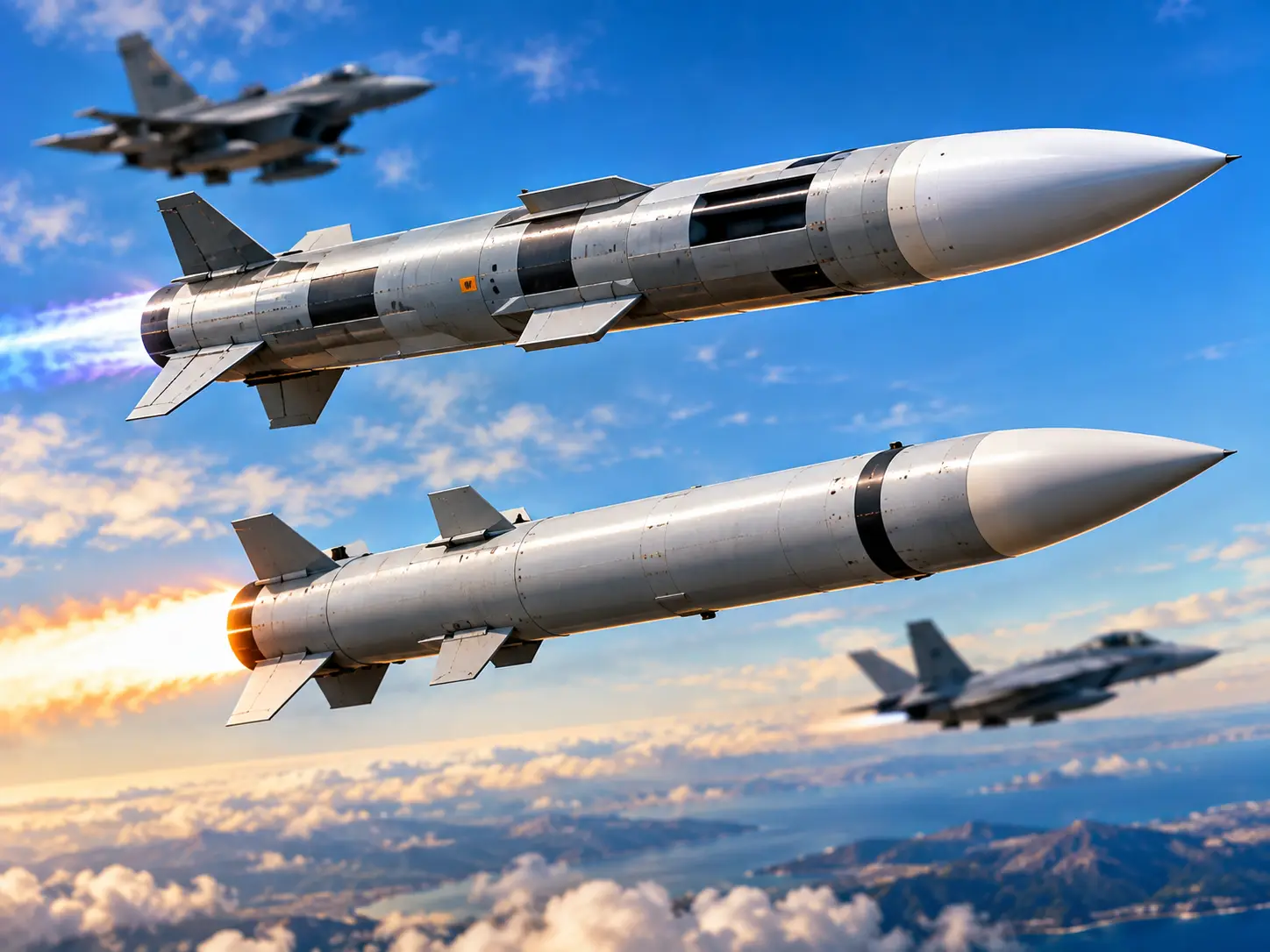
Why European Meteor missiles use ramjet engines compared to standard US solid rockets
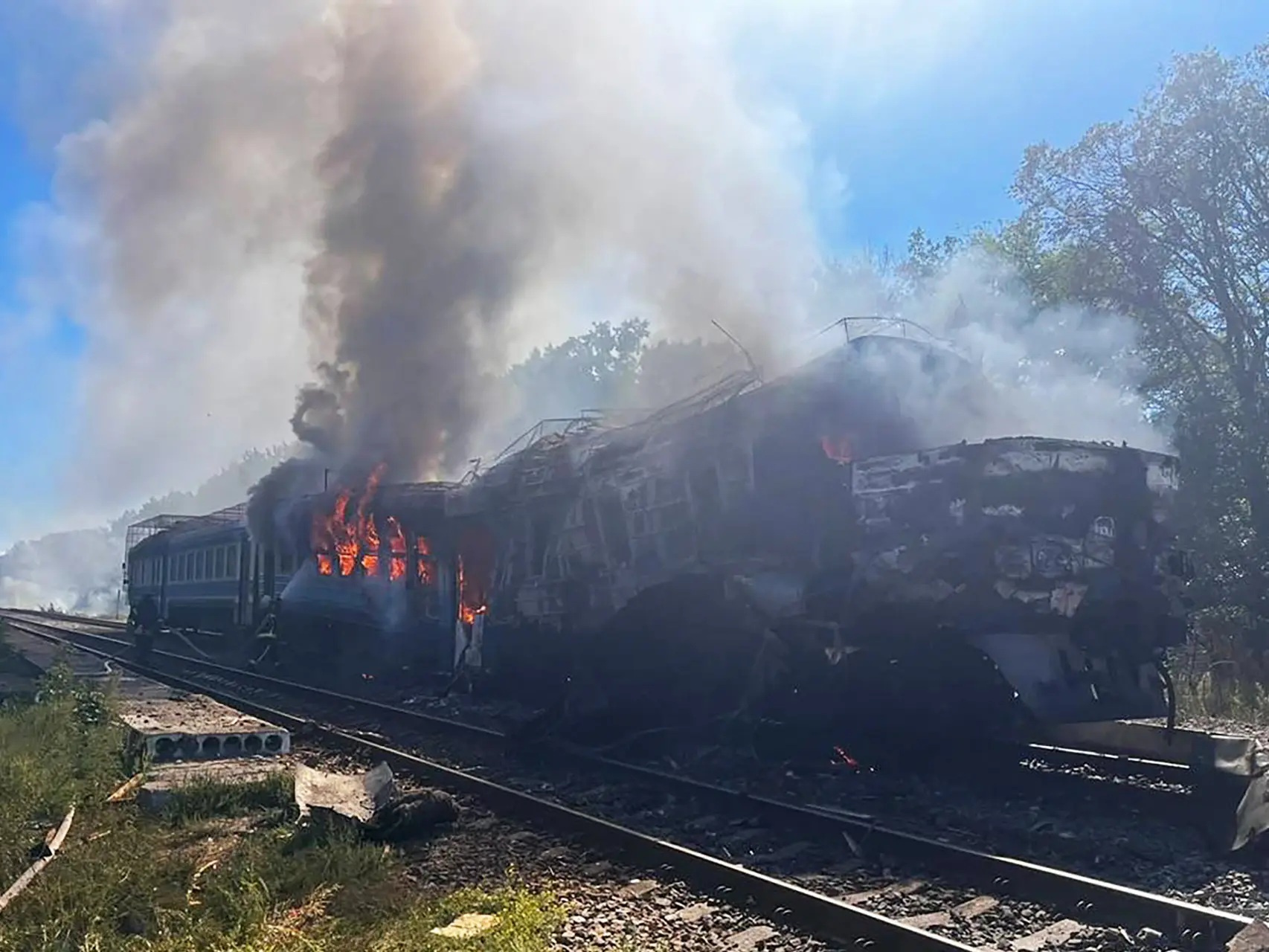)
Russian drone hits Warsaw-bound train near Polish border, Zelensky accuses Moscow of ‘deliberate’ targeting
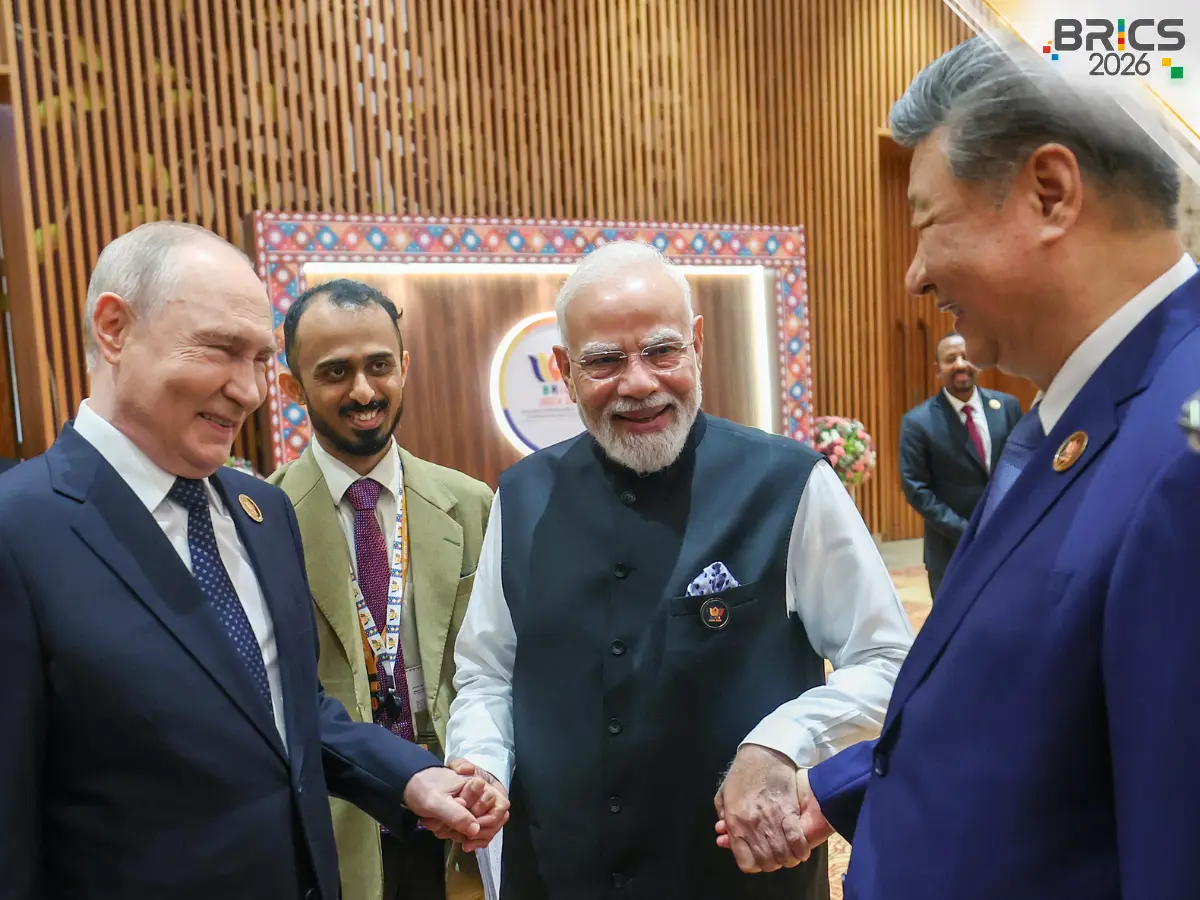)
PM Modi and China's Xi offered to help resolve Russia-Ukraine war: Kremlin
)
Russia proposes to build 360 kmph Ivolga FG trains in India: What happened on sidelines of BRICS
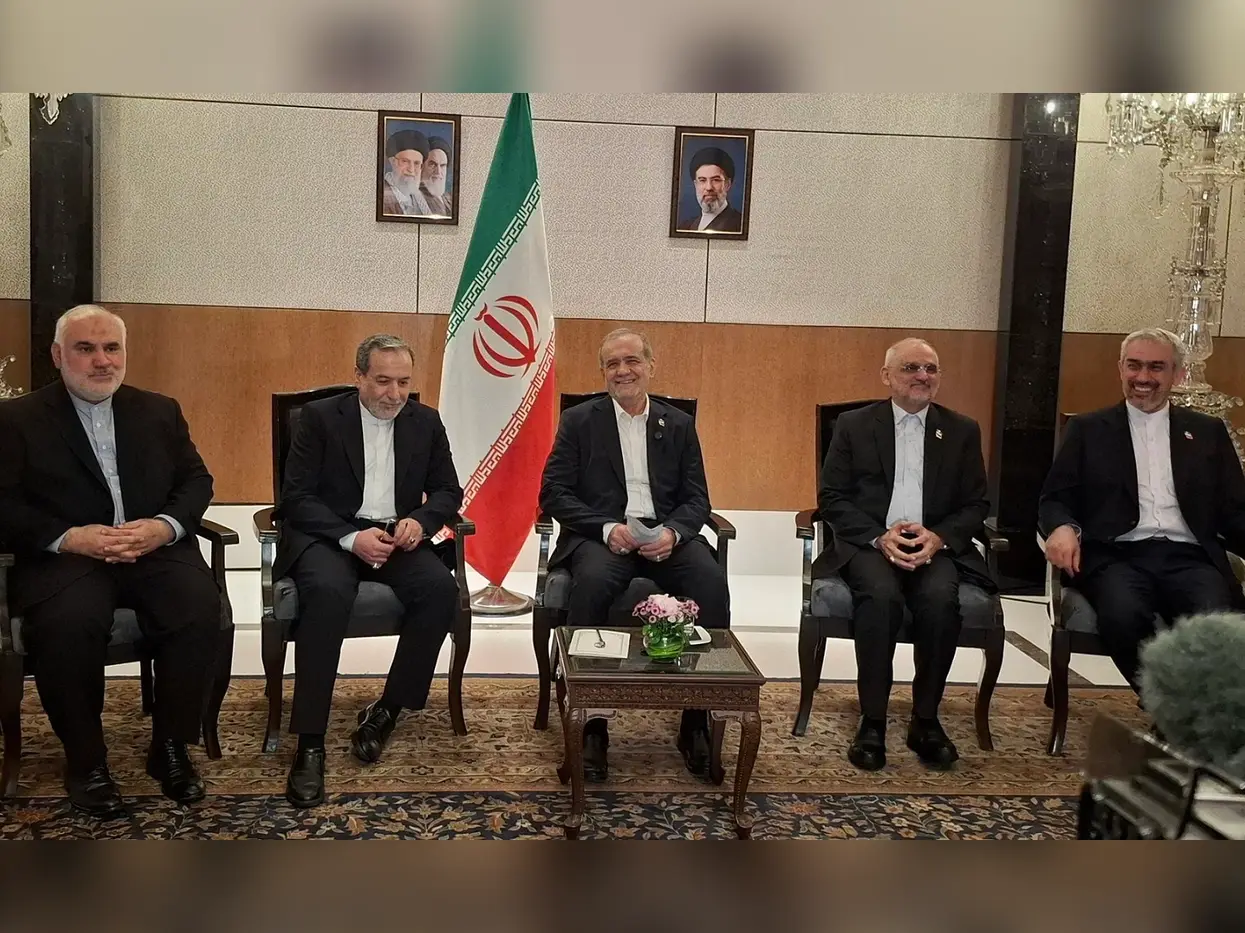)
Iran, India agree to deepen humanitarian and political ties, President Pezeshkian says
&im=FitAndFill=(700,400))
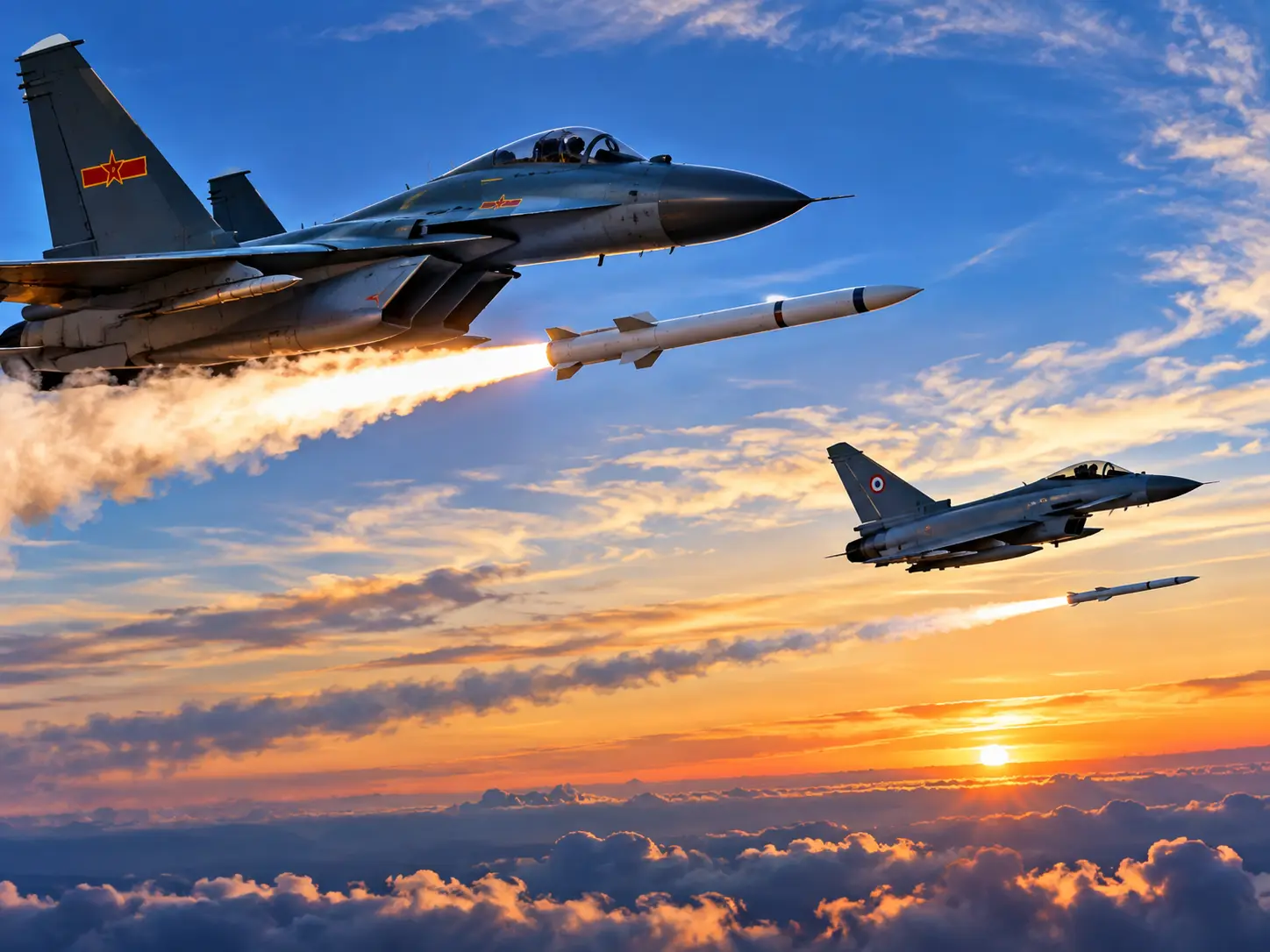
Why Chinese PL-15 air-to-air missiles use dual-pulse motors compared to European interceptors
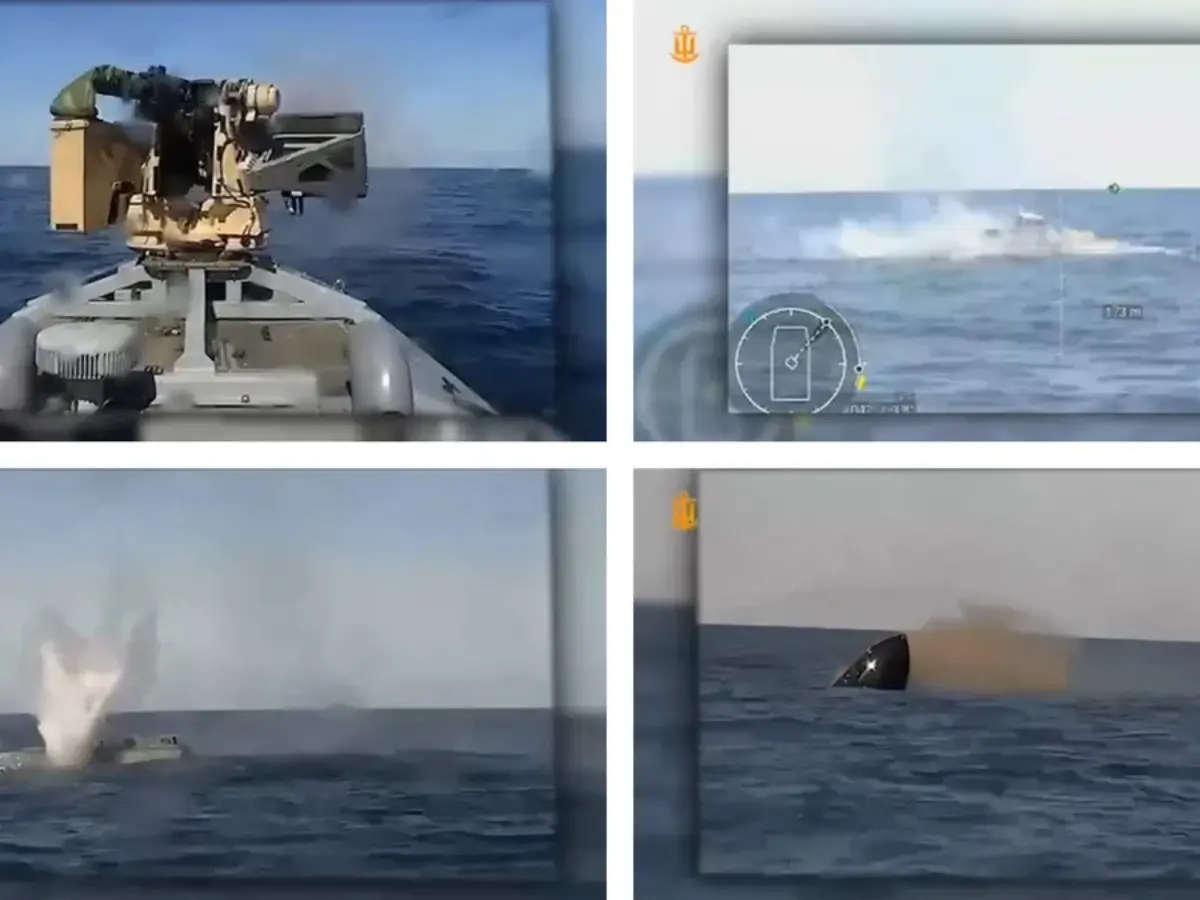)
First naval drone battle? Ukraine says Sargan 3000 sank Russian unmanned boat
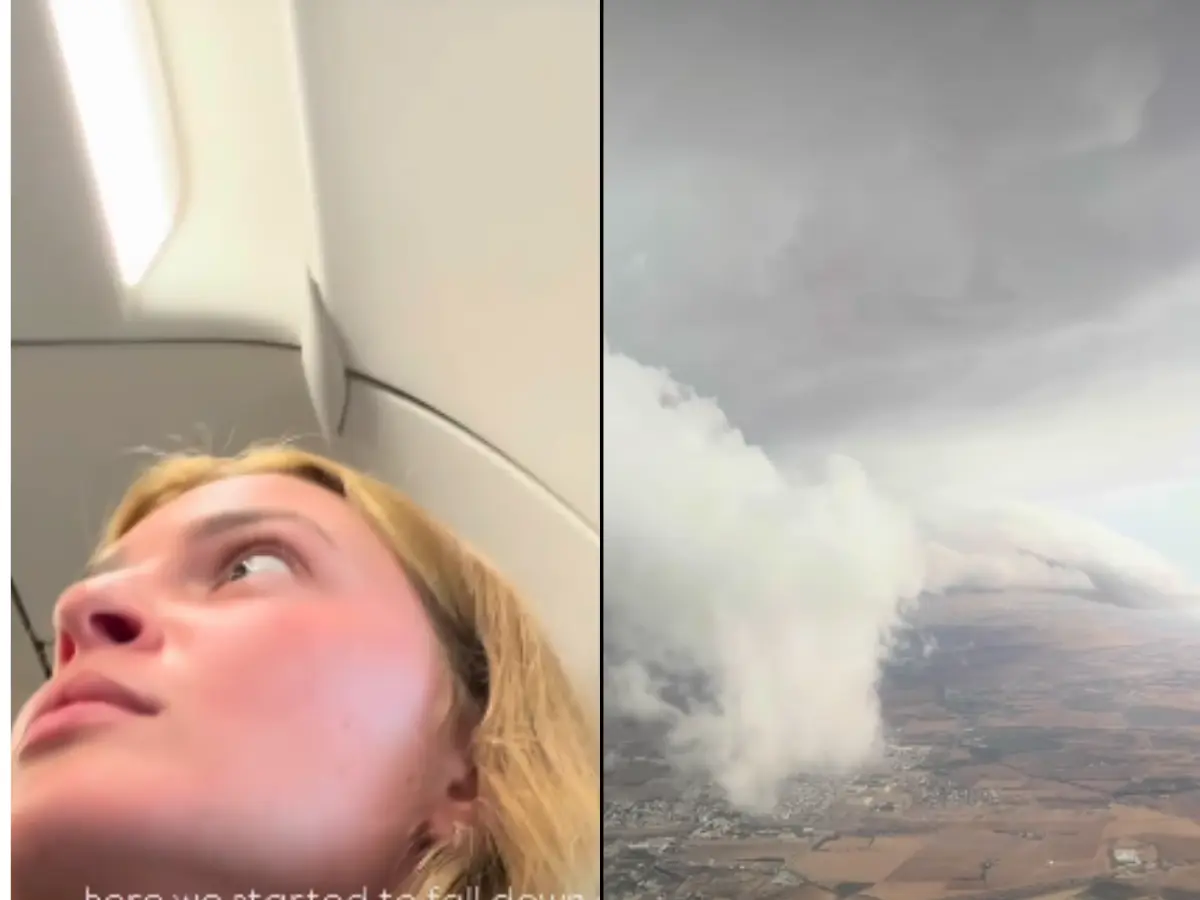)
Turkish Airlines plane flies through a storm three times, triggering severe turbulence
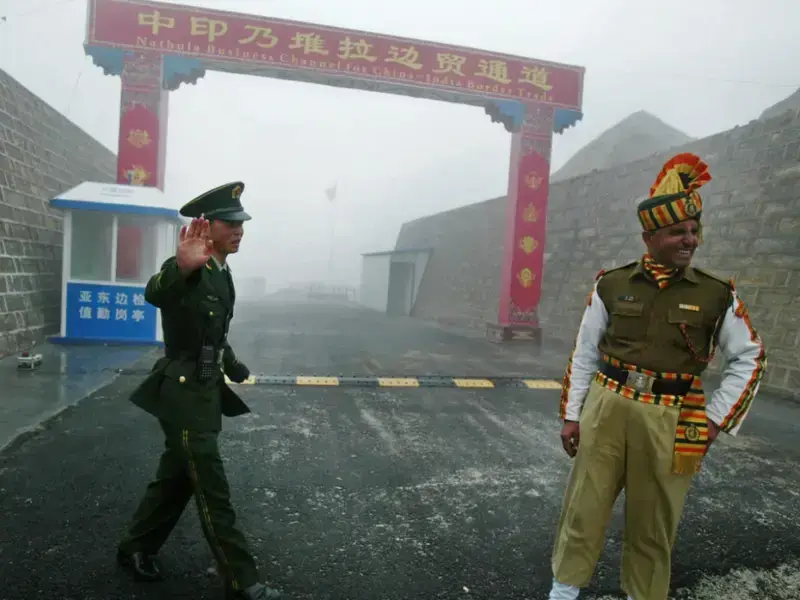)
China thinned Himalayan troop presence in 2025, India defence report says; terms border situation 'stable'
)
Practical Magic 2 breaks Spidey spell over North American box office
)
'Huge destructive power': North Korea calls its latest missile launches 'live-fire drill' even as US dismisses 'immediate threat'
)
Delhi’s balancing act: BRICS serves as a stage for West Asia diplomacy
)
Trump says Canada eager to reach a deal, it could come ‘fairly soon’ if Ottawa treats US farmers better
&im=FitAndFill=(700,400))
Meet top 5 batters fastest to 3000 runs in T20Is
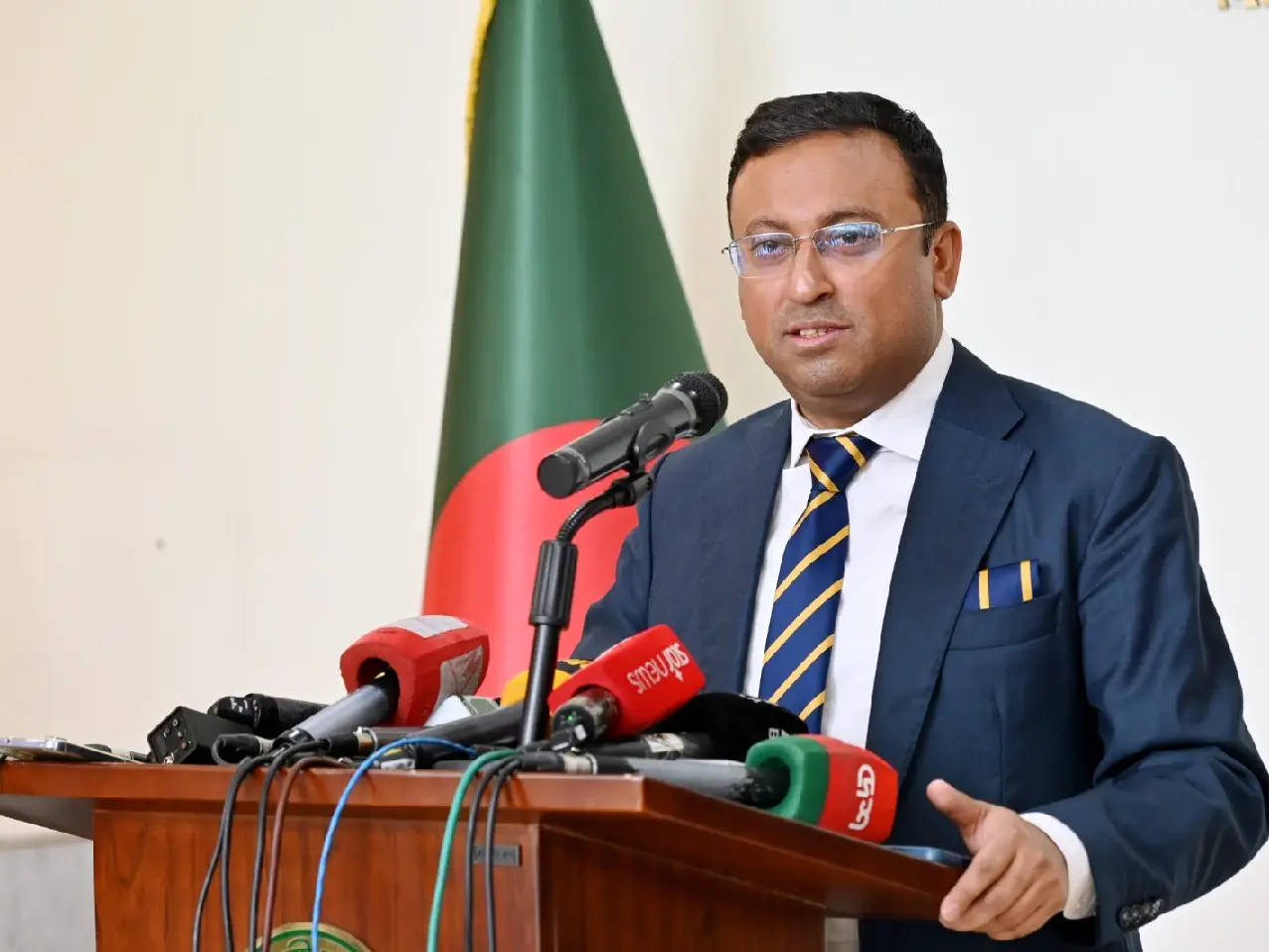)
‘Want to reset ties with India, have engagement based on mutual interests,’ says Bangladesh minister
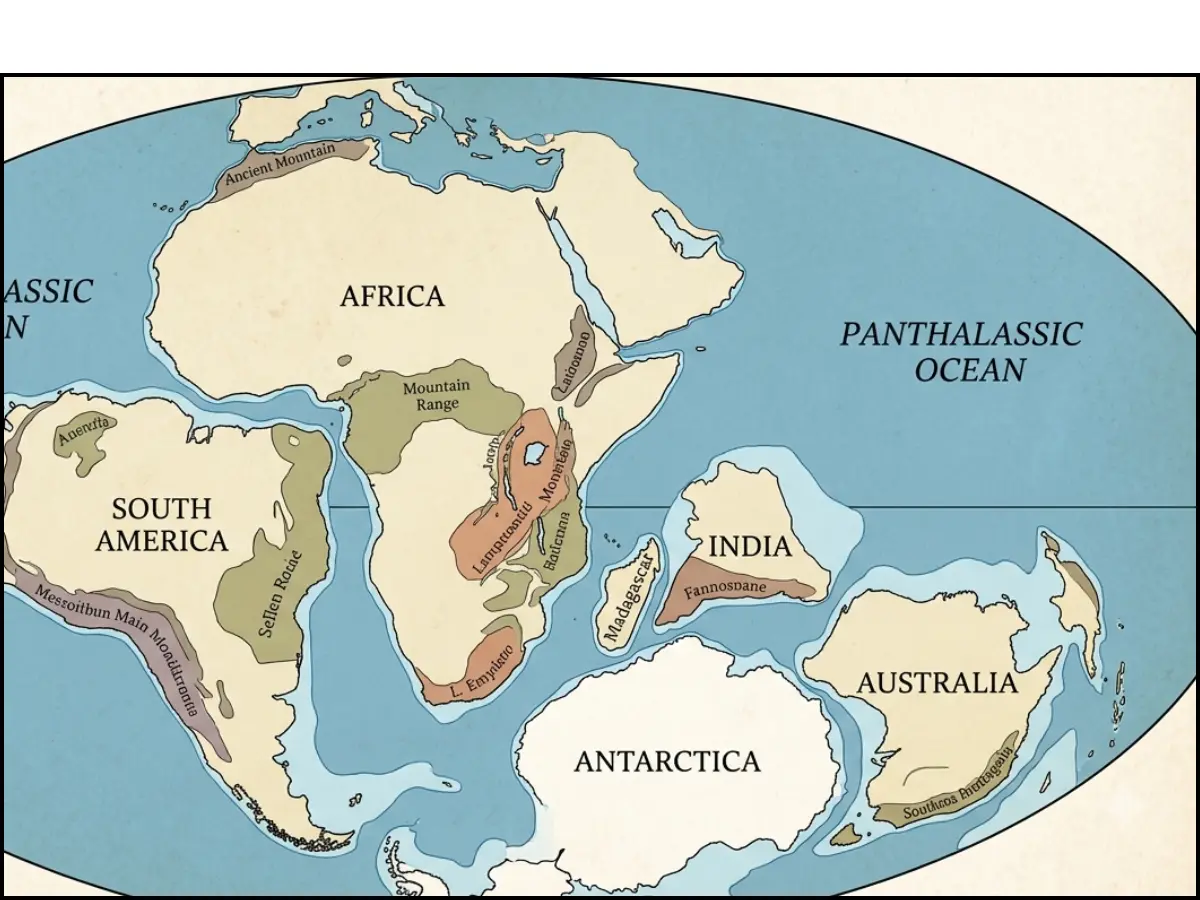)
800 million years old - Scientists discover 'fingerprints' of supercontinent Gondwana in ancient rocks
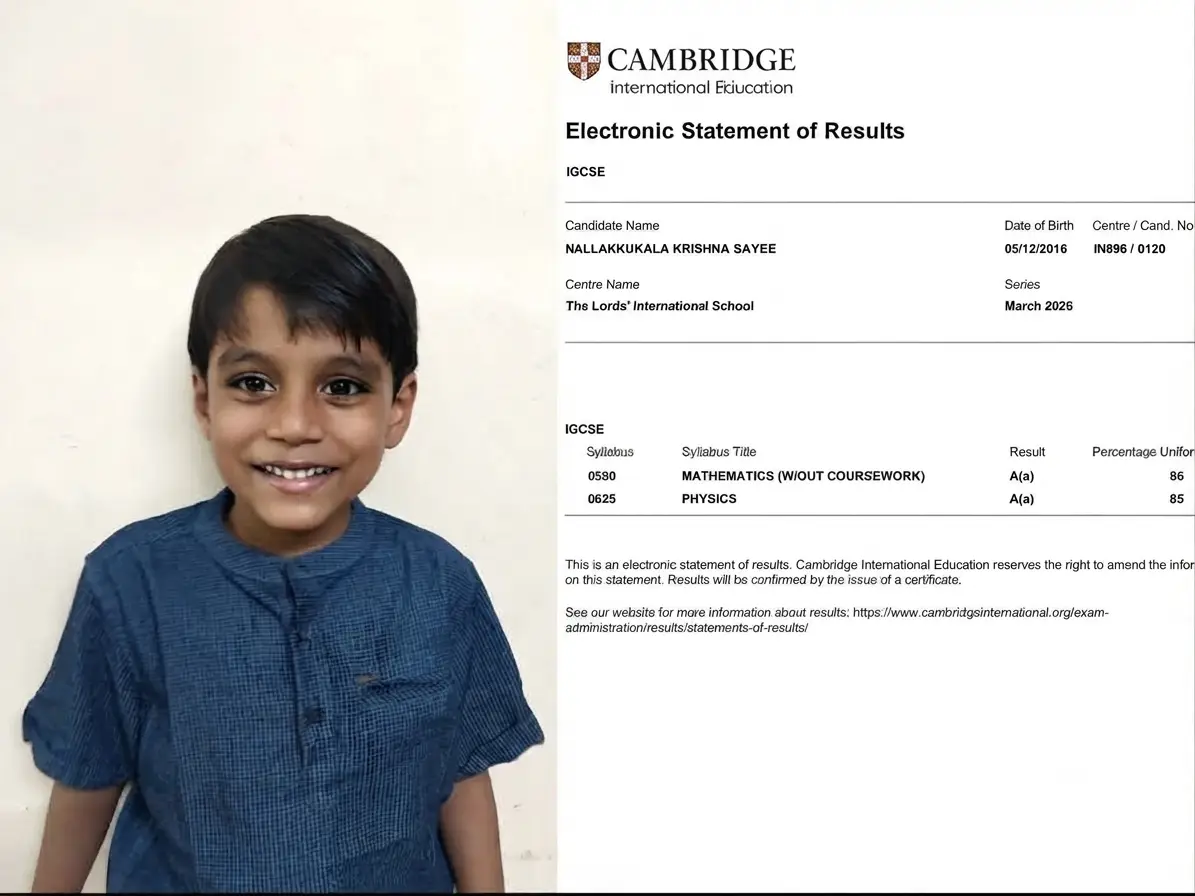)
9-year-old Chennai prodigy clears Cambridge IGCSE grade 10 exams