Philippine military's massacre of 19, including civilians, triggers debate on human rights situation in the country

&imwidth=600&imheight=450&format=webp&quality=medium "Philippine military's massacre of 19, including civilians, triggers debate on human rights situation in the country")
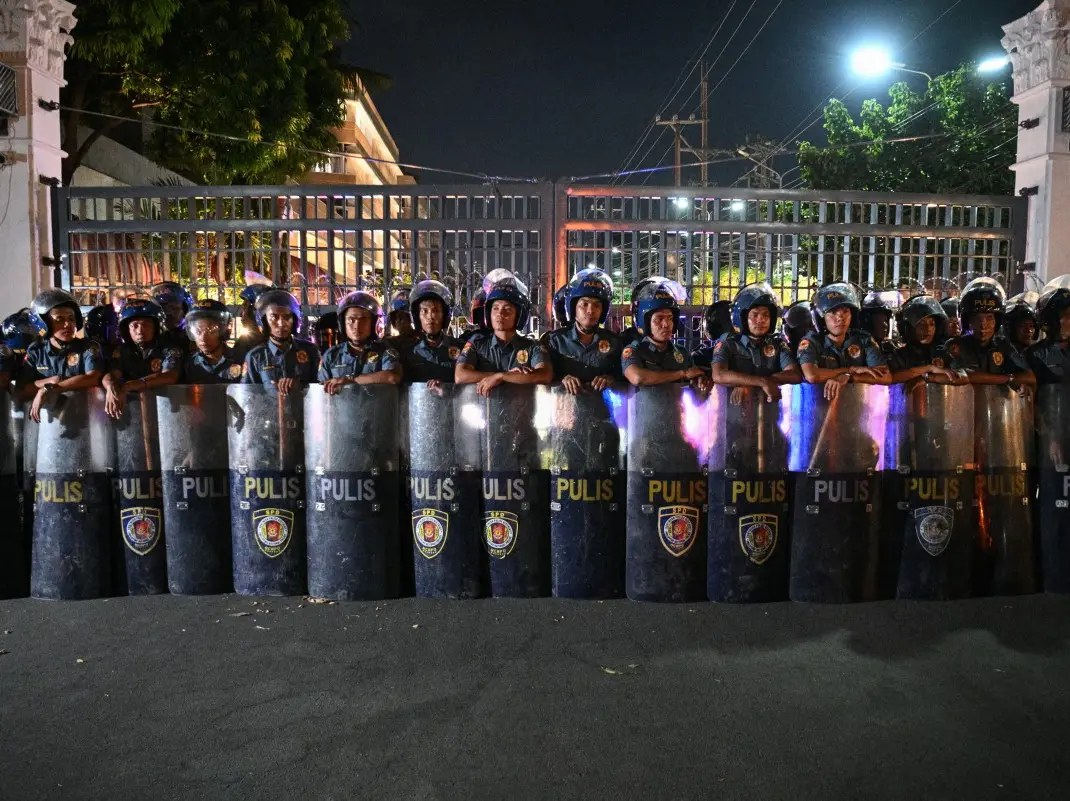
Anti-riot policemen Philippines (Representative image) Photograph: (AFP)
Nineteen people were killed in the Philippines in April in a conflict between the 79th Infantry Battalion of the Philippine Army and the Northern Negros Front of the New People's Army, including activists and students. The incident has triggered debate on the state of things after Duterte.
The Philippine military reportedly massacred 19 people in April, triggering outrage and drawing comparisons with the regime of former president Rodrigo Duterte. Known as the Toboso killings, it resulted in the death of 10 members of the Northern Negros Front of the New People's Army (NPA NNF) and nine presumed civilians. The incident has raised questions about the human rights situation in the country, which activists claim has not changed even after Duterte left. They claim that those killed included activists, journalists, students, and US citizens. Those killed include Poet and journalist RJ Ledesma, University of the Philippines students Alyssa Alano and Maureen Santuyo, and Errol Wende, along with Lyle Prijoles, a County Council member of the International Coalition for Human Rights in the Philippines (ICHRP), and American activist Kai Dana-Rene Sorem.
Duterte's war on drugs
Duterte waged a violent war on drugs during his tenure as president between 2016 and 2022. Thousands of families lost their loved ones to the government's actions, in the name of wiping out drug trafficking in the country. However, critics say that most of those who were killed by the Duterte regime were his critics and not drug traffickers. The current Philippine president, Ferdinand Marcos Jr., promised to reverse the aggressive tactics while tackling the drug menace and aimed at drug rehabilitation. However, experts say that things have barely changed in the country.
Critics say violence hasn't abated under Marcos
Carlos Conde, a senior researcher at Human Rights Watch, told the European Parliament’s Subcommittee on Human Rights in September 2023, "While the new [Marcos] administration has been less confrontational and more diplomatic than the previous one,” he said, “that does not mean that the human rights situation in the country has improved." He claimed that Marco failed to demilitarise the drug war, and the killings continue under the administration, with the police having “wide authority … to conduct anti-drug raids.”
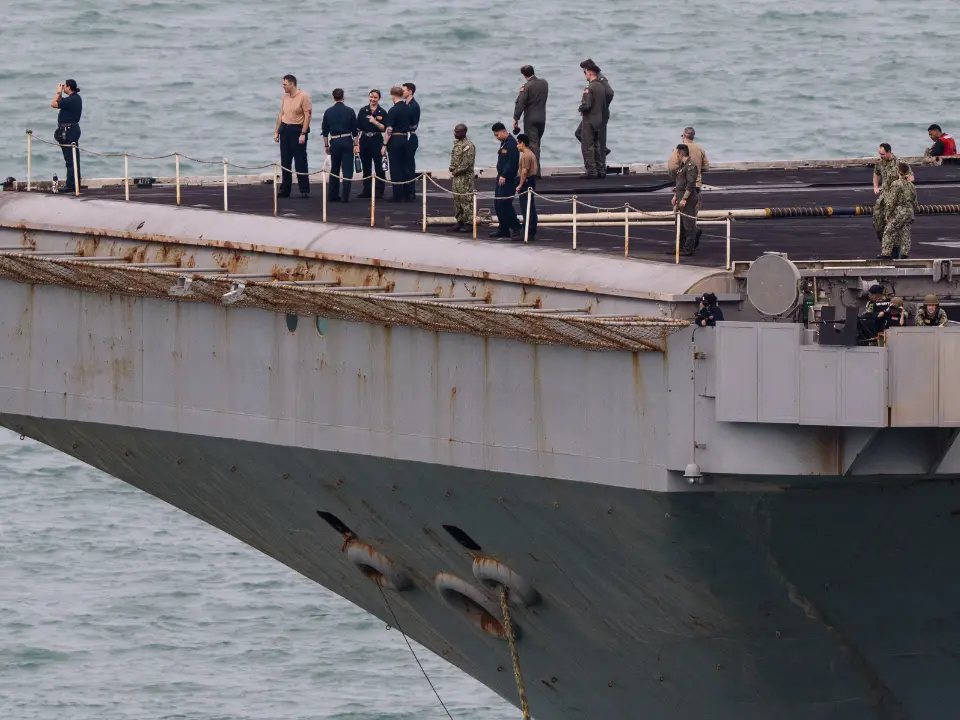
Questions are being raised about the United States' inaction against the Philippines, as it aims to increase its military presence in the Pacific to counter China. An analysis by Stockholm International Peace Research Institute states that the US has transferred Black Hawk transport helicopters, air-to-air missiles, C-130 transport planes, training aircraft, anti-tank missiles, and anti-submarine sonar in the last 10 years. Critics say these arms were most likely used in the April massacre.
)
)
)
)
)
)
)
)
)
)
)
)
)
)
)
)
)
)
)
)
)
)
)
&im=FitAndFill=(700,400))
)
)
)
)
)
)
)
)
)
&im=FitAndFill=(700,400))
)
)
&im=FitAndFill=(700,400))
)

