Pakistan sentences prominent Baloch activist Mahrang Baloch to life imprisonment

&imwidth=600&imheight=450&format=webp&quality=medium "Pakistan sentences prominent Baloch activist Mahrang Baloch to life imprisonment")
Photograph: (X@mmatalpur)
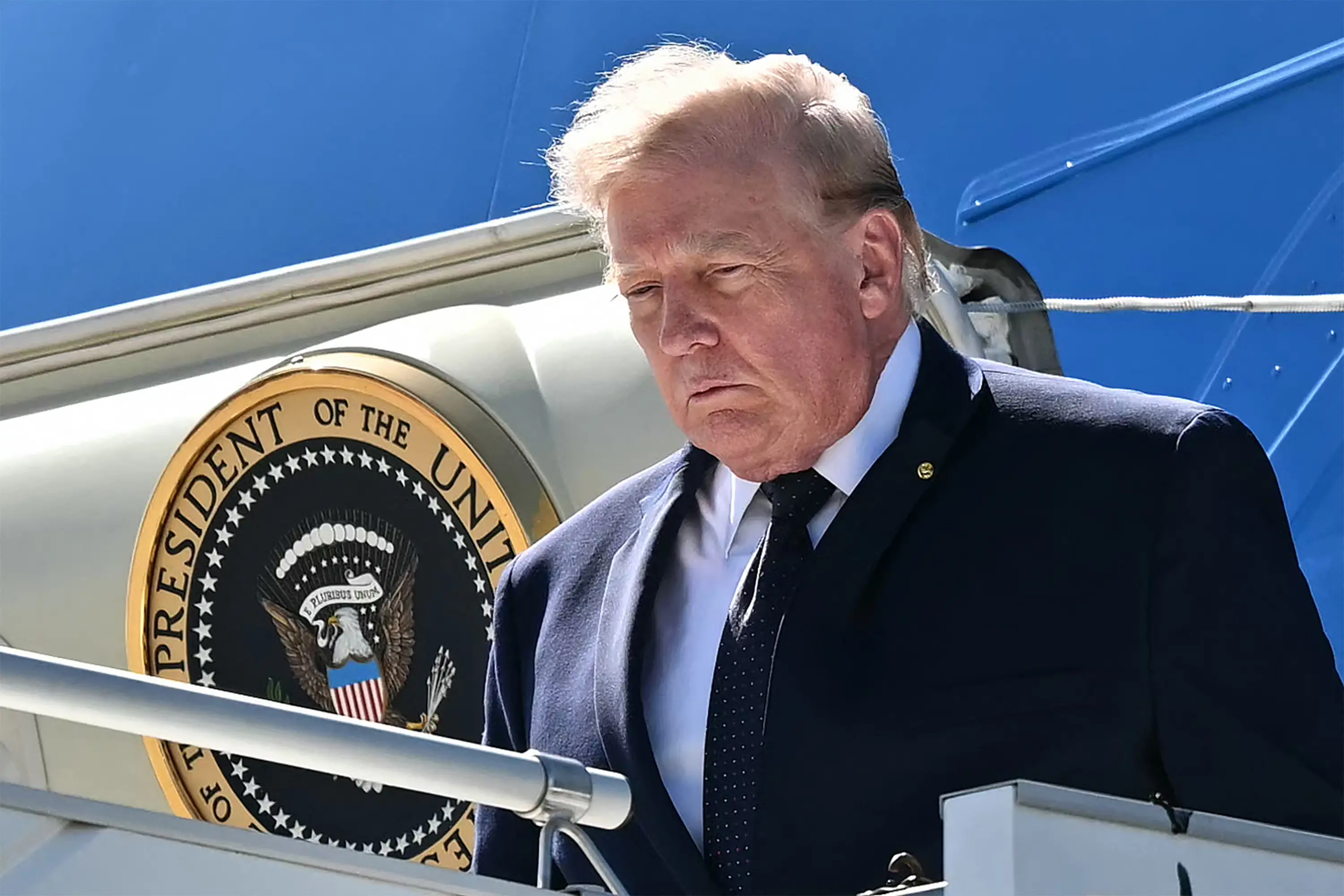
Mahrang Baloch has long campaigned against enforced disappearances in Balochistan and criticised the Pakistani government's treatment of the Baloch people.
Prominent Baloch activist Mahrang Baloch and two of her associates were sentenced to life imprisonment on Monday by an anti terrorism court in Quetta.
Mahrang Baloch, who leads the Baloch Yakjehti Committee (BYC), was convicted on charges of murder and terrorism along with fellow activists Sibghatullah and Balach Qadir. Prosecutors alleged that they incited a crowd that fatally attacked paramilitary soldier Shabbir Ahmed.
A well-known human rights campaigner, Mahrang Baloch, has spent years raising concerns over enforced disappearances in Pakistan's Balochistan province. She has also been a vocal critic of the Pakistani government's biased policies towards the Baloch people.
The verdict drew strong reactions from politicians and rights groups, many of whom criticised the court's decision.
"Sentencing Dr Mahrang and Sughatullah to life imprisonment is an expression of hatred against the Baloch nation of Pakistan. This decision will mark the beginning of a historic phase of resistance and struggle," the BYC said in a statement on X.
Trending Stories
&imwidth=280&imheight=210&format=webp&quality=medium)
&im=FitAndFill=(700,400)&imwidth=280&imheight=210&format=webp&quality=medium)
&imwidth=280&imheight=210&format=webp&quality=medium)
&imwidth=280&imheight=210&format=webp&quality=medium)
&imwidth=280&imheight=210&format=webp&quality=medium)
&imwidth=280&imheight=210&format=webp&quality=medium)
&imwidth=280&imheight=210&format=webp&quality=medium)
&imwidth=280&imheight=210&format=webp&quality=medium)
&imwidth=280&imheight=210&format=webp&quality=medium)
&imwidth=280&imheight=210&format=webp&quality=medium)
&imwidth=280&imheight=210&format=webp&quality=medium)
&imwidth=280&imheight=210&format=webp&quality=medium)
&imwidth=280&imheight=210&format=webp&quality=medium)
&imwidth=280&imheight=210&format=webp&quality=medium)
&imwidth=280&imheight=210&format=webp&quality=medium)
&imwidth=280&imheight=210&format=webp&quality=medium)
&imwidth=280&imheight=210&format=webp&quality=medium)
&imwidth=280&imheight=210&format=webp&quality=medium)
&imwidth=280&imheight=210&format=webp&quality=medium)
&imwidth=280&imheight=210&format=webp&quality=medium)
&imwidth=280&imheight=210&format=webp&quality=medium)
&imwidth=280&imheight=210&format=webp&quality=medium)
&imwidth=280&imheight=210&format=webp&quality=medium)
&imwidth=280&imheight=210&format=webp&quality=medium)
&imwidth=280&imheight=210&format=webp&quality=medium)
&imwidth=280&imheight=210&format=webp&quality=medium)
&imwidth=280&imheight=210&format=webp&quality=medium)
&im=FitAndFill=(700,400)&imwidth=280&imheight=210&format=webp&quality=medium)
&imwidth=280&imheight=210&format=webp&quality=medium)
&imwidth=280&imheight=210&format=webp&quality=medium)
&imwidth=280&imheight=210&format=webp&quality=medium)
&imwidth=280&imheight=210&format=webp&quality=medium)
&imwidth=280&imheight=210&format=webp&quality=medium)
&imwidth=280&imheight=210&format=webp&quality=medium)
&imwidth=280&imheight=210&format=webp&quality=medium)
&imwidth=280&imheight=210&format=webp&quality=medium)
&imwidth=280&imheight=210&format=webp&quality=medium)
According to a report by Dawn, Mahrang Baloch, 33, was arrested on March 22 last year along with several members of her organisation. Authorities accused them of "attacking" the Quetta Civil Hospital and "inciting people to violence". The arrests came a day after activists staged a protest at Quetta University over alleged enforced disappearances, following which police launched a crackdown.
The Human Rights Commission of Pakistan called for an immediate review of the ruling. It said the state had "continued its policy of treating fundamental rights advocacy in the same way it treats extremism, resulting in administrative and judicial decisions that are one-sided and biased."
Swedish activist Greta Thunberg also condemned the proceedings. In a statement posted online, she described the trial as a "mockery of justice" conducted "in utter secrecy" and accused the Pakistani state of criminalising dissent.