Pakistan repays $3.45 billion UAE debt with Saudi Arabia's financial support

&imwidth=600&imheight=450&format=webp&quality=medium "Pakistan repays $3.45 billion UAE debt with Saudi Arabia's financial support")
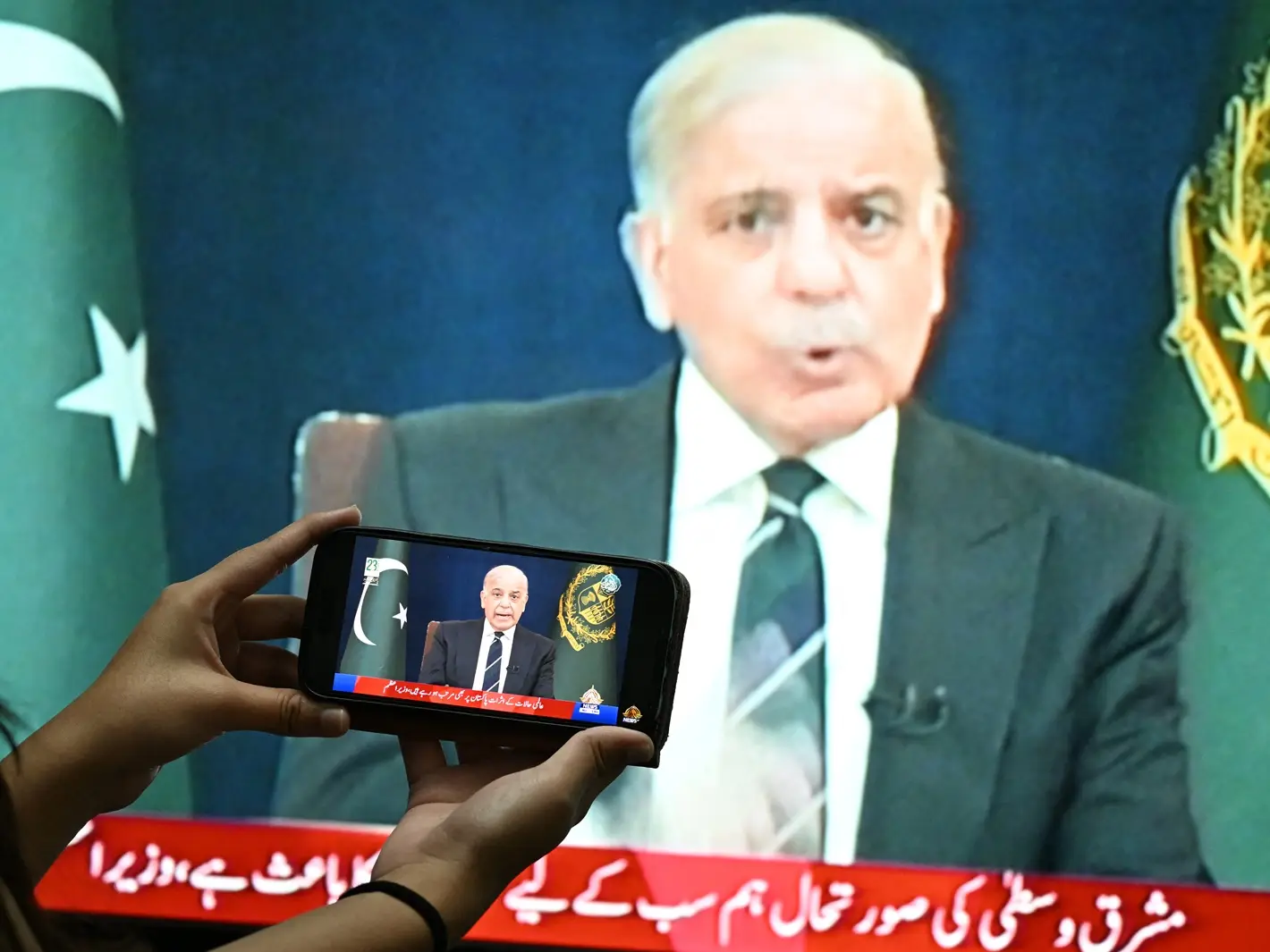
A resident listens on a mobile phone to an address to the nation by Pakistan’s Prime Minister Shehbaz Sharif about the ongoing US-Israel conflict with Iran, in Islamabad on March 9, 2026. Photograph: (AFP (File Photo)
The repayment comes shortly after Pakistan secured $3 billion in financial assistance from Saudi Arabia. The aid was released in two tranches, with the second instalment of $1 billion arriving on April 21, helping Islamabad manage its immediate external obligations.
Pakistan has fully repaid $3.45 billion in debt owed to the United Arab Emirates (UAE), the country’s central bank confirmed on Friday (April 24), marking a significant financial development amid ongoing economic stabilisation efforts.
The State Bank of Pakistan (SBP) said in a social media post that it completed the final repayment on Thursday. The central bank stated that $1 billion was returned to the Abu Dhabi Fund for Development (ADFD) on April 23, while the remaining $2.45 billion had been cleared earlier in the week. With this, the total outstanding deposits of $3.45 billion have now been settled.
The repayment comes shortly after Pakistan secured $3 billion in financial assistance from Saudi Arabia. The aid was released in two tranches, with the second instalment of $1 billion arriving on April 21, helping Islamabad manage its immediate external obligations.
Reports indicate that the UAE had sought an early return of funds due to evolving geopolitical tensions in West Asia, particularly following the recent US-Israel conflict with Iran. The deposits were originally extended in 2019 as part of external financing support to stabilise Pakistan’s balance of payments.
In March, Pakistan failed to reach an agreement with the UAE to roll over a $3.5 billion facility, marking the first such setback in seven years. This raised concerns over short-term financing gaps.
Trending Stories
&imwidth=280&imheight=210&format=webp&quality=medium)
&imwidth=280&imheight=210&format=webp&quality=medium)
&imwidth=280&imheight=210&format=webp&quality=medium)
&imwidth=280&imheight=210&format=webp&quality=medium)
&imwidth=280&imheight=210&format=webp&quality=medium)
&imwidth=280&imheight=210&format=webp&quality=medium)
&im=FitAndFill=(700,400)&imwidth=280&imheight=210&format=webp&quality=medium)
&imwidth=280&imheight=210&format=webp&quality=medium)
&imwidth=280&imheight=210&format=webp&quality=medium)
&imwidth=280&imheight=210&format=webp&quality=medium)
&imwidth=280&imheight=210&format=webp&quality=medium)
&imwidth=280&imheight=210&format=webp&quality=medium)
&imwidth=280&imheight=210&format=webp&quality=medium)
&im=FitAndFill=(700,400)&imwidth=280&imheight=210&format=webp&quality=medium)
&imwidth=280&imheight=210&format=webp&quality=medium)
&imwidth=280&imheight=210&format=webp&quality=medium)
&imwidth=280&imheight=210&format=webp&quality=medium)
&imwidth=280&imheight=210&format=webp&quality=medium)
&im=FitAndFill=(700,400)&imwidth=280&imheight=210&format=webp&quality=medium)
&im=FitAndFill=(700,400)&imwidth=280&imheight=210&format=webp&quality=medium)
&imwidth=280&imheight=210&format=webp&quality=medium)
&imwidth=280&imheight=210&format=webp&quality=medium)
&imwidth=280&imheight=210&format=webp&quality=medium)
&imwidth=280&imheight=210&format=webp&quality=medium)
&imwidth=280&imheight=210&format=webp&quality=medium)
&im=FitAndFill=(700,400)&imwidth=280&imheight=210&format=webp&quality=medium)
&imwidth=280&imheight=210&format=webp&quality=medium)
&imwidth=280&imheight=210&format=webp&quality=medium)
&imwidth=280&imheight=210&format=webp&quality=medium)
&imwidth=280&imheight=210&format=webp&quality=medium)
&imwidth=280&imheight=210&format=webp&quality=medium)
&imwidth=280&imheight=210&format=webp&quality=medium)
&imwidth=280&imheight=210&format=webp&quality=medium)
&imwidth=280&imheight=210&format=webp&quality=medium)
&imwidth=280&imheight=210&format=webp&quality=medium)
Despite the repayment, analysts warn that Pakistan’s external sector remains under pressure. While IMF-backed reforms are supporting stabilisation, risks persist due to volatile energy prices and tight global financial conditions.
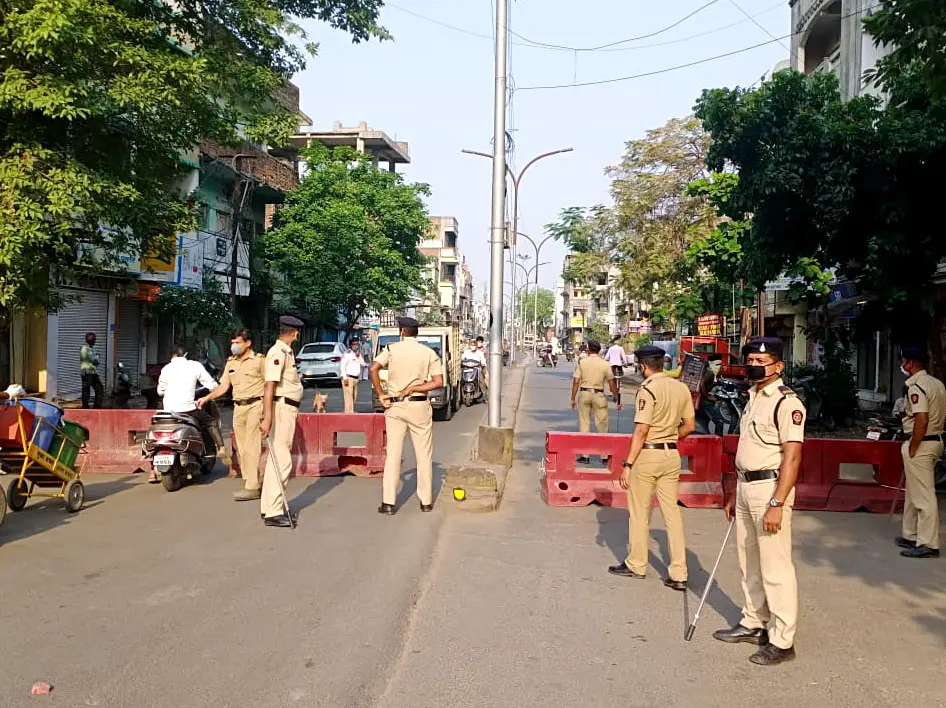
Meanwhile, Pakistan’s capital has remained on standby for nearly a week in anticipation of possible US-Iran peace talks, even as there is no confirmation that the two sides will meet. Despite the uncertainty, authorities have kept large parts of Islamabad sealed, with key entry routes shut and a tight security cordon in place around the administrative hub, the “Red Zone”.
In the adjoining “Blue Area”, the restrictions have begun to take a visible toll. Cafes are running short of supplies such as fruit, markets remain largely deserted, and the suspension of services at bus terminals has left weekend commuters struggling to return home.