Pakistan notifies 6 transit routes for Iran goods amid Strait of Hormuz standoff

&imwidth=600&imheight=450&format=webp&quality=medium "Pakistan notifies 6 transit routes for Iran goods amid Strait of Hormuz standoff")
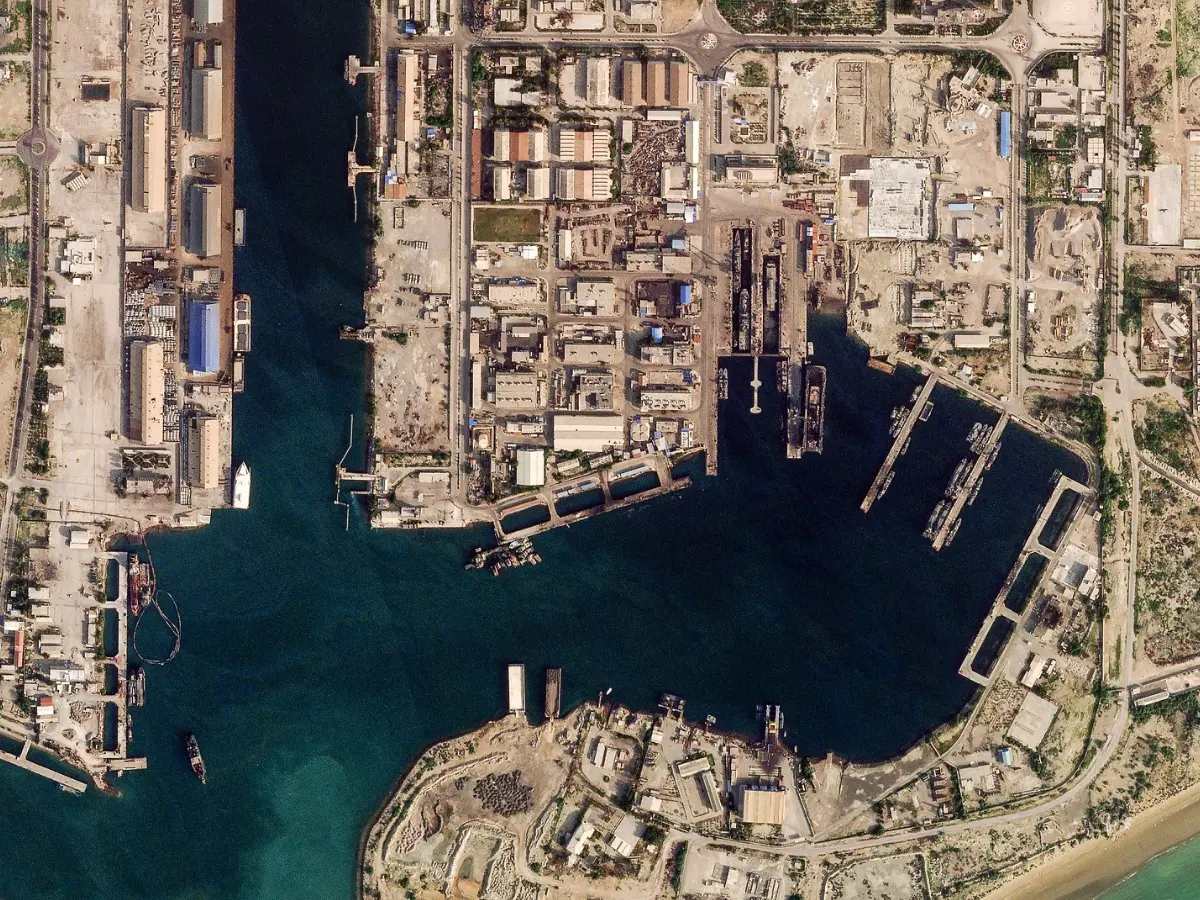
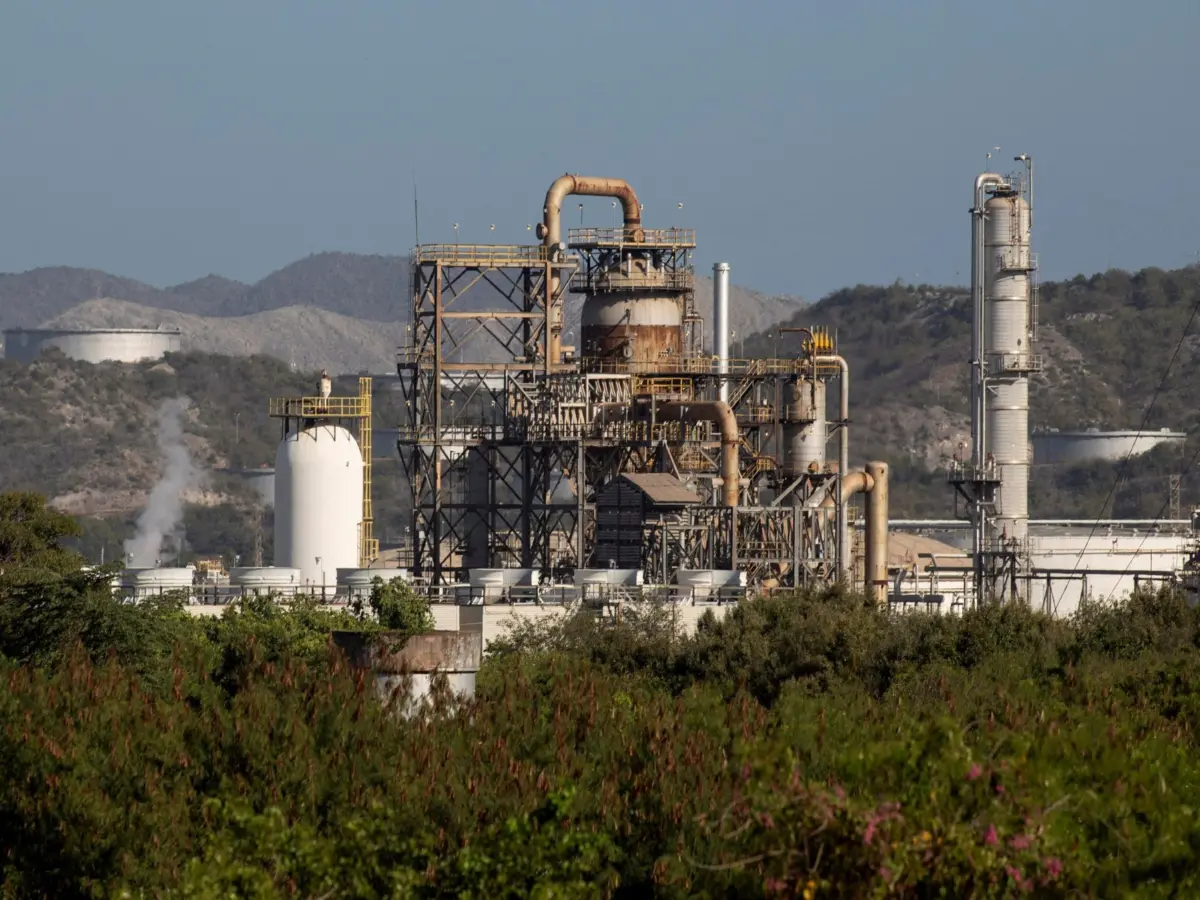
Pakistan notifies 6 transit routes for Iran goods amid Strait of Hormuz standoff Photograph: (Credit: AFP)
Pakistan has officially notified six land transit routes, including the Gwadar-Gabad corridor, to facilitate goods transportation to Iran. This strategic move aims to bypass the Strait of Hormuz blockade as 3,000+ containers remain stranded at Karachi port.
The Government of Pakistan has formally notified six land routes for the transit of international goods to Iran. The move, effective as of April 25, follows the Ministry of Commerce’s issuance of the ‘Transit of Goods through Territory of Pakistan Order 2026.’ The notification comes at a critical juncture as the ongoing US-Iran conflict enters its third month, with the Strait of Hormuz remaining effectively closed to commercial shipping. The maritime blockade has left thousands of containers destined for Iran stranded at Karachi’s ports, threatening a total collapse of regional supply chains.
According to the statutory regulatory order (SRO), the new transit framework utilises both existing infrastructure and newly prioritised coastal corridors. The six designated routes include:
As per news outlet Dawn, more than 3,000 containers routed for Iran are stuck at the Karachi port for a couple of days. The reports have surfaced after the Strait of Hormuz blockade has disrupted one-fifth of the world’s oil and gas supply before the conflict.
Trending Stories
)
)
)
)
)
)
)
&im=FitAndFill=(700,400))
)
)
)
)
&im=FitAndFill=(700,400))
)
)
)
)
)
)
)
)
)
)
)
)
)
)
&im=FitAndFill=(700,400))
)
)
)
)
)
)
The formal activation of Gwadar Port as a transit hub for Iran as a "tectonic shift" in regional trade. Gwadar Port Authority (GPA) Chairman Noorul Haq Baloch was quoted in Dawn that the Gwadar-Gabd route reduces transit time by nearly 87% compared to traditional routes from Karachi. Goods that previously took 18 hours to reach the Iranian border can now arrive in just three hours, potentially cutting transport costs by 45–55%.

