No takers for Pakistan's annual 5th January Kashmir Propaganda

&imwidth=600&imheight=450&format=webp&quality=medium "No takers for Pakistan's annual 5th January Kashmir Propaganda")
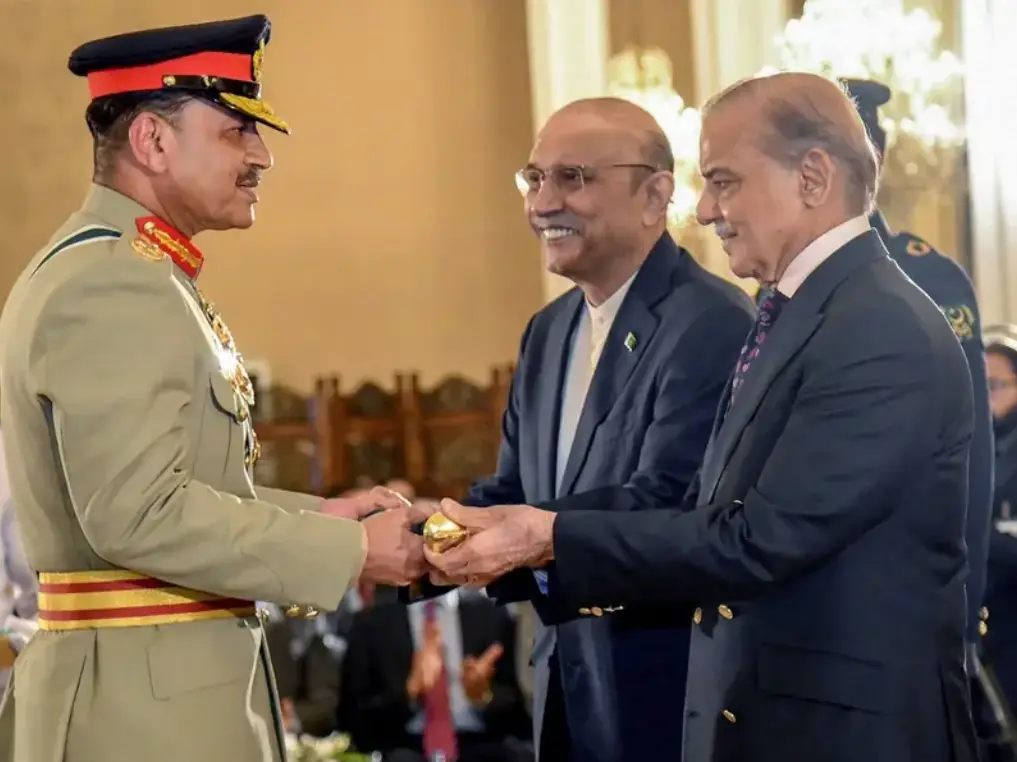
No takers for Pakistan's annual 5th January Kashmir Propaganda Photograph: (Credit: AFP)
Both the state, and the people know, nothing is changing by these statements. Statements urged the international community and the United Nations to implement UN resolutions as ISPR or military backed events take place in cities.
Every year on 5 January, Pakistan observes what it calls “Right to Self-Determination Day” for Jammu and Kashmir, commemorating a 1949 United Nations Commission for India and Pakistan (UNCIP) resolution. This annual event witnesses propaganda speeches by Pakistani leadership on so-called "right to self-determination" in Kashmir. 2026 was no different with Pakistan's President Asif Ali Zardari, Prime Minister Shehbaz Sharif, and other officials issuing propaganda statements, almost pavlovian in nature, serving no purpose. Both the state, and the people know, nothing is changing by these statements. Statements urged the international community and the United Nations to implement UN resolutions as ISPR or military backed events take place in cities.
However, these events have no international attention. There were no significant statements, endorsements, or reactions from major global bodies such as the United Nations itself, or even Pakistan's "inner circle allies". Pakistan's official narrative often references the 1948-1949 UN resolutions, which called for an end to hostilities between India and Pakistan after the latter sent tribal fighters to attack Kashmir.
Those resolutions conditioned any plebiscite on the prior withdrawal of Pakistani forces and irregular fighters from the areas under their control, a step that never occurred. Over time, the UN shifted toward encouraging direct bilateral resolution between India and Pakistan, a position reinforced by the 1972 Simla Agreement, which both countries accepted.
Pakistan's statements on so called "self-determination" rarely address realities in the territories under its occupation-Pakistan-occupied Kashmir (POK) and Gilgit-Baltistan. In these areas, real decision-making power remains with the federal government in Islamabad, with limited local autonomy. Gilgit-Baltistan, strategically vital and taxed by Pakistan, lacks full parliamentary representation for its residents. Political groups advocating independence face restrictions, and media freedoms are constrained. Recent years have seen protests in these regions over governance, resources, and rights, issues seldom highlighted in Pakistan's international stance on Kashmir.
Pakistan frequently portrays violence in India's UT of J&K as an indigenous movement, though it is fact of life now, how Rawalpindi has been supporting terrorism in the region. From the attack on Srinagar legislative assembly to Uri, Pulwama, and Pahalgam terror attacks. In contrast, the Indian union territory of Jammu and Kashmir has held elections and pursued infrastructure development. Pakistan's annual observance relies on a selective interpretation of history, diverting focus from the growing crisis in POK and Gilgit-Baltistan, ready to blow, any day.
&im=FitAndFill=(700,400)&imwidth=280&imheight=210&format=webp&quality=medium)
&imwidth=280&imheight=210&format=webp&quality=medium)
&imwidth=280&imheight=210&format=webp&quality=medium)
&imwidth=280&imheight=210&format=webp&quality=medium)
&imwidth=280&imheight=210&format=webp&quality=medium)
&imwidth=280&imheight=210&format=webp&quality=medium)
&imwidth=280&imheight=210&format=webp&quality=medium)
&imwidth=280&imheight=210&format=webp&quality=medium)
&imwidth=280&imheight=210&format=webp&quality=medium)
&imwidth=280&imheight=210&format=webp&quality=medium)
&imwidth=280&imheight=210&format=webp&quality=medium)
&imwidth=280&imheight=210&format=webp&quality=medium)

&imwidth=280&imheight=210&format=webp&quality=medium)
&imwidth=280&imheight=210&format=webp&quality=medium)
&imwidth=280&imheight=210&format=webp&quality=medium)
&imwidth=280&imheight=210&format=webp&quality=medium)
&im=FitAndFill=(700,400)&imwidth=280&imheight=210&format=webp&quality=medium)
&im=FitAndFill=(700,400)&imwidth=280&imheight=210&format=webp&quality=medium)
&imwidth=280&imheight=210&format=webp&quality=medium)
&im=FitAndFill=(700,400)&imwidth=280&imheight=210&format=webp&quality=medium)
&imwidth=280&imheight=210&format=webp&quality=medium)
&imwidth=280&imheight=210&format=webp&quality=medium)
&imwidth=280&imheight=210&format=webp&quality=medium)
&imwidth=280&imheight=210&format=webp&quality=medium)
&imwidth=280&imheight=210&format=webp&quality=medium)
&imwidth=280&imheight=210&format=webp&quality=medium)
&im=FitAndFill=(700,400)&imwidth=280&imheight=210&format=webp&quality=medium)
&imwidth=280&imheight=210&format=webp&quality=medium)
&imwidth=280&imheight=210&format=webp&quality=medium)
&imwidth=280&imheight=210&format=webp&quality=medium)
&im=FitAndFill=(700,400)&imwidth=280&imheight=210&format=webp&quality=medium)
&imwidth=280&imheight=210&format=webp&quality=medium)

&imwidth=280&imheight=210&format=webp&quality=medium)
&imwidth=280&imheight=210&format=webp&quality=medium)
&im=FitAndFill=(700,400)&imwidth=280&imheight=210&format=webp&quality=medium)
