

&imwidth=800&imheight=600&format=webp&quality=medium "'No role for third parties': Why India rejected Nepal PM's call for China, UK involvement in border issues | WION Decodes")
India on Tuesday (June 3) firmly ruled out any role for third parties in resolving its boundary dispute with Nepal. India's response came as its Ministry of External Affairs was bombarded with question on the comments made Nepalese Prime Minister Balen Shah suggesting involvment of China and the United Kingdom in resolving the border issues. External Affairs Ministry spokesperson Randhir Jaiswal said that India and Nepal already have established bilateral mechanisms to address all aspects of their border matters. He clarified that nearly the entire boundary between the two countries has been settled. New Delhi also pointed at the subsequent statement by Nepal Foreign Ministry.
Also Read: Nepal PM Balendra Shah backs dialogue, diplomatic efforts to resolve border dispute with India
“We have established bilateral mechanisms to deal with all aspects of boundary matters. It should be clear to all concerned that there is no role for any third parties in a bilateral matter between India and Nepal," Jaiswal said at the ministry’s weekly media briefing. He added that New Delhi had taken note of Shah’s remarks as well as a subsequent clarification issued by Nepal’s Foreign Ministry. “We have seen the remarks of the prime minister of Nepal concerning India-Nepal boundary as well as the subsequent statement issued by Nepali foreign ministry on this matter," he said.
What Nepal PM said?
On Sunday, Nepal Prime Minister Balendra Shah in his first address in Parliament, raised border issues with India. He said, “It may be surprising to you, but after becoming Prime Minister, I recently learned that not only has India encroached on Nepal’s territory, but Nepal has also encroached on some areas of India. As two friendly nations, we have decided to take this forward through diplomatic channels.” He told lawmakers that Kathmandu has also taken up the matter with China and the United Kingdom, the latter due to its colonial legacy in the region. The remarks came in response to a question from an opposition lawmaker seeking answers on the government’s approach to longstanding border disputes with India.
Trending Stories
&imwidth=180&imheight=135&format=webp&quality=medium)
Pakistan to head IMF, World Bank boards after 74 years amid persistent economic crisis
&imwidth=180&imheight=135&format=webp&quality=medium)
IND-W vs ZIM-W, 1st T20I: Deepti Sharma, Niki Prasad shine as India beat Zimbabwe by four wickets
&imwidth=180&imheight=135&format=webp&quality=medium)
US midterms 2026: Ken Paxton may have Elon Musk to thank if he wins the Texas Senate race. Here's why
&imwidth=180&imheight=135&format=webp&quality=medium)
Trump invokes national interest to waive new Russia sanctions, tariffs; India gets relief from 100% tariff threat
&imwidth=180&imheight=135&format=webp&quality=medium)
Ankita Bhandari murder case: Parents meet CBI, seek impartial investigation
&imwidth=180&imheight=135&format=webp&quality=medium)
Lizard people? Ex-US Army sniper claims soldier killed by 'reptilian beings' in battle near Area 51
&imwidth=180&imheight=135&format=webp&quality=medium)
Gravitas | Iran threatens to hit key bridges in 7 countries if US resumes strikes
&imwidth=180&imheight=135&format=webp&quality=medium)
Ukraine drone strike disrupts 22 Russian airports, over 200 flights

Not Khan but Pal: Why did Imran Khan choose his mother's surname over his father's? Family tree explained
&imwidth=180&imheight=135&format=webp&quality=medium)
A secret code, a midnight escape and 300 deaths: The Russian officer who turned on Putin
&imwidth=180&imheight=135&format=webp&quality=medium)
'Reason UN has lost credibility': Amid SIR protests India hits out at report alleging 'youth repression'
&imwidth=180&imheight=135&format=webp&quality=medium)
Oregon school shooting: 16-year-old shooter identified, used shotgun bought by mother; Trump praises bystander who shot gunman as 'great hero'
&imwidth=180&imheight=135&format=webp&quality=medium)
China tells Israel to stop West Bank settlements, calls Palestine issue ‘historic injustice’
&imwidth=180&imheight=135&format=webp&quality=medium)
‘My president, I mean my husband’: Trump's new press secretary Katie Zacharia's first briefing goes off the rails in 14 minutes
&imwidth=180&imheight=135&format=webp&quality=medium)
China responds to Trump's Press Secretary Katie Zacharia after toilet remark: 'Visit China more often'
&im=FitAndFill=(700,400)&imwidth=180&imheight=135&format=webp&quality=medium)
Who left the White House podium the fastest? Press secretaries with the shortest stints
&imwidth=180&imheight=135&format=webp&quality=medium)
Vijay Deverakonda and Rashmika Mandanna's Ranabaali X Review: Netizens call it history-rich but overstuffed
&imwidth=180&imheight=135&format=webp&quality=medium)
Israel examines Russia's Shahed-type drones sent by Ukraine to combat Iran | Gravitas
&imwidth=180&imheight=135&format=webp&quality=medium)
US midterms 2026: Alexandria Ocasio-Cortez donates $1 million to Abdul El-Sayed’s as Michigan race heats up
&imwidth=180&imheight=135&format=webp&quality=medium)
Here’s who is eyeing the White House press secretary role after Katie Zacharia’s exit
&imwidth=180&imheight=135&format=webp&quality=medium)
Infiltration bid foiled in Kupwara’s Keran sector, search operation underway
&imwidth=180&imheight=135&format=webp&quality=medium)
Sean ‘Diddy’ Combs transferred to new prison amid reports of special privileges
&imwidth=180&imheight=135&format=webp&quality=medium)
Abhishek Sharma sets all-time record for most T20I sixes in a year
&im=FitAndFill=(700,400)&imwidth=180&imheight=135&format=webp&quality=medium)
Inside Tesla's Roadster: 10 features of Elon Musk's 'flying car' that push the limits of electric vehicles | In Pics
&imwidth=180&imheight=135&format=webp&quality=medium)
India’s naval priorities: Ex-Navy Chief calls for third aircraft carrier, more warships and submarines
&imwidth=180&imheight=135&format=webp&quality=medium)
Starlink says 'ready to connect India with high-speed internet' amid Reliance row
&im=FitAndFill=(700,400)&imwidth=180&imheight=135&format=webp&quality=medium)
New Friday OTT releases (October 16, 2026): DC, Sacrifice, Aasha- 6 new movies and TV shows coming on Netflix, Zee 5, Prime Video and more
&imwidth=180&imheight=135&format=webp&quality=medium)
One species, two lineages: Why Sri Lanka’s spectacled cobra differs genetically from Indian variant
&imwidth=180&imheight=135&format=webp&quality=medium)
Oil tanker carrying over 2M barrels of crude hits mine in Strait of Hormuz, catches fire, says Iran
&imwidth=180&imheight=135&format=webp&quality=medium)
Selma Blair’s team responds to flight incident, says actress ‘did not intend to harm anyone’

US ends automatic work permit extensions; Indian workers lose 540-day safety net: What it means
&imwidth=180&imheight=135&format=webp&quality=medium)
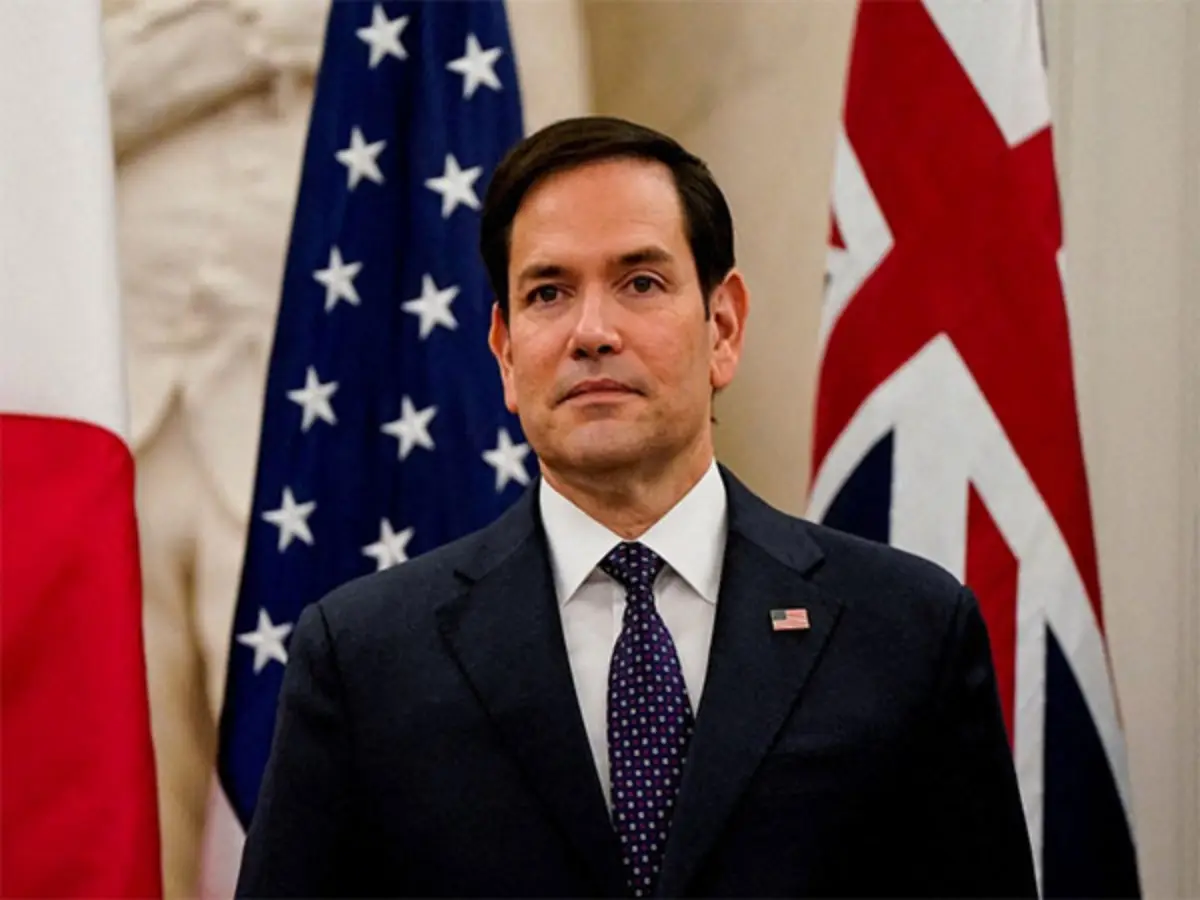
US lawmaker Pramila Jaypal writes to Rubio, urges to raise handling of CJP protest with India
Nepal’s foreign ministry issues clarification
Hours later, Nepal’s Foreign Ministry issued a clarification. The statement in Nepali stated, “Studies conducted by the technical committee have indicated that in some locations, land currently being used and occupied by Nepal may actually fall on the Indian side, while land currently being used and occupied by India may fall on the Nepali side." The Prime Minister’s statement in Parliament that “in some places, Indian land may be located on Nepal’s side” should be understood in the context of this technical reality and the issue of cross-border occupation.” Earlier in 2002, the previous Oli government issued a new political map of Nepal, staking claim to Indian territories of Kalapani, Lipulekh, and Limpiyadhura after India opened a road through Lipulekh to Kailash Mansarovar. This was categorically rejected by India.

