
&imwidth=800&imheight=600&format=webp&quality=medium "New US-Iran talks on the table? Trump claims ‘they want a deal’, Iran open to negotiations but warns of escalation")
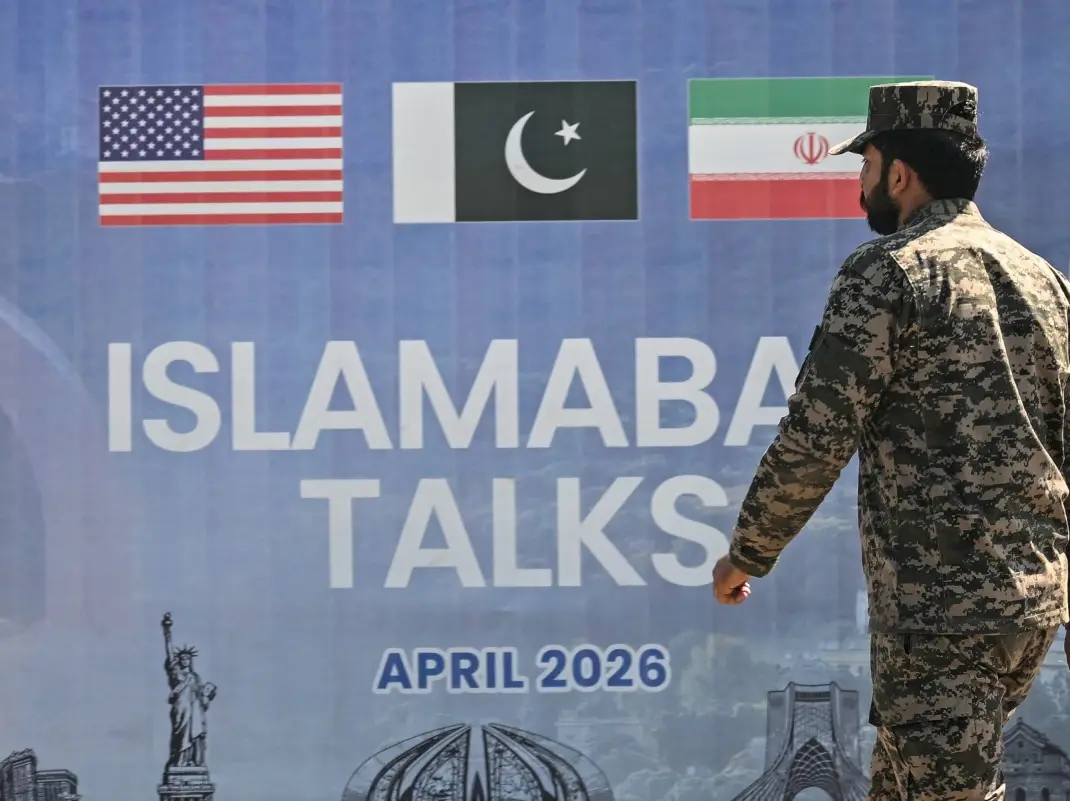
The United States and Iran appear to be moving toward another possible round of negotiations, even as tensions between the two countries continue to escalate sharply. US President Donald Trump on Monday (April 13) hinted that backchannel communication may already be underway, suggesting renewed diplomatic interest from Tehran or intermediaries. “We’ve been called this morning by the right people, the appropriate people, and they want to work a deal,” Trump said at the White House, without elaborating on who participated in the conversation.
His remarks came just hours after the US moved to restrict vessels from transiting a key waterway connected to Iranian ports and coastal areas, a move seen as potentially heightening tensions amid ongoing global energy concerns.
Iran signals conditional openness to talks

Iran’s ambassador to India, Mohammad Fathali, said Tehran is open to another round of talks with the US, but only if Washington avoids what it considers “unlawful demands.” At the same time, he warned that Iran remains fully prepared for escalation if required.
“If you want progress in any diplomatic process, both sides should be ready for negotiations. And they should avoid unlawful demands,” Fathali told a media briefing at the Iranian embassy. “Our high-ranking officials said we are ready for peace, we are ready for negotiations. But you should know that Iran is also ready for war.”
He also accused Washington of making unreasonable conditions while noting that key issues were discussed in previous regional talks, including nuclear concerns, sanctions relief, and war-related reparations. “But I think that they [the US] have some unlawful demands,” he said.
Trending Stories
)
The Early Spring is proof not everyone can talk about their real feelings, and it is perfectly OK
)
UN votes to ‘correct the map’ as India backs fairer world view
)
Nigerian Navy discovers 99,000 litres of suspected stolen, illegally refined products as it intensifies anti-crude oil theft operations
)
Who is Aditi Paudel? 17-year-old becomes Japan's first literacy ambassador
)
Bengaluru: Officials find 40 kg expired chilli at chairman's club
)
Jaishankar rejects trade link to ending Ukraine war
)
Israeli strikes on Lebanon kill three, injure 23 despite truce
)
Alpine glacier was covered with sheep wool sheets to prevent melting. It worked
)
South Korea mulls deploying military assets to Strait of Hormuz
)
World's fifth-largest economy, British army can't afford to train
)
Breaking | Vance takes the podium: First White House briefing since Leavitt's exit
)
Taiwan raises 'concerns' over China's missile test
)
BRICS 2026: $1 trillion sovereign capital set to converge in Delhi for first iBRICS Summit
)
What is Iran's Pickaxe Mountain that Trump has again threatened to bomb?
)
UN votes to correct world map that visually shrank Africa for 450 years
)
Former NewJeans member Danielle launches YouTube channel, hints at new solo journey
)
Bangladesh batter Towhid Hridoy creates history with 350 not out in South Africa
)
Brendan Fraser’s transformation fuels The Mummy 4 excitement as fans welcome back Rick O’Connell
&im=FitAndFill=(700,400))
Krishna Janmashtami 2026: From Dhaniya Panjiri to Makhana Kheer- 5 best sweet dishes perfect for celebrating Lord Krishna’s birth
)
Donald Trump plans to travel to Ireland on Qatari-donated jet amid security concerns
)
Nazi-looted art to return to Jewish heirs
)
Eight killed in Kerala’s Thrissur after car rams into lorry parked on highway
&im=FitAndFill=(700,400))
Why Russian fighter jets use bulky, low-pressure tyres compared to US jets
)
FBI-wanted fraud accused arrested in Jalandhar over $600,000 scam
&im=FitAndFill=(700,400))
Why US tanks weigh over 20 tons more than Russian tanks
&im=FitAndFill=(700,400))
New Friday OTT releases (September 4, 2026): GDN, Dhamaal 4, Jagamae Sangeetham- Watch 6 new movies and TV shows on Netflix, Prime Video and more
)
Killing the Himalayas slowly: Human urine is melting a glacier on Mount Everest
Iran warns it is prepared for escalation
Commenting on the US move to restrict access related to Iranian ports, Fathali said Washington is aware of Iran’s capabilities and readiness to respond. “Our high-ranking officials have said they are ready for all options. You can see how in our response and reaction.”
While reaffirming Iran’s commitment to international law and maritime navigation, he said Tehran considers the Strait of Hormuz as being under shared jurisdiction. He added that Iran would soon announce a mechanism for passage through the strait, without clarifying whether any new rules would affect foreign shipping, including Indian vessels.
Talks depend on US stance
Fathali stressed that the future of any renewed negotiations depends entirely on Washington’s approach. The continuation of any ceasefire or diplomatic process, he said, “depends on the way they approach these negotiations,” adding that Iran would proceed only if its conditions were accepted. “They wanted to finish the war in three or four days, but…the duration, the scope, and the geography of the war are under our control. You can see this situation after the 42-day war,” he said.
Disclaimer: WION takes utmost care to accurately and responsibly report ongoing conflicts in West Asia involving Israel, Iran, the US, Gulf nations, and non-state actors like Hezbollah, Hamas, Houthis, Islamic State, and others. Claims and counterclaims, disinformation and misinformation are being made online and offline. Given this context, WION cannot independently verify the authenticity of all statements, social media posts, photos, and videos.

