

&imwidth=800&imheight=600&format=webp&quality=medium "NATO warns Iran ‘cannot have nuclear weapons’ as Rutte flags ‘increasingly dangerous’ capabilities")
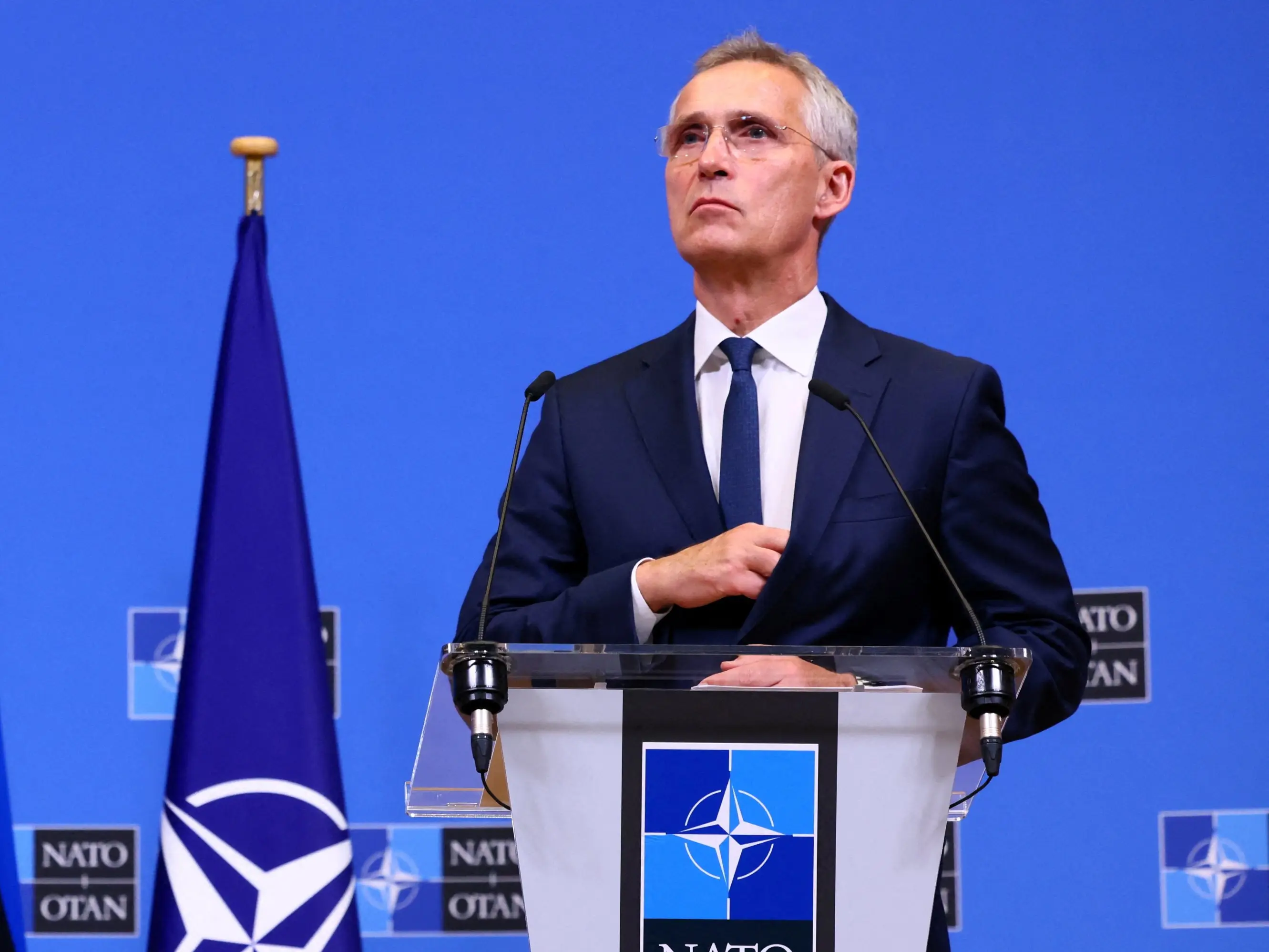
NATO Secretary General Mark Rutte has reiterated the alliance’s firm stance that Iran must not be allowed to develop nuclear weapons, warning that Tehran’s military capabilities are becoming “increasingly dangerous.” Speaking during a briefing on Thursday (March 26), Rutte said NATO has long been clear on Iran’s nuclear ambitions. “Allies have agreed that Iran must not develop a nuclear weapon,” he stressed, highlighting fears that such a capability would pose a serious threat not just to the Middle East but to global security.
Rutte pointed to recent developments, including attempted strikes and expanding missile reach, as evidence that Iran’s capabilities are evolving rapidly. He described these as a “relevant development,” signalling that NATO is closely monitoring Tehran’s military advances. The NATO chief warned that Iran’s expanding arsenal and regional actions are raising alarm across the alliance, especially amid ongoing tensions in the Middle East.
NATO remains prepared
Despite the growing threat, Rutte said NATO is ready to defend its members. He highlighted recent interceptions of missiles aimed toward Turkey as proof of the alliance’s defensive preparedness. He added that NATO continues to assess risks posed by Iran’s actions, particularly in key strategic areas such as the Strait of Hormuz, where tensions have been rising.
While focusing on Iran, Rutte maintained that Russia remains NATO’s primary security concern. He cited cyberattacks, airspace violations, and sabotage operations as examples of Moscow’s continued aggression. Rutte also noted increasing cooperation between Iran and countries such as China and North Korea, suggesting a broader alignment that NATO is watching closely. He concluded by emphasising the need for higher defence spending and stronger coordination among allies to tackle both immediate and emerging threats.
Trending Stories
&imwidth=180&imheight=135&format=webp&quality=medium)
Blasts heard in Sanaa as Saudi-led coalition warns civilians to evacuate; Houthis vow retaliation
&imwidth=180&imheight=135&format=webp&quality=medium)
China's counter-surveillance industry booms amid heightened espionage fears | Gravitas
&imwidth=180&imheight=135&format=webp&quality=medium)
Saudi Arabia strikes Yemen oil sites as Houthi missiles target Riyadh; 'limited fire' breaks out at Aramco
&im=FitAndFill=(700,400)&imwidth=180&imheight=135&format=webp&quality=medium)
Navratri 2026: 9 days, 9 forms of Goddess Durga and 9 colours- Check the complete list
&imwidth=180&imheight=135&format=webp&quality=medium)
Trump accuses Houthis of driving up oil prices before US midterms, warns of consequences
&imwidth=180&imheight=135&format=webp&quality=medium)
New Delhi rejects Beijing’s claims and remarks on Ladakh location naming exercise
&imwidth=180&imheight=135&format=webp&quality=medium)
Russian woman and Bihar boy's love story goes viral after she reaches India to marry him
&imwidth=180&imheight=135&format=webp&quality=medium)
US Midterms 2026: In Alaska, cost-of-living anxiety meets strangest ballot in high-stakes Senate race
&imwidth=180&imheight=135&format=webp&quality=medium)
CMs Vijay-Naidu meet in Vijayawada, discuss water sharing, river-linking
&imwidth=180&imheight=135&format=webp&quality=medium)
'Don't ever mess with nature!': Trump’s tiger attack post triggers social media backlash as victim's family issues heartbreaking tribute
&imwidth=180&imheight=135&format=webp&quality=medium)
OpenAI employee arrested by FBI after allegedly hiding recording device in office
&imwidth=180&imheight=135&format=webp&quality=medium)
1,500 drones illuminate Mumbai sky as Cordelia Cruises unveils second ship, Cordelia Sky
&imwidth=180&imheight=135&format=webp&quality=medium)
Delhi Police arrest Cockroach Janta Party's Saurav Das, Ashutosh Ranka, Ajinkya Shinde in Jantar Mantar case, to be produced before court
&imwidth=180&imheight=135&format=webp&quality=medium)
Pope Leo XIV diagnosed with lung cancer after surgery, Vatican says 'successful surgery and recovering'
&imwidth=180&imheight=135&format=webp&quality=medium)
Pakistan to chair UN-backed global Borrowers’ Platform as its own debt burden mounts, triggers sarcastic reactions on social media
&imwidth=180&imheight=135&format=webp&quality=medium)
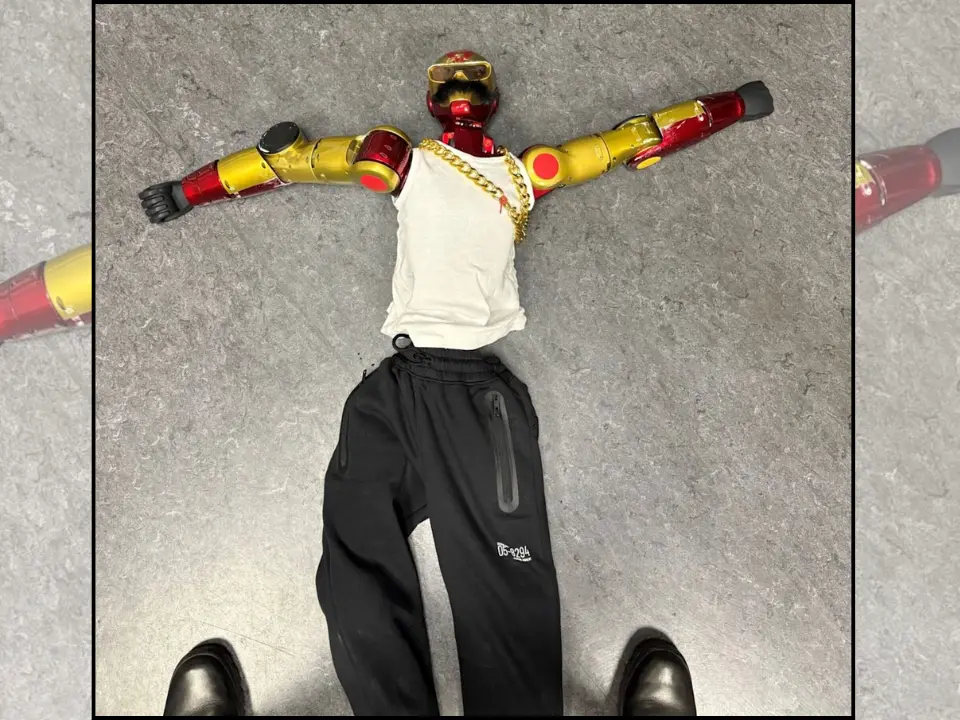
Robot gropes girl, makes thrusting movements in bizarre crime in Germany
&imwidth=180&imheight=135&format=webp&quality=medium)
France accuses Musk of ‘online harassment’ of European leaders, warns of poll interference
&imwidth=180&imheight=135&format=webp&quality=medium)
MI5 chief warns Russia is UK’s ‘aggressor number one’ as Iran and AI threats grow
&imwidth=180&imheight=135&format=webp&quality=medium)
'Turn approver, resign, we'll forgive you': Rahul Gandhi claims receiving messages from CEC Gyanesh Kumar
&imwidth=180&imheight=135&format=webp&quality=medium)
Trump reconsidering calling off Nidal Hasan's execution livestream. Here's why
&imwidth=180&imheight=135&format=webp&quality=medium)
‘My president, I mean my husband’: Trump's new press secretary Katie Zacharia's first briefing goes off the rails in 14 minutes
&imwidth=180&imheight=135&format=webp&quality=medium)
‘How many people did she illegally bring from Somalia?’ Trump targets Ilhan Omar, questions her net worth
&imwidth=180&imheight=135&format=webp&quality=medium)
Marco Rubio to visit India next week, focus on energy cooperation and strategic ties
&imwidth=180&imheight=135&format=webp&quality=medium)
Is the AI chip boom already over? Global semiconductor stocks slide as investors question unbridled spending
&imwidth=180&imheight=135&format=webp&quality=medium)
L Murugan resigns as Union Minister, expresses wish to return to grassroots
&imwidth=180&imheight=135&format=webp&quality=medium)
'Ouch!!! That must hurt': Kangana Ranaut hails Kamal Haasan's sharp reply to Elon Musk over Starlink row
&imwidth=180&imheight=135&format=webp&quality=medium)
Girl 'dead' for 8 hours wakes up at her own funeral, dad insists she wasn't breathing
&imwidth=180&imheight=135&format=webp&quality=medium)
Sidhu Moose Wala’s younger brother wins hearts by recreating late singer’s signature move at Toronto Hologram Show
&imwidth=180&imheight=135&format=webp&quality=medium)
UK school ditches technology, shifts from screen to pen and paper for learning
&im=FitAndFill=(700,400)&imwidth=180&imheight=135&format=webp&quality=medium)
New OTT releases this week (October 12-18, 2026): Sacrifice, Koffee with Karan S9, Roadies Rebirth- 6 titles coming on Netflix, JioHotstar and more
&imwidth=180&imheight=135&format=webp&quality=medium)
Anupam Kher joins Ranbir Kapoor's Ramayana as Jatayu, new poster unveiled
&imwidth=180&imheight=135&format=webp&quality=medium)
Measles kills again: 6 dead in Pennsylvania as America faces its worst outbreak in decades | Gravitas
&imwidth=180&imheight=135&format=webp&quality=medium)
Ken Paxton's Dubai night out with two US fugitives sparks political storm as Texas Senate race tightens
&imwidth=180&imheight=135&format=webp&quality=medium)
Cornell University suspends fraternity parties over 2024 gang rape allegations

