Man sets himself on fire outside UN HQ holding Tibetan flag, dies

&imwidth=600&imheight=450&format=webp&quality=medium "Man sets himself on fire outside UN HQ holding Tibetan flag, dies")
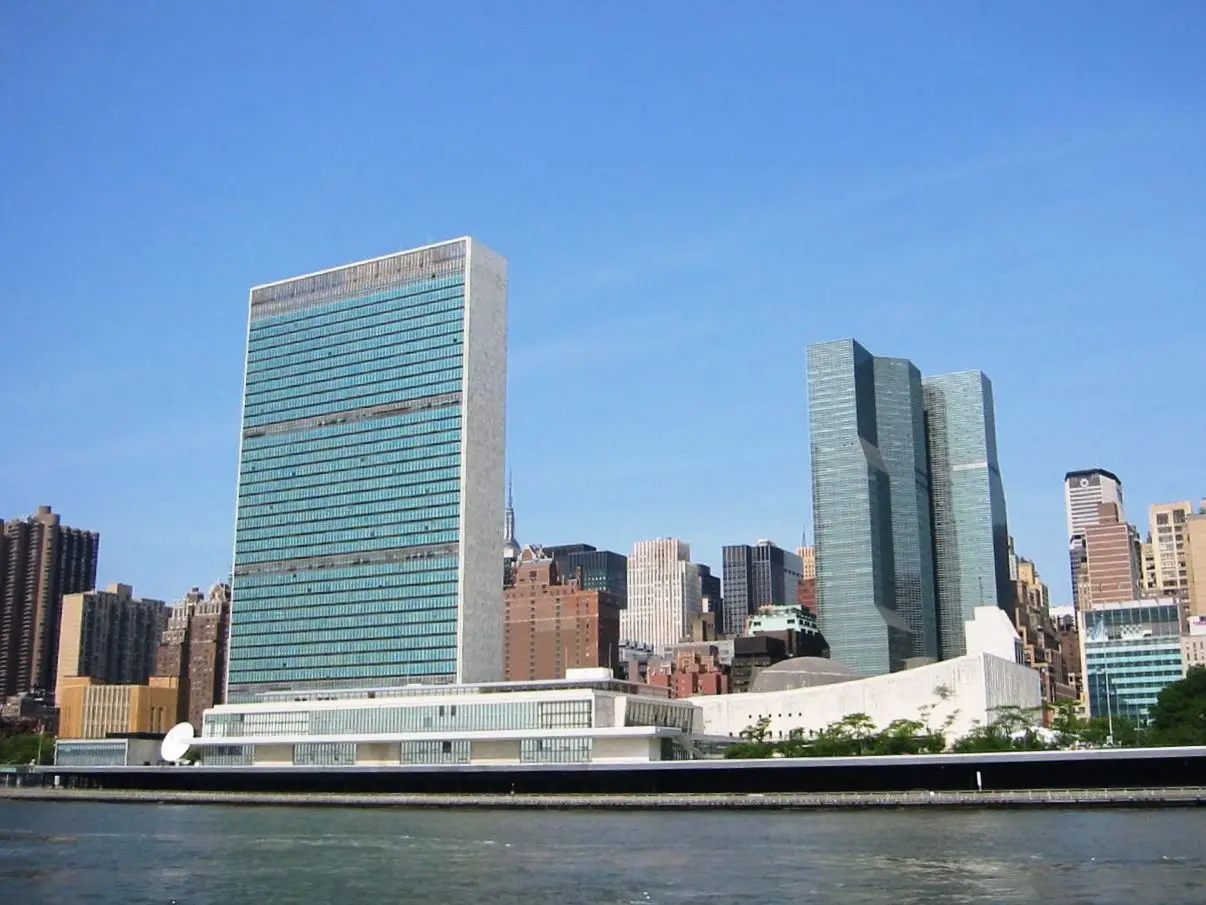
Representative image. Photograph: (Wikimedia Commons)
Rangzen was engulfed in flames as vehicles passing by honked their horns. He later collapsed to the ground, where two first responders doused the flames with fire extinguishers within about 15 seconds.
A 42-year-old man carrying a Tibetan flag died as he set himself on fire outside the United Nations headquarters in Manhattan on Thursday evening in what appeared to be a protest. The individual identified as Lobga Rangzen, who had reportedly lived in the United States for nearly 20 years. The incident occurred at around 7 pm near the intersection of East 43rd Street and First Avenue in New York City.
Rangzen was engulfed in flames as vehicles passing by honked their horns. He later collapsed to the ground, where two first responders doused the flames with fire extinguishers within about 15 seconds. Law enforcement officials confirmed that Rangzen was taken to Bellevue Hospital, where he was later pronounced dead.
Police sealed off the area for investigation, while the Tibetan flag remained at the scene for nearly an hour after the incident. Investigators were also seen collecting documents, including a sheet bearing the slogan "CHINA OUT OF TIBET", a message closely associated with the Tibetan independence movement and the broader Free Tibet campaign.
Also read: Religious places can be acquired for public projects: Allahabad HC dismisses Daalmandi plea
The restoration of sovereignty to the Tibet Autonomous Region
Historical data indicates that over 150 people have been documented to have self-immolated within Tibet since March 2009 to protest against what they describe as "Chinese occupation." The larger movement seeks the restoration of sovereignty to the Tibet Autonomous Region and advocates for the return of authority to the Dalai Lama, the highest spiritual leader within Tibetan Buddhism.
Trending Stories
&im=FitAndFill=(700,400)&imwidth=280&imheight=210&format=webp&quality=medium)
&imwidth=280&imheight=210&format=webp&quality=medium)
&imwidth=280&imheight=210&format=webp&quality=medium)
&imwidth=280&imheight=210&format=webp&quality=medium)
&imwidth=280&imheight=210&format=webp&quality=medium)
&imwidth=280&imheight=210&format=webp&quality=medium)
&imwidth=280&imheight=210&format=webp&quality=medium)
&imwidth=280&imheight=210&format=webp&quality=medium)
&imwidth=280&imheight=210&format=webp&quality=medium)
&imwidth=280&imheight=210&format=webp&quality=medium)
&imwidth=280&imheight=210&format=webp&quality=medium)
&imwidth=280&imheight=210&format=webp&quality=medium)
&imwidth=280&imheight=210&format=webp&quality=medium)
&imwidth=280&imheight=210&format=webp&quality=medium)
&imwidth=280&imheight=210&format=webp&quality=medium)
&imwidth=280&imheight=210&format=webp&quality=medium)
&imwidth=280&imheight=210&format=webp&quality=medium)
&imwidth=280&imheight=210&format=webp&quality=medium)
&imwidth=280&imheight=210&format=webp&quality=medium)
&imwidth=280&imheight=210&format=webp&quality=medium)
&imwidth=280&imheight=210&format=webp&quality=medium)
&imwidth=280&imheight=210&format=webp&quality=medium)
&imwidth=280&imheight=210&format=webp&quality=medium)
&imwidth=280&imheight=210&format=webp&quality=medium)
&imwidth=280&imheight=210&format=webp&quality=medium)
&imwidth=280&imheight=210&format=webp&quality=medium)
&im=FitAndFill=(700,400)&imwidth=280&imheight=210&format=webp&quality=medium)
&im=FitAndFill=(700,400)&imwidth=280&imheight=210&format=webp&quality=medium)
&imwidth=280&imheight=210&format=webp&quality=medium)
&imwidth=280&imheight=210&format=webp&quality=medium)
&imwidth=280&imheight=210&format=webp&quality=medium)
&imwidth=280&imheight=210&format=webp&quality=medium)
&imwidth=280&imheight=210&format=webp&quality=medium)
&imwidth=280&imheight=210&format=webp&quality=medium)
&imwidth=280&imheight=210&format=webp&quality=medium)
&im=FitAndFill=(700,400)&imwidth=280&imheight=210&format=webp&quality=medium)
&imwidth=280&imheight=210&format=webp&quality=medium)
According to the official website of Free Tibet, "Many of the protesters have shouted slogans while on fire, including calling for the Dalai Lama's long life and his return to Tibet, for the Panchen Lama to be freed, and for human rights and freedom in Tibet."
The organisation also states that individuals accused of assisting or encouraging protesters, or sharing information about such incidents internationally, often face severe punishment. The movement continues to oppose Tibet's incorporation into China following the signing of the Seventeen Point Agreement in May 1951, an accord that paved the way for the deployment of the People's Liberation Army into the region under what was described as a peaceful transition.

