Israel-Lebanon ceasefire near collapse as IDF strikes Hezbollah targets in South: What we know so far

&imwidth=600&imheight=450&format=webp&quality=medium "Israel-Lebanon ceasefire near collapse as IDF strikes Hezbollah targets in South: What we know so far")
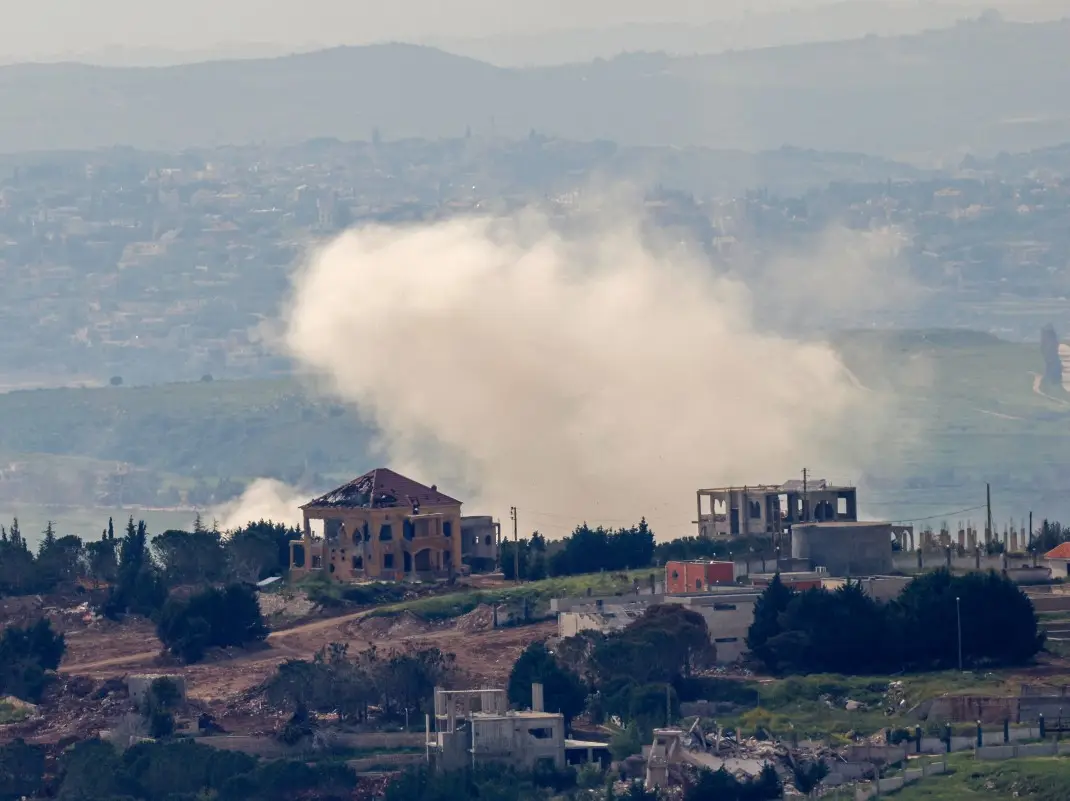
Smoke rises over the southern Lebanese village of Taybeh near the border amid Israeli attacks Photograph: (AFP)
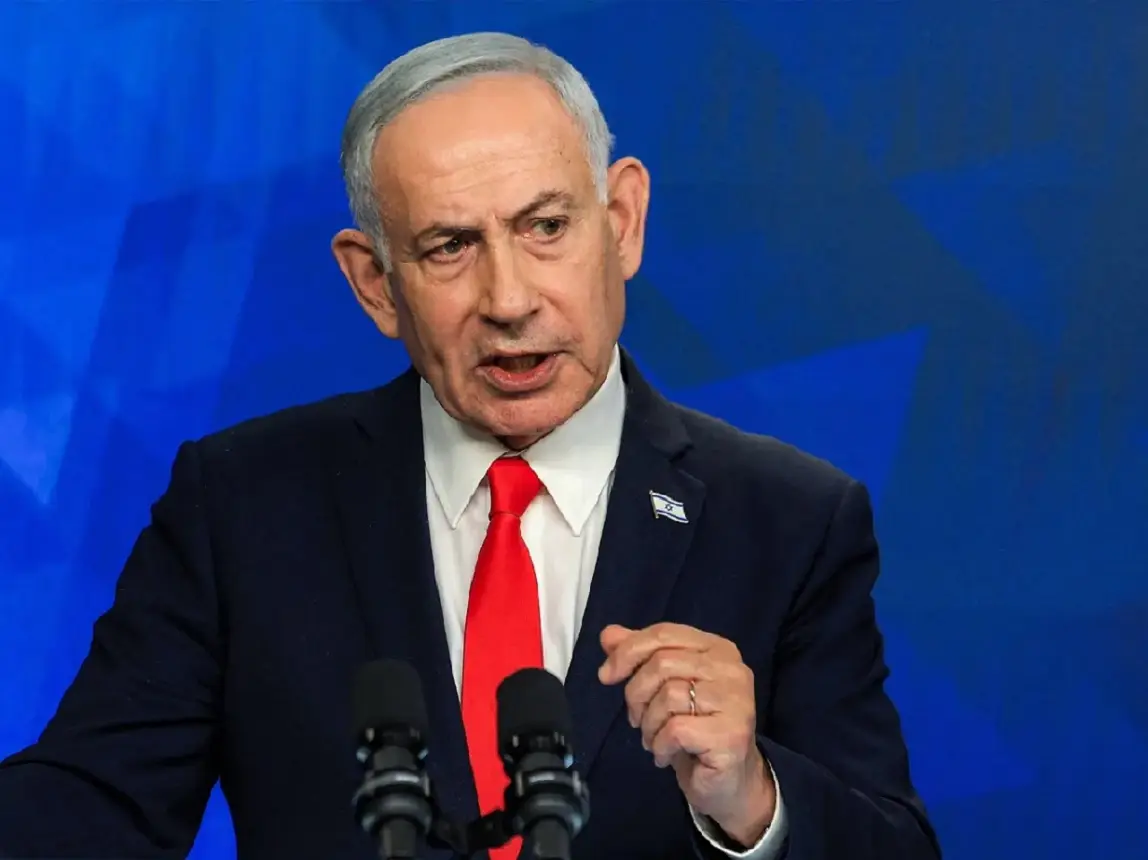
Israel’s PM Netanyahu accused Hezbollah of violating a ceasefire and ordered strikes in Lebanon after alleged drone attacks. Hezbollah rejected one-sided terms, as tensions tied to the broader Iran-Israel conflict threaten to reignite violence in the region.
Even as Israel and Lebanon extended ceasefire for three weeks, Lebanese state media on Sunday (Apr 26) reported a series of new Israeli strikes in at least four different locations in the country's south. This after Israeli Prime Minister Benjamin Netanyahu ordered his military to attack Hezbollah following alleged ceasefire breaches. The state-run National News Agency reported a pair of strikes in quick succession in a town in Bint Jbeil district, another on a town in Tyre district, and strikes on two more towns in Nabatieh district. The Israeli military said in a statement that it had "struck Hezbollah terrorist infrastructure used for military purposes across southern Lebanon", and would “continue to operate decisively against threats.”
Netanyahu accuses Hezbollah of violating ceasefire
According to a brief statement from Netanyahu's office, the PM "ordered the IDF to forcefully attack Hezbollah targets in Lebanon", after the military said the Iran-backed group had violated a ceasefire. In several separate statements, the military had said that it had "eliminated more than 15 terrorists in southern Lebanon", including three who were driving a vehicle "loaded with weapons". It also accused the militants of "launching explosive drones toward IDF soldiers" in the Qantara area that "detonated" near the troops but caused no injuries. Troops had also found "an anti-tank missile cache in a Hezbollah weapons storage facility" and an underground shaft containing Kalashnikov rifles, it said.
What's Hezbollah's position?
After the ceasefire, Trump warned Hezbollah to “act nicely” during the ceasefire, to which Hezbollah responded saying that their fighters have kept “hands on trigger.” Hezbollah leader Naim Qassem had earlier said that the truce with Israel “cannot be one-sided.” Qassem termed the truce as “an insult" to Lebanonand opined that the Lebanese government should not allow America to dictate.
How Israel-Lebanon tensions were reignited
Trending Stories
&imwidth=280&imheight=210&format=webp&quality=medium)
&imwidth=280&imheight=210&format=webp&quality=medium)
&imwidth=280&imheight=210&format=webp&quality=medium)
&im=FitAndFill=(700,400)&imwidth=280&imheight=210&format=webp&quality=medium)
&imwidth=280&imheight=210&format=webp&quality=medium)
&imwidth=280&imheight=210&format=webp&quality=medium)
&imwidth=280&imheight=210&format=webp&quality=medium)
&imwidth=280&imheight=210&format=webp&quality=medium)
&im=FitAndFill=(700,400)&imwidth=280&imheight=210&format=webp&quality=medium)
&imwidth=280&imheight=210&format=webp&quality=medium)
&imwidth=280&imheight=210&format=webp&quality=medium)
&imwidth=280&imheight=210&format=webp&quality=medium)
&imwidth=280&imheight=210&format=webp&quality=medium)
&imwidth=280&imheight=210&format=webp&quality=medium)
&im=FitAndFill=(700,400)&imwidth=280&imheight=210&format=webp&quality=medium)
&imwidth=280&imheight=210&format=webp&quality=medium)
&imwidth=280&imheight=210&format=webp&quality=medium)
&imwidth=280&imheight=210&format=webp&quality=medium)
&imwidth=280&imheight=210&format=webp&quality=medium)
&imwidth=280&imheight=210&format=webp&quality=medium)
&imwidth=280&imheight=210&format=webp&quality=medium)
&imwidth=280&imheight=210&format=webp&quality=medium)
&imwidth=280&imheight=210&format=webp&quality=medium)
&im=FitAndFill=(700,400)&imwidth=280&imheight=210&format=webp&quality=medium)
&imwidth=280&imheight=210&format=webp&quality=medium)
&imwidth=280&imheight=210&format=webp&quality=medium)
&imwidth=280&imheight=210&format=webp&quality=medium)
&imwidth=280&imheight=210&format=webp&quality=medium)
&imwidth=280&imheight=210&format=webp&quality=medium)
&imwidth=280&imheight=210&format=webp&quality=medium)
&imwidth=280&imheight=210&format=webp&quality=medium)
&imwidth=280&imheight=210&format=webp&quality=medium)
&imwidth=280&imheight=210&format=webp&quality=medium)
&imwidth=280&imheight=210&format=webp&quality=medium)
Hezbollah in Lebanon launched missiles on Israel after the joint US-Israeli strike on Iran killed Supreme Leader Ayatollah Ali Khamenei. Israel retaliated with full force and soon started a ground offensive killing hundreds amid raging war in West Asia as strikes continued on Iran. After 40 days of war, when Iran and US started exchanging messages via friendly nations for a potential ceasefire, Tehran stated that it would include end of Israeli hostilities in Lebanon. It must be noted that Hezbollah was founded in 1982 by a group of Lebanese Shia clerics and militants, with significant support from Iran's Islamic Revolutionary Guard Corps (IRGC). As the Iran-US ceasefire was announed on Apr 7, the POTUS said that he accepted the general framework of Iran's 10-point proposal. The 10 point proposal by Iran included end of hostilities on Hezbollah in Lebanon. Pakistan's Prime Minister Shehbaz Sharif, in his post about ceasefire, also said that both sides have agreed to a ceasefire "everywhere", including Lebanon. However, Israeli PM Netanyahu stated that the ceasefire "did not cover Lebanon." Soon, US followed Israeli narrative with US President Trump warning Iran to honour the “real agreement."
Disclaimer: WION takes utmost care to accurately and responsibly report ongoing conflicts in West Asia involving Israel, Iran, the US, Gulf nations, and non-state actors like Hezbollah, Hamas, Houthis, Islamic State, and others. Claims and counterclaims, disinformation and misinformation are being made online and offline. Given this context, WION cannot independently verify the authenticity of all statements, social media posts, photos, and videos.

