Israel elections: Final TV polls indicate that the Netanyahu bloc is one seat short of a majority


Benjamin Netanyahu led his Likud Party to become the largest political group in Knesset with 32 seats.
Before the 1 Novemberelection, all of the final television network polls indicated that Likud party leader Benjamin Netanyahu's religious-right coalition would come up just short of a majority in the 120-seat Knesset (the unicameral legislature of Israel).
An opposition leader could build a coalition and take back power with the slightest swing in his favour, according to polls that were shown on Channels 12 and 13 news on Friday and Kan public television on Thursday.
Watch | Israel Elections 2022 | Induction of new leader may take 6-7 weeks: Israel envoy to India

These polls all assigned the Netanyahu-led group 60 seats. According to all of the surveys, the present coalition parties won 56 seats, while the non-aligned Hadash-Ta'al party with a majority of Arabs won 4 seats. This is in line with earlier polls that were broadcast over the past several weeks.
&imwidth=180&imheight=135&format=webp&quality=medium)
‘My president, I mean my husband’: Trump's new press secretary Katie Zacharia's first briefing goes off the rails in 14 minutes
&imwidth=180&imheight=135&format=webp&quality=medium)
Sean ‘Diddy’ Combs transferred to new prison amid reports of special privileges
&imwidth=180&imheight=135&format=webp&quality=medium)
COVID-19 pandemic led to increase in divorce cases, observes Madras High Court
&imwidth=180&imheight=135&format=webp&quality=medium)
'We feel like Mr India': Gujarat’s undercover SHE team guard garba nights at Navratri

Not Khan but Pal: Why did Imran Khan choose his mother's surname over his father's? Family tree explained
&im=FitAndFill=(700,400)&imwidth=180&imheight=135&format=webp&quality=medium)
Inside Tesla's Roadster: 10 features of Elon Musk's 'flying car' that push the limits of electric vehicles | In Pics
&imwidth=180&imheight=135&format=webp&quality=medium)
A secret code, a midnight escape and 300 deaths: The Russian officer who turned on Putin
&im=FitAndFill=(700,400)&imwidth=180&imheight=135&format=webp&quality=medium)
Who left the White House podium the fastest? Press secretaries with the shortest stints
&imwidth=180&imheight=135&format=webp&quality=medium)
Ramayana Part 1: Sai Pallavi's warrior avatar as Sita steals the spotlight in new BTS footage
&imwidth=180&imheight=135&format=webp&quality=medium)
Lizard people? Ex-US Army sniper claims soldier killed by 'reptilian beings' in battle near Area 51
&imwidth=180&imheight=135&format=webp&quality=medium)
Israel examines Russia's Shahed-type drones sent by Ukraine to combat Iran | Gravitas
&im=FitAndFill=(700,400)&imwidth=180&imheight=135&format=webp&quality=medium)
New Friday OTT releases (October 16, 2026): DC, Sacrifice, Aasha- 6 new movies and TV shows coming on Netflix, Zee 5, Prime Video and more
&imwidth=180&imheight=135&format=webp&quality=medium)
No Ravindra Jadeja, Yashasvi Jaiswal in India’s 2027 ODI World Cup plans: Report
&imwidth=180&imheight=135&format=webp&quality=medium)
India’s naval priorities: Ex-Navy Chief calls for third aircraft carrier, more warships and submarines
&imwidth=180&imheight=135&format=webp&quality=medium)
Vijay Deverakonda and Rashmika Mandanna's Ranabaali X Review: Netizens call it history-rich but overstuffed
&imwidth=180&imheight=135&format=webp&quality=medium)
US midterms 2026: Ken Paxton may have Elon Musk to thank if he wins the Texas Senate race. Here's why
&imwidth=180&imheight=135&format=webp&quality=medium)
One species, two lineages: Why Sri Lanka’s spectacled cobra differs genetically from Indian variant
&imwidth=180&imheight=135&format=webp&quality=medium)
IND-W vs ZIM-W, 1st T20I: Deepti Sharma, Niki Prasad shine as India beat Zimbabwe by four wickets
&imwidth=180&imheight=135&format=webp&quality=medium)
Here’s who is eyeing the White House press secretary role after Katie Zacharia’s exit
&imwidth=180&imheight=135&format=webp&quality=medium)
Ukraine drone strike disrupts 22 Russian airports, over 200 flights
&imwidth=180&imheight=135&format=webp&quality=medium)
Trump invokes national interest to waive new Russia sanctions, tariffs; India gets relief from 100% tariff threat
&imwidth=180&imheight=135&format=webp&quality=medium)
Abhishek Sharma sets all-time record for most T20I sixes in a year
&imwidth=180&imheight=135&format=webp&quality=medium)
US midterms 2026: Alexandria Ocasio-Cortez donates $1 million to Abdul El-Sayed’s as Michigan race heats up
&imwidth=180&imheight=135&format=webp&quality=medium)
Gravitas | Iran threatens to hit key bridges in 7 countries if US resumes strikes
&imwidth=180&imheight=135&format=webp&quality=medium)
'Reason UN has lost credibility': Amid SIR protests India hits out at report alleging 'youth repression'
&imwidth=180&imheight=135&format=webp&quality=medium)
Pakistan to head IMF, World Bank boards after 74 years amid persistent economic crisis
&imwidth=180&imheight=135&format=webp&quality=medium)
Oil tanker carrying over 2M barrels of crude hits mine in Strait of Hormuz, catches fire, says Iran
&imwidth=180&imheight=135&format=webp&quality=medium)
US lawmaker Pramila Jaypal writes to Rubio, urges to raise handling of CJP protest with India
&imwidth=180&imheight=135&format=webp&quality=medium)
China responds to Trump's Press Secretary Katie Zacharia after toilet remark: 'Visit China more often'
&imwidth=180&imheight=135&format=webp&quality=medium)
Infiltration bid foiled in Kupwara’s Keran sector, search operation underway
&imwidth=180&imheight=135&format=webp&quality=medium)
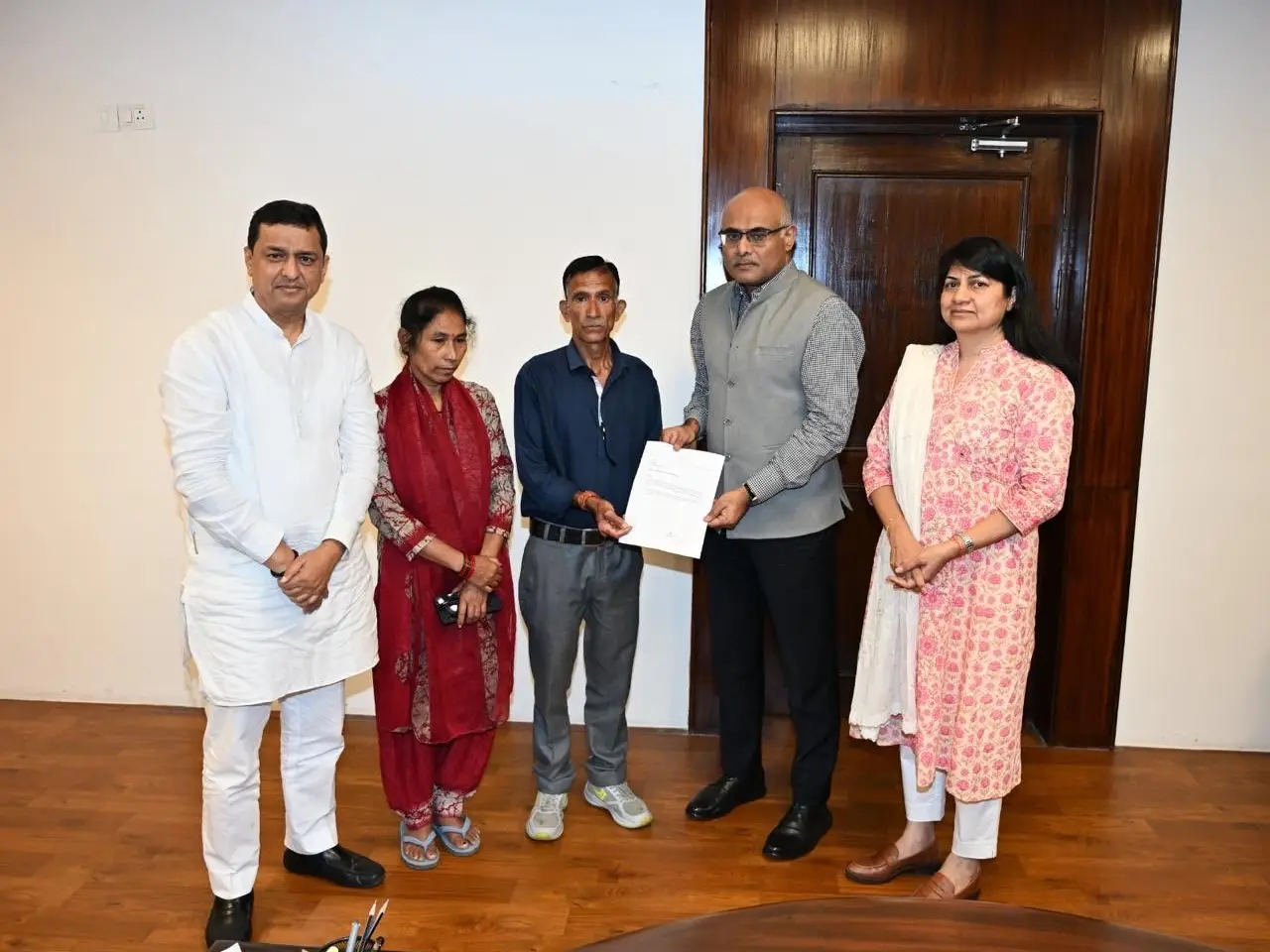
Ankita Bhandari murder case: Parents meet CBI, seek impartial investigation
&imwidth=180&imheight=135&format=webp&quality=medium)
Selma Blair’s team responds to flight incident, says actress ‘did not intend to harm anyone’

US ends automatic work permit extensions; Indian workers lose 540-day safety net: What it means
As per Israeli election rules, publication of surveys are prohibited in theimmediate days before the election. These surveys are not consistently accurate,but influence both politicians and voters.
The far-right Religious Zionism, allied with Netanyahu's coalition, was anticipated to be the third-largest party in the Knesset with 14–15 members, trailing Prime Minister Yair Lapid's Yesh Atid by 24–27 seats.
Religious Zionism, a far-right coalition led by former minister Bezalel Smotrich and including the anti-LGBT Noam faction and MK Itamar Ben Gvir's Otzma Yehudit, has recently risen in the polls, largely at the expense of Likud, though Netanyahu's party has made gains at the expense of its partners in the final weeks leading up to previous elections.
In all three votes, Religious Zionism was followed by National Unity, which won 10–11 seats. Defense Minister Benny Gantz's Blue and White, Justice Minister Gideon Sa'ar's New Hope, and political newcomer Gadi Eisenkot, a former IDF chief of staff like Gantz, make up the center-right slate.
Gantz has promoted himself as a potential prime ministerial candidate, although his chances of putting together a coalition seem to be poor.
Shas and United Torah Judaism, two ultra-Orthodox parties that support Netanyahu, regularly received 8 and 7 seats, respectively, in all three polls.
The religious-right group led by Likud leader Benjamin Netanyahu will come up just short of winning a majority in the 120-seat Knesset, according to all of the final television network surveys conducted prior to the election on November 1.
It was projected that the right-wing secularist Yisrael Beytenu would gain 5–6 seats, followed by the center–left Labor, 5–6; the left–wing Meretz, 4-5; and Ra'am, 4.
All three polls showed that Ayelet Shaked's Jewish Home and the Arab nationalist Balad fell short of the 3.25% electoral threshold, however Balad was placed at 2.7% in the Channel 13 poll.
The upcoming election, the fifth since April 2019, was called following the June breakdown of the power-sharing administration led by then-prime minister Naftali Bennett and Lapid, which had barely managed to remove Netanyahu in June 2021 but had survived for a year.
(With inputs from agencies)
WATCH WION LIVE HERE: