&imwidth=800&imheight=600&format=webp&quality=medium "Is Trump planning Core-5 superclub with India as alternative to G7, sidelining Europe?")
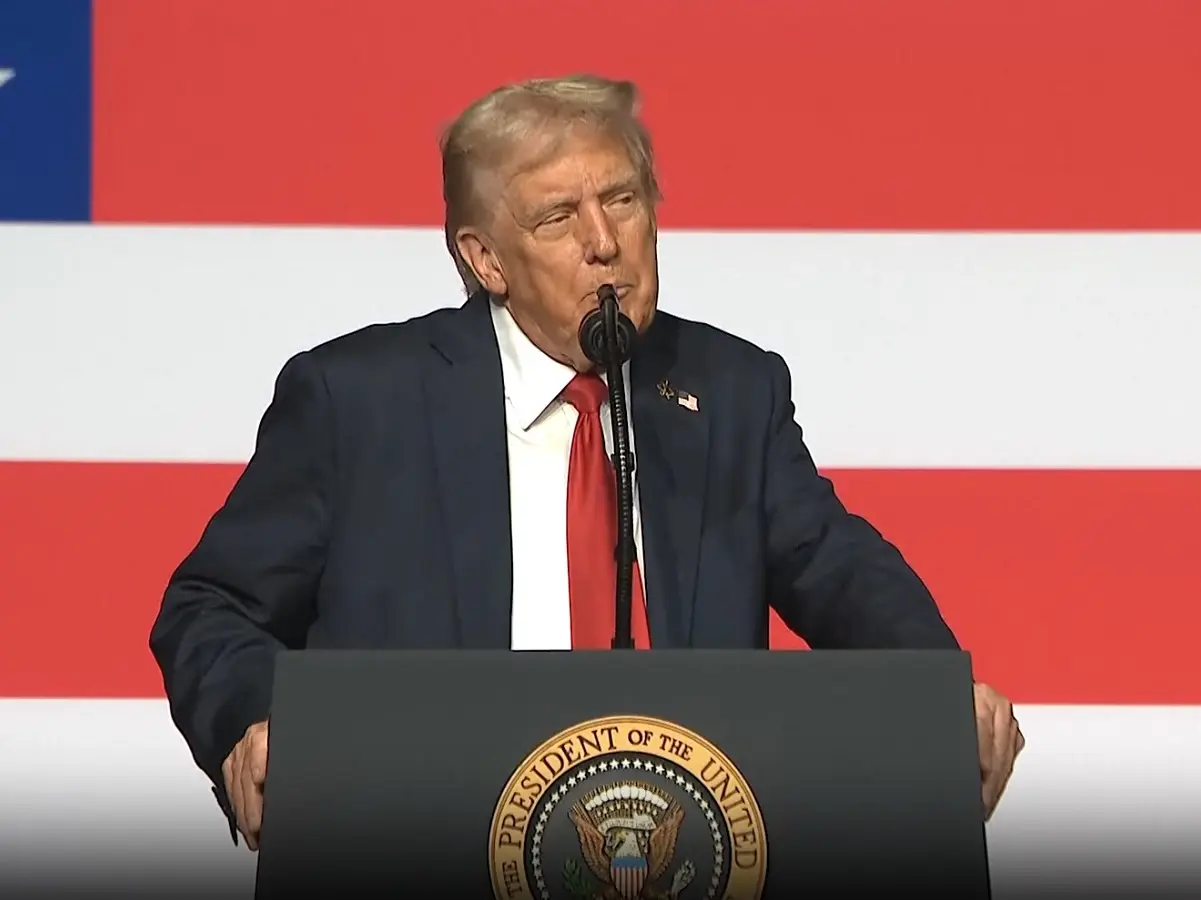
President Donald Trump is reported to be planning a ‘Core-5’ superclub of the US, Russia, China, India, and Japan and is mulling the new grouping of ‘major powers’ as a potential alternative to the G7 (Group of Seven), sidelining Europe, reported Politico, citing Defence One. The Core-5 club could become the most powerful bloc in history and redraw the geopolitical map forever. The reports gain credibility, as Trump had given hints of such a bold geopolitical experiment at the G7 Summit in June this year, suggesting that Russia and China should be part of the bloc. He even went on to claim that it was a “very big mistake” to remove Russia in 2014 after it annexed Crimea. Defence One said the proposal was included in the longer version of the US’s National Security Strategy, but the White House has denied the existence of any unpublished document.
At the G7 Summit, Trump said, “You wouldn’t have a war right now if you had Russia in,” adding that “not having Putin as part of the bloc makes life more complicated”. The thought seems to have spurred Trump into exploring the idea of a five-nation superclub by bringing the US, Russia, China, India, and Japan under one strategic umbrella.

“The strategy proposes a Core 5, or C5, made up of the US, China, Russia, India, and Japan—which are several of the countries with more than 100 million people,” the report said.
Also Read: ‘Brazen attempt to browbeat’: 56 ex-judges slam opposition move to impeach Justice Swaminathan
Even the first agenda of the Core-5 group has been reportedly decided: Middle East security, focusing on normalising relations between Israel and Saudi Arabia. Getting Saudi Arabia to join the Abraham Accords, which normalised diplomatic relations between Israel and some Arab states, is one of Trump’s key goals in his second term. Saudi Arabia is not part of the Abraham Accords, which was signed in 2020 during Trump’s first term.
Trending Stories
)
Did India risk its US trade deal despite softer stance at BRICS?
&im=FitAndFill=(700,400))
How 2nm technology improves iPhone performance
&im=FitAndFill=(700,400))
Shahid Kapoor to Rajkummar Rao: Actors who rule both theatres and OTT
)
First naval drone battle? Ukraine says Sargan 3000 sank Russian unmanned boat
)
BRICS Summit 2026: Trump wants to weaken BRICS, but maybe doing the opposite
&im=FitAndFill=(700,400))
Meet top 5 batters fastest to 3000 runs in T20Is
)
Delhi’s balancing act: BRICS serves as a stage for West Asia diplomacy
&im=FitAndFill=(700,400))
Why European Meteor missiles use ramjet engines compared to standard US solid rockets
)
'He is popular...': Malaysian PM Anwar Ibrahim's praise for PM Modi during bilateral meeting | WATCH
)
Iran, India agree to deepen humanitarian and political ties, President Pezeshkian says
)
‘Want to reset ties with India, have engagement based on mutual interests,’ says Bangladesh minister
)
BRICS Summit 2026: PM Modi, Xi reach key consensus on ties, China to assume BRICS chairmanship in 2027
)
UK breakup on the cards? Scotland, Wales and Northern Ireland push for independence
)
Trump says Canada eager to reach a deal, it could come ‘fairly soon’ if Ottawa treats US farmers better
)
‘Partners, not rivals’: Xi outlines four point plan for stronger India-China ties
&im=FitAndFill=(700,400))
Why Chinese PL-15 air-to-air missiles use dual-pulse motors compared to European interceptors
)
NATO under Russian threat? Drone strikes just 2 km from Poland, narrow escape for former UK PM, CIA chief
)
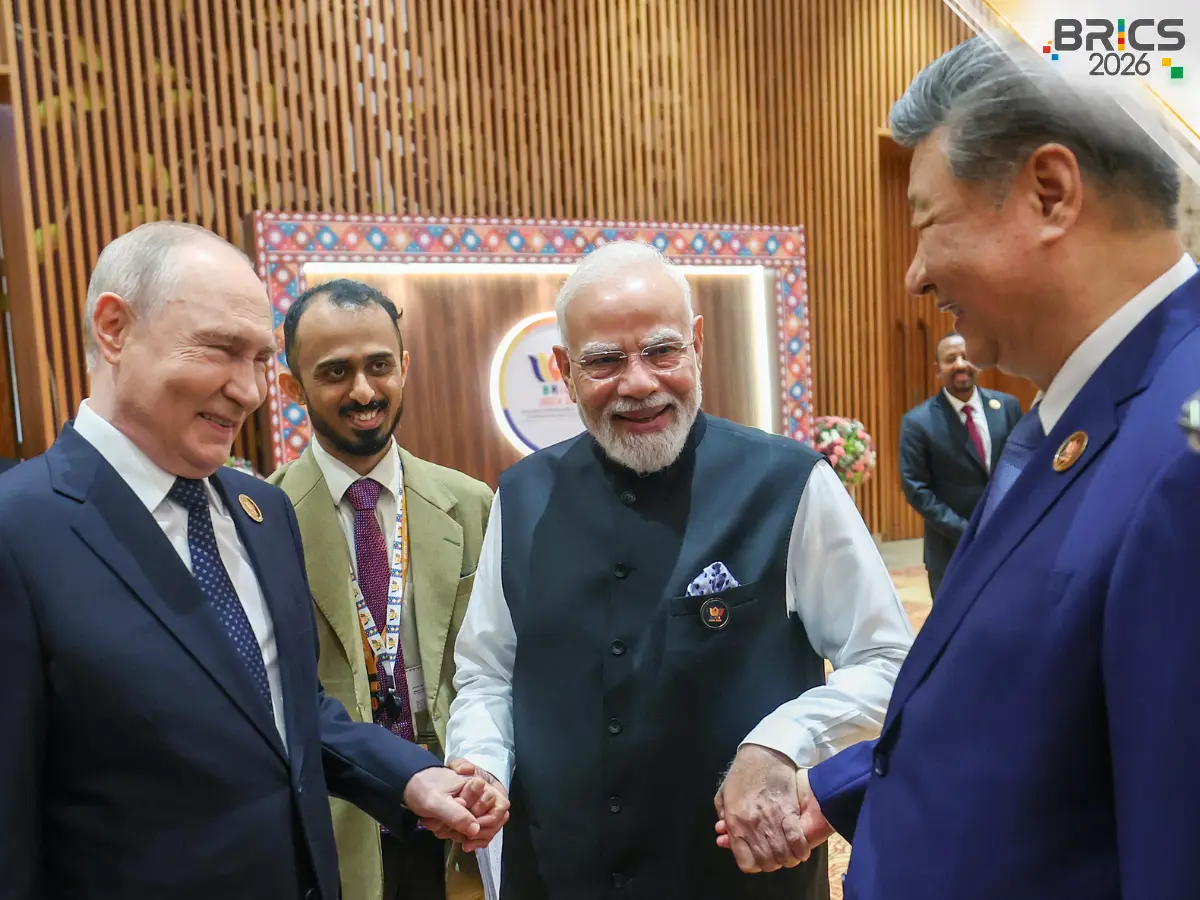
Who is the smiling man beside Modi, Putin and Xi at BRICS Summit 2026?
)
BRICS Summit: New Delhi declaration adopted with full consensus, big diplomatic win for India
)
800 million years old - Scientists discover 'fingerprints' of supercontinent Gondwana in ancient rocks
)
Russian drone hits Warsaw-bound train near Polish border, Zelensky accuses Moscow of ‘deliberate’ targeting
)
War is making Russia stronger? How Ukraine is shaping Moscow’s next generation of weapons
)
Why Xi skipped PM Modi's gala dinner hosted for BRICS leaders
)
NEET-UG to move to computer-based test soon, NTA DG says ‘CBT is the future’
)
9-year-old Chennai prodigy clears Cambridge IGCSE grade 10 exams
)
Indian importers urge Bangladesh to lift export ban on 'Hilsa' fish ahead of Durga Puja
)
Did China give Iran intel before US base strike that killed 3 troops? Trump says, 'You’re right...'
)
Baba Vanga's first prophecy for 2027 is out, and straight out of science fiction
)
Humans may lose control of AI: Anthropic CEO calls for slowdown, Altman, Musk back him
)
US diplomat accused of possessing child abuse images secretly flown out of UK by US Marines
&im=FitAndFill=(700,400))
From Rinku Singh to Mayank Yadav, 5 players dropped from India’s squad for Afghanistan T20Is
)
PM Modi and China's Xi offered to help resolve Russia-Ukraine war: Kremlin
)
Akram, Afridi, Mushtaq tear into PCB after Pakistan’s Test series collapse in UK
Core-5 plan marks major shift in priorities and policy for the US
The proposal of the ‘Core-5’ superclub marks a huge shift in priorities for the US, which has so far relied on its European allies, and pushes towards greater engagement with emerging powers.
Though the ‘Core-5’ proposal was not in the National Security Strategy released by the US on December 5, it did declare the desire to achieve stability in ties with Russia and mentioned contradictions with Europe.
Besides, the ties between the US and India also seem to be easing after initial tensions as PM Narendra Modi held his third phone call with Trump on Thursday in recent months, and described them as “very warm”.
Trump had slapped India with the highest tariff of 50%, citing New Delhi’s continued purchase of Russian oil, souring ties between the two nations.
The Core-5 would not have the G7 requirement of the countries being both wealthy and democratically governed.