Iran welcomes Saudi Arabia's 'change of tone', sees 'new era of cooperation'

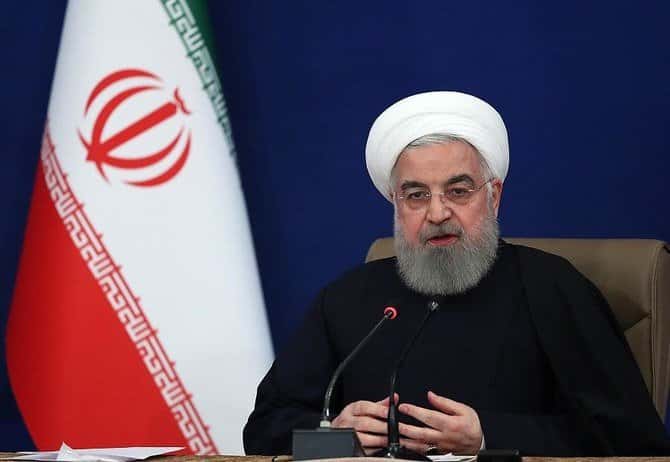
Rouhani
Iran on Thursday welcomed a "change of tone" from Saudi Arabia that could clear the way to a new era of cooperation between the rival regional powers.
Tensions between Riyadh and Tehran have festered over the Yemen war, where anIran-aligned group has increased attacks on Saudi Arabia even as the kingdom tried to lure foreign investment. Strains between the two Gulf powerhouses also grew after a 2019 assault on Saudi oil plants that Riyadh blamed onIran, a charge Tehran denies.

The Islamic republic has been "a pioneer on the path to regional cooperation and welcomes the change of tone from Saudi Arabia", said foreign ministry spokesman Saeed Khatibzadeh.
While reiterating that Riyadh has a problem withIran's "negative behaviour", Crown Prince Mohammed bin Salman had said in an interview aired late on Tuesday that Sunni Muslim Saudi Arabia wanted a good relationship with Shi'iteIran.
"We do not want forIranto be in a difficult situation, on the contrary we wantIranto prosper and grow. We have interests inIranand they have interests in the Kingdom to propel the region and the world to growth and prosperity," he said.
)
Gaza under attack: Health chief's son killed in IDF strikes
)
Iran sets 7 conditions to end war with US: What are Tehran’s demands?
)
Nigeria: Protesters take to the streets, police fire shots
)
‘End of my career...’: NSA Doval recalls tense Sikkim mission when China captured Indian intelligence team
)
Flying cars in UAE: Ras Al Khaimah signs deal with Chinese company to test new transport
)
Kampala-Ankara rift deepens: Uganda suspends military ties, seeks Fred Lumbuye's extradition
)
Trump 2.0: Dark days ahead for America’s ‘imperial presidency’
66 years of the Indus Waters Treaty: How India and Pakistan settled a bitter river dispute
&im=FitAndFill=(700,400))
‘Not the US or China’: These are the countries leading the world in arable land
)
Arvind Kejriwal, family members, Delhi CM Rekha Gupta get SIR notices
)
Mark Carney mimics Trump in hilarious moment over C$70 billion clean-energy investment; room erupts in laughter
&im=FitAndFill=(700,400))
Meet top 5 Indian batters with fastest T20I centuries
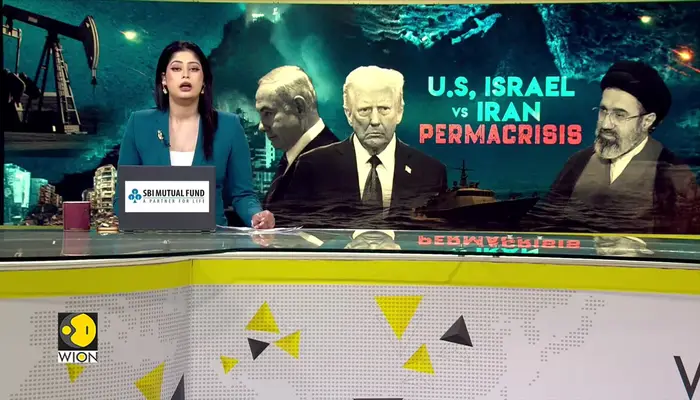)
US-Iran war: Tehran draws red lines — seven demands before any peace talks
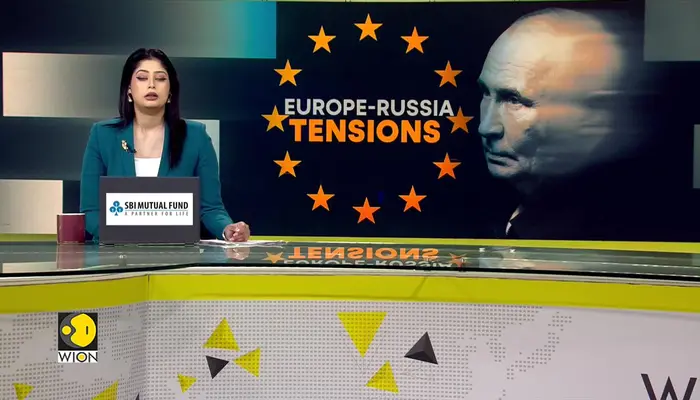)
Russia-Europe tensions: Polish PM warns Russian attacks could test NATO's unity
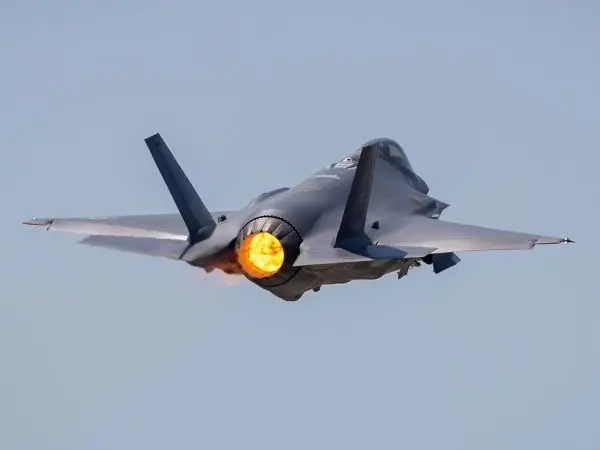)
China may have gained access to US's classified F-35 jets; parts meant for repairs diverted to Hong Kong, sparking Pentagon inquiry
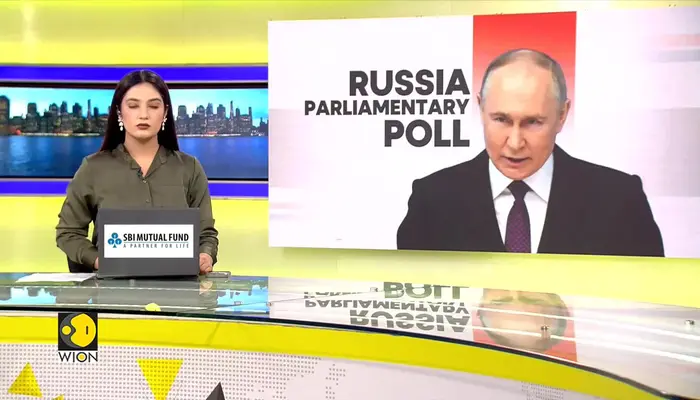)
Russia holds first parliamentary elections since the beginning of the Ukraine war
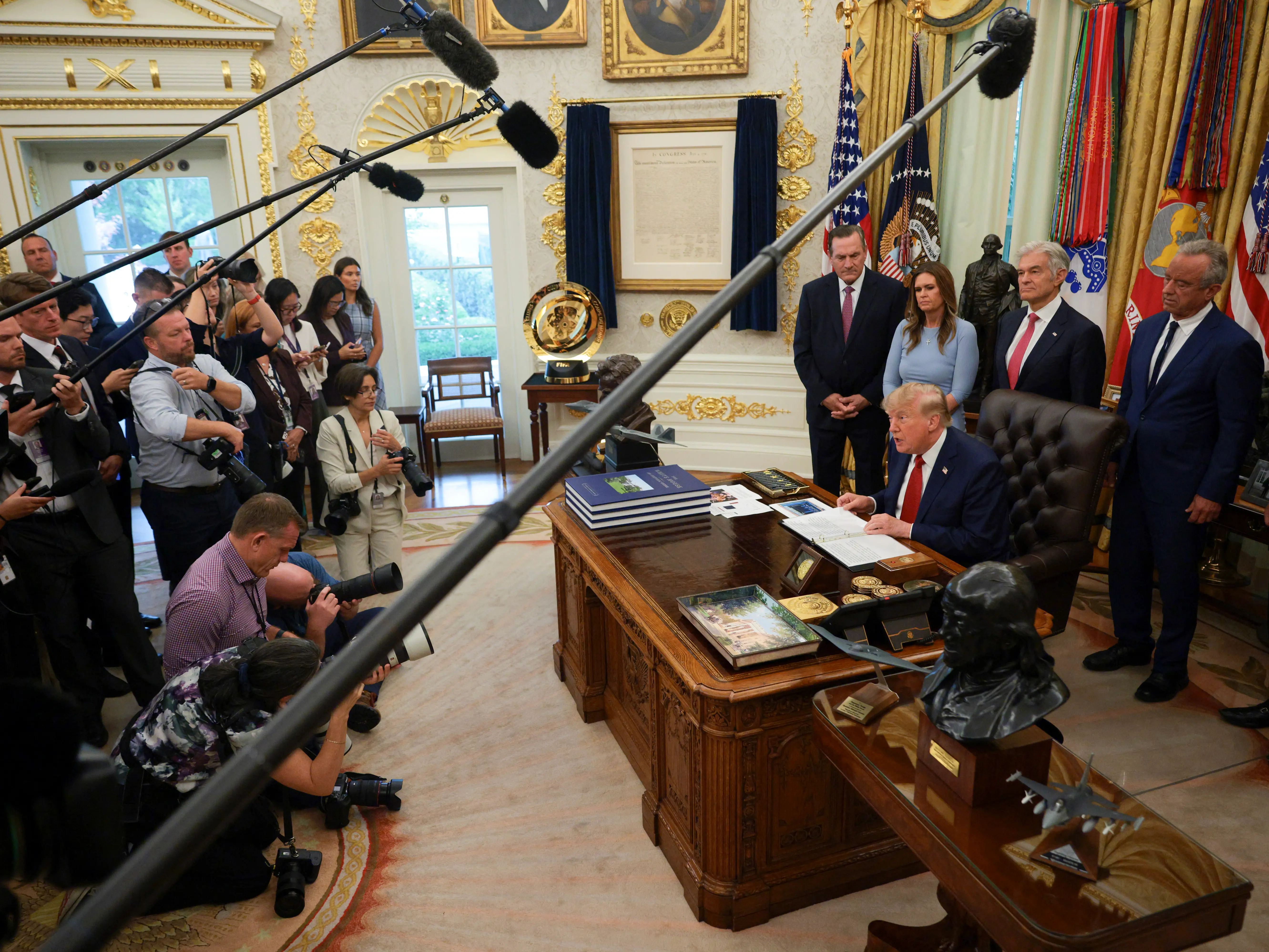)
Trump bans CNN, MS NOW and Politico from White House over ‘FAKE NEWS’
)
9 women found dead near Johannesburg: South Africans rally, demand 'enough' to femicide
)
Harry Brook targets long reign at top of T20I rankings after Sri Lanka sweep
)
Delhi voter roll shake-up: 3.31 million electors flagged in SIR review
Russia attacks Ukraine with 174 drones, kills 8; 2 vessels hit in Black Sea
)
Cochin shipyard starts building Indian Navy's next-gen missile vessels
)
Ed Sheeran addresses Macklemore's removal, Gaza conflict during Philadelphia concert: 'I cannot hide how I feel'
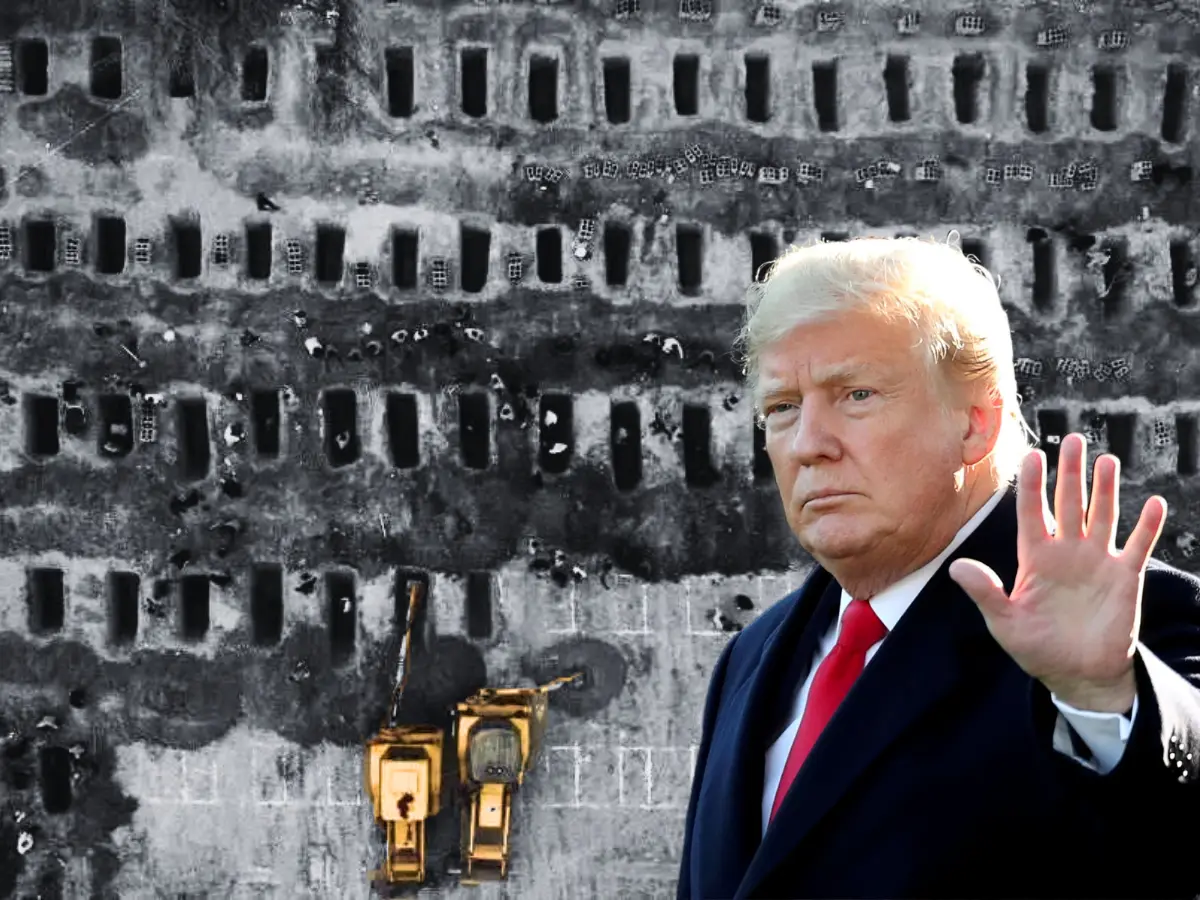)
The Verdict | When precision fails: US commits war crime in Minab school strike, UN finds
)
Trump defends AI amid growing alarm, announces new 'AI force' and promises an 'AI czar'
)
US-Iran war: Tehran sets seven conditions to re-engage in talks with US
)
Trump wants to rename ‘Artificial Intelligence’, gives 3 options: Which one would you pick?
)
Trump announces ‘AI Force’ as debate grows over AI risks and regulation
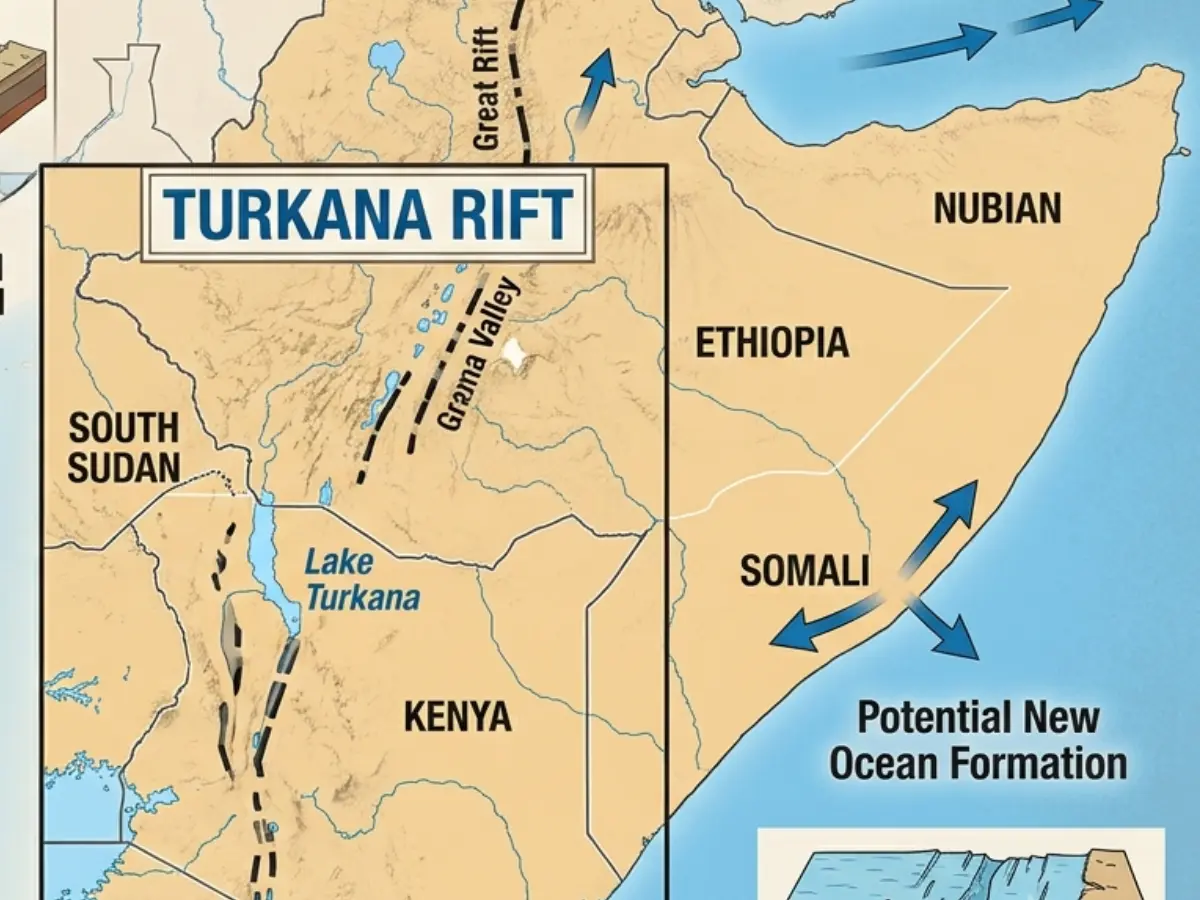)
Africa is splitting, and a lot sooner than estimated, giving way to a new ocean
)
Report: Iran rebuilding Taleghan 2, nuclear site tied to past weapons research, hit twice by Israel
)
EXCLUSIVE | Singer Hanita Bhambri on her Toxic debut, working with Vishal Mishra and more
)
Reacher star Alan Ritchson opens up about alleged blackmail, suicide attempt during difficult period
&im=FitAndFill=(700,400))
How many F-35s does Britain, Japan and Israel have?
)
Raphinha hat-trick powers Barcelona to 3-1 win over Sevilla in La Liga
)
Aravana prasadam shortage at Sabarimala temple in Kerala triggers protests, TDB questioned
)
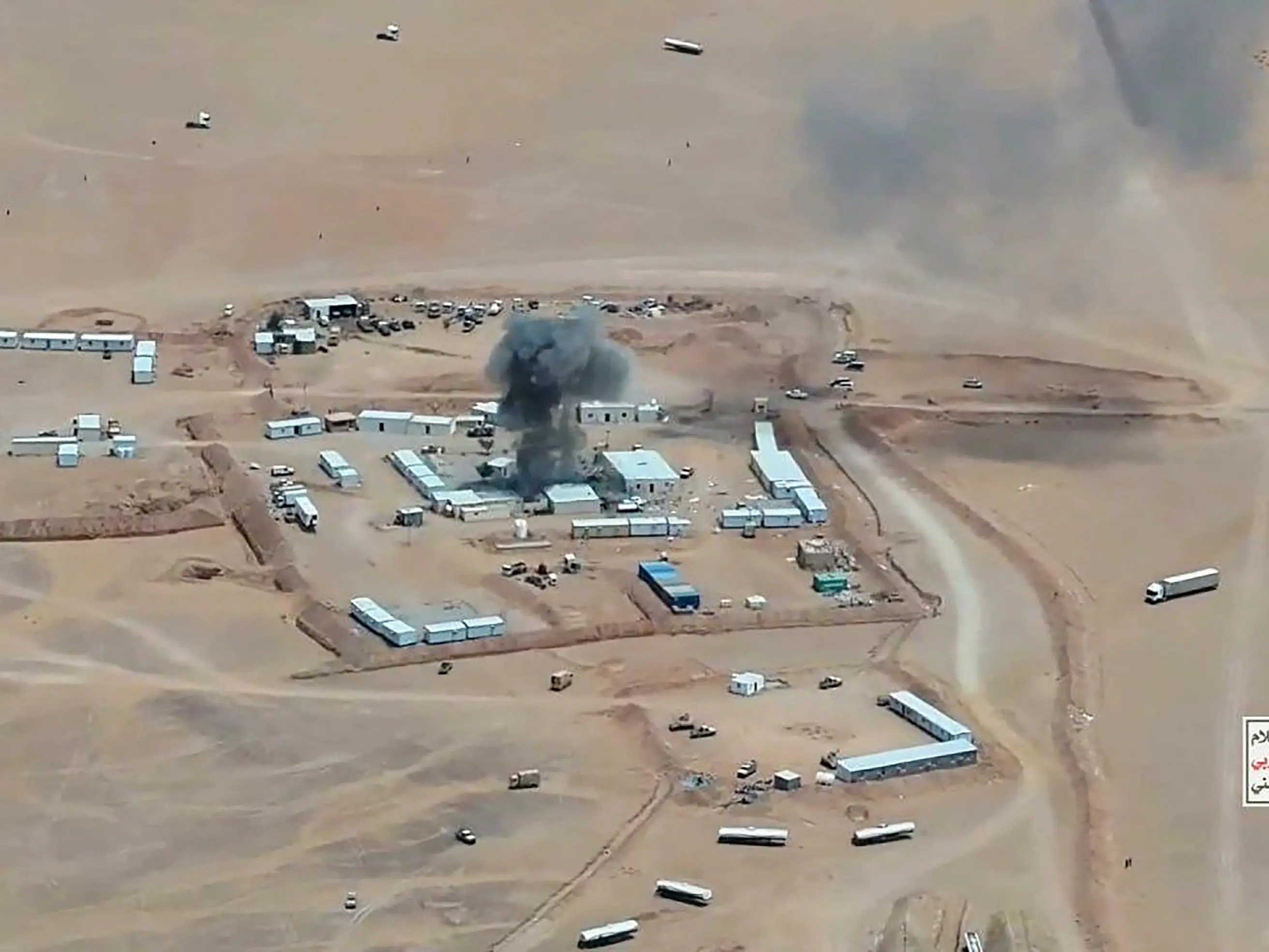
Saudi vs Houthis: Houthis claim missiles & drones used in attack on key Saudi sites
)
‘Will go to any extent’: Pakistan vows to defend Saudi Arabia amid Houthi attacks
)
Russia's deadly Ukraine strikes kill 2 in Sumy, hit Dnipro mall
)
)
Khatibzadeh, in a statement, said that "by adopting constructive stances... the two countries... can enter a new chapter of interaction and cooperation to reach peace, stability and regional development, by overcoming differences".
The neighbouring countries, lockedin a fierce struggle for regionaldominance, cut ties in 2016 after Iranian protesters attacked Saudi diplomatic missions following the kingdom's execution of a revered Shiite cleric.
The Saudi crown prince has previously lashed out at Tehran, accusing it of fuelling regional insecurity.
The talks in Baghdad, facilitated by Iraqi Prime Minister Mustafa al-Kadhemi, remained secret until the Financial Times reported that a first meeting was held on April 9.
An Iraqi government official confirmed the talks to AFP, while a Western diplomat said he had been "briefed in advance" about the effort to "broker a better relationship and decrease tensions".
Riyadh has officially denied the talks in its state-backed media, while Tehran has stayed mum, asserting it has "always welcomed" dialogue with Saudi Arabia.
The initiative comes at a time of shifting power dynamics, as US President Joe Biden seeks to revive the tattered 2015 nuclear deal that was abandoned by Donald Trump.
Saudi Arabia and Iran have backed opposite sides of several regional conflicts, from Syria to Yemen, where a Saudi-led coalition is fighting the Huthi rebels.
Iran supports the Huthi rebels, who are battling the Saudi-led military coalition that intervened in Yemen's war in 2015.
The rebels have also stepped up drone and missile strikes on Saudi targets, including its oil facilities.
In his interview, Prince Mohammed renewed calls for a ceasefire and negotiations with the rebels.
A day later, Iran's Foreign Minister Mohammad Javad Zarif met the Yemeni rebel spokesman in Oman, reiterating Tehran's support for a ceasefire and a return to talks to end the country's conflict.
At the talks with Huthi spokesman Mohammed Abdul Salam, Zarif "once again stressed our country's view regarding the political solution being the only solution to the crisis of Yemen", the Iranian foreign ministry said.
On Thursday, Zarif tweeted of what he called "good signs" at the end of a Gulf tour.
(With inputs from agencies)