Iran-US peace deal: Where are the $100 billion Iranian frozen assets? The Big Question

&imwidth=600&imheight=450&format=webp&quality=medium "Iran-US peace deal: Where are the $100 billion Iranian frozen assets? The Big Question")
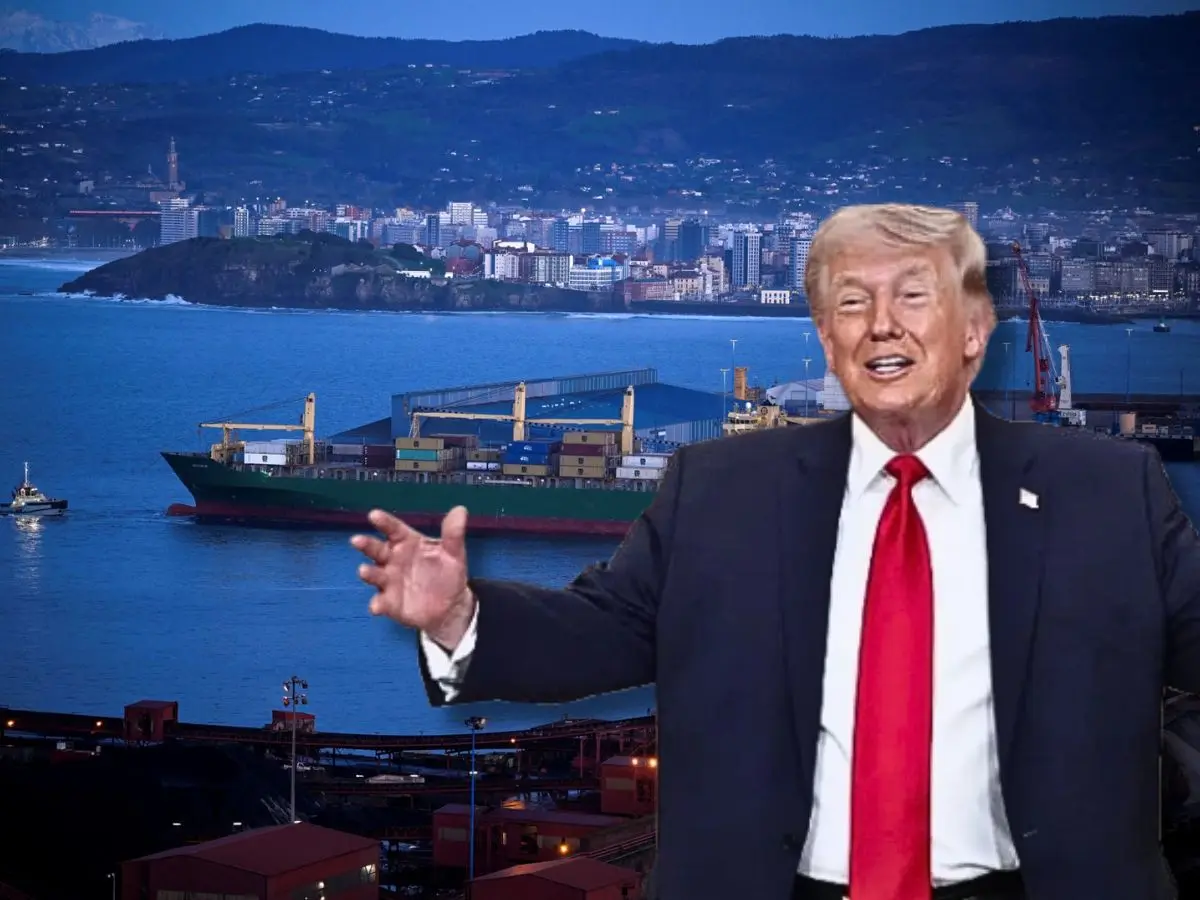
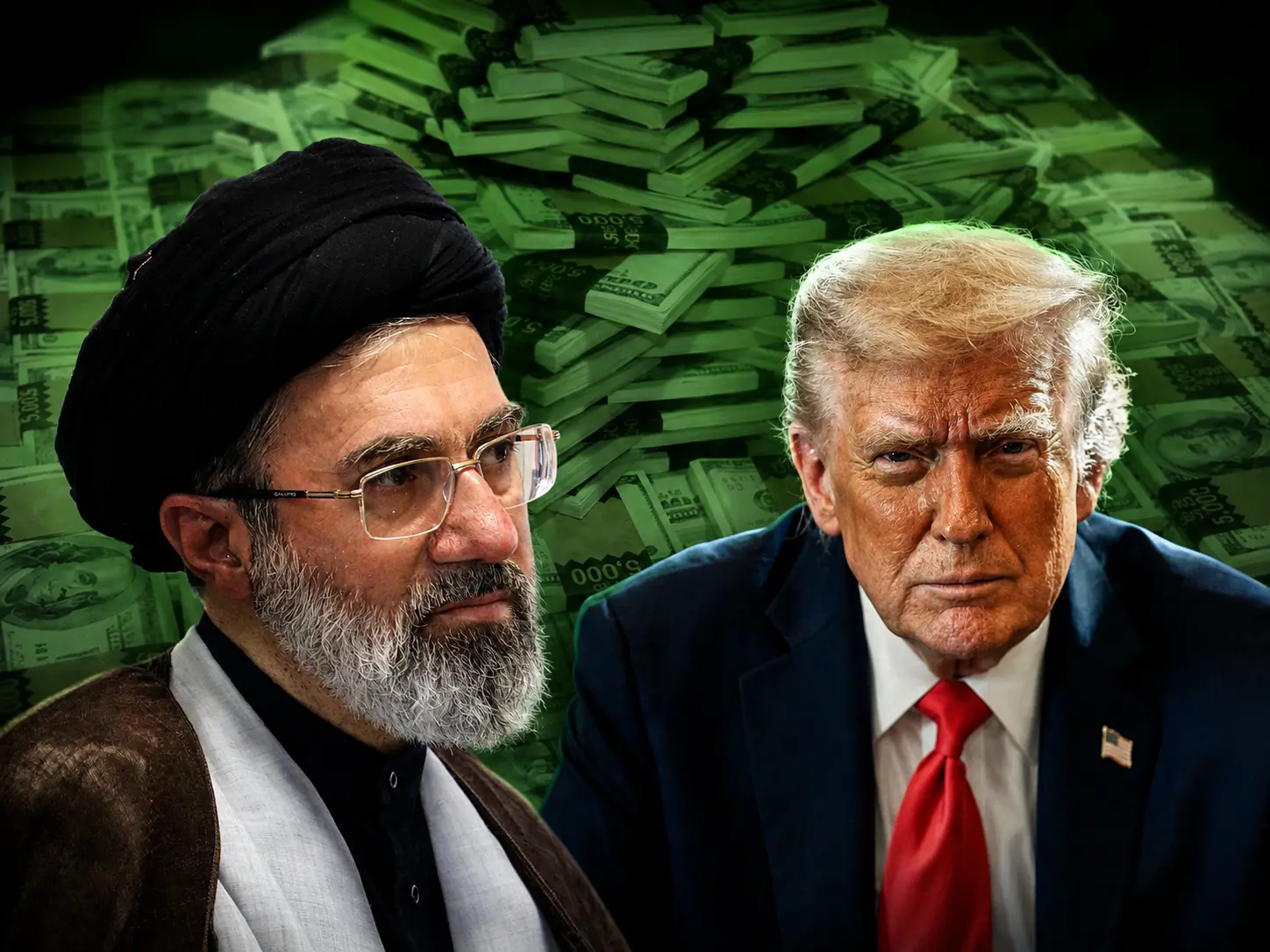
Iran appears to be saying, 'show me the money'. But will the US and Israel relent on unfreezing of funds? Photograph: (Others)
The proposed Iran-US peace accord could unlock billions in frozen Iranian assets. While there are contradictory reports on whether and when $24 billion will be released, the actual Iranian frozen assets could run into $100 billion or more. Where is the money?
The Iran-US peace deal reportedly includes unfreezing around $12 billion in Iranian assets initially, and the same amount later. The peace accord announced on Sunday (Jun 14) is set to be signed on Friday in Switzerland, possibly electronically by US President Donald Trump or Vice President JD Vance with top Iranian officials. Iranian and Israeli media reports said the 14-point Memorandum of Understanding would pave the way for releasing $24 billion in frozen Iranian assets over a 60-day negotiation window, half of which would be unfrozen before the signing. Iran said nuclear talks would begin only after funds are released, but a US official rejected this. The overall amount of frozen Iranian assets runs up to $100 billion or possibly more, as per the reporting over the years. Where is this money? Why was it frozen? Here is what we know, based on these reports:
What is the total of Iranian frozen assets in the world?
Iran's total frozen or restricted assets abroad are estimated at around $100 billion. This includes oil revenues in restricted accounts, foreign exchange reserves, banking assets, and other claims. The freezes trace back to multiple waves of mainly US-led sanctions since 1979. It is not yet clear which assets are in the latest release plan, if at all they are unfrozen.
Freezing of Iranian assets dates back to the 1970s
The first major freeze followed the Islamic Revolution in Iran and the US embassy hostage crisis. On 14 November 1979, the then-president Jimmy Carter blocked Iranian government assets under US jurisdiction after Iranian revolutionaries seized the US embassy in Tehran on 4 November. The crisis lasted 444 days, in which 52 Americans were held captive. In 1980 dollar-value terms, nearly $12 billion in Iranian government assets were frozen at the time, mostly in US banks. These included reserves, gold, and other holdings. Most of these were released under the 1981 Algiers Accords, which ended the hostage crisis. Some claims dragged on for decades through bodies such as the Iran-US Claims Tribunal.
Trending Stories
)
)
)
)
)
&im=FitAndFill=(700,400))
&im=FitAndFill=(700,400))
)
)
)
)
)
)
)
)
)
)
)
)
)
)
)
)
)
)
)
)
)
)
)
)
)
)
)
)
)
)
)
)
Also read: After ceasefire, Iran reveals roadmap to final US agreement and possible $24 billion payout
Most assets frozen today stem from sanctions imposed after 2018
Much of the money discussed today is linked to 2018 when, in his first term, President Donald Trump withdrew the US from the 2015 nuclear deal, or JCPOA, signed under Barack Obama. These aimed to curb Iran's nuclear and missile programmes and its regional influence by cutting its oil income. Past releases — in 2015–16 under the JCPOA and a 2023 swap — were temporary and conditional, usually tied to diplomacy.
These renewed sanctions cut Iran's access to oil revenues and foreign banking channels. The frozen funds include oil payments held in foreign banks that could not be freely transferred to Iran.
Trump's "maximum pressure" campaign brought sweeping sanctions, including secondary sanctions on third countries and banks dealing with Iran. More Iranian-linked funds were restricted over Iran's support of regional proxies and alleged human rights violations.
Also read: 'Enemy had no choice but surrender': Iran claims victory as US agrees to 'permanently' end war
How third countries dealt with Iran's frozen assets
Countries such as South Korea, Japan, India, and others kept buying limited Iranian oil, sometimes under waivers. But US sanctions blocked direct payment to Iran. So banks in these countries held Iranian funds in escrow or restricted accounts, often in local currencies, to avoid US penalties. Only a portion of that has been unfrozen so far.
The first phase of the reported MoU involves around $12 billion, largely Iranian money held in foreign financial institutions, including Qatar. A separate pool is the roughly $6 billion moved from South Korea to Qatar in 2023 in a US-Iran prisoner swap. Those funds stayed heavily restricted for humanitarian use in Iran, under US oversight.
Iran's access to the Qatar funds was blocked after the 7 October 2023 Hamas attack on Israel and the war that followed. The US feared the money could indirectly support Iran-linked activities.
India, China, Japan and Iraq hold oil and gas payment backlogs post-2018
As mentioned, South Korea once held around $6 billion, transferred to Qatar in 2023. India is estimated to hold around $7 billion in Iranian-linked funds. Chinese banks owe Iran tens of billions, though these are generally called restricted rather than frozen. Smaller amounts sit in Japan, Luxembourg, and other European jurisdictions. Some of these have featured in legal disputes unrelated to the nuclear talks, including terrorism-related claims. Iraq's outstanding payments for Iranian energy and electricity could also come into focus if restrictions ease. Some Iran trade funds have previously been routed through Oman for humanitarian purposes.