Iran pushes back after Vance remark, cites record of ‘good faith’ on nuclear issue. Details inside

&imwidth=600&imheight=450&format=webp&quality=medium "Iran pushes back after Vance remark, cites record of ‘good faith’ on nuclear issue. Details inside")
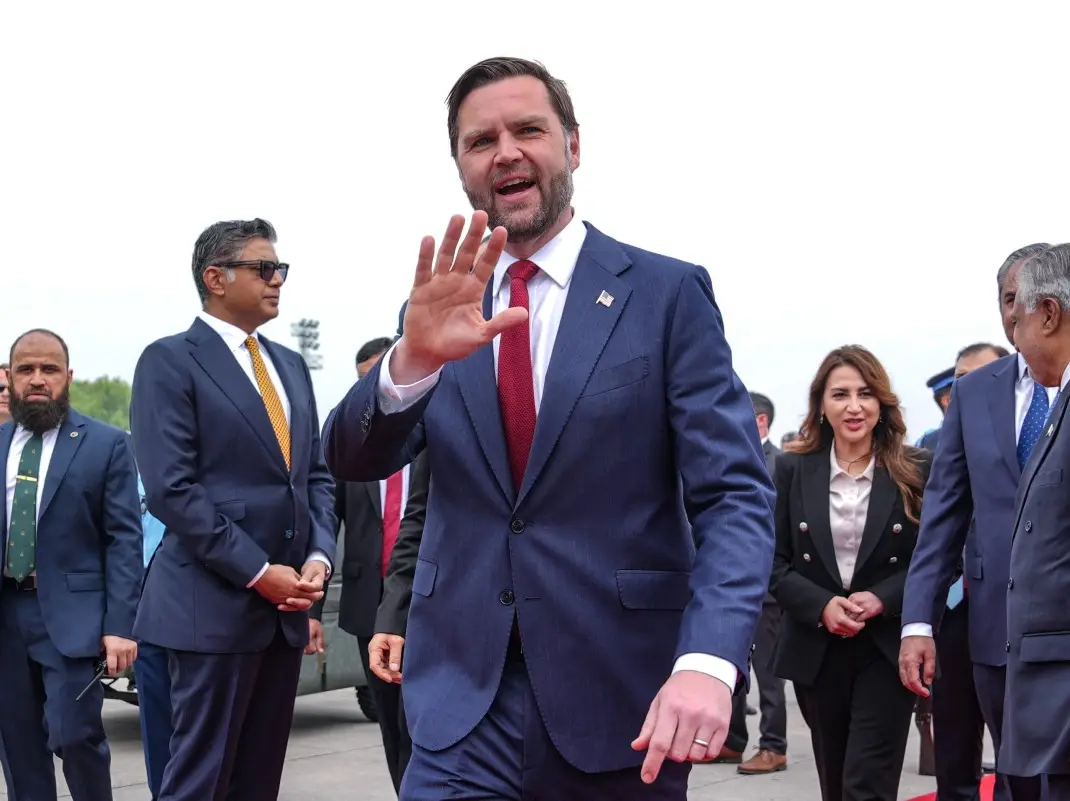
US Vice President JD Vance in Islamabad Photograph: (AFP)
Iran rejected JD Vance’s claim, citing the Joint Comprehensive Plan of Action, IAEA cooperation, Oman talks, and intelligence reports to assert it is not pursuing nuclear weapons.
Iran has mounted a sharp rebuttal to comments by US Vice President JD Vance, who said Washington had “not heard a positive Iranian commitment regarding nuclear weapons”, by publicly listing what it described as years of constructive engagement and restraint. In a post shared by the Iranian embassy in Japan on X, Tehran pointed to a series of diplomatic efforts and international assessments that, it argued, demonstrate its willingness to resolve the long-running nuclear dispute.
At the centre of Iran’s response was the 2015 Joint Comprehensive Plan of Action, widely known as the JCPOA, which Tehran described as a “functioning deal” that was unilaterally abandoned by the United States. Iran has long maintained that the collapse of the agreement undermined trust and derailed a workable framework for limiting its nuclear activities in exchange for sanctions relief.
The embassy also highlighted what it called Iran’s “good faith” efforts in 2025, claiming that it had shown clear intent to conclude negotiations with Washington in June that year. According to the statement, those efforts were disrupted by what it termed a “war of aggression” involving the United States and Israel, a claim that reflects Tehran’s broader narrative around recent regional tensions.
Iran further underscored its continued engagement with the International Atomic Energy Agency, citing ongoing cooperation and references to arrangements such as the Cairo Agreement. It is alleged that European parties ultimately failed to sustain those initiatives, contributing to diplomatic setbacks.
Another key point raised was Iran’s participation in talks mediated by Oman. The embassy said negotiations had come close to a breakthrough, citing remarks by Omani officials, before collapsing. It added that the Director General of the IAEA had been involved and that both sides were expected to meet at the agency’s headquarters to finalise a framework before the process unravelled.
Trending Stories
&im=FitAndFill=(700,400)&imwidth=280&imheight=210&format=webp&quality=medium)
&imwidth=280&imheight=210&format=webp&quality=medium)
&imwidth=280&imheight=210&format=webp&quality=medium)
&imwidth=280&imheight=210&format=webp&quality=medium)
&im=FitAndFill=(700,400)&imwidth=280&imheight=210&format=webp&quality=medium)
&imwidth=280&imheight=210&format=webp&quality=medium)
&imwidth=280&imheight=210&format=webp&quality=medium)
&imwidth=280&imheight=210&format=webp&quality=medium)
&imwidth=280&imheight=210&format=webp&quality=medium)
&imwidth=280&imheight=210&format=webp&quality=medium)
&imwidth=280&imheight=210&format=webp&quality=medium)
&imwidth=280&imheight=210&format=webp&quality=medium)
&imwidth=280&imheight=210&format=webp&quality=medium)
&imwidth=280&imheight=210&format=webp&quality=medium)
&imwidth=280&imheight=210&format=webp&quality=medium)
&imwidth=280&imheight=210&format=webp&quality=medium)
&imwidth=280&imheight=210&format=webp&quality=medium)
&imwidth=280&imheight=210&format=webp&quality=medium)
&imwidth=280&imheight=210&format=webp&quality=medium)
&imwidth=280&imheight=210&format=webp&quality=medium)
&imwidth=280&imheight=210&format=webp&quality=medium)
&imwidth=280&imheight=210&format=webp&quality=medium)
&imwidth=280&imheight=210&format=webp&quality=medium)
&imwidth=280&imheight=210&format=webp&quality=medium)
&imwidth=280&imheight=210&format=webp&quality=medium)
&imwidth=280&imheight=210&format=webp&quality=medium)
&imwidth=280&imheight=210&format=webp&quality=medium)
&imwidth=280&imheight=210&format=webp&quality=medium)
&imwidth=280&imheight=210&format=webp&quality=medium)
&imwidth=280&imheight=210&format=webp&quality=medium)
&imwidth=280&imheight=210&format=webp&quality=medium)
&imwidth=280&imheight=210&format=webp&quality=medium)
&imwidth=280&imheight=210&format=webp&quality=medium)
&imwidth=280&imheight=210&format=webp&quality=medium)
&imwidth=280&imheight=210&format=webp&quality=medium)
Tehran also pointed to repeated assessments by the IAEA, asserting that the agency has not concluded that Iran is developing a nuclear weapon. In addition, it referenced findings by US intelligence agencies, including National Intelligence Estimates, which it said indicate Iran is not actively pursuing nuclear arms.
Also read: Caught in the Middle: Pakistan’s worst-case scenario unfolds after US-Iran talks collapse
In a further attempt to bolster its position, Iran cited a longstanding religious decree, or fatwa, issued by its late Supreme Leader prohibiting the development and use of nuclear weapons. Iranian officials have consistently argued that this doctrine forms a core part of the country’s defence policy.

