Iran FM says ‘no problem’ with Supreme Leader after US 'disfigured' claim

&imwidth=600&imheight=450&format=webp&quality=medium "Iran FM says ‘no problem’ with Supreme Leader after US 'disfigured' claim")
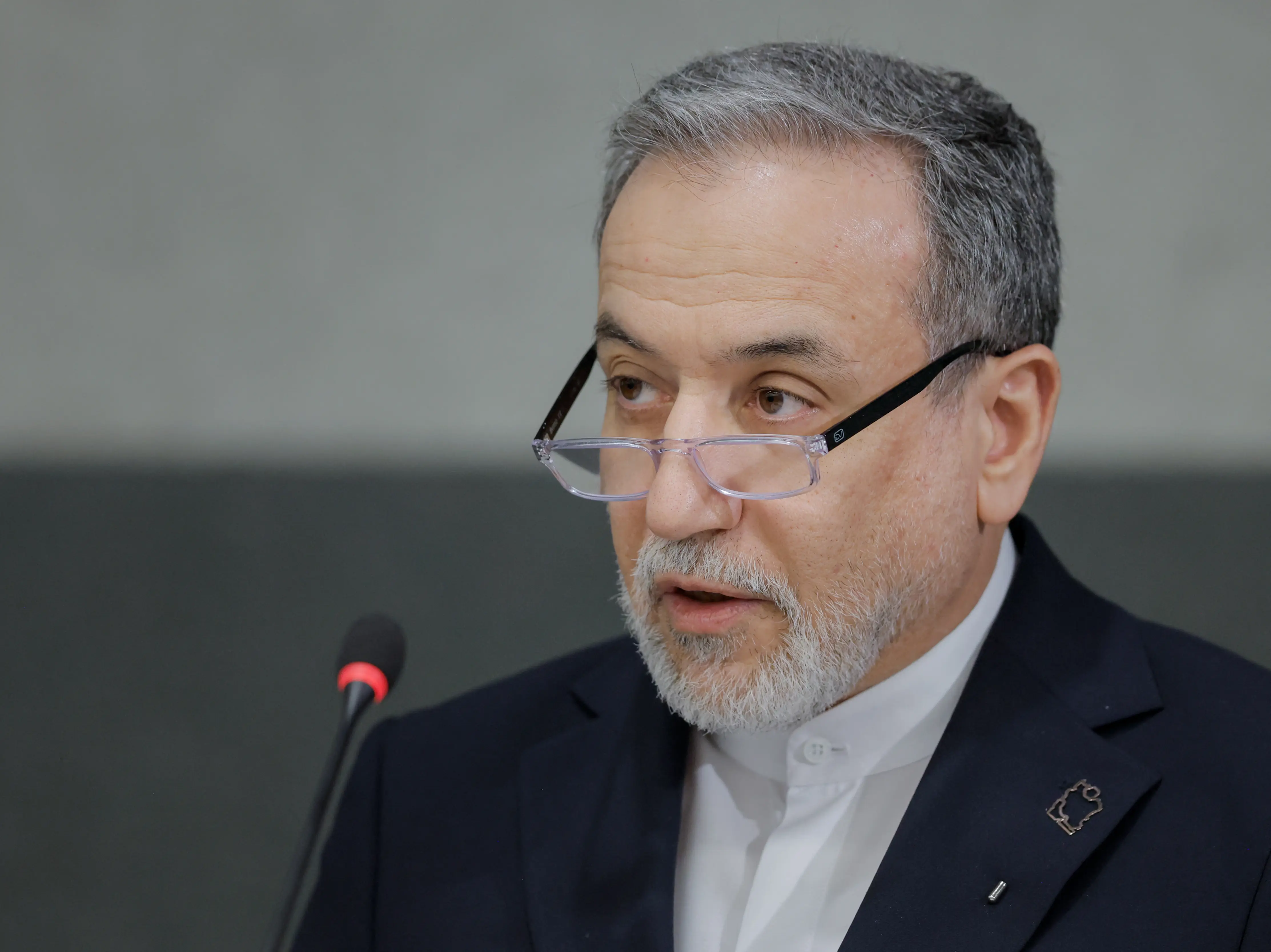
Iran's Foreign Minister Abbas Araghchi delivers a speech during a session of the United Nations Conference on Disarmament, on the sideline of a second round of US-Iranian talks Photograph: (AFP (File Photo)
These remarks from the Iranian foreign minister come after US Secretary of War Pete Hegseth on Friday claimed, “We know the new so-called, not-so-supreme leader (Mojtaba Khamenei) is wounded and likely disfigured.”
Iran's Foreign Minister Abbas Araghchi on Saturday said that there was "no problem" with the Islamic Republic's new Supreme Leader, Mojtaba Khamenei, after US officials claimed that he had been wounded. "There is no problem with the new supreme leader. He sent his message yesterday, and he will perform his duties," Araghchi told MSNBC's Ayman Mohyeldin, AFP reported.
These remarks from the Iranian foreign minister come after US Secretary of War Pete Hegseth on Friday claimed, “Iranian leadership are desperate and hiding, gone underground, like that rat used to do.”
He added that “We know the new so-called, not-so-supreme leader (Mojtaba Khamenei) is wounded and likely disfigured.”
Hegseth also declared that “the USA is decimating the Iranian regime,” as the combination of two of the world’s most powerful air forces struck 15,000 enemy targets since the beginning of operations in West Asia.
Also Read: 'Media wants US to lose war': Trump accuses media of ‘misleading’ coverage of West Asia war
In a display of defiance, Iran's state media released footage of top leaders walking the streets and joining the Quds Day protest in Tehran, moments after Hegseth, in a press briefing, claimed that the Iranian leadership had “gone underground” and were “cowering like rats.”
Trending Stories
&im=FitAndFill=(700,400))
)
)
)
)
)
)
)
)
)
)
)
)
)
)
)
)
)
)
)
)
)
)
)
)
)
)
)
)
)
&im=FitAndFill=(700,400))
)
)
)
)
The high-definition, real-time broadcast, refuting Hegseth’s assertion that the Iranian regime had lost the capability to communicate or coordinate, featured President Masoud Pezeshkian, the leading political figure of the country, seen greeting supporters and taking selfies on the rain-spattered streets in Tehran.
These developments come as the war in West Asia entered its 15th day, after joint US-Israeli strikes on February 28 targeted the top leadership of Iran, assassinating Supreme Leader Ayatollah Ali Khamenei on the opening day of the military campaign.
In retaliation, Iran launched missile and drone attacks on US bases across the region and announced the effective closure of the Strait of Hormuz, which accounts for nearly 20 per cent of global oil shipping. The move led to a sharp rise in energy prices, with crude crossing $100 per barrel.
Amid mounting pressure from rising oil prices, Trump on Friday ordered massive strikes on Kharg Island, Iran's critical oil export hub, to push Tehran to reopen the Strait of Hormuz.
(Disclaimer: WION takes utmost care to accurately and responsibly report ongoing conflicts in West Asia involving Israel, Iran, US, Gulf nations and non-state actors like Hezbollah, Hamas, Houthis, Islamic State, and others. Claims and counterclaims, disinformation and misinformation are being made online and offline. Given this context, WION cannot independently verify the authenticity of all statements, social media posts, photos and videos.)