India will pursue new trade deals with 'people-centric vision', says EAM Dr S Jaishankar

&imwidth=600&imheight=450&format=webp&quality=medium "India will pursue new trade deals with 'people-centric vision', says EAM Dr S Jaishankar")
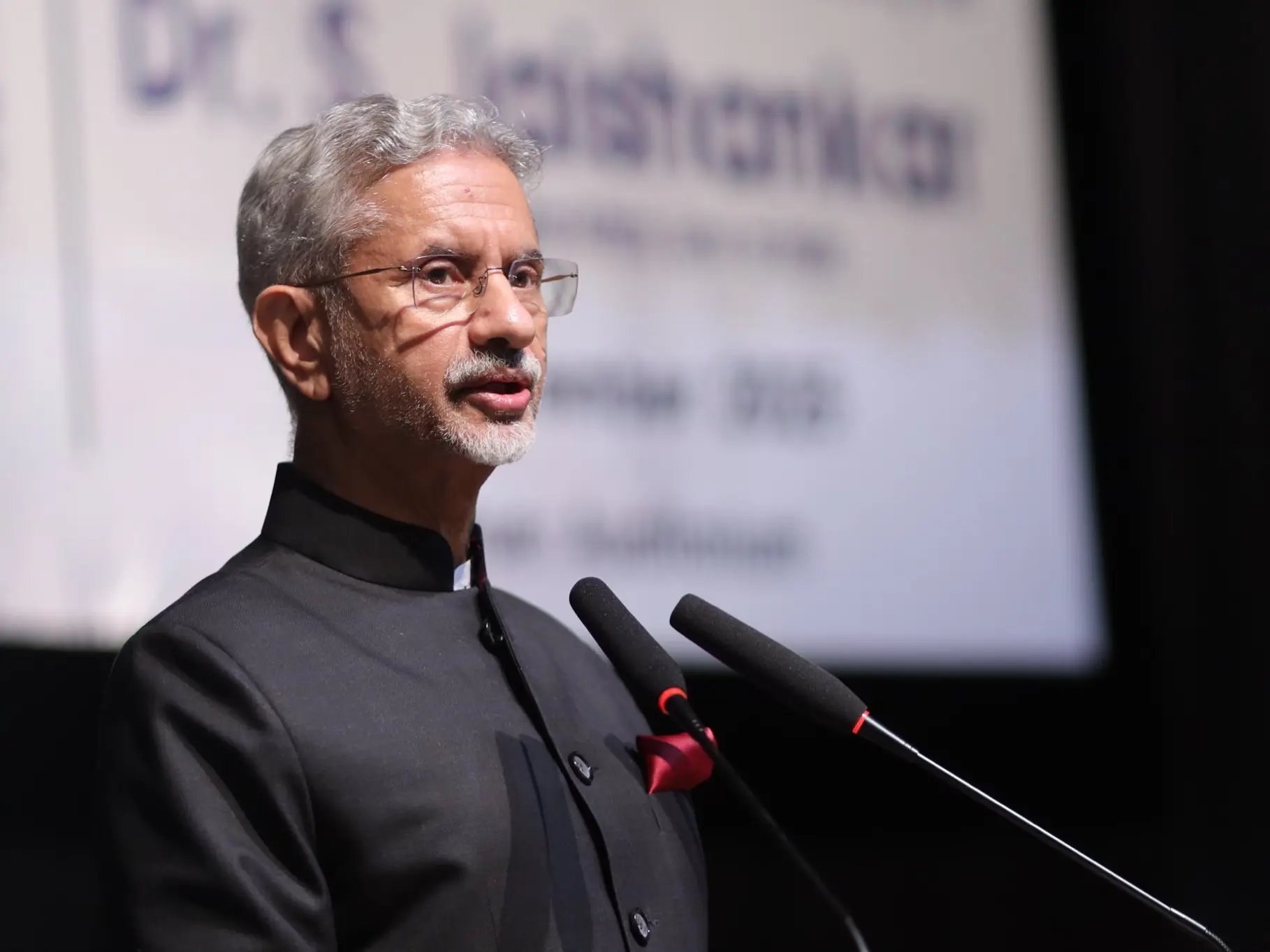
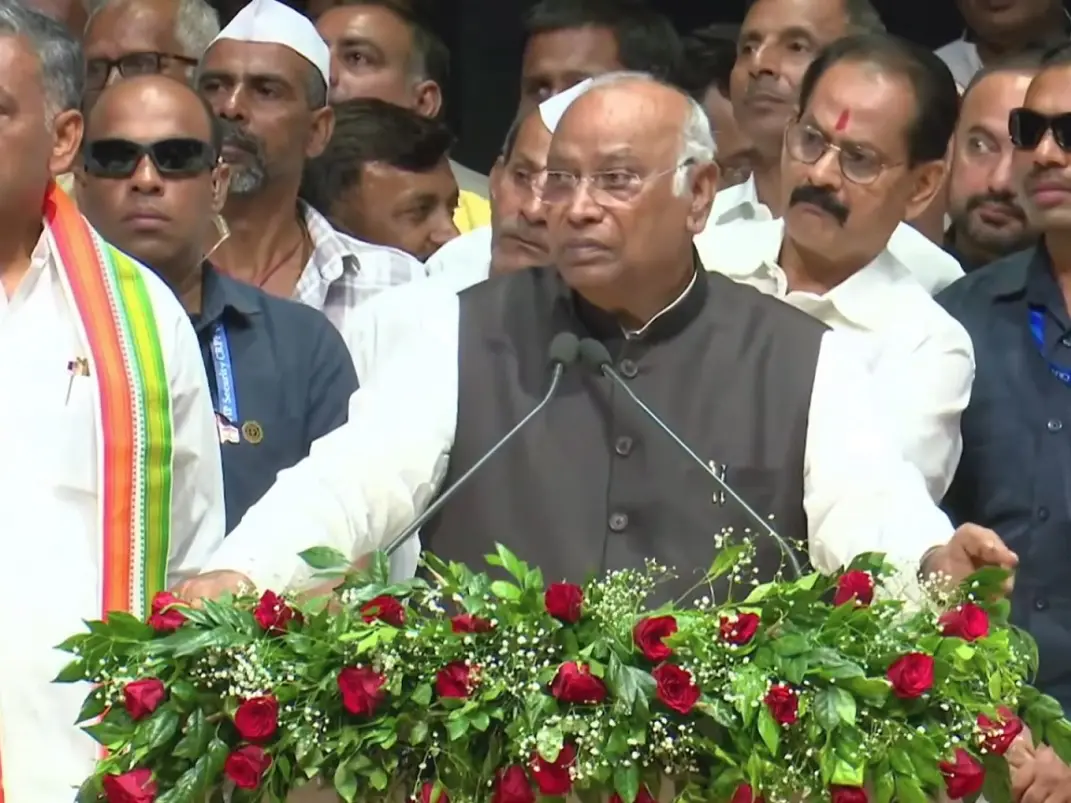
External Affairs Minister S Jaishankar At IIM Calcutta Photograph: (WION)
The minister highlighted supply-chain fragility, with a third of global manufacturing still concentrated in China, alongside energy transitions, sanctions and blockchain disruption as the new realities shaping India’s external posture.
India’s External Affairs Minister S Jaishankar has said that New Delhi would continue “endeavouring to forge new trade arrangements” but only under a firmly “people-centric vision”, as the country climbs the global economic ladder amid growing uncertainty in world trade. Speaking after being conferred an honorary doctorate by the Indian Institute of Management Calcutta, Dr Jaishankar painted a picture of a fragmenting global order in which traditional rule-makers are rewriting the script.
“The United States, long the underwriter of the contemporary system, has set radically new terms of engagement. Not just that, it is doing so by dealing with countries on a one-on-one basis, rather than through regimes. China has long played by its own rules and is now doing so, even more,” he said.
In such an environment, he argued, most nations are hedging rather than choosing sides, leading to a surge in bilateral and regional free-trade agreements. “We are today endeavouring to forge new trade arrangements and promote fresh connectivity initiatives. While they certainly represent key facets of our policy priorities, it also speak to the importance that the world attaches to ties with India. As we ascend the global economic hierarchy, the case for them will only get stronger,” Dr Jaishankar told the audience of students, faculty.
Yet he stressed caution: “These exercises have long-term repercussions and therefore, need to be embarked upon with great judiciousness. When it comes to trade, we will naturally be guided by our people-centric vision, just as our connectivity plans will be by strategic as well as economic considerations.”
Also Read: Infowarfare: Pakistan uses AI deep fakes of Indian military leaders to spread misinformation
Trending Stories
&imwidth=280&imheight=210&format=webp&quality=medium)
&imwidth=280&imheight=210&format=webp&quality=medium)
&imwidth=280&imheight=210&format=webp&quality=medium)
&im=FitAndFill=(700,400)&imwidth=280&imheight=210&format=webp&quality=medium)
&imwidth=280&imheight=210&format=webp&quality=medium)
&imwidth=280&imheight=210&format=webp&quality=medium)
&imwidth=280&imheight=210&format=webp&quality=medium)
&imwidth=280&imheight=210&format=webp&quality=medium)
&imwidth=280&imheight=210&format=webp&quality=medium)
&imwidth=280&imheight=210&format=webp&quality=medium)
&imwidth=280&imheight=210&format=webp&quality=medium)
&imwidth=280&imheight=210&format=webp&quality=medium)
&imwidth=280&imheight=210&format=webp&quality=medium)
&imwidth=280&imheight=210&format=webp&quality=medium)
&im=FitAndFill=(700,400)&imwidth=280&imheight=210&format=webp&quality=medium)
&imwidth=280&imheight=210&format=webp&quality=medium)
&imwidth=280&imheight=210&format=webp&quality=medium)
&imwidth=280&imheight=210&format=webp&quality=medium)
&imwidth=280&imheight=210&format=webp&quality=medium)
&imwidth=280&imheight=210&format=webp&quality=medium)
&imwidth=280&imheight=210&format=webp&quality=medium)
&imwidth=280&imheight=210&format=webp&quality=medium)
&imwidth=280&imheight=210&format=webp&quality=medium)
&imwidth=280&imheight=210&format=webp&quality=medium)
&imwidth=280&imheight=210&format=webp&quality=medium)
&imwidth=280&imheight=210&format=webp&quality=medium)
&imwidth=280&imheight=210&format=webp&quality=medium)
&imwidth=280&imheight=210&format=webp&quality=medium)
&imwidth=280&imheight=210&format=webp&quality=medium)
&imwidth=280&imheight=210&format=webp&quality=medium)
&im=FitAndFill=(700,400)&imwidth=280&imheight=210&format=webp&quality=medium)
&imwidth=280&imheight=210&format=webp&quality=medium)
&imwidth=280&imheight=210&format=webp&quality=medium)
&imwidth=280&imheight=210&format=webp&quality=medium)
&imwidth=280&imheight=210&format=webp&quality=medium)
The minister highlighted supply-chain fragility, with a third of global manufacturing still concentrated in China, alongside energy transitions, sanctions and blockchain disruption as the new realities shaping India’s external posture. He placed trade and technology alongside tourism as the “3Ts” by which Indian diplomats now measure success, underlining a shift toward economic diplomacy.
On security, Dr Jaishankar broadened the definition beyond traditional defence to include energy, food, health and even fertiliser security, citing India’s rapid securing of vaccines during Covid-19 and alternative energy and fertiliser sources during the Ukraine war as proof that “a responsive foreign policy can indeed deliver for every citizen”. “In an uncertain world, it is all the more important that we continuously diversify supply sources to ensure, to actually guarantee our national needs,” he said.
The speech comes as India negotiates or implements trade agreements with the US, UK, Australia, the UAE, EFTA countries and others, while remaining outside larger blocs such as RCEP.