India to repatriate 183 Iranian sailors from warship IRIS Lavan in Kochi

&imwidth=600&imheight=450&format=webp&quality=medium "India to repatriate 183 Iranian sailors from warship IRIS Lavan in Kochi")
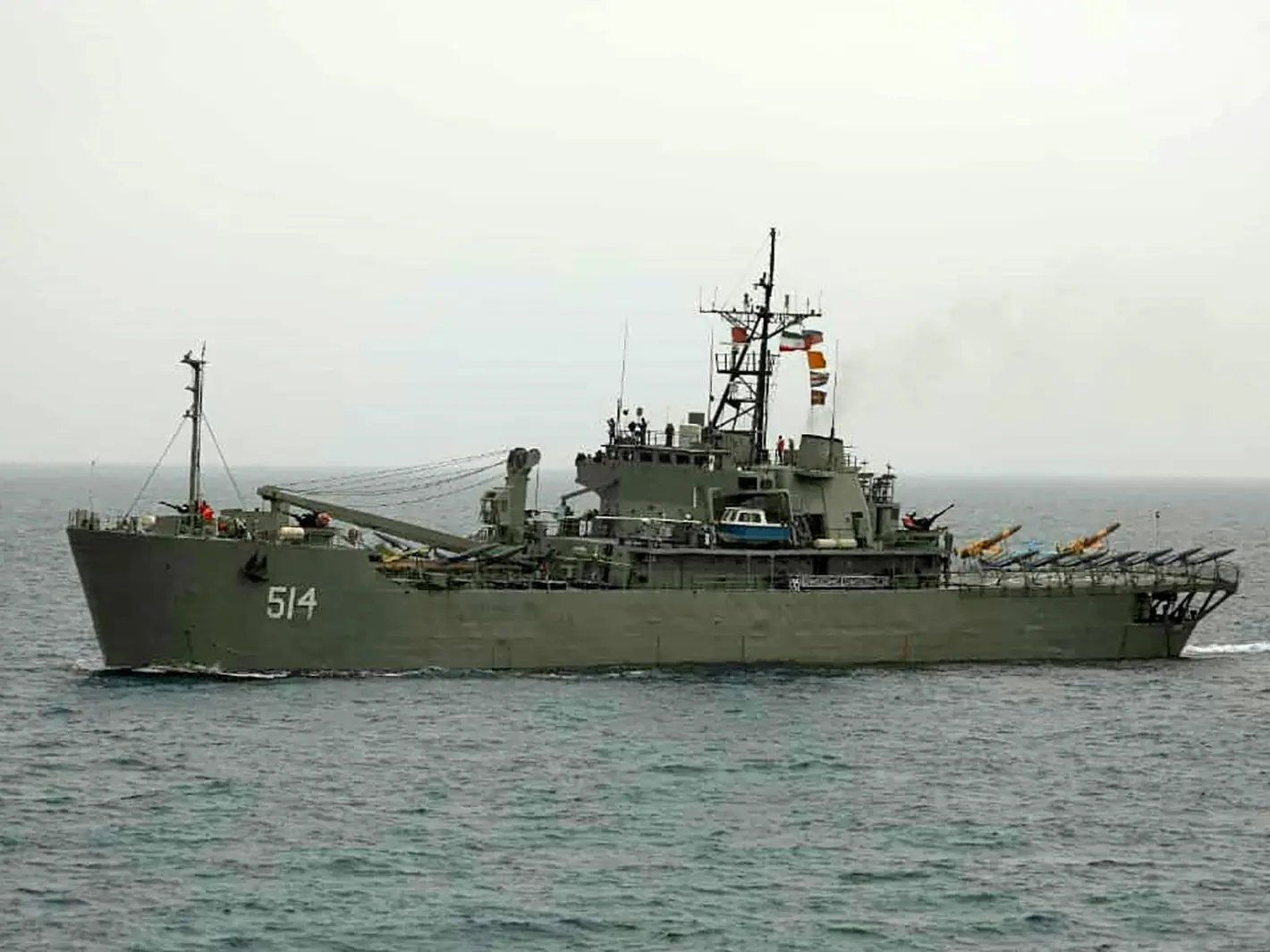
This handout picture provided by the Iranian Army official website shows a view of the Iranian navy vessel "IRIS Lavan" (514), carrying a stack of military unmanned aerial vehicles (UAVs or drones) atop its deck, in the Indian ocean on July 15 2022. Photograph: (AFP)
Iran’s naval vessel IRIS Lavan has been stranded in Kochi since early March after developing technical problems amid the US-Israel-Iran conflict. India is now preparing to repatriate 183 Iranian sailors. All you need to know.
India is set to repatriate the 183 crew members of the Iranian naval vessel IRIS Lavan as early as today, ending their stay in Kochi since the ship docked on 4 March amid escalating tensions in the region.
The warship IRIS Lavan, part of Iran's naval contingent that participated in India's International Fleet Review and MILAN 2026 exercises in Visakhapatnam in February, developed technical issues while operating in the Indian Ocean. Iran requested docking permission for three vessels, IRIS Lavan, IRIS Bushehr, and IRIS Dena, on 28 February, the day US and Israeli strikes on Iran commenced.
Also read | US KC-135 Stratotanker crashes near Iraq-Jordan border during operation Epic Fury; rescue mission underway
India approved the requests on 1 March. Only IRIS Lavan reached an Indian port, arriving in Kochi on 4 March. Its crew has since been accommodated at Indian naval facilities in the southern city.
IRIS Bushehr docked in Sri Lanka, where its crew was also sheltered, while IRIS Dena was sunk by a US submarine in international waters off Sri Lanka's coast on the same day Lavan docked, resulting in significant loss of life.
External Affairs Minister S Jaishankar informed Parliament that India viewed the docking of IRIS Lavan as "the right thing to do" on humanitarian grounds. "We believe that this was the right thing to do and the Iranian Foreign Minister has expressed his country’s thanks for this humane gesture," he said.
Trending Stories
&imwidth=280&imheight=210&format=webp&quality=medium)
&imwidth=280&imheight=210&format=webp&quality=medium)
&imwidth=280&imheight=210&format=webp&quality=medium)
&imwidth=280&imheight=210&format=webp&quality=medium)
&imwidth=280&imheight=210&format=webp&quality=medium)
&imwidth=280&imheight=210&format=webp&quality=medium)
&imwidth=280&imheight=210&format=webp&quality=medium)
&imwidth=280&imheight=210&format=webp&quality=medium)
&imwidth=280&imheight=210&format=webp&quality=medium)
&imwidth=280&imheight=210&format=webp&quality=medium)
&imwidth=280&imheight=210&format=webp&quality=medium)
&imwidth=280&imheight=210&format=webp&quality=medium)
&imwidth=280&imheight=210&format=webp&quality=medium)
&im=FitAndFill=(700,400)&imwidth=280&imheight=210&format=webp&quality=medium)
&imwidth=280&imheight=210&format=webp&quality=medium)
&imwidth=280&imheight=210&format=webp&quality=medium)
&imwidth=280&imheight=210&format=webp&quality=medium)
&imwidth=280&imheight=210&format=webp&quality=medium)
&imwidth=280&imheight=210&format=webp&quality=medium)
&imwidth=280&imheight=210&format=webp&quality=medium)
&imwidth=280&imheight=210&format=webp&quality=medium)
&imwidth=280&imheight=210&format=webp&quality=medium)
&imwidth=280&imheight=210&format=webp&quality=medium)
&imwidth=280&imheight=210&format=webp&quality=medium)
&imwidth=280&imheight=210&format=webp&quality=medium)
&imwidth=280&imheight=210&format=webp&quality=medium)
&imwidth=280&imheight=210&format=webp&quality=medium)
&imwidth=280&imheight=210&format=webp&quality=medium)
&imwidth=280&imheight=210&format=webp&quality=medium)
&imwidth=280&imheight=210&format=webp&quality=medium)
&imwidth=280&imheight=210&format=webp&quality=medium)
&imwidth=280&imheight=210&format=webp&quality=medium)
&imwidth=280&imheight=210&format=webp&quality=medium)
&imwidth=280&imheight=210&format=webp&quality=medium)
&imwidth=280&imheight=210&format=webp&quality=medium)
New Delhi has maintained diplomatic engagement with Tehran since the war started. External Affairs Minister Jaishankar and Iranian Foreign Minister Abbas Araghchi have held four conversations since the conflict began, focusing on de-escalation.
On Thursday, Prime Minister Narendra Modi spoke with Iranian President Masoud Pezeshkian, expressing deep concern over the escalation, civilian casualties, and damage to infrastructure. Indian PM urged dialogue and diplomacy, reiterating India's commitment to regional peace and stability, while highlighting concerns for Indian nationals' safety and energy supply routes.
