Home the deadliest place? Shocking UN report shows every 10 mins, a woman is murdered by family or partners

&imwidth=600&imheight=450&format=webp&quality=medium "Home the deadliest place? Shocking UN report shows every 10 mins, a woman is murdered by family or partners")
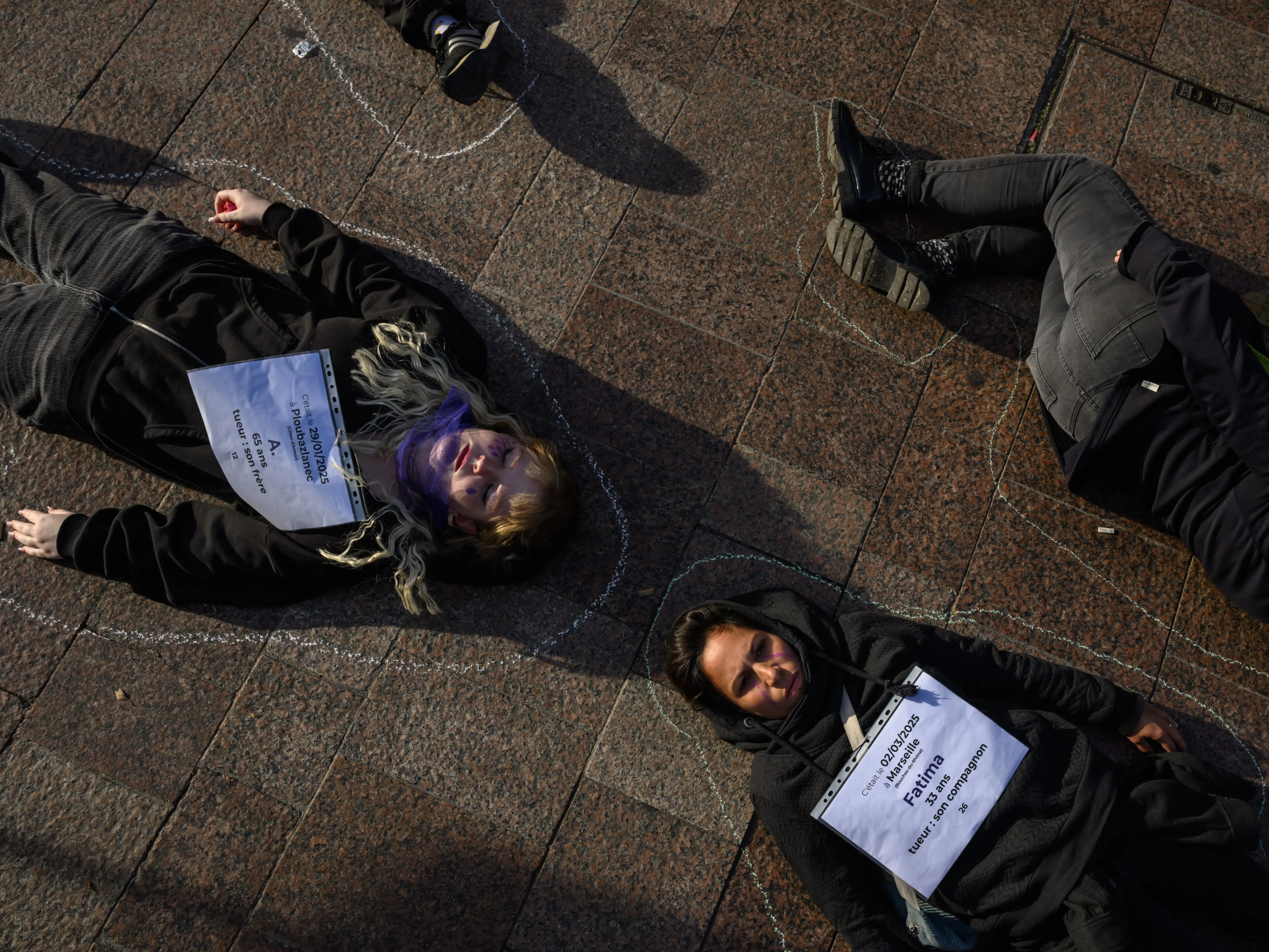
File Photo: Activists stage a 'die-in' to pay tribute to victims of femicide and to call on the French government to increase resources and subsidies for feminist organisations, in Toulouse on November 16, 2025. File Photo: Activists stage a 'die-in' to pay tribute to victims of femicide and to call on the French government to increase resources and subsidies for feminist organisations, in Toulouse on November 16, 2025. Photograph: (AFP)
A UN report says a woman is killed every 10 minutes by someone she knows. About 50,000 women and girls were murdered in 2024 by partners or family, with the home still the most dangerous place.
Every day, every 10 minutes, a woman somewhere in the world is killed by someone she knows, reveals a shocking new report released by the United Nations on Monday (Nov 24). The report, which was published to mark the International Day for the Elimination of Violence Against Women, warns that global efforts to curb femicide have stalled, and violence against women remains deeply rooted and widespread.
Also read | Blow to Trump’s revenge prosecutions as cases against James Comey and Letitia James collapse
Women in danger from their loved ones
According to the report by the United Nations Office on Drugs and Crime and UN Women, roughly 50,000 women and girls were killed in 2024 by intimate partners or family members. The figure, compiled from 117 countries, averages 137 women per day. The study notes that 60 per cent of all female homicide victims last year were murdered by someone close to them. In comparison, only 11 per cent of male victims were killed by partners or family members.
While femicide continues to claim tens of thousands of lives of women and girls, the "home continues to be the most dangerous place for women and girls in terms of the risk of homicide," warns the study. While, nowhere in the world seems to be safe for women, Africa recorded the highest number, with about 22,000 cases. After Africa, Asia, the Americas, Europe, and Oceania have the highest numbers.
Researchers cautioned that although the total is slightly lower than the previous year, it does not represent a real decline in violence. Instead, they said, variations in data reporting and availability across countries likely affected the numbers.
Trending Stories
&imwidth=280&imheight=210&format=webp&quality=medium)
&imwidth=280&imheight=210&format=webp&quality=medium)
&imwidth=280&imheight=210&format=webp&quality=medium)
&im=FitAndFill=(700,400)&imwidth=280&imheight=210&format=webp&quality=medium)
&imwidth=280&imheight=210&format=webp&quality=medium)
&imwidth=280&imheight=210&format=webp&quality=medium)
&imwidth=280&imheight=210&format=webp&quality=medium)
&imwidth=280&imheight=210&format=webp&quality=medium)
&im=FitAndFill=(700,400)&imwidth=280&imheight=210&format=webp&quality=medium)
&imwidth=280&imheight=210&format=webp&quality=medium)
&imwidth=280&imheight=210&format=webp&quality=medium)
&imwidth=280&imheight=210&format=webp&quality=medium)
&imwidth=280&imheight=210&format=webp&quality=medium)
&imwidth=280&imheight=210&format=webp&quality=medium)
&im=FitAndFill=(700,400)&imwidth=280&imheight=210&format=webp&quality=medium)
&imwidth=280&imheight=210&format=webp&quality=medium)
&imwidth=280&imheight=210&format=webp&quality=medium)
&imwidth=280&imheight=210&format=webp&quality=medium)
&imwidth=280&imheight=210&format=webp&quality=medium)
&imwidth=280&imheight=210&format=webp&quality=medium)
&imwidth=280&imheight=210&format=webp&quality=medium)
&imwidth=280&imheight=210&format=webp&quality=medium)
&imwidth=280&imheight=210&format=webp&quality=medium)
&im=FitAndFill=(700,400)&imwidth=280&imheight=210&format=webp&quality=medium)
&imwidth=280&imheight=210&format=webp&quality=medium)
&imwidth=280&imheight=210&format=webp&quality=medium)
&imwidth=280&imheight=210&format=webp&quality=medium)
&imwidth=280&imheight=210&format=webp&quality=medium)
&imwidth=280&imheight=210&format=webp&quality=medium)
&imwidth=280&imheight=210&format=webp&quality=medium)
&imwidth=280&imheight=210&format=webp&quality=medium)
&imwidth=280&imheight=210&format=webp&quality=medium)
&imwidth=280&imheight=210&format=webp&quality=medium)
&imwidth=280&imheight=210&format=webp&quality=medium)
Also read | Chinese man with Pakistan travel history caught filming sensitive sites after sneaking into India from Nepal
Technological developments and an increase in threats
According to the report, technological advancements have given rise to so-called modern threats to women, including non-consensual image-sharing, doxxing, and deepfake videos. "Femicidesdon'thappen in isolation. They often sit on a continuum of violence that can start with controlling behaviour, threats, and harassment -- including online," said Sarah Hendricks, Director ofUNWomen's Policy Division. "We need the implementation of laws that recognise how violence manifests across the lives of women and girls, both online and offline, and hold perpetrators to account well before it turns deadly," she added.

