

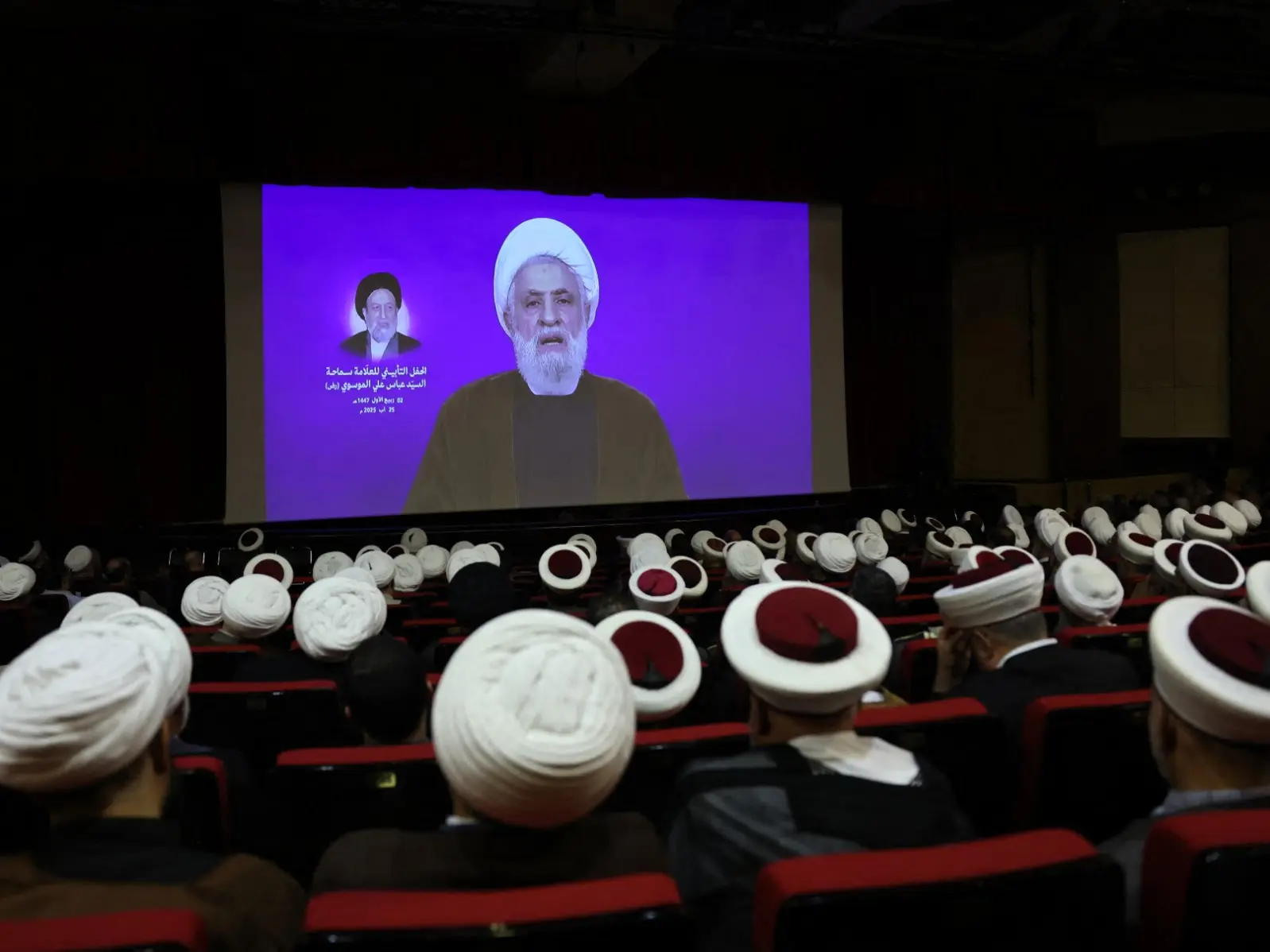
&imwidth=800&imheight=600&format=webp&quality=medium "'Imposition of surrender...': Hezbollah rejects Israel talks as Iran demands halt to strikes on Lebanese proxy")
Hezbollah has issued its first response on the reports of negotiation with Israel after tensions between the group and Benjamin Netanyahu-led nation escalated due to war in Iran. On Wednesday (Mar 25), Hezbollah chief Naim Qassem rejected any possibility of negotiation with Israel stating that it would mean “surrender” for Lebanon. This was in response of attempts made by the Lebanese president’s to start direct talks between the group and Israel. Qassem also urged the Lebanese government to reverse its ban on the group's military activities. Hezbollah stepped into the war between Iran, US and Israel after the killing of Supreme Leader Ayatollah Ali Khamenei. It opened fire on Israel on March 2 in solidarity with Tehran, triggering an Israeli air and ground campaign in Lebanon.
In a televised speech read on his behalf, Naim Qassem said, “When negotiations with the Israeli enemy are proposed under fire, this is an imposition of surrender,” Qassem said, adding, that negotiations cannot happen ”with an enemy that occupies our land and carries out daily attacks.” Qassem called on the Lebanese people to embrace “national unity."
Iran wants end of hostilities on Hezbollah
This also comes as Iran in its guarantees to end the war included that Israel halts its strikes on Iran’s Lebanese proxy Hezbollah, the Wall Street Journal reported. Iran has told intermediaries that Lebanon must be included in any ceasefire agreement with the United States and Israel, six regional sources familiar with Iran's position told Reuters. Iran's Press TV also cited an Iranian official saying Tehran wanted any deal with the United States to secure an end to the war both on Iran and other "resistance groups" in the region. The six regional sources, who spoke to Reuters on condition of anonymity due to the sensitivity of the matter, said Tehran had informed mediators as early as mid-March that it sought a deal that would also stop Israel's attacks on Hezbollah.
Hezbollah was founded by Iran's Revolutionary Guards in 1982 and is widely seen as the spearhead of Iran's regional alliance of armed actors. The United States, meanwhile, in its demand has asked Iran to not support any armed group in the region. A senior Trump administration official told Reuters that ending Iran's "proxy activities" and disarming Hezbollah were “crucial to ensuring peace and stability in Lebanon and across the region.”
Trending Stories
&imwidth=180&imheight=135&format=webp&quality=medium)
'This is humiliation': Vijay Deverakonda under fire over controversial marriage proposal remark on Koffee With Karan 9
&imwidth=180&imheight=135&format=webp&quality=medium)
Shikhar Mohan earns maiden India A call-up, replaces KL Rahul
&imwidth=180&imheight=135&format=webp&quality=medium)
AI slop or smart strategy? South African author Coral Hart defends Her 370 AI- assisted books in 20 months
&imwidth=180&imheight=135&format=webp&quality=medium)
Two BrahMos missiles on Tejas, triple the range and 100% indigenisation, says former BrahMos CEO
&imwidth=180&imheight=135&format=webp&quality=medium)
India-China face-off continues near Arunachal’s Taksing, reveals ITBP chief in first official confirmation of tensions
&imwidth=180&imheight=135&format=webp&quality=medium)
Ilhan Omar breaks silence over alleged marriage to her brother; Trump thinks it's 'really good answer'
&imwidth=180&imheight=135&format=webp&quality=medium)
WATCH: Trump demands Ilhan Omar removal from Congress for 'using fake name to be sworn in'. So what is her real name?
&imwidth=180&imheight=135&format=webp&quality=medium)
Netanyahu dials PM Modi, invites him and Capt Smit Machchhar to light torch on Israel’s Independence Day
&imwidth=180&imheight=135&format=webp&quality=medium)
Pakistan airline PIA unveils new crew uniforms, faces online criticism
&imwidth=180&imheight=135&format=webp&quality=medium)
Christa Pike's failed execution: Tennessee team struggled to insert IV lines, lawyer says
&imwidth=180&imheight=135&format=webp&quality=medium)
Did Neha Bora call for Bangladesh-like GenZ protest, 'anarchy' in India? WION Fact-checks viral claim
&imwidth=180&imheight=135&format=webp&quality=medium)
US midterms 2026: US Supreme Court allows New Hampshire to restrict student IDs for voting
&imwidth=180&imheight=135&format=webp&quality=medium)
A secret code, a midnight escape and 300 deaths: The Russian officer who turned on Putin
&imwidth=180&imheight=135&format=webp&quality=medium)
India’s 2022 CWG silver medallist Sabbhineni Meghana announces international retirement
&imwidth=180&imheight=135&format=webp&quality=medium)
Trump ordered to answer questions under oath in BBC defamation lawsuit by December 11
&imwidth=180&imheight=135&format=webp&quality=medium)
Putin says Russia is ready to resume Ukraine-US peace talks but rejects 'short ceasefire' amid deadly attacks
&imwidth=180&imheight=135&format=webp&quality=medium)
Horrific video shows the moment 18-year-old fell to her death from Mexico amusement park ride
&imwidth=180&imheight=135&format=webp&quality=medium)
'It's a crime not to see this scene': Tehran puts Trump 'behind bars'
&imwidth=180&imheight=135&format=webp&quality=medium)
IND-W vs ZIM-W, 1st ODI: Rawal, Charani star in India’s nine-wicket win over Zimbabwe
&imwidth=180&imheight=135&format=webp&quality=medium)
Meghan Markle’s father Thomas under investigation over alleged child abuse images: Report
&imwidth=180&imheight=135&format=webp&quality=medium)
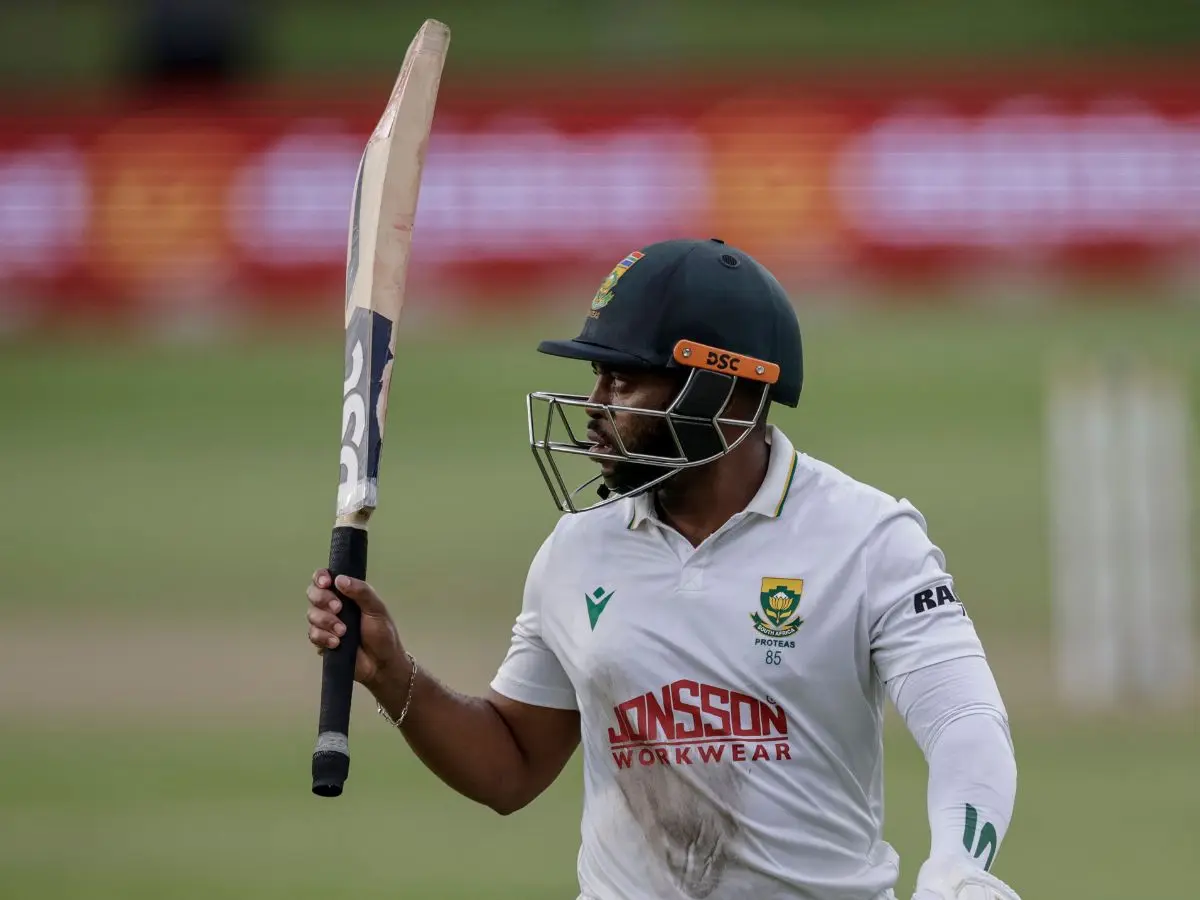
SA vs AUS 2nd Test: Temba Bavuma reveals 'Tendulkar inspiration' behind career-best 179
&imwidth=180&imheight=135&format=webp&quality=medium)
China's dancing robot turns violent bodyguard, lifts cars and fights intruders - Watch
&imwidth=180&imheight=135&format=webp&quality=medium)
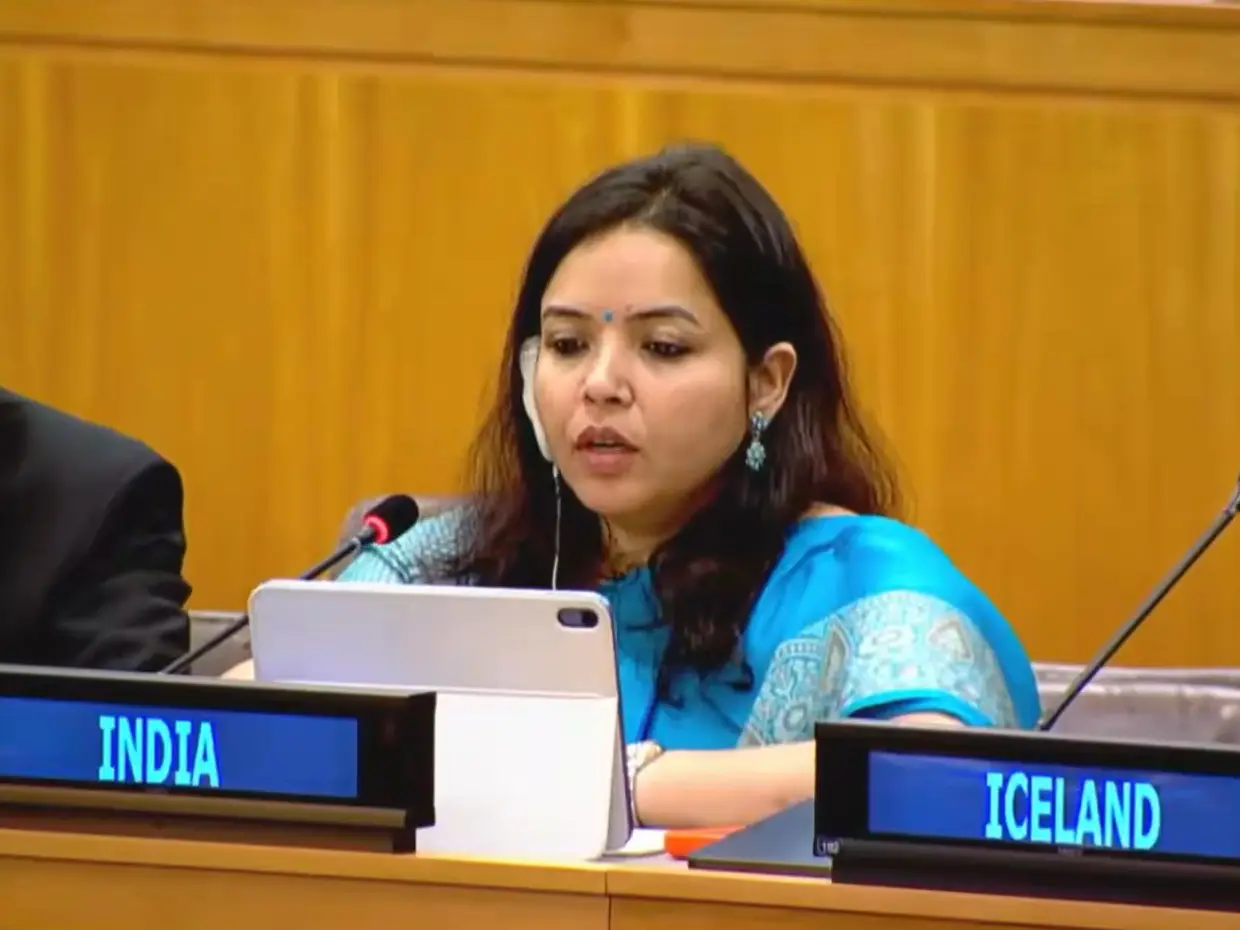
Watch: India rejects ‘imprecise and unsupported’ references in UN migrant rights report
&imwidth=180&imheight=135&format=webp&quality=medium)
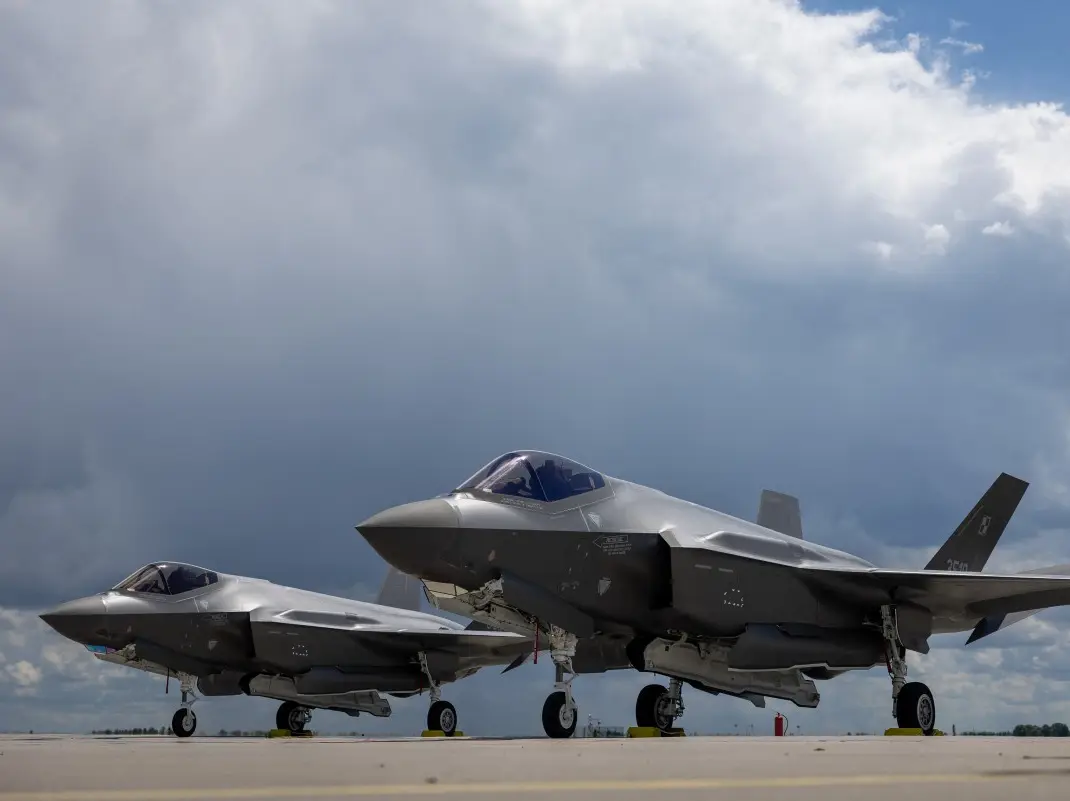
US to get 850 F-35 stealth fighter jets under 10-year Pentagon-Lockheed deal
&imwidth=180&imheight=135&format=webp&quality=medium)
GRAVITAS | Putin fires nuclear-capable hypersonic missiles, Zelensky ready to surrender 25% territory
&im=FitAndFill=(700,400)&imwidth=180&imheight=135&format=webp&quality=medium)
New Friday OTT releases (October 23, 2026): Gajab Raat, Dorothy, Chaar Yaar- Watch these 6 new movies and TV shows on Netflix, Prime Video and more
&im=FitAndFill=(700,400)&imwidth=180&imheight=135&format=webp&quality=medium)
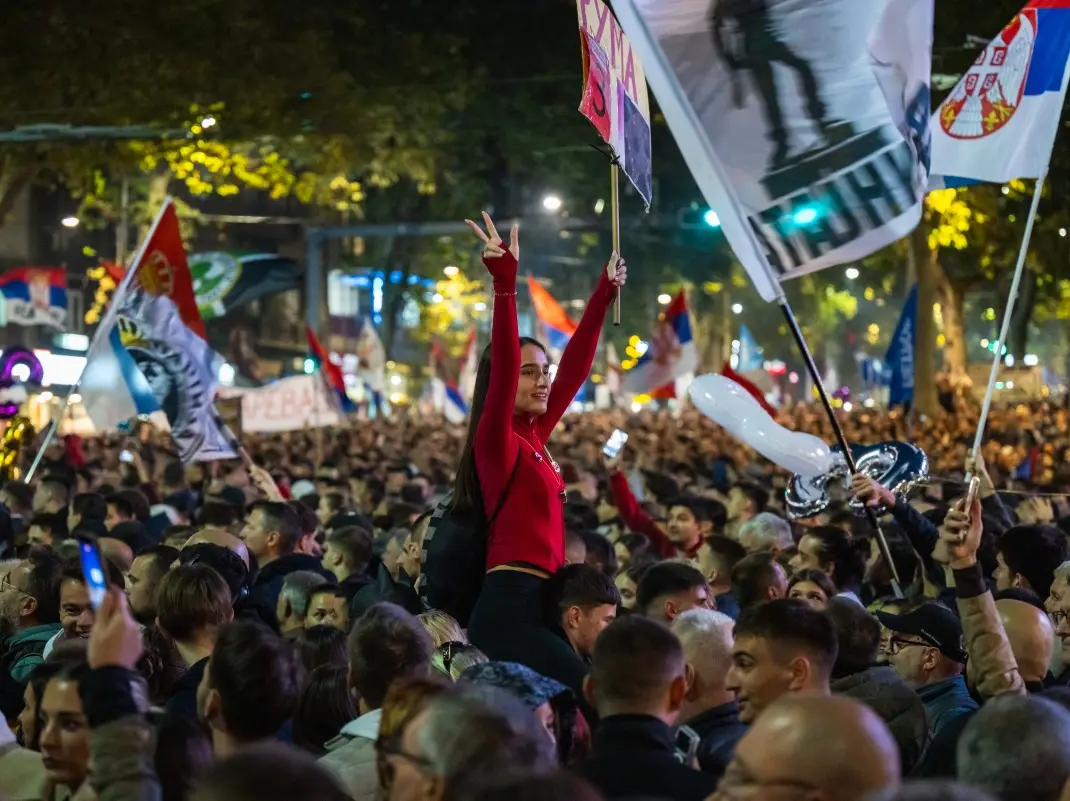
Serbia elections: Nearly 150,000 people take to streets in massive rally against Aleksandar Vucic | In pics
&imwidth=180&imheight=135&format=webp&quality=medium)
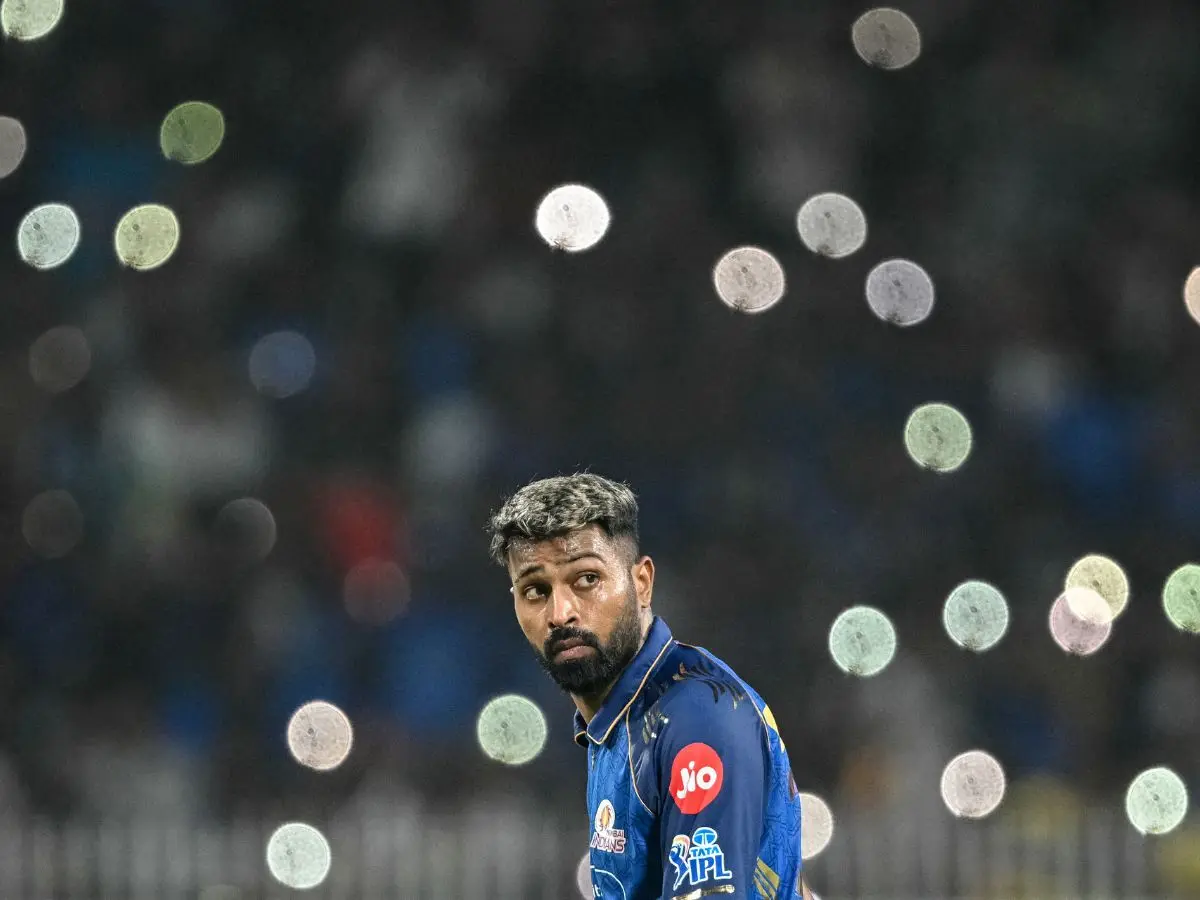
BCCI’s CoE cautious over Hardik Pandya’s fitness, sets expected comeback timeline
&imwidth=180&imheight=135&format=webp&quality=medium)
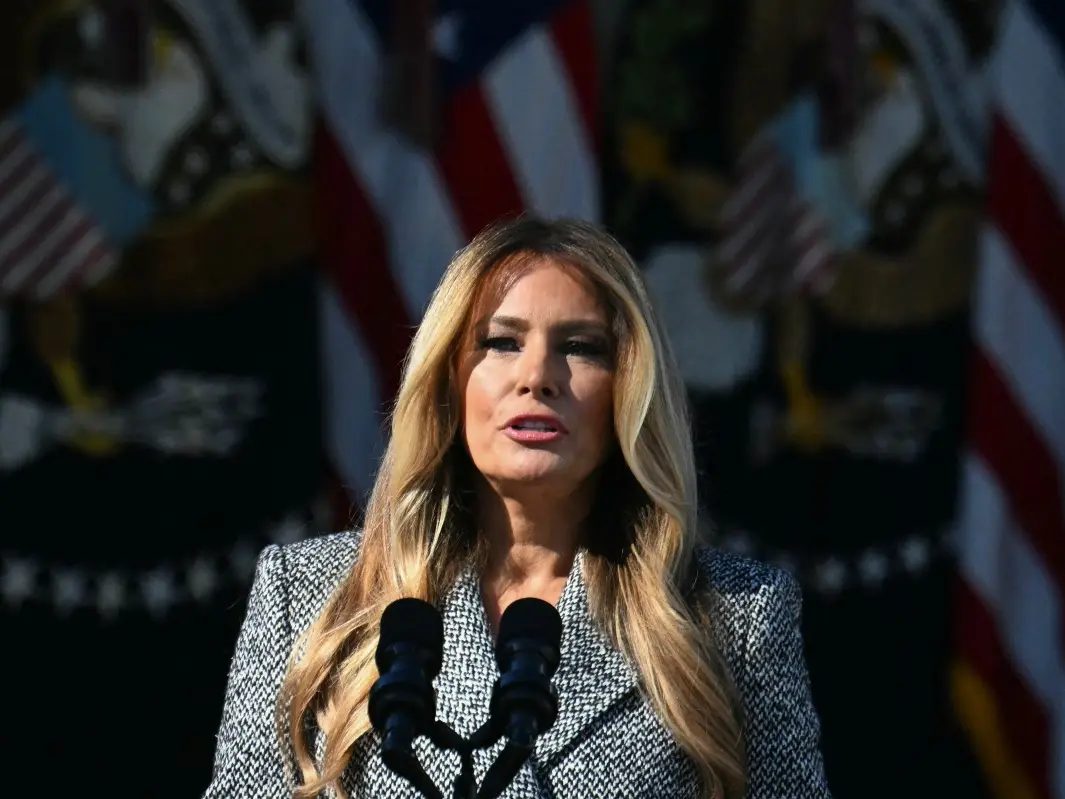
First Lady Melania Trump secures ceasefire between Russia, Ukraine in Oleshky: White House
&imwidth=180&imheight=135&format=webp&quality=medium)
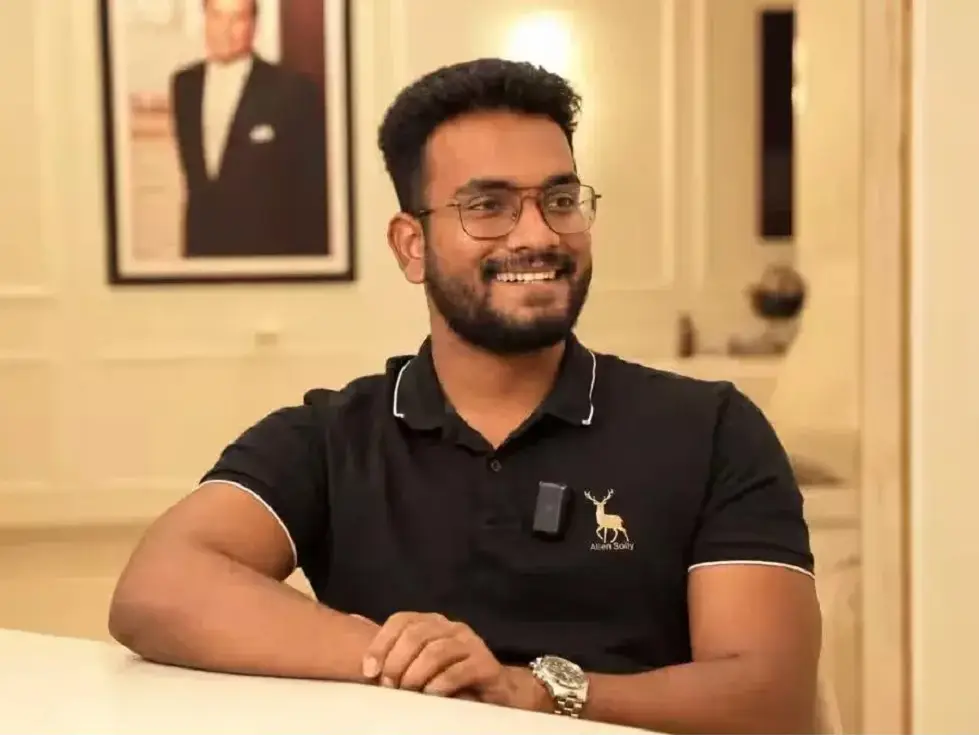
Finance influencer dies by suicide in Chennai; father accuses tech CEO, who denies charge
&imwidth=180&imheight=135&format=webp&quality=medium)
'Vivek should keep it up': Trump defends Ramaswamy's controversial campaign ad targeting Amy Acton
&imwidth=180&imheight=135&format=webp&quality=medium)
One man, 8 months of work, and a river dirty again: Why Bittu Tabahi may quit
&imwidth=180&imheight=135&format=webp&quality=medium)
450 villagers in UP rush to take anti-rabies shots after consuming 'charnamrit'
&imwidth=180&imheight=135&format=webp&quality=medium)
US midterms 2026: Elon Musk’s political spending hits $445 million as Republicans battle to retain Senate control
&imwidth=180&imheight=135&format=webp&quality=medium)
ENG vs SL: Harry Brook breaks Shubman Gill’s record for fastest ODI double century
Lebanese govt's stance on the matter
Lebanese government has slammed Hezbollah for dragging the country into the war and has urged Israel to conduct negotiations. Lebanon's foreign ministry declared the appointed Iranian ambassador persona non grata. Hezbollah and other leading Shiite Muslim figures in the country condemned the move and said the envoy should stay. A foreign official in Beirut familiar with Hezbollah's position said the group hoped an Iran-backed truce would help it bolster its political position in Lebanon
Trump's peace plan and Iran's stance
Trump said a 15-point peace plan had been sent, including ceasefire terms and nuclear restrictions, to end the West Asia war, while also insisting Iran was willing to negotiate. He indicated that the the proposal begins with Iran agreeing to “not have a nuclear weapon,” while also hinting at a positive gesture from Tehran, describing it as a “very big present.” According to reports, the plan includes a proposed one-month ceasefire, ensuring safe passage through the Strait of Hormuz, and potential sanctions relief for Iran.
Iran, meanwhile, said it is reviewing the US proposal to end the war but is not engaging in direct negotiations. Iran’s Foreign Minister Abbas Araghchi did agree about the exchange of messages between US and Iran through mediators, but clarified that it “does not mean negotiations with the US," while also adding that ”speaking of negotiations now is an admission of defeat." Araghchi warned Iran would target American interests in the region if necessary. Military spokesman Ebrahim Zolfaqari mocked Washington’s claims of negotiations, rejecting any possibility of alignment. Parliament speaker Mohammad Bagher Ghalibaf also warned of strong retaliation against any hostile move.
Disclaimer: WION takes utmost care to accurately and responsibly report ongoing conflicts in West Asia involving Israel, Iran, the US, Gulf nations, and non-state actors like Hezbollah, Hamas, Houthis, Islamic State, and others. Claims and counterclaims, disinformation and misinformation are being made online and offline. Given this context, WION cannot independently verify the authenticity of all statements, social media posts, photos, and videos.

