H1-B visa fee hike is a trade barrier: Legal argument for India to sue the US at the WTO in a world-first under Mode 4 of GATS

&imwidth=600&imheight=450&format=webp&quality=medium "H1-B visa fee hike is a trade barrier: Legal argument for India to sue the US at the WTO in a world-first under Mode 4 of GATS")
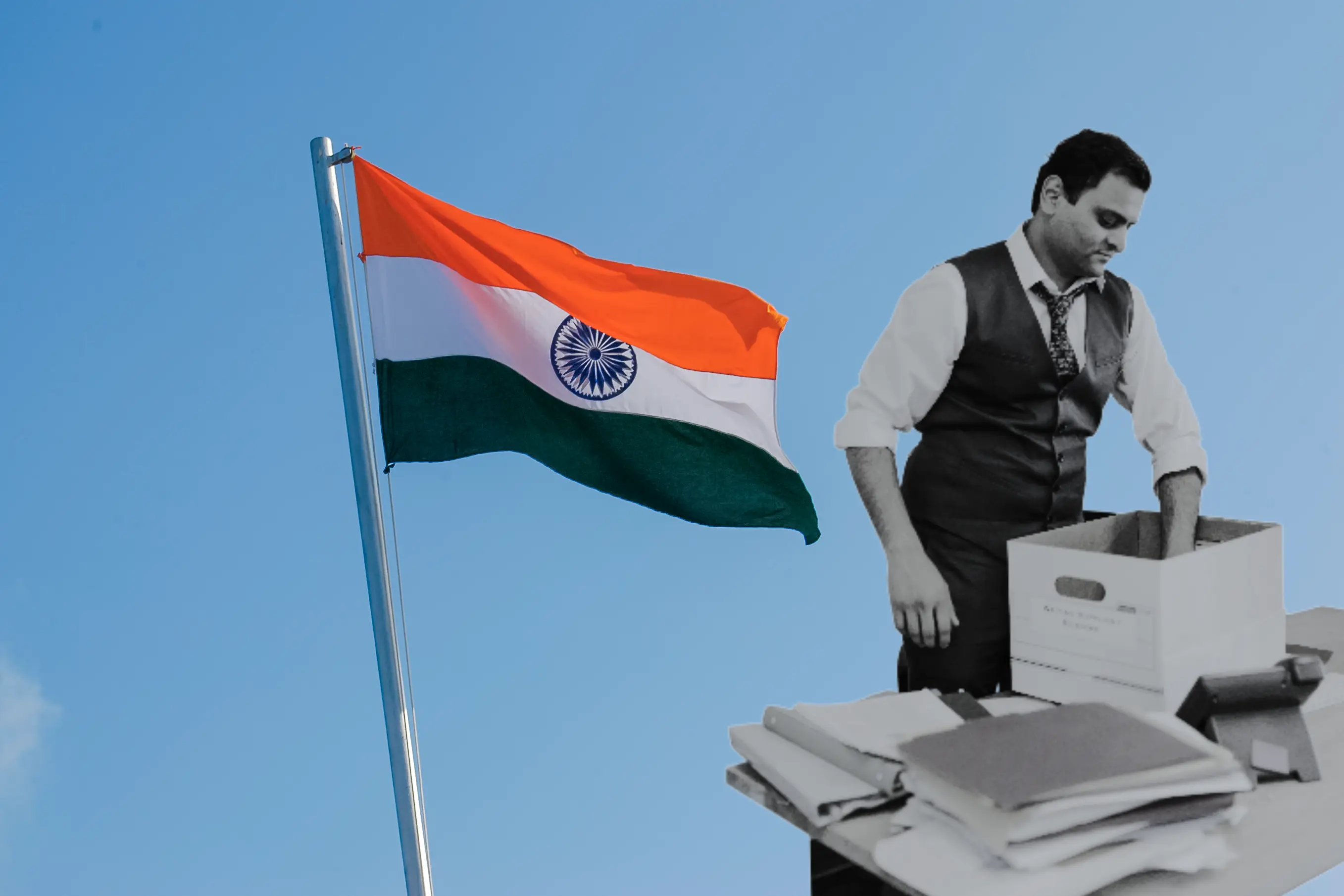
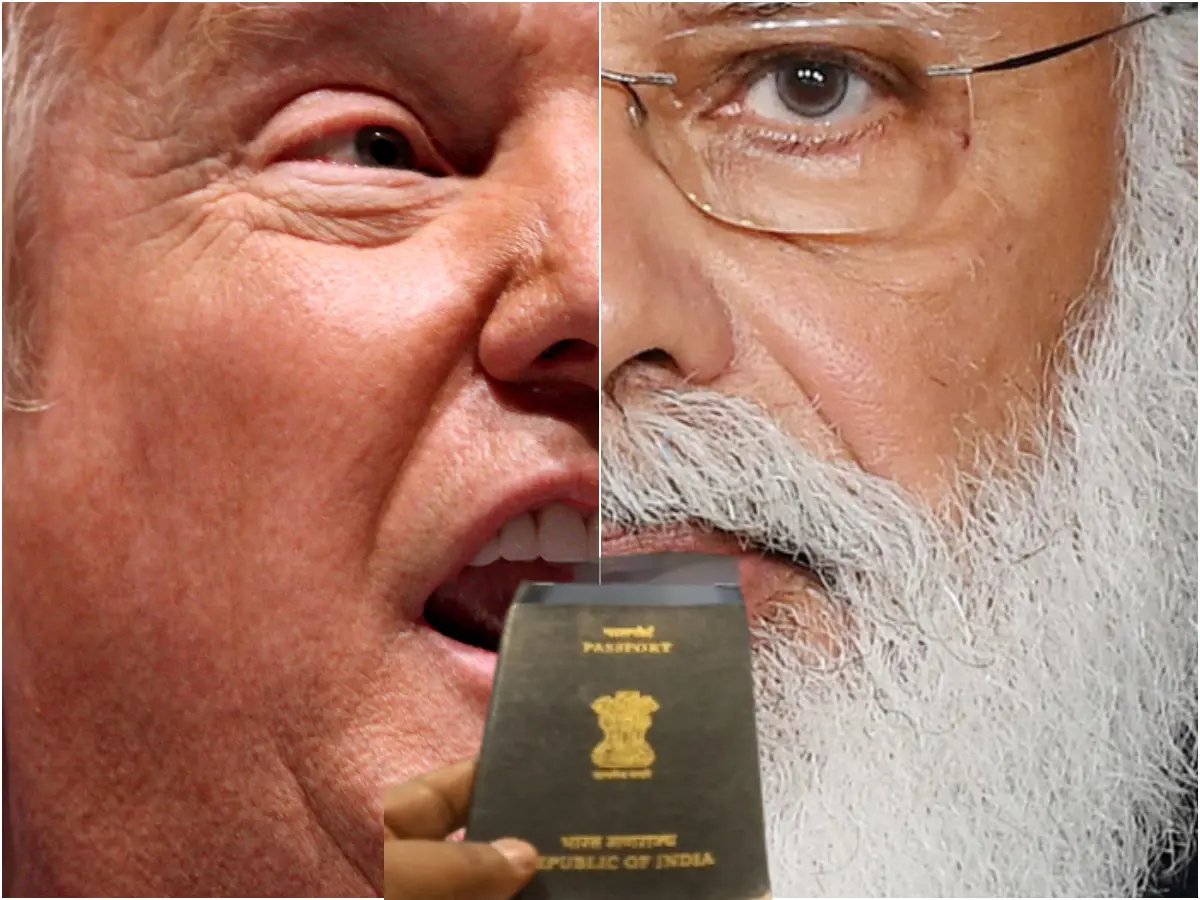
A combination image of Donald Trump, Narendra Modi, and the Indian passport Photograph: (Others)
In theory at least, it is possible for India to approach the WTO over the arbitrary $100,000 H-1B visa fee hike by the US. Such a case has never happened, but would fall under GATS Mode 4 that deals with transnational movement of people. But will India make such a move?
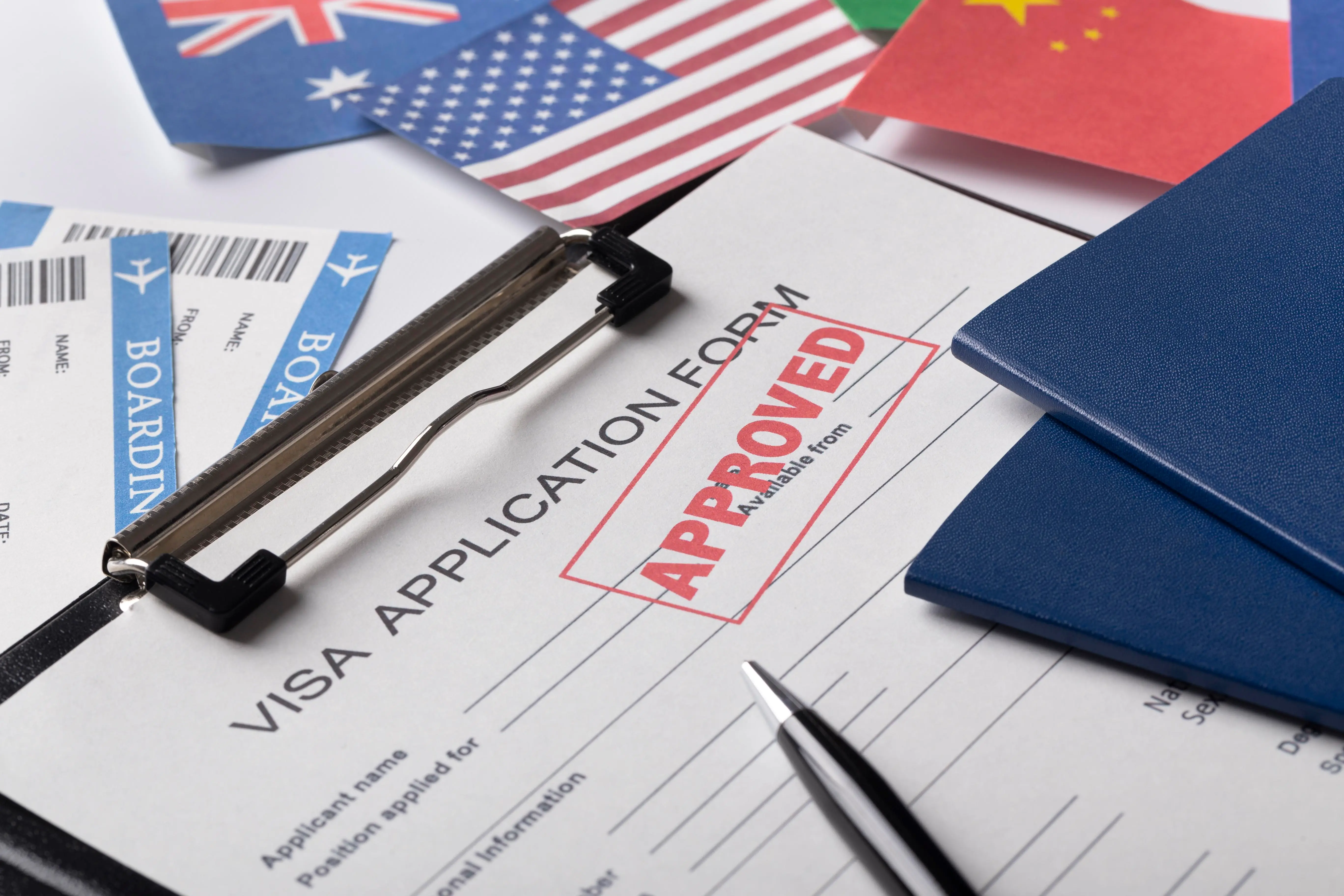
The Trump administration has proposed a hike in H-1B visa fees to $100,000 in a sudden, arbitrary and confusing move that primarily targets Indian high-tech professionals. This constitutes a non-tariff barrier to market access and reflects a form of US trade protectionism. Both the US and India are signatories to the General Agreement on Trade in Services (GATS), a key framework under the World Trade Organisation (WTO). Mode 4 of GATS deals with the ‘movement of natural persons’. India has been a long-standing advocate of Mode 4, which is crucial to its strength in global trade in services. No country has ever legally challenged another under the WTO specifically over Mode 4. If India were to do so against the US, it would be a world first. But will it? What is the legal argument? What are the pros and cons of a potential India–US dispute at the WTO over arbitrary visa regulations? Let's break it down.
Why Mode 4 of WTO on movement of natural persons is important for India
India is one of the largest exporters of services globally, for which it heavily relies on the temporary movement of natural persons. Mode 4 under the WTO’s GATS ensures this cross-border trade in services, especially in IT, consulting, and professional sectors. The US is a key destination for such movement of people, offering visa categories such as H-1B and L-1, which broadly correspond to its Mode 4 commitments under GATS.
An arbitrary and disproportionate increase in visa fees, such as the proposed hike to $100,000 for H-1B visas, would in effect restrict access of the Indian IT industry to the US market, severely impacting Indian service providers and other foreign service suppliers.
Legal basis under WTO/GATS on the movement of persons as part of trade
Trending Stories
&imwidth=280&imheight=210&format=webp&quality=medium)
&imwidth=280&imheight=210&format=webp&quality=medium)
&imwidth=280&imheight=210&format=webp&quality=medium)
&imwidth=280&imheight=210&format=webp&quality=medium)
&imwidth=280&imheight=210&format=webp&quality=medium)
&imwidth=280&imheight=210&format=webp&quality=medium)
&im=FitAndFill=(700,400)&imwidth=280&imheight=210&format=webp&quality=medium)
&imwidth=280&imheight=210&format=webp&quality=medium)
&imwidth=280&imheight=210&format=webp&quality=medium)
&imwidth=280&imheight=210&format=webp&quality=medium)
&imwidth=280&imheight=210&format=webp&quality=medium)
&imwidth=280&imheight=210&format=webp&quality=medium)
&imwidth=280&imheight=210&format=webp&quality=medium)
&imwidth=280&imheight=210&format=webp&quality=medium)
&imwidth=280&imheight=210&format=webp&quality=medium)
&imwidth=280&imheight=210&format=webp&quality=medium)
&imwidth=280&imheight=210&format=webp&quality=medium)
&imwidth=280&imheight=210&format=webp&quality=medium)
&imwidth=280&imheight=210&format=webp&quality=medium)
&imwidth=280&imheight=210&format=webp&quality=medium)
&imwidth=280&imheight=210&format=webp&quality=medium)
&imwidth=280&imheight=210&format=webp&quality=medium)
&imwidth=280&imheight=210&format=webp&quality=medium)
&imwidth=280&imheight=210&format=webp&quality=medium)
&imwidth=280&imheight=210&format=webp&quality=medium)
&imwidth=280&imheight=210&format=webp&quality=medium)
&imwidth=280&imheight=210&format=webp&quality=medium)
&imwidth=280&imheight=210&format=webp&quality=medium)
&imwidth=280&imheight=210&format=webp&quality=medium)
&imwidth=280&imheight=210&format=webp&quality=medium)
&imwidth=280&imheight=210&format=webp&quality=medium)
&imwidth=280&imheight=210&format=webp&quality=medium)
&imwidth=280&imheight=210&format=webp&quality=medium)
&imwidth=280&imheight=210&format=webp&quality=medium)
&imwidth=280&imheight=210&format=webp&quality=medium)
&imwidth=280&imheight=210&format=webp&quality=medium)
Under Article XVI, which deals with market access, and Article XVII, which deals with national treatment, GATS prevents WTO members from imposing measures that nullify or impair the commitments made on trade in services, including those related to Mode 4. The US is committed to allowing temporary entry for specific categories of natural persons. However, the arbitrary rise in visa fees and harsh immigration regulations targeting specific countries would make entry into the US prohibitively expensive or impossible for Indian professionals and other service suppliers. This can be construed as quantitative restrictions or non-tariff barriers that violate WTO provisions.
Visa fees are not explicitly regulated by GATS, but they are an essential part of immigration and market access conditions. Excessive or arbitrary fee hikes constitute non-tariff barriers by effectively restricting the entry of service providers, undermining the principles of reasonable, transparent, and non-discriminatory access enshrined in WTO commitments.
US visa fee hikes as de facto quantitative restrictions on trade
A visa fee hike of an extreme magnitude like the $100,000 for H-1B visas can arguably act as a de facto quantitative limitation, as it deters applicants, effectively capping the number of natural persons who can access the American market. This, in spirit, violates GATS’ emphasis on progressive trade liberalisation. This, along with other immigration restriction measures, can be viewed as actions nullifying or impairing expected benefits under Article XXIII (non-violation complaints) of GATS.
Visa fees inherently discriminate against foreign nationals, potentially breaching national treatment principles, particularly if fees are arbitrary or disproportionately high compared to the cost of processing visas for domestic or other categories of workers.
But what are the challenges in pursuing a legal case on visa restrictions and high fees?
Mode 4 annexes and provisions explicitly permit WTO members to regulate the entry and stay of natural persons for public order, security, or administrative reasons. The US is likely to invoke these exceptions under Article XIV, arguing immigration sovereignty and administrative cost recovery. However, in the case of H-1B visa fees, the American rationale is to bring jobs back to US citizens, not because visa holders are a threat to public order or security. In simple terms, it is a matter of economic protectionism.
The US’s Mode 4 commitments are limited and selective, covering specific categories such as intra-company transferees and certain professionals. Many sectors remain “unbound.” Therefore, it is quite possible for the US to argue that the visa fee changes fall outside its commitments and may be beyond WTO scrutiny.
How it could set a precedent if India sues the US at the WTO under Mode 4
That said, a WTO dispute initiated by India against the US over visa fee hikes could set a precedent. If India proceeds, it would be the first-ever case focusing explicitly on visa fees under Mode 4. It could compel the WTO to clarify its role in regulating the balance between immigration control and trade commitments on services, and address artificial barriers to trade.
Such a case, if it materialises, would affirm that negative-effect immigration rules constitute non-tariff barriers. It would prompt a determination as to whether such measures are subject to WTO disciplines, particularly when they impair trade commitments—especially for developing countries like India that are dependent on Mode 4 exports.
Practical considerations of a case against the US by India over immigration restrictions
While the argument that visa fee hikes constitute trade barriers violating GATS commitments is legally sound, it would face significant hurdles. For example, proving that visa fees exceed legitimate immigration control and amount to disguised protectionism would be challenging.
WTO members generally enjoy broad flexibilities and exceptions regarding immigration, as it is a politically sensitive subject involving national sovereignty and domestic rule-making. Navigating this political sensitivity in an untested legal space would be a challenge for India.
As noted, the US has only limited Mode 4 commitments. The key question is whether a WTO dispute panel would defer to sovereign immigration policy, or adopt an objective view based on how such measures affect agreed trade principles under Mode 4.
Also read: UK to scrap visa fee after Trump’s $100,000 hike for H-1B? Report claims Starmer considering reform
India has a strong legal foundation for pursuing a case at the WTO over visa fee hikes, despite the challenges involved
It is legally sound for India to argue that sudden visa fee hikes and immigration reforms affecting Indian professionals amount to restricting market access and discriminating against foreign service providers. A WTO panel ruling in India’s favour would set a landmark precedent, making clear that WTO members cannot use protectionist immigration policies or excessive visa fees to bypass their trade commitments. It could strengthen the enforceability of Mode 4 and advance fairer global trade in services.
If pursued, this case would not only address a critical trade barrier impacting India’s service exports, but also clarify the relationship between immigration regulations and international trade law under the WTO framework.
But will India bite the bullet on this? That’s a 100,000 dollar question.