Ghosts on the flight: Iran delegation travels aboard 'Minab-168'; Tehran uses tragic school strike to set the tone for Islamabad peace talks

&imwidth=600&imheight=450&format=webp&quality=medium "Ghosts on the flight: Iran delegation travels aboard 'Minab-168'; Tehran uses tragic school strike to set the tone for Islamabad peace talks")
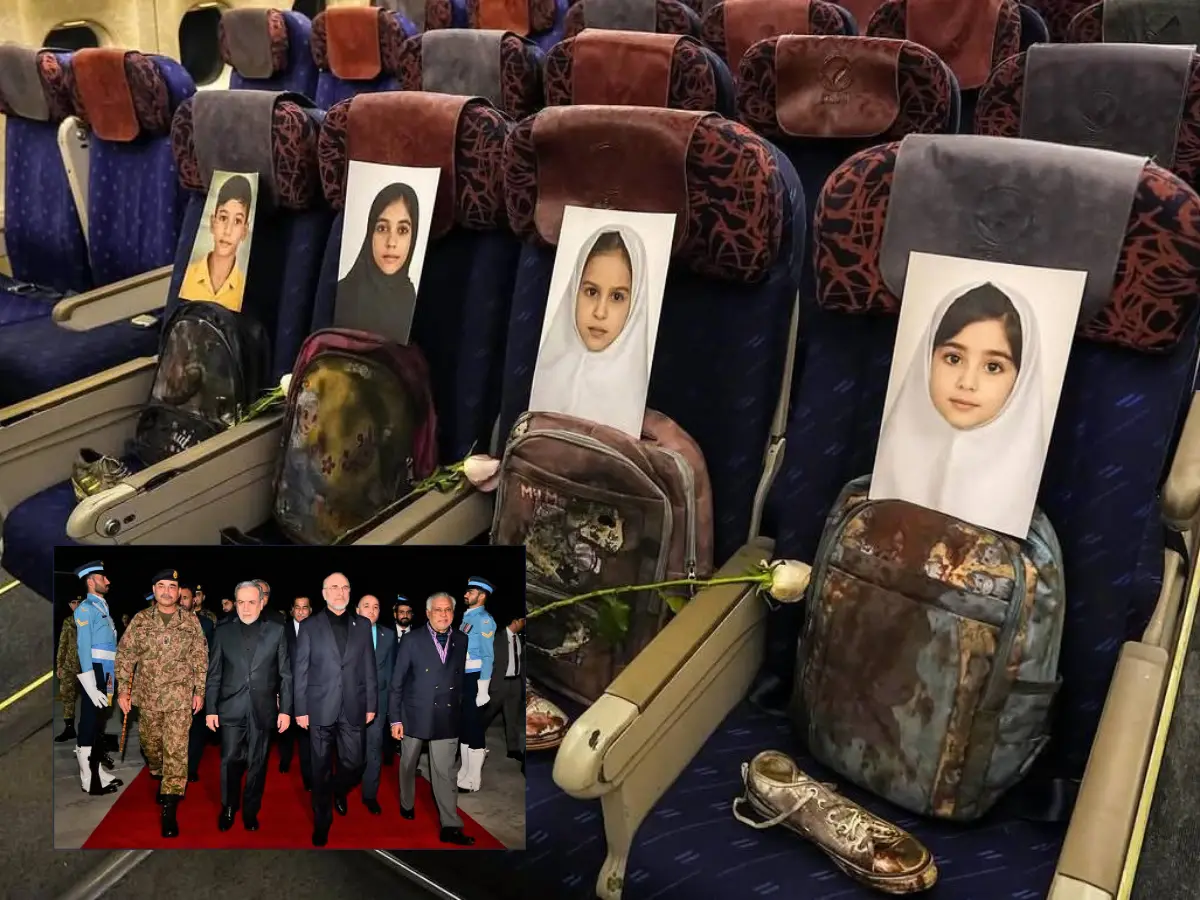
‘My companions’: Iran invokes Minab victims en route to US talks Photograph: (Combination created using images from AFP and X)
Why did Iran name its peace delegation's flight “Minab-168”? With Islamabad peace talks set to begin, Tehrab sends a haunting message tied to one of the deadliest moments of the Iran war.
Is this diplomacy, or a warning before negotiations even start?
Scroll down to read more.
The Iranian delegation flying to Pakistan for peace talks with the United States didn't arrive on just any government aircraft. They came on a plane named "Minab-168," a deliberate reference to the 168 people, most of them young girls, killed when a missile struck the Shajareh Tayyebeh elementary school in the Iranian city of Minab on February 28, day one of the Iran war. The delegations were also accompanied by pictures, and bloodied school bags and other effects of the victims of the Minab strike. Posting a heartbreaking picture of the "reminder," Parliament Speaker Mohammad-Bagher Ghalibaf, who is leading Iran's delegation, wrote on X, "My companions on this flight".
Minab-168
Iran's state broadcaster IRIB posted photographs from the flight on X with a pointed caption: “Passengers on the Iranian plane, to remind the delegation who they're negotiating for: The massacred Minab school children and their bloodied backpacks.”
The Minab school strike became one of the most viscerally painful episodes of the conflict's early phase. Iranian authorities have held US forces responsible for the attack. American military officials have meanwhile suggested that the double tab strike may have been accidental, with Defense Secretary Pete Hegseth confirming an investigation is underway. No findings have been made public.
The symbolism of flight Minab-168
The symbolism of the flight, and the deliberateness of it, sets a particular tone heading into negotiations that both sides have already publicly downplayed. Before boarding the long flight to Pakistan, US Vice President JD Vance, who is heading the American delegation, warned that "if they're going to try to play us, then they're going to find the negotiating team is not that receptive."
"If the Iranians are willing to negotiate in good faith, we're certainly willing to extend the open hand," Vance said.
Iranian negotiators have signalled that meaningful progress will require broader movement, including a truce in Lebanon, where Israeli military operations are continuing despite the ceasefire. "We have good intentions, but we do not trust," Iranian state TV quoted Ghalibaf as saying upon his arrival in Pakistan's capital. "Our experience in negotiating with the Americans has always been met with failure and broken promises."
Trending Stories
&imwidth=280&imheight=210&format=webp&quality=medium)
&imwidth=280&imheight=210&format=webp&quality=medium)
&imwidth=280&imheight=210&format=webp&quality=medium)
&imwidth=280&imheight=210&format=webp&quality=medium)
&imwidth=280&imheight=210&format=webp&quality=medium)
&imwidth=280&imheight=210&format=webp&quality=medium)
&imwidth=280&imheight=210&format=webp&quality=medium)
&imwidth=280&imheight=210&format=webp&quality=medium)
&imwidth=280&imheight=210&format=webp&quality=medium)
&imwidth=280&imheight=210&format=webp&quality=medium)
&imwidth=280&imheight=210&format=webp&quality=medium)
&imwidth=280&imheight=210&format=webp&quality=medium)
&imwidth=280&imheight=210&format=webp&quality=medium)
&imwidth=280&imheight=210&format=webp&quality=medium)
&imwidth=280&imheight=210&format=webp&quality=medium)
&imwidth=280&imheight=210&format=webp&quality=medium)
&imwidth=280&imheight=210&format=webp&quality=medium)
&imwidth=280&imheight=210&format=webp&quality=medium)
&imwidth=280&imheight=210&format=webp&quality=medium)
&imwidth=280&imheight=210&format=webp&quality=medium)
&imwidth=280&imheight=210&format=webp&quality=medium)
&imwidth=280&imheight=210&format=webp&quality=medium)
&imwidth=280&imheight=210&format=webp&quality=medium)
&imwidth=280&imheight=210&format=webp&quality=medium)
&imwidth=280&imheight=210&format=webp&quality=medium)
&imwidth=280&imheight=210&format=webp&quality=medium)
&im=FitAndFill=(700,400)&imwidth=280&imheight=210&format=webp&quality=medium)
&im=FitAndFill=(700,400)&imwidth=280&imheight=210&format=webp&quality=medium)
&imwidth=280&imheight=210&format=webp&quality=medium)
&imwidth=280&imheight=210&format=webp&quality=medium)
&imwidth=280&imheight=210&format=webp&quality=medium)
&imwidth=280&imheight=210&format=webp&quality=medium)
&imwidth=280&imheight=210&format=webp&quality=medium)
Disclaimer: WION takes utmost care to accurately and responsibly report ongoing conflicts in West Asia involving Israel, Iran, US, Gulf nations and non-state actors like Hezbollah, Hamas, Houthis, Islamic State, and others. Claims and counterclaims, disinformation and misinformation are being made online and offline. Given this context, WION cannot independently verify the authenticity of all statements, social media posts, photos and videos.

