&imwidth=800&imheight=600&format=webp&quality=medium "Game over for Emmanuel Macron? President is down, but not out yet. How the French system will protect him")
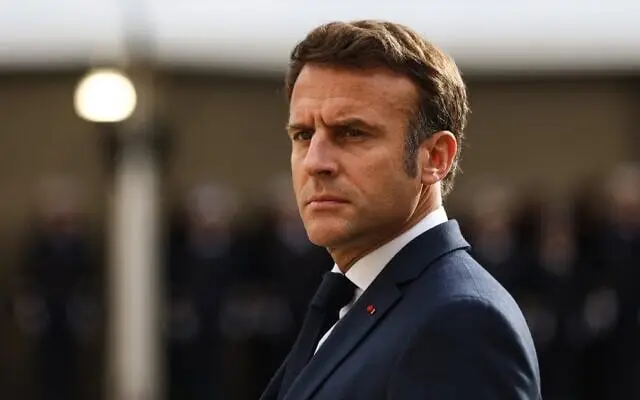
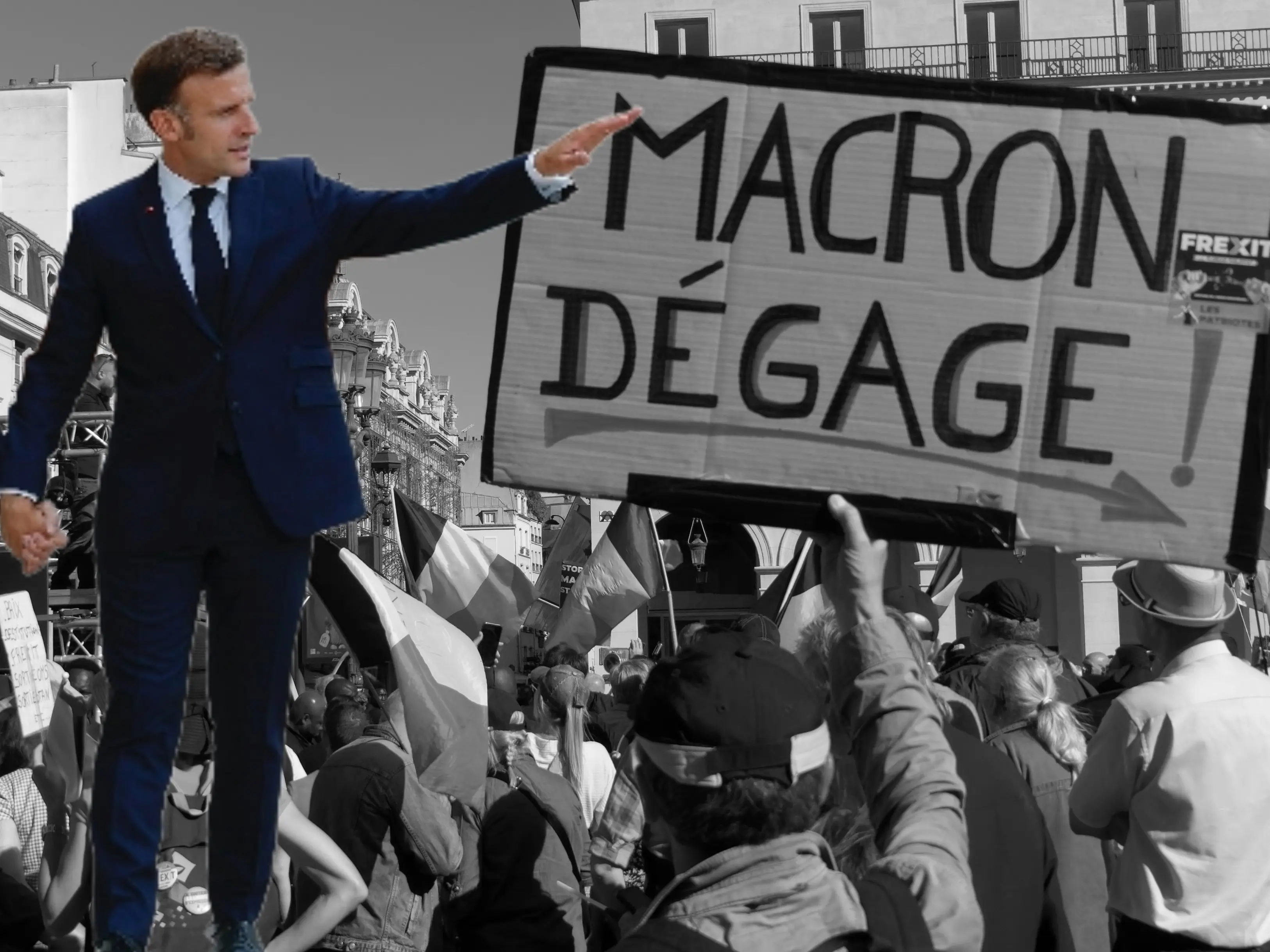
President Emmanuel Macron is always visible on the international stage as the face of European diplomacy in the war in Ukraine. But domestically, his ground is shaking. With five prime ministers in and out of the revolving door, one might think his time is up. But not so fast. France’s unique political system might ensure he completes his term in 2027 despite political and economic headwinds and social unrest. Here are his challenges — and why he might survive the storm.
Emmanuel Macron’s second term descends into paralysis
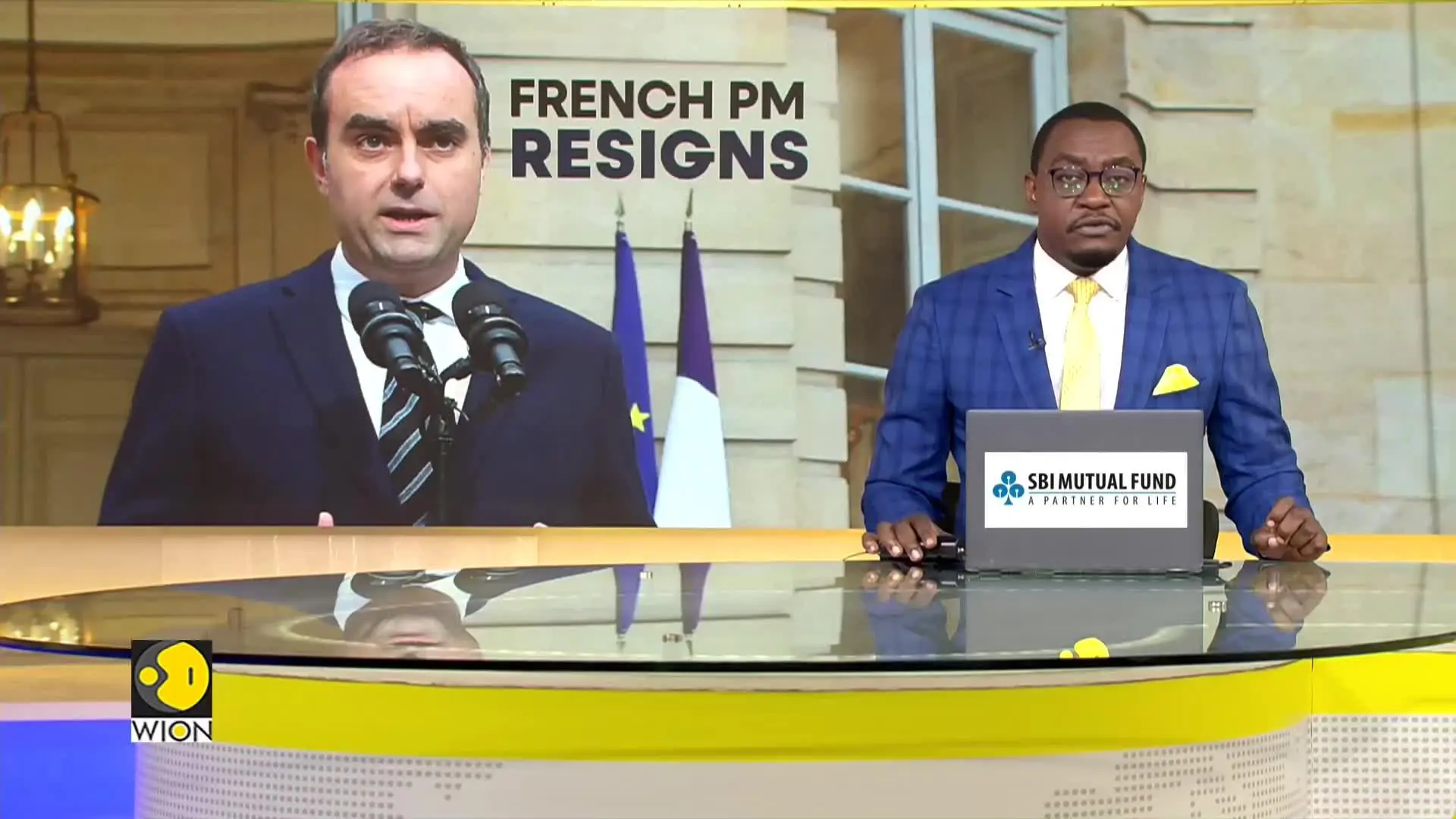
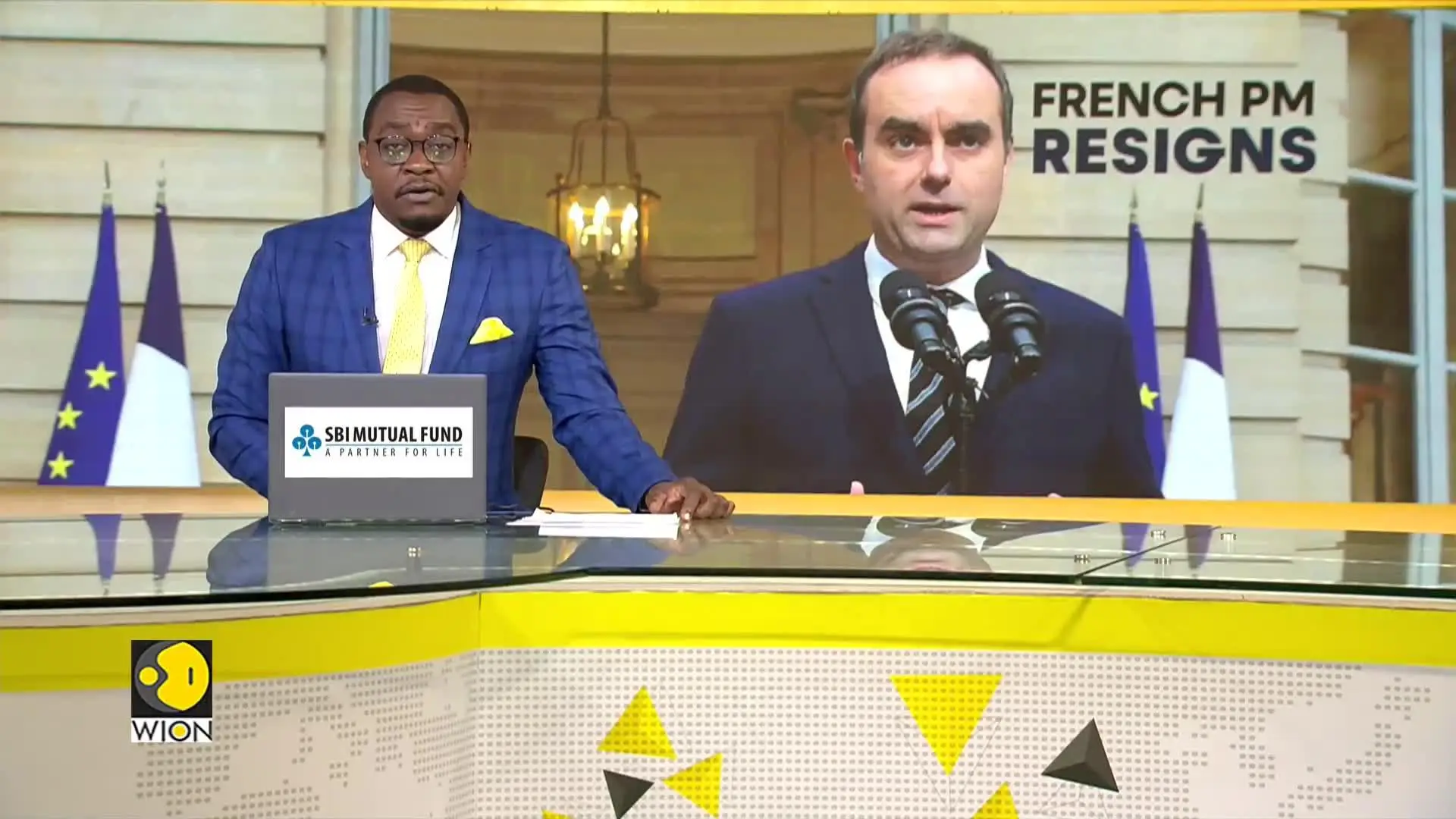
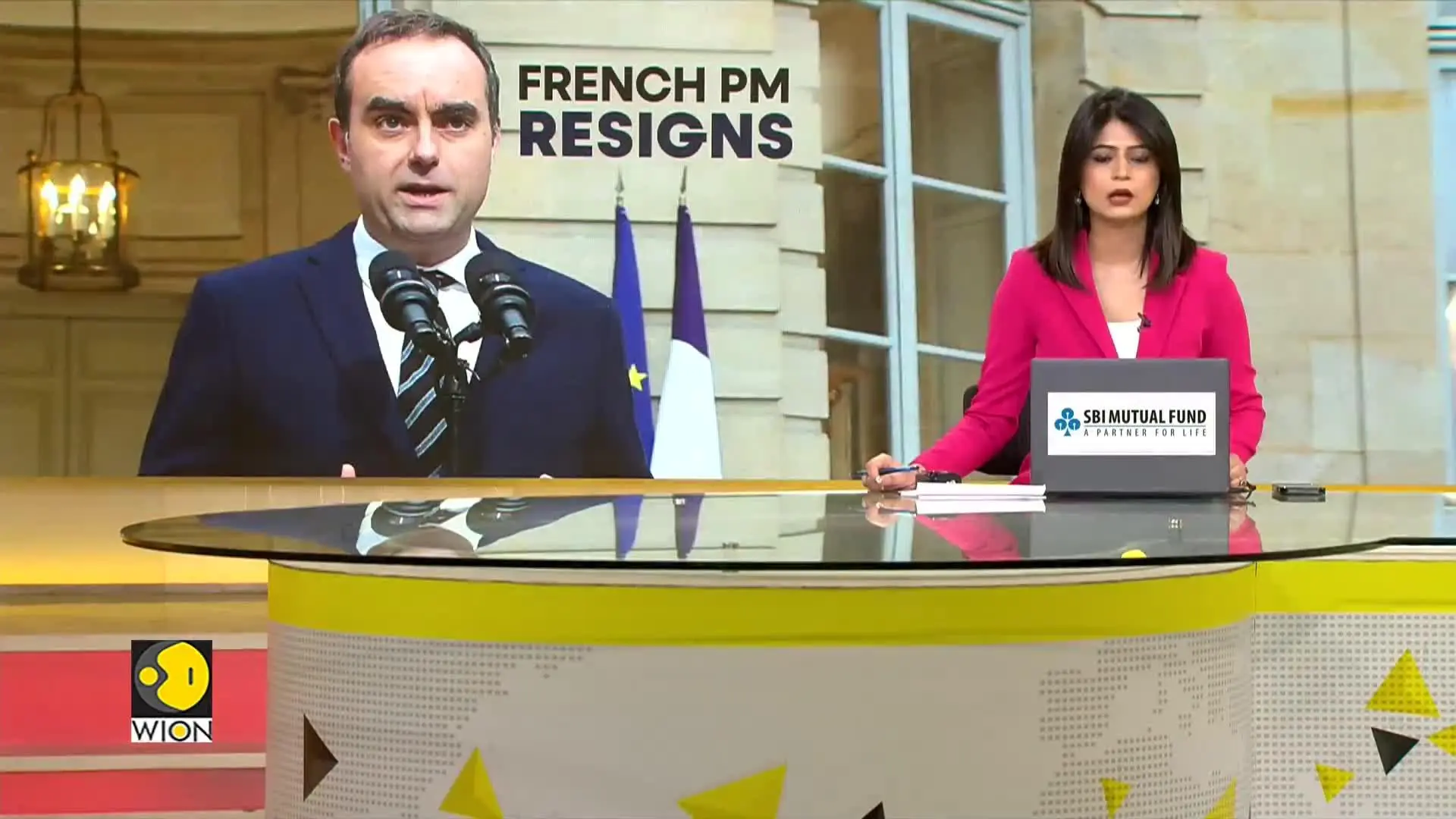
Macron is set to announce his sixth prime minister on Friday (Oct 10). Once seen as a centrist reformer and European leader, Macron now presides over a France beset by political gridlock, economic stagnation, and social unrest that regularly triggers protests. His approval rating has plummeted to 17 per cent, and five prime ministers have cycled through office in under three years — instability unseen since the Fourth Republic.

Macron’s decision to dissolve parliament in 2024 backfired
Arguably overconfident, Macron called snap elections in 2024, which resulted in a hung National Assembly. His Renaissance party holds only 166 seats, trailing the left-wing New Popular Front (193) and the far-right National Rally (142). What followed was chaos. Prime Ministers Elisabeth Borne, Gabriel Attal, Michel Barnier, François Bayrou, and Sébastien Lecornu all failed to stabilise governance — with Lecornu’s tenure ending after just 27 days. Macron attempted cross-party talks, but perceptions of his irrelevance are growing.
Trending Stories
)
AI kill switch explained: Why shutting down a dangerous AI may not be as simple as pressing a button
)
US ships in Indian Ocean ‘will be attacked’ if war resumes, warns Iran
)
SNL UK takes aim at Ed Sheeran with AI Princess Diana sketch
)
Trump says he'll build an 'AI Force' and appoint a czar, for 'high IQ' people only
)
‘0% chance’: Nvidia CEO Jensen Huang dismisses AI extinction fears by 2030
&im=FitAndFill=(700,400))
What TSMC's 2nm technology means for Apple
)
'Were you here to sell chickpeas?': Wasim Akram criticises Babar Azam's captaincy
)
Sikh bus driver assaulted, bus stolen and rammed into cars in England; video surfaces
)
Mark Carney mimics Trump in hilarious moment over C$70 billion clean-energy investment; room erupts in laughter
&im=FitAndFill=(700,400))
Top 10 countries in mathematics: See the world’s best performers in 2026
)
Apple reportedly building AI server with M8 Ultra chips, may use Nvidia technology
)
TIFF 2026: Theja Rio’s Angh wins Platform Prize, puts Nagaland story on global stage
)
BTS' fans question iHeartRadio’s treatment of group after brief festival set
)
Asian Games 2026: India win first medal as women’s 10m air rifle team claims silver
)
Samsung raises Galaxy S26 prices by Rs 20,000: Here’s what each model now costs
)
Bessent meets China’s He Lifeng to prepare for Trump-Xi summit
)
Trump defends AI amid growing alarm, announces new 'AI force' and promises an 'AI czar'
)
S Jaishankar, former Army chief among high-profile names issued Delhi SIR notices
)
Iran sets 7 conditions to end war with US: What are Tehran’s demands?
)
Trump announces ‘AI Force’ as debate grows over AI risks and regulation
)
Israeli President pardons combat medic who shot dead a badly wounded Palestinian attacker
)
Arvind Kejriwal, family members, Delhi CM Rekha Gupta get SIR notices
)
AI actress Tilly Norwood glitches mid-interview, switches from English to Chinese | Watch
)
Saudi vs Houthis: Houthis claim missiles & drones used in attack on key Saudi sites
)
Ed Sheeran addresses Macklemore's removal, Gaza conflict during Philadelphia concert: 'I cannot hide how I feel'
)
Saudi Arabia exits China-led mBridge digital currency platform amid Saudi-Houthi conflict
)
'Lot of things to learn from experienced players': Jayasuriya backs Rohit, Virat for 2027 ODI World Cup
)
Chancellor Friedrich Merz vows to stay on as exit polls signal major poll setback
)
North Korea's nuclear tests triggered 1,399 earthquakes: Earth is still shaking | Gravitas
)
Several petrol pumps, other businesses to refuse UPI payments above Rs 2,000 from Oct 16: Is it legal?
)
Kampala-Ankara rift deepens: Uganda suspends military ties, seeks Fred Lumbuye's extradition
)
AUS vs ZIM, 3rd ODI: Ellis stars as Australia edge Zimbabwe by one wicket in last-over thriller
)
West Indies Squad for India Series: Hetmyer included for T20Is, Holder rested
)
China now makes advanced memory chips without the machines it was banned from buying
)
Harry Brook targets long reign at top of T20I rankings after Sri Lanka sweep
)
Trump in ‘deciding mode’ on Iran, says ‘very big things’ going to happen soon
)
Microsoft executive called AI training the ‘largest theft of labour in human history’
)
Munich Mayor taps first keg to kick off Oktoberfest
Also read: Former PM and French president's ally Eduardo Philippe wants Macron to call for early election
On French streets, anger continues to mount
French streets remain a barometer of social tension. Macron’s pension reform — raising the retirement age from 62 to 64 — sparked mass protests. Austerity plans totalling €44 billion in savings triggered strikes. The “Bloquons Tout” movement has organised blockades, while unrest in New Caledonia over voting rights reforms has highlighted deep colonial-era fractures. Once a symbol of modernisation, Macron is now seen by many as elitist and socially divisive.
France faces a deepening fiscal crisis
French public debt reached €3.346 trillion — or 114 per cent of GDP — in the first quarter of 2025. Deficits are projected at 5 to 5.4 per cent of GDP. Macron failed to pass the 2026 budget due to the parliamentary deadlock, forcing France to operate under emergency spending rules. Markets are jittery, and the risk of credit downgrades looms.
Yet, Macron is unlikely to leave office early
Despite some allies calling for his resignation, Macron is expected to serve his full term thanks to France’s constitutional system. The Constitution of the Fifth Republic ensures presidential stability. Impeachment is only possible in cases of a “breach of duties,” and requires supermajorities in both parliamentary chambers and a ruling by a special court. No French president has ever been removed this way. Charles de Gaulle resigned voluntarily in 1969; others left only after losing elections.
Macron could still dissolve parliament again
With 18 months left until the 2027 election, Macron technically could dissolve parliament again — but he is unlikely to do so. Even as a lame-duck president, powerless domestically but constitutionally protected, he has the right to remain.
In the end, Macron has become a symbol of the very dysfunction he aimed to overcome as France’s youngest president. Politically isolated, economically constrained, and socially rejected, his authority has collapsed. But the system that protects the presidency ensures he stays — not because he can govern, but because he cannot be removed.