From milk tea to toothpaste, Thailand businesses profit from cannabis legalisation

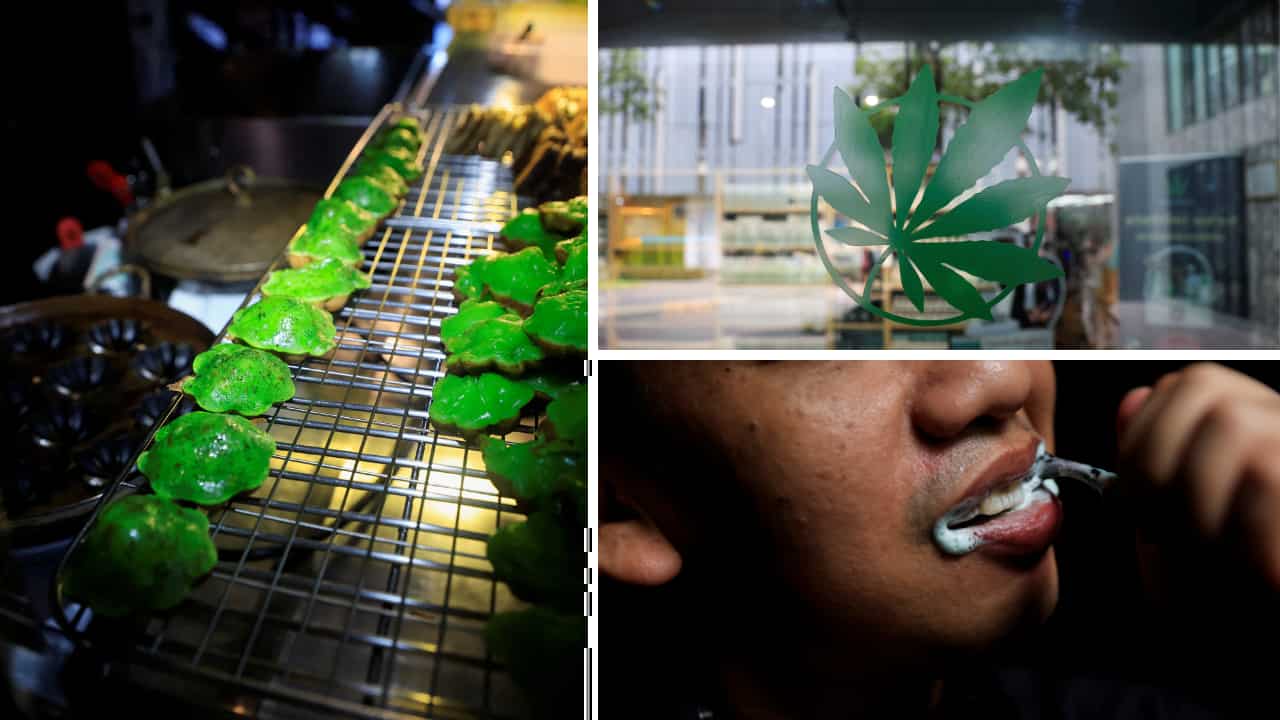
Thailand businesses profit from cannabis legalisation
After the government legalised the plant and its extract this year, sparking a wave of interest in the drug, Thai entrepreneurs are cashing in with cannabis-infused goods including toothpaste, tea, soaps, and snacks. In 2018, Thailand became the first nation in Southeast Asia to legalise marijuana for research and medical purposes. Thailand decriminalised the entire plant last month. Cannabis use for recreational purposes has skyrocketed since it was removed from the list of illegal drugs.
Cannabidiol (CBD), a component of cannabis that does not give consumers a high, is permitted to be used in commercial goods that have received approval from the food and drug regulator. However, the regulator only allows 0.2 per cent of the psychoactive compound tetrahydrocannabinol (THC) to be present in any cannabis product. Cannabis has a long history of use in traditional Thai medicine to treat pain. New concepts are now being developed by innovators.
The proprietor of Channherb, Surawut Samphant, has developed toothpaste. He added, "One of its ingredients is cannabis sativa seed oil, which contains CBD."A happy consumer testified that the toothpaste helped him maintain healthy gums, and Surawat agreed.

Also Read:Despite low voter turnout, Tunisia adopts new constitution leading towards autocracy
Kreephet Hanpongpipat, the proprietor of the Kanomsiam dessert shop, had long sold desserts with pandan leaf flavouring, but a year ago he added cannabis leaf to attract more customers. According to Kreephet's consumers, the cannabis-infused pastries help them sleep soundly. The biggest proponent of legalising marijuana for medical use, Health Minister Anutin Charnvirakul, predicts the market will be worth more than $3 billion in five years.
(with inputs from agencies)